FoodsSeedCapers
Capers

Seed

Capers

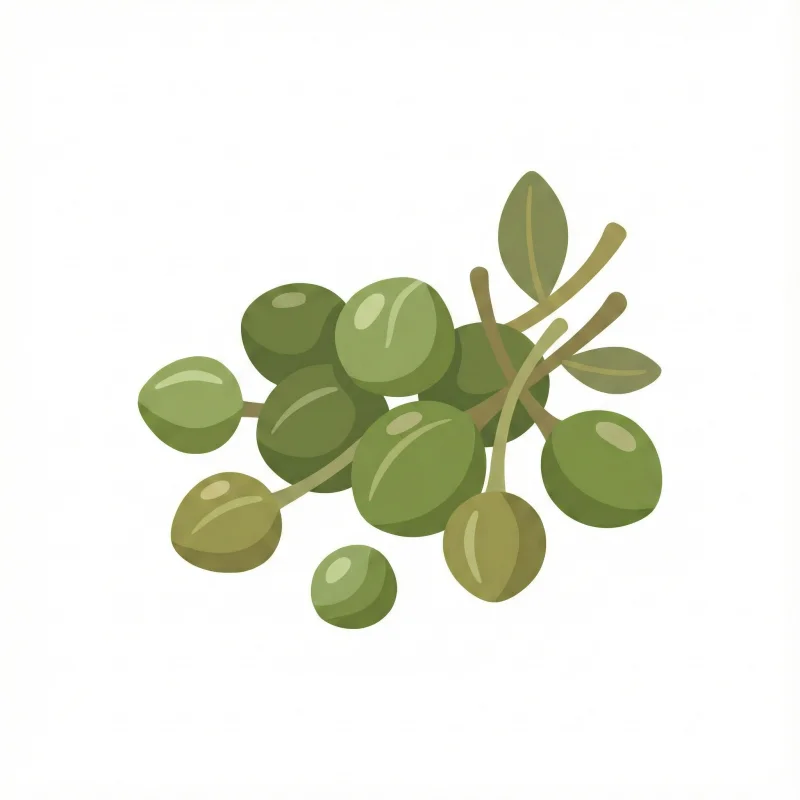
Capers are tiny, tangy flower buds that add a burst of flavor to baby's meals. They're packed with vitamin K for healthy blood clotting[1] and vitamin C to support your baby's immune system[2]. Their unique salty-sour taste can help introduce new flavors to your little one's developing palate.

6m+Not a common allergenChoking risk: Low
First age6m+
CategorySeed
Common allergenNo
Choking riskLow

When can babies eat Capers?

Capers can be introduced around 6 months when starting solids, but due to their high sodium content, they should be used sparingly as a flavor enhancer rather than a main ingredient.

How to serve Capers by age

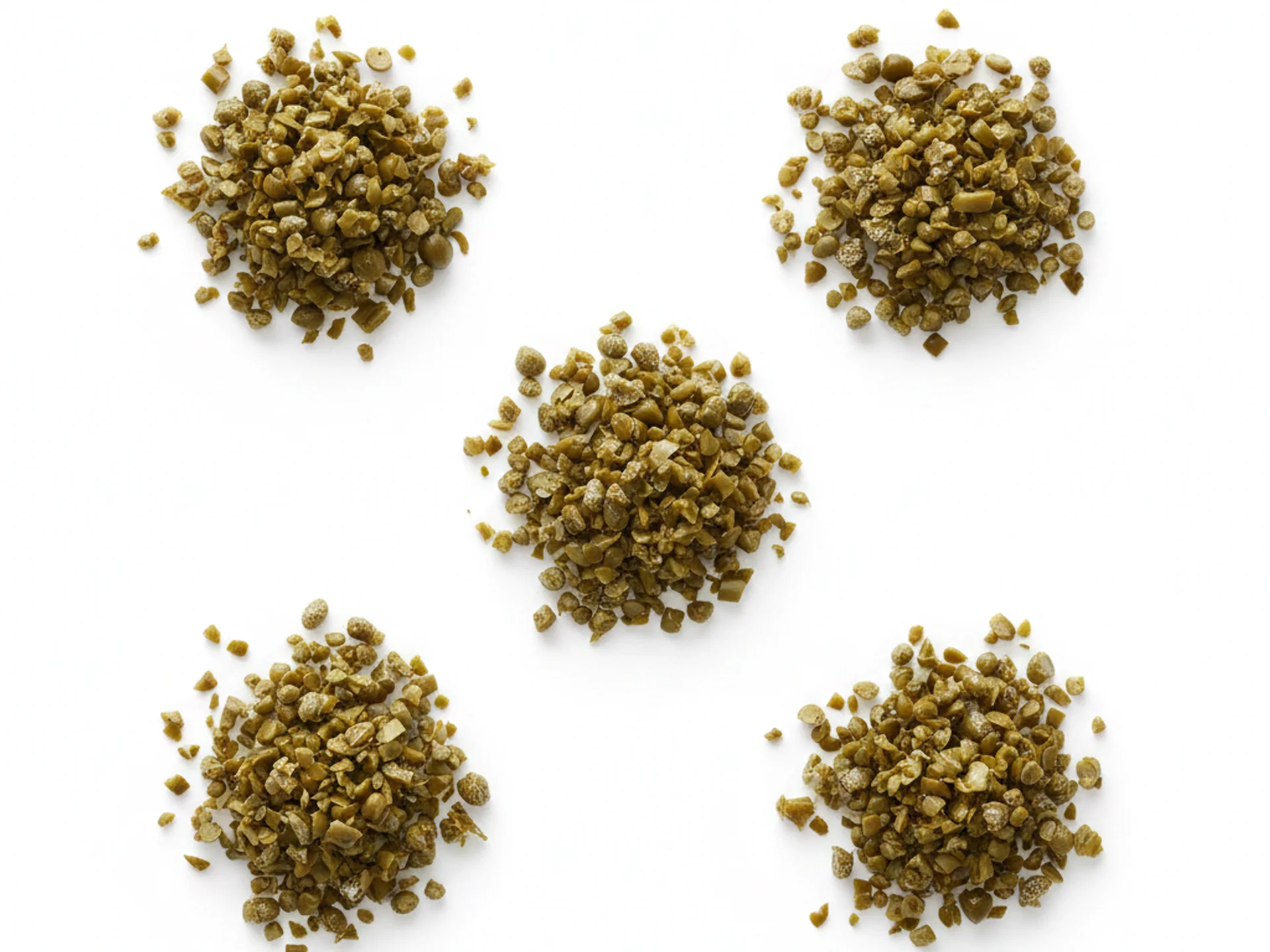
For babies 12 months and older, rinse capers thoroughly to reduce sodium, then mash or finely chop them. Mix into soft foods like mashed potatoes, yogurt dips, or pasta sauces to add a tangy flavor without overwhelming your baby. Ensure they're well-integrated to avoid any choking risk from whole pieces.
12 months +

For babies 12 months and older, rinse capers thoroughly to reduce sodium, then mash or finely chop them. Mix into soft foods like mashed potatoes, yogurt dips, or pasta sauces to add a tangy flavor without overwhelming your baby. Ensure they're well-integrated to avoid any choking risk from whole pieces.

  • Always rinse capers under running water for at least 30 seconds to remove excess salt.
  • Mash capers with a fork or chop finely before adding to meals.
  • Start with a small amount (e.g., 1/2 teaspoon) to see how your baby reacts to the strong flavor.
  • Combine with mild foods like avocado or cottage cheese to balance the tanginess.
  • Store unused rinsed capers in an airtight container in the fridge for up to 3 days.

Safety & allergens

Choking risk: Low

Capers are naturally small and soft when preserved, posing minimal choking risk. For extra safety, you can mash them slightly or chop them finely before mixing into other foods like mashed vegetables or grains.

Not a common allergen

Capers is not a top allergen. As with any new food, offer it on its own and watch for any reaction.

Vitamins & minerals

Capers provide vitamin K which is essential for proper blood clotting in growing babies[1]. They also contain vitamin C that helps with iron absorption and supports immune function[2]. The iron content contributes to healthy red blood cell development[3], while the copper supports bone and connective tissue growth[4].

Vitamins
Vitamin VITAMIN KVitamin VITAMIN CVitamin VITAMIN AVitamin VITAMIN B9
Minerals
SodiumIronCopperManganeseCalcium