FoodsVegetableBok choy
Bok choy

Vegetable

Bok choy

Bok choy is a wonderful leafy green to introduce to your baby, offering a mild, slightly sweet flavor and tender texture when cooked. It's packed with nutrients that support your baby's growth, including Vitamin A for healthy vision[1] and Vitamin C to boost their immune system[2]. This versatile vegetable can be easily incorporated into purees or served as a soft finger food.

6m+Not a common allergenChoking risk: Low
First age6m+
CategoryVegetable
Common allergenNo
Choking riskLow

When can babies eat Bok choy?

You can introduce bok choy around 6 months when your baby starts solids, as it's easy to digest and low in allergens. It's a great early vegetable to help expand their palate.

How to serve Bok choy by age

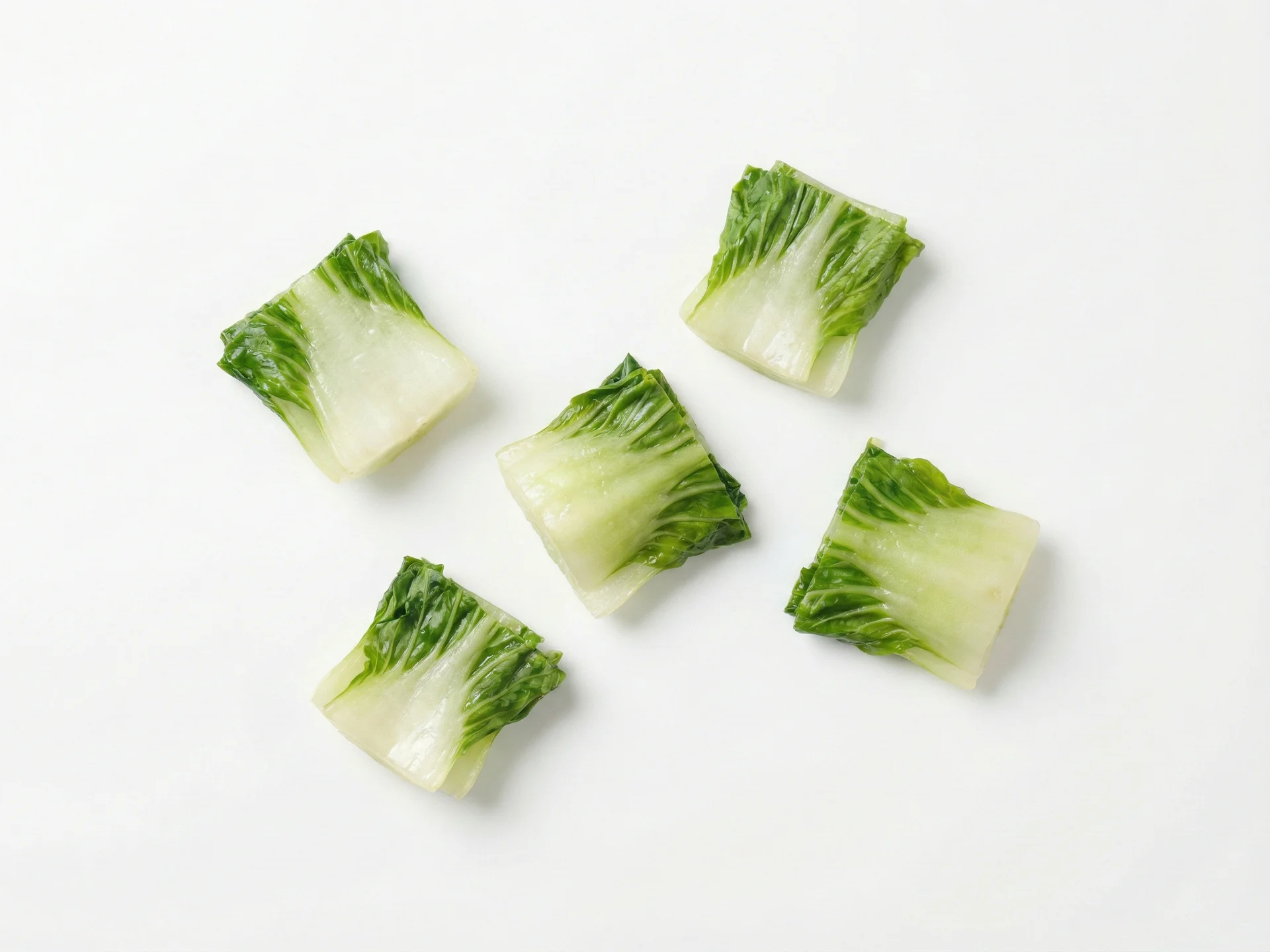
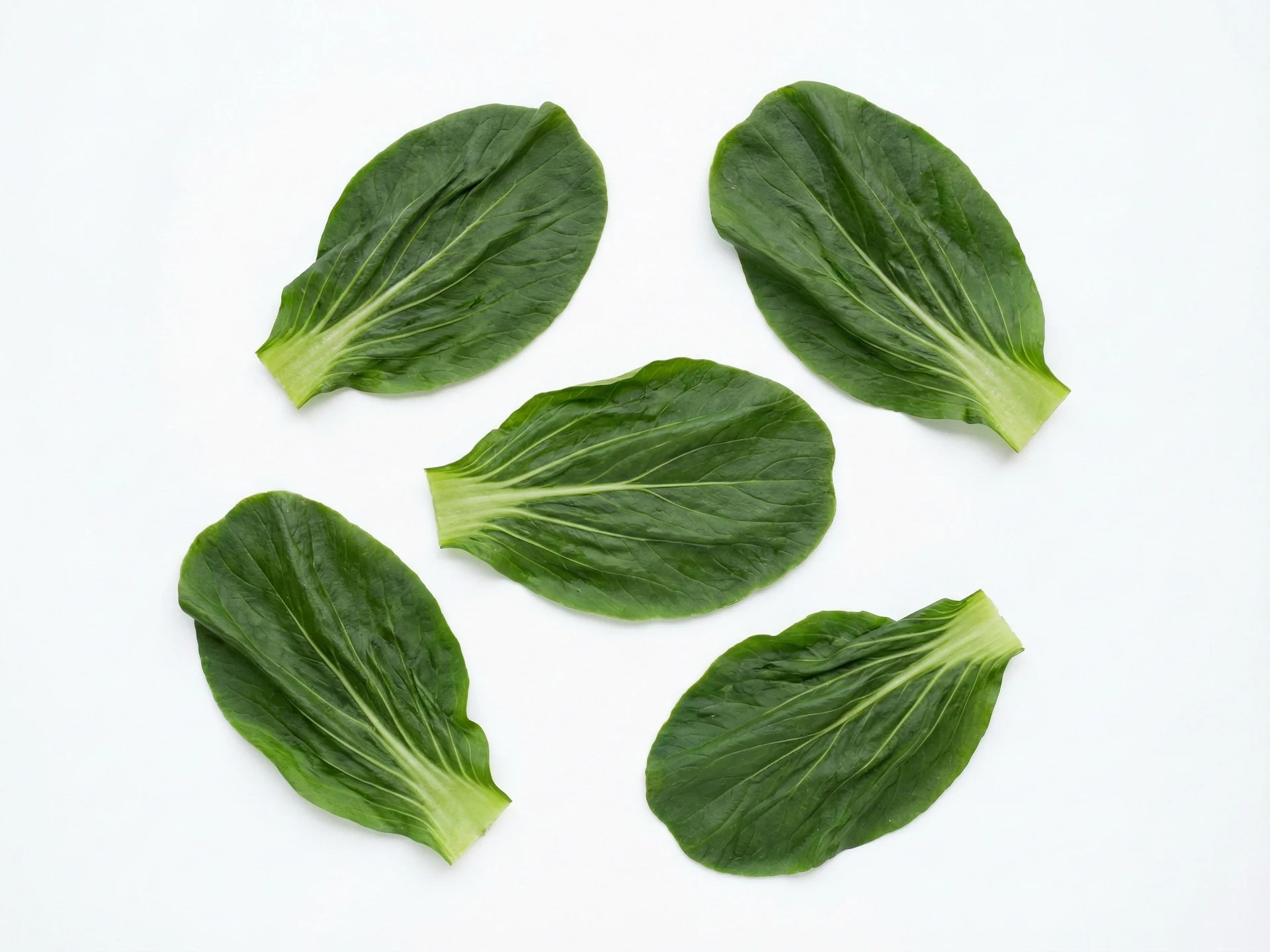
For babies 6-9 months, cook bok choy until very soft—steam or boil for 8-10 minutes until you can easily mash it with your fingers. Separate the leaves from the thick stems and cook stems longer as they're tougher. Serve leaves as large, flat pieces (bigger than baby's fist) that they can grasp and suck on, or mash and mix with other soft foods.
6 to 9 months

For babies 6-9 months, cook bok choy until very soft—steam or boil for 8-10 minutes until you can easily mash it with your fingers. Separate the leaves from the thick stems and cook stems longer as they're tougher. Serve leaves as large, flat pieces (bigger than baby's fist) that they can grasp and suck on, or mash and mix with other soft foods.

  • Steam bok choy until completely tender and mashable
  • Serve leaves as large, flat pieces for easy grasping
  • Mix mashed bok choy with iron-fortified cereals or purees
  • Ensure stems are cooked until very soft and cut into long, thin strips
  • Always test texture by pressing between your fingers before serving
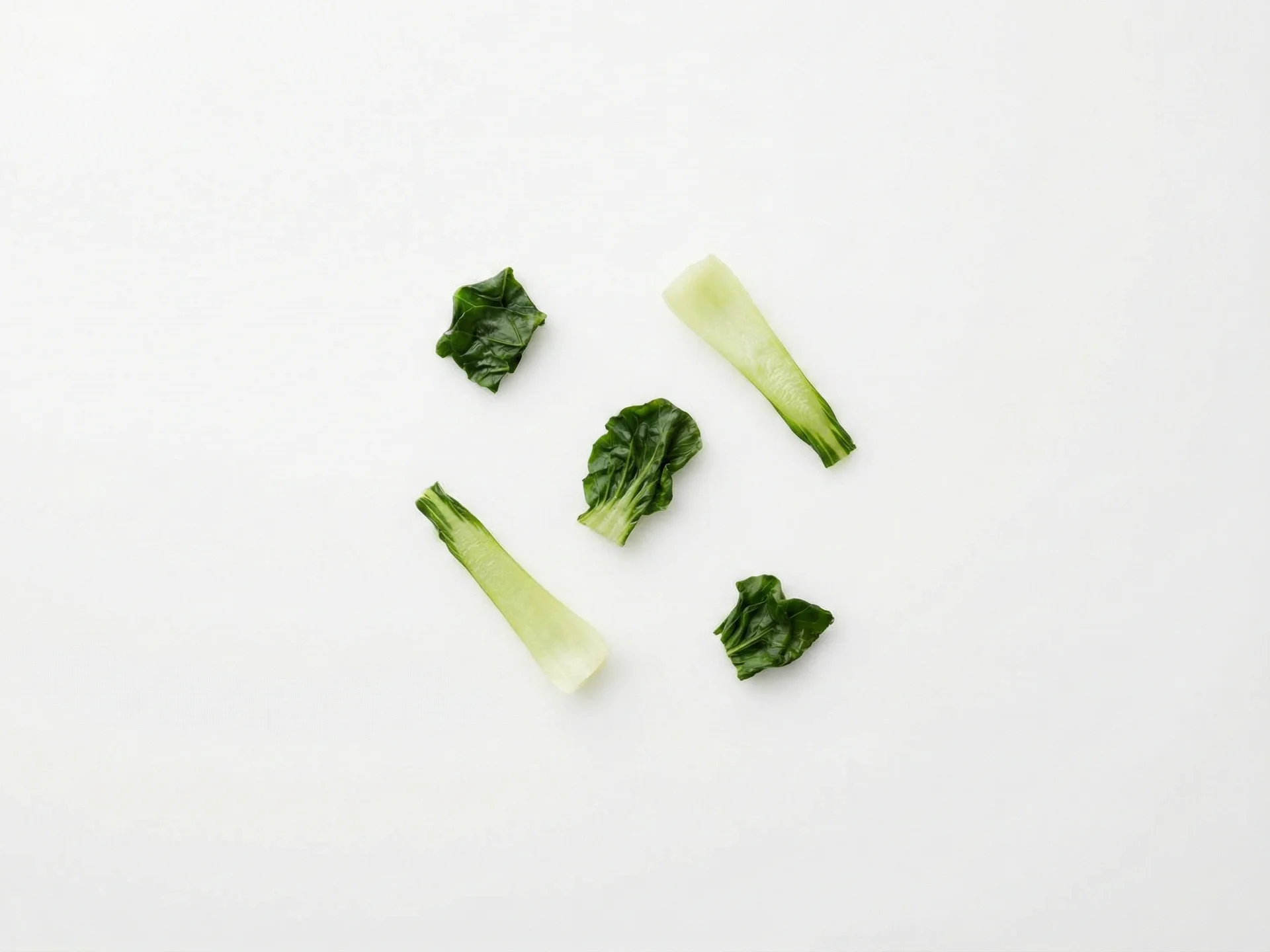
For babies 9-12 months, cook bok choy until soft but with slightly more texture to encourage chewing practice. You can serve smaller pieces as their pincer grasp develops. Cut cooked leaves into bite-sized pieces (about pea-sized) and stems into thin, short strips that are easy to pick up and chew.
9 to 12 months

For babies 9-12 months, cook bok choy until soft but with slightly more texture to encourage chewing practice. You can serve smaller pieces as their pincer grasp develops. Cut cooked leaves into bite-sized pieces (about pea-sized) and stems into thin, short strips that are easy to pick up and chew.

  • Cook until soft but with some texture for chewing practice
  • Cut into pea-sized pieces for developing pincer grasp
  • Mix with grains like quinoa or rice for balanced meals
  • Try sautéing with a little olive oil for added flavor and healthy fats
  • Combine with proteins like tofu or shredded chicken
For toddlers 12 months and up, you can offer bok choy with more varied preparations. Cook until tender but still slightly crisp if your child prefers more texture. Chop into age-appropriate sizes and incorporate into stir-fries, soups, or as a side dish. You can also introduce raw, very finely shredded bok choy in small amounts if your toddler has good chewing skills.
12 months +

For toddlers 12 months and up, you can offer bok choy with more varied preparations. Cook until tender but still slightly crisp if your child prefers more texture. Chop into age-appropriate sizes and incorporate into stir-fries, soups, or as a side dish. You can also introduce raw, very finely shredded bok choy in small amounts if your toddler has good chewing skills.

  • Incorporate into family meals like stir-fries and soups
  • Chop into sizes appropriate for your toddler's chewing ability
  • Offer both cooked and occasionally raw (finely shredded) versions
  • Season lightly with herbs and mild spices
  • Pair with dipping sauces like mild yogurt or tahini for fun eating

Safety & allergens

Choking risk: Low

Bok choy has a low choking risk when prepared appropriately for your baby's age. For young babies, always cook until very soft and puree or mash thoroughly. For older babies, cut cooked bok choy into small, manageable pieces they can gum safely.

Not a common allergen

Bok choy is not a top allergen. As with any new food, offer it on its own and watch for any reaction.

Vitamins & minerals

Bok choy provides excellent nutrition for growing babies. It's rich in Vitamin K, which helps with blood clotting and bone health[3], and contains calcium and magnesium that support strong bone development[4]. The iron content helps prevent anemia[5], while potassium supports healthy heart function[6].

Vitamins
Vitamin VITAMIN AVitamin VITAMIN CVitamin VITAMIN KVitamin VITAMIN B9
Minerals
CalciumIronPotassiumMagnesium