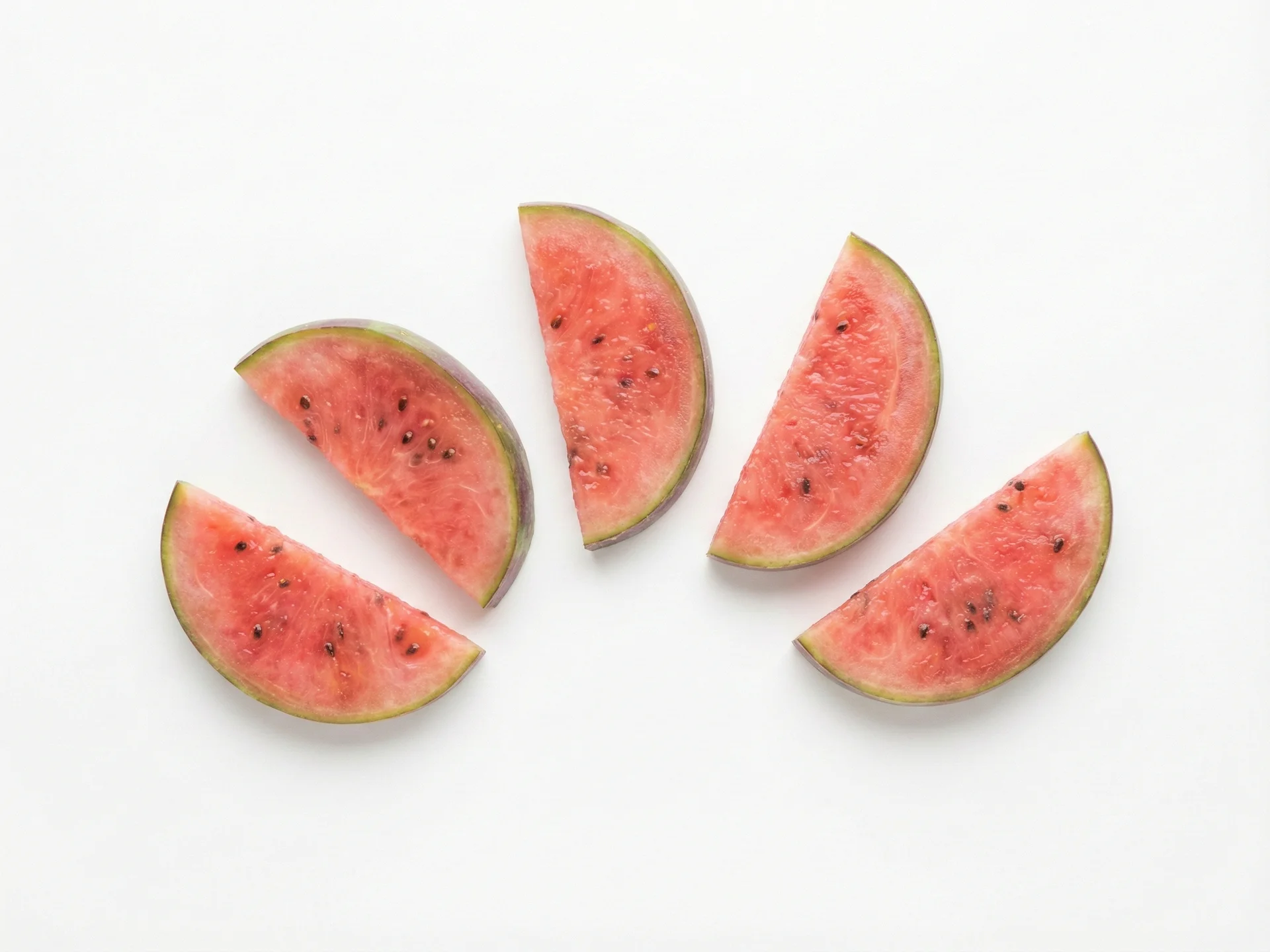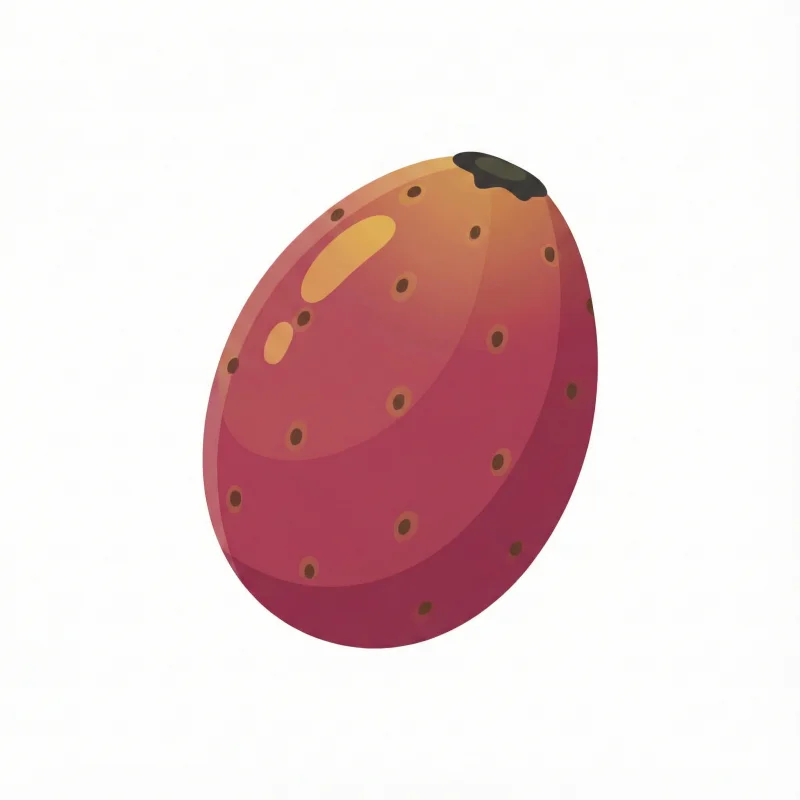
Indian fig

Fruit

Indian fig

Indian fig, also known as prickly pear or cactus fruit, is a sweet, juicy fruit with a vibrant color and soft texture that many babies enjoy. It's packed with vitamin C, which supports your baby's immune system and helps their body absorb iron from other foods.1 The natural sweetness makes it appealing for little taste buds, and its high water content can help keep your baby hydrated.

PPippin Feeding TeamReviewed by feeding specialists · Updated July 2026
First age6m+
CategoryFruit
Common allergenNo
Choking riskLow

When can babies eat Indian fig?

You can introduce Indian fig around 6 months when your baby starts solids, as it's soft and easy to puree. It's a great early fruit to add variety to their diet.

Storage tip

Store ripe Indian figs in the refrigerator for up to 3 days. You can also puree and freeze them in ice cube trays for up to 2 months—just thaw in the fridge overnight before serving.

How to serve Indian fig by age

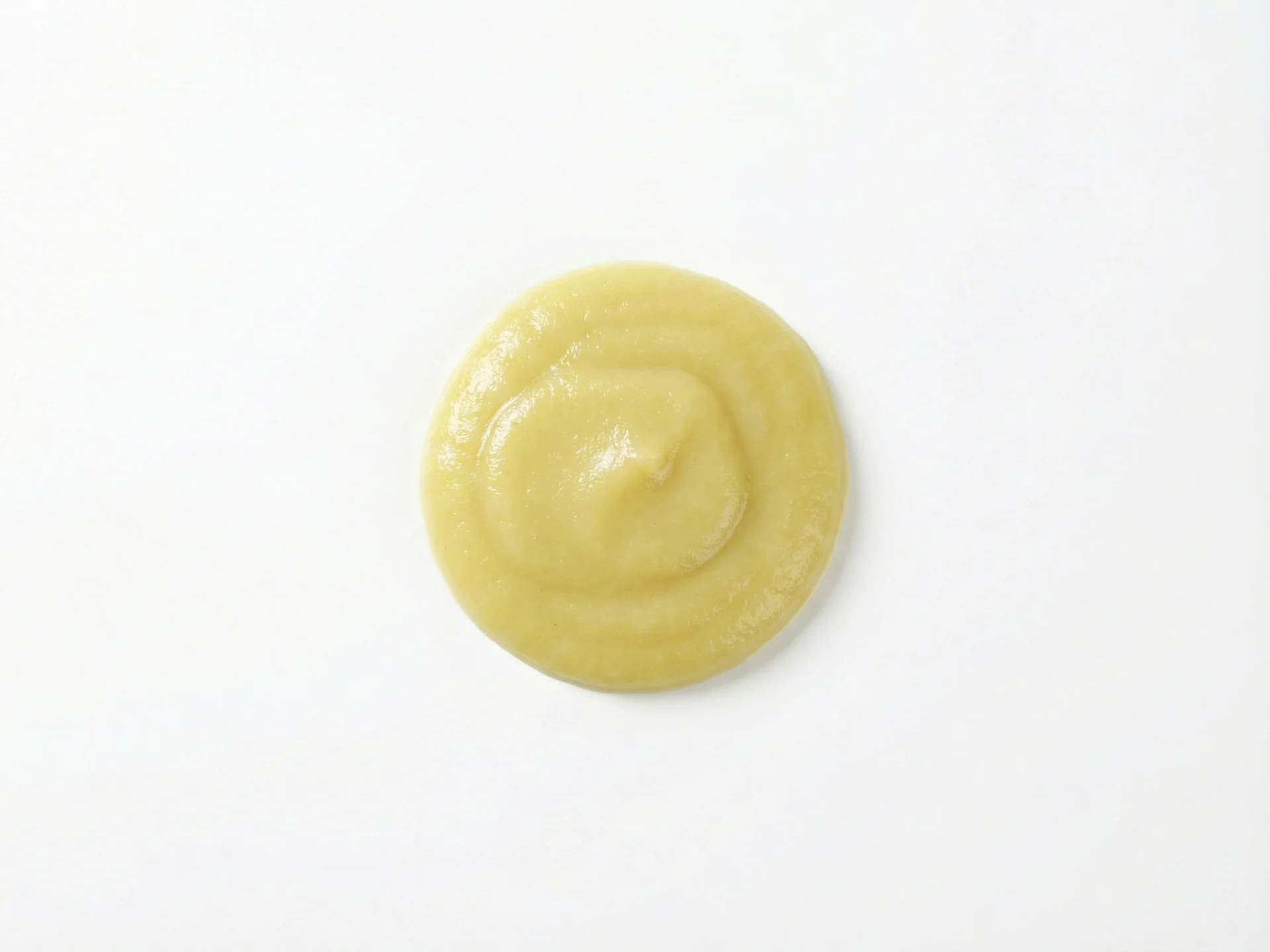
For babies 6-9 months, peel the Indian fig completely and mash the flesh into a smooth puree or soft mash. You can mix it with other fruits or yogurt for added nutrition. Offer on a pre-loaded spoon or let your baby scoop with their hands.6 to 9 months

For babies 6-9 months, peel the Indian fig completely and mash the flesh into a smooth puree or soft mash. You can mix it with other fruits or yogurt for added nutrition. Offer on a pre-loaded spoon or let your baby scoop with their hands.

  • Always remove all skin and spines before preparing
  • Mash thoroughly to break up the tiny seeds
  • Start with small amounts to check for tolerance
  • Mix with oatmeal or yogurt for easier handling
  • Offer on a silicone spoon for self-feeding practice
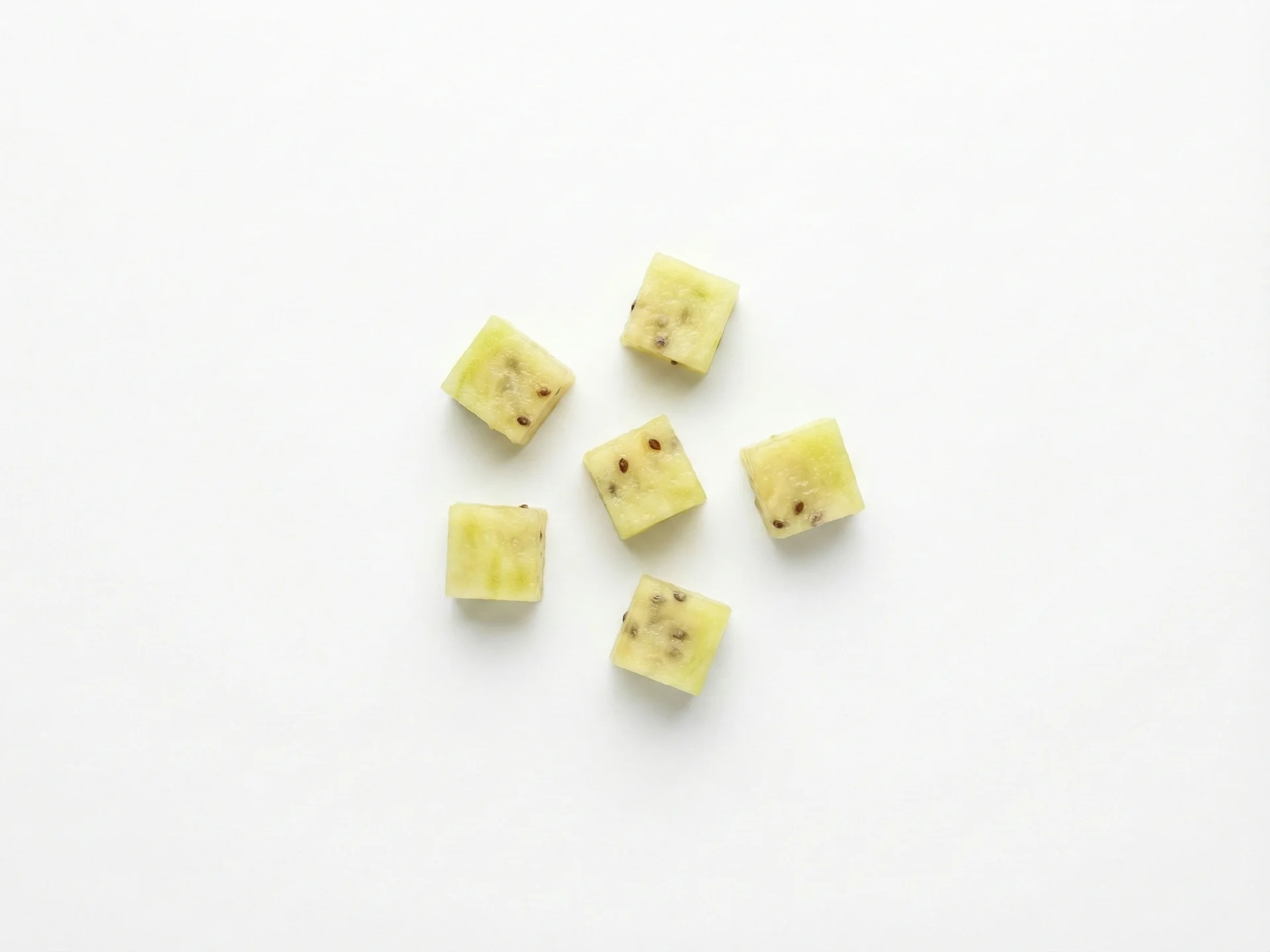
For babies 9-12 months, peel the Indian fig and chop the flesh into small, soft pieces about the size of a pea. The seeds can remain intact as your baby develops better chewing skills. You can also offer thin slices for them to hold and gnaw on.9 to 12 months

For babies 9-12 months, peel the Indian fig and chop the flesh into small, soft pieces about the size of a pea. The seeds can remain intact as your baby develops better chewing skills. You can also offer thin slices for them to hold and gnaw on.

  • Chop into pea-sized pieces for safe chewing
  • Offer both chopped pieces and thin slices for variety
  • Combine with other soft fruits in a fruit salad
  • Use as a topping for pancakes or toast
  • Monitor closely as they practice chewing the seeds
For toddlers 12 months and older, you can offer Indian fig in larger pieces or slices that they can hold and bite. The seeds are now generally safe to consume. You can also incorporate Indian fig into smoothies, baked goods, or as a fresh snack.12 months +

For toddlers 12 months and older, you can offer Indian fig in larger pieces or slices that they can hold and bite. The seeds are now generally safe to consume. You can also incorporate Indian fig into smoothies, baked goods, or as a fresh snack.

  • Offer wedge-shaped pieces for easy holding
  • Add to smoothies for natural sweetness
  • Use in muffins or pancakes for added nutrition
  • Create fun fruit kabobs with other soft fruits
  • Teach proper chewing with the seed-filled texture

Safety & allergens

Choking risk: Low

Indian fig has a soft, seed-filled interior that can be a mild choking hazard if not prepared properly. Always remove the tough outer skin and mash or puree thoroughly for younger babies. For older babies, you can offer small, soft pieces with the skin removed.

Not a common allergen

Indian fig is not a top allergen. As with any new food, offer it on its own and watch for any reaction.

Vitamins & minerals

Indian fig is rich in vitamin C, which boosts your baby's immune function and enhances iron absorption from plant-based foods.1 It also provides vitamin A for healthy vision and skin, potassium for proper muscle function, and magnesium for bone development.2 The fiber content supports healthy digestion without being too harsh on little tummies.

Vitamins
Vitamin CVitamin AVitamin KVitamin B6
Minerals
MagnesiumPotassiumCalciumIron

Nutritional synergy

Pair Indian fig with iron-rich foods like lentils or spinach—the vitamin C in the fruit helps your baby absorb plant-based iron more effectively.1

Common questions

How do I know when an Indian fig is ripe and ready to use?

Look for fruits that feel slightly soft when gently pressed and have vibrant, even color (usually deep pink, red, or yellow). Avoid any with bruises, mold, or overly hard spots. The small spines on the skin should be removed before handling.

What if my baby doesn't like the texture or taste at first?

It's common for babies to need multiple exposures to accept new foods. Try mixing a small amount of Indian fig puree with familiar foods like oatmeal or yogurt. The natural sweetness often wins them over after a few tries.

Can I use canned or packaged Indian fig for baby food?

Fresh is best to avoid added sugars or preservatives. If using canned, choose varieties packed in water or their own juice (not syrup), and rinse well before preparing. Always check labels for no added salt or sugar.

Sources & references

  1. 1Carr & Maggini, 2017
  2. 2USDA FoodData Central, 2024