Cavendish

Fruit

Cavendish

Cavendish bananas are a fantastic first food for babies, offering a naturally sweet flavor and creamy texture that most little ones love. They're packed with essential nutrients like vitamin C to support your baby's immune system1 and potassium for healthy heart and muscle function2. Plus, their soft consistency makes them easy to prepare for tiny mouths.

PPippin Feeding TeamReviewed by feeding specialists · Updated January 2026
First age6m+
CategoryFruit
Common allergenNo
Choking riskLow

When can babies eat Cavendish?

You can introduce mashed Cavendish banana around 6 months when your baby shows signs of readiness for solids, such as sitting up with support and showing interest in food.

Storage tip

Store unripe bananas at room temperature until they turn yellow with brown speckles. Once ripe, you can refrigerate them for 2-3 days to slow further ripening, though the peel may darken.

How to serve Cavendish by age

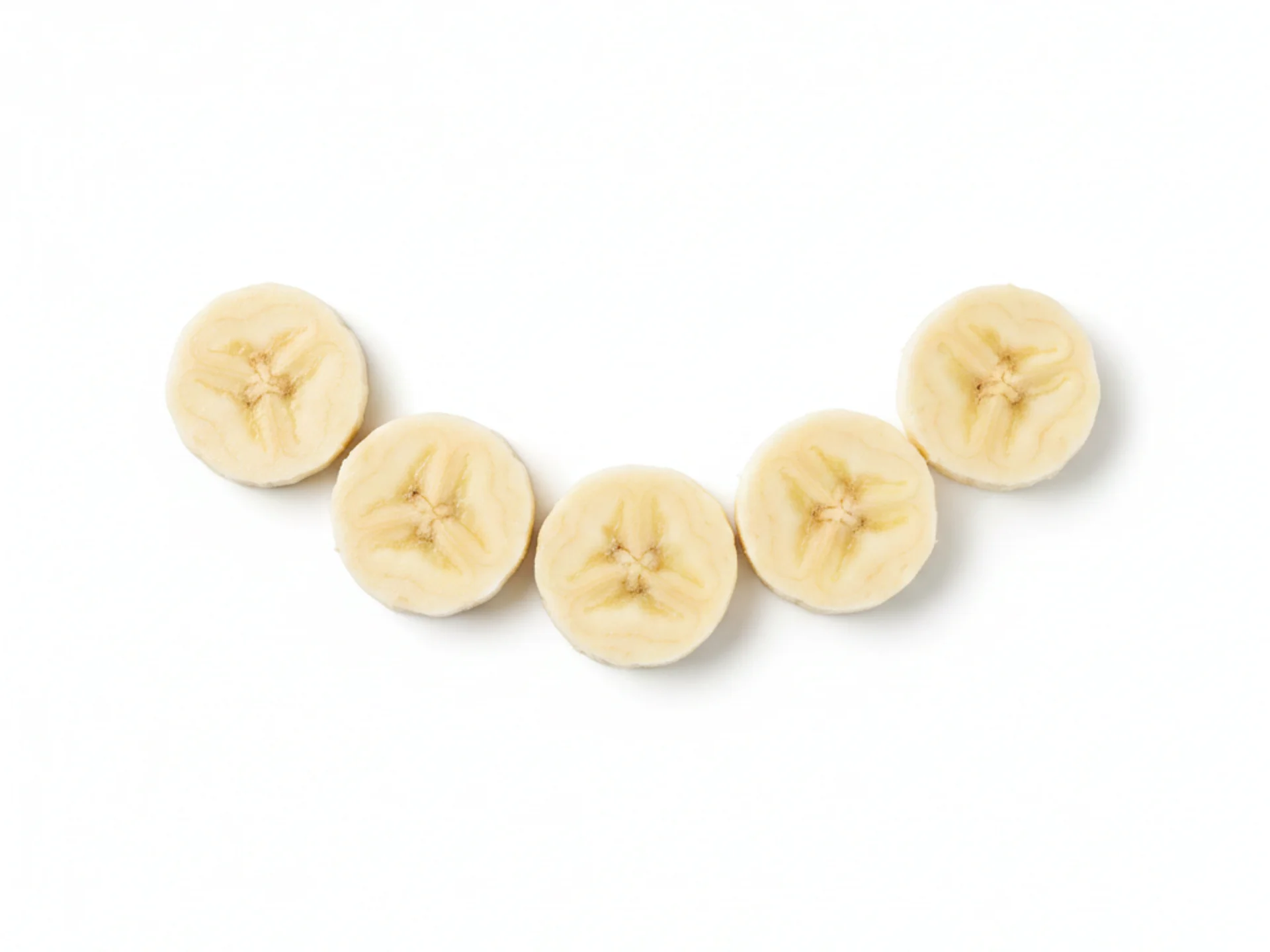
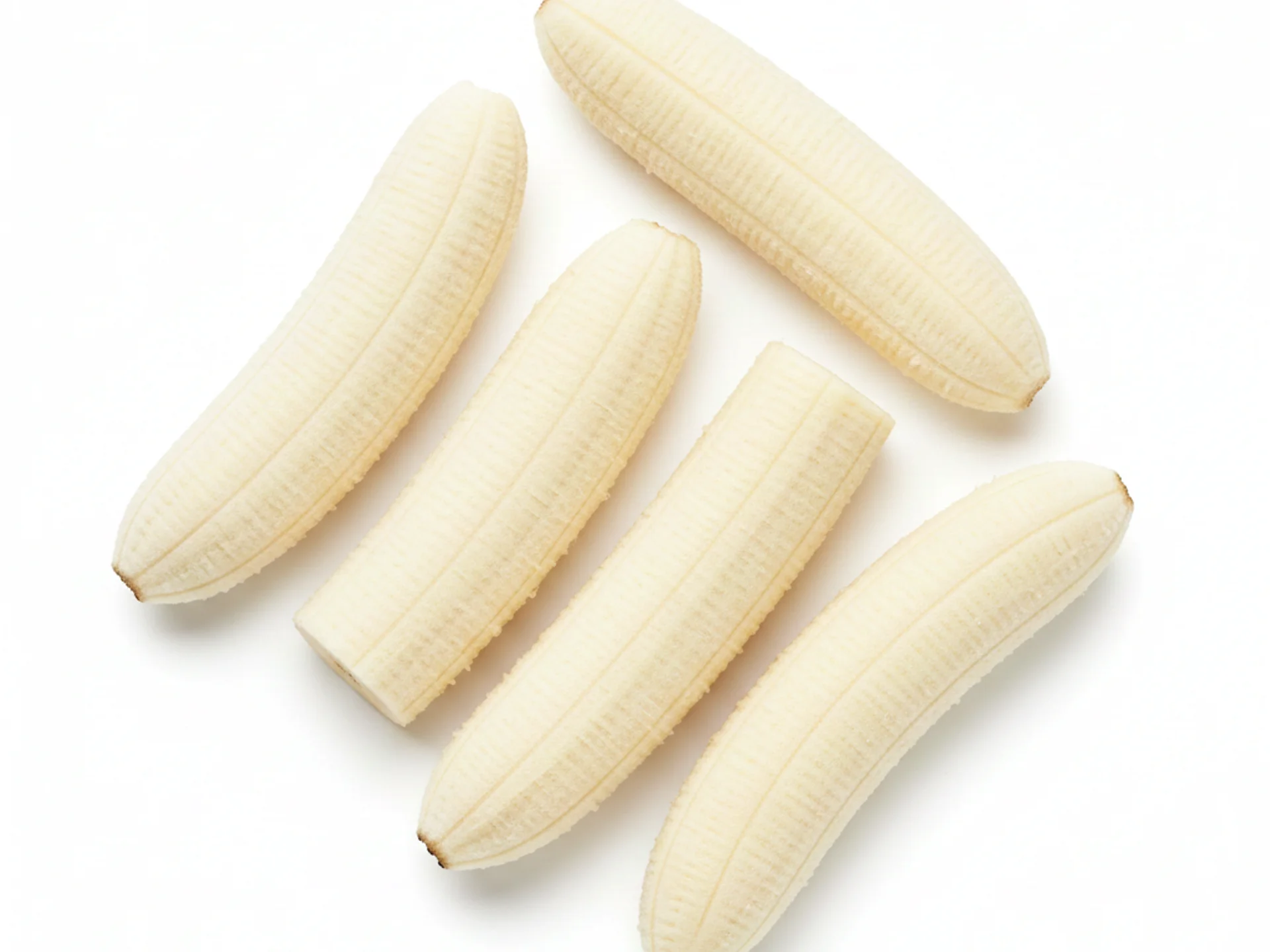
For 6-9 month olds, peel a ripe banana and cut it into long, thick strips (about the length of your finger) that are easy for your baby to grasp. The soft texture allows them to gum and mash it safely.6 to 9 months

For 6-9 month olds, peel a ripe banana and cut it into long, thick strips (about the length of your finger) that are easy for your baby to grasp. The soft texture allows them to gum and mash it safely.

  • Choose bananas with brown spots for maximum softness
  • Leave some peel on the bottom of the strip for easier gripping
  • Offer one strip at a time to prevent overstuffing
  • If the banana is too slippery, roll it in crushed baby cereal for better grip
  • Always supervise closely during feeding
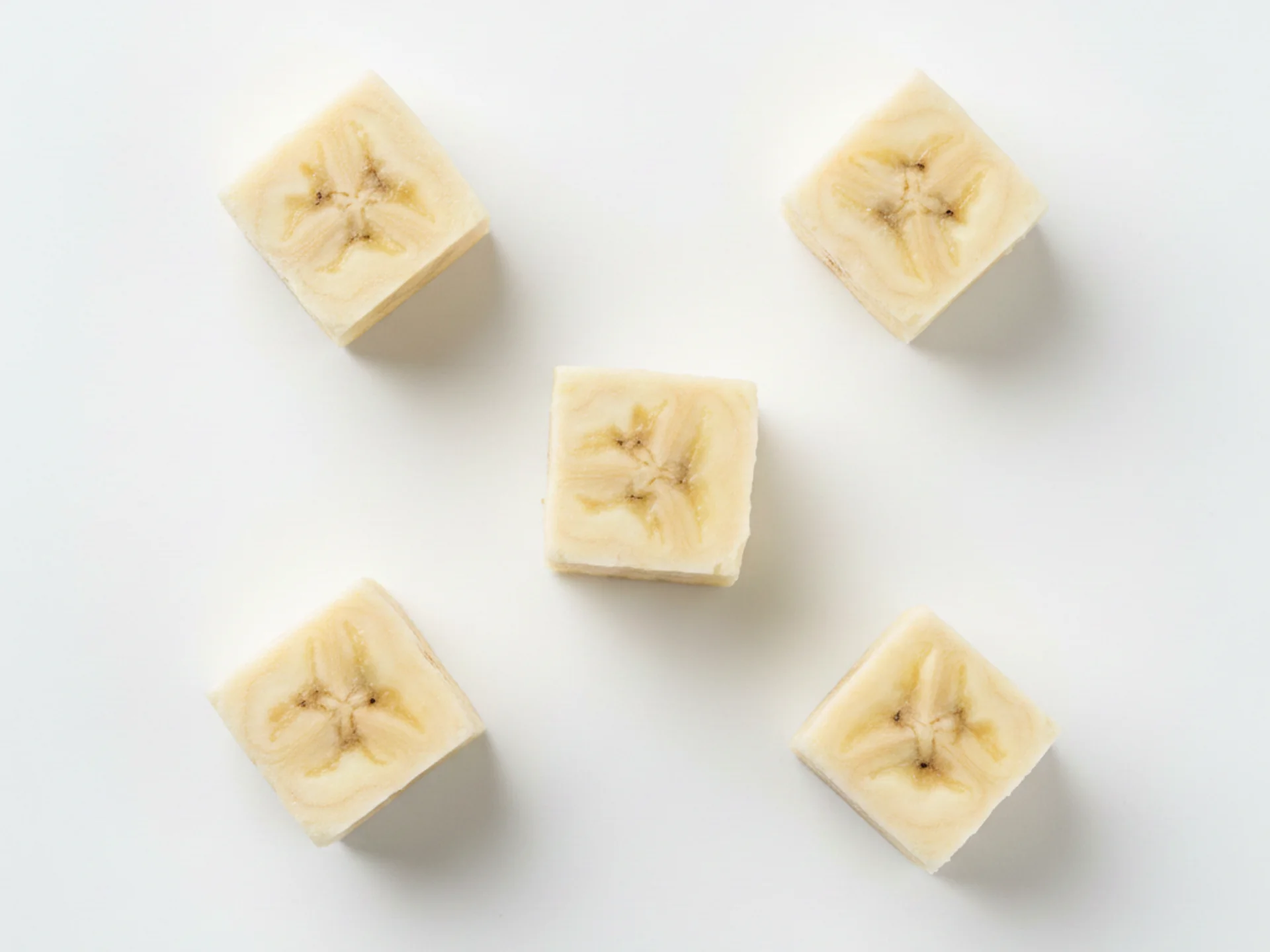
For 9-12 month olds, you can offer smaller, bite-sized pieces (about 1/2 inch cubes) as their pincer grasp develops. The banana should still be fully ripe and soft enough to mash easily.9 to 12 months

For 9-12 month olds, you can offer smaller, bite-sized pieces (about 1/2 inch cubes) as their pincer grasp develops. The banana should still be fully ripe and soft enough to mash easily.

  • Cut into small cubes to encourage pincer grasp practice
  • Mix mashed banana into oatmeal or yogurt for varied textures
  • Try freezing banana pieces for a soothing teething treat
  • Combine with other soft fruits like avocado for flavor variety
  • Watch for signs of readiness for smaller pieces
For toddlers 12 months and up, bananas can be served in various ways: whole (with supervision), sliced, mashed, or incorporated into recipes. They make a great portable snack and baking ingredient.12 months +

For toddlers 12 months and up, bananas can be served in various ways: whole (with supervision), sliced, mashed, or incorporated into recipes. They make a great portable snack and baking ingredient.

  • Offer whole bananas (peeled) for toddlers to practice biting and chewing
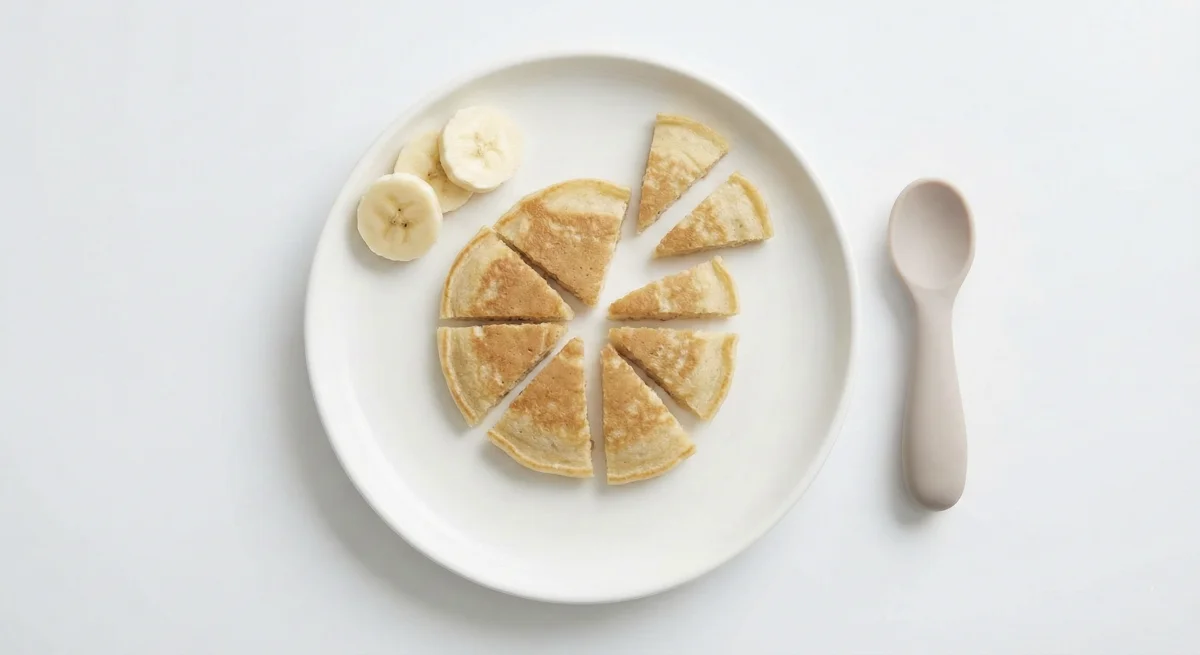
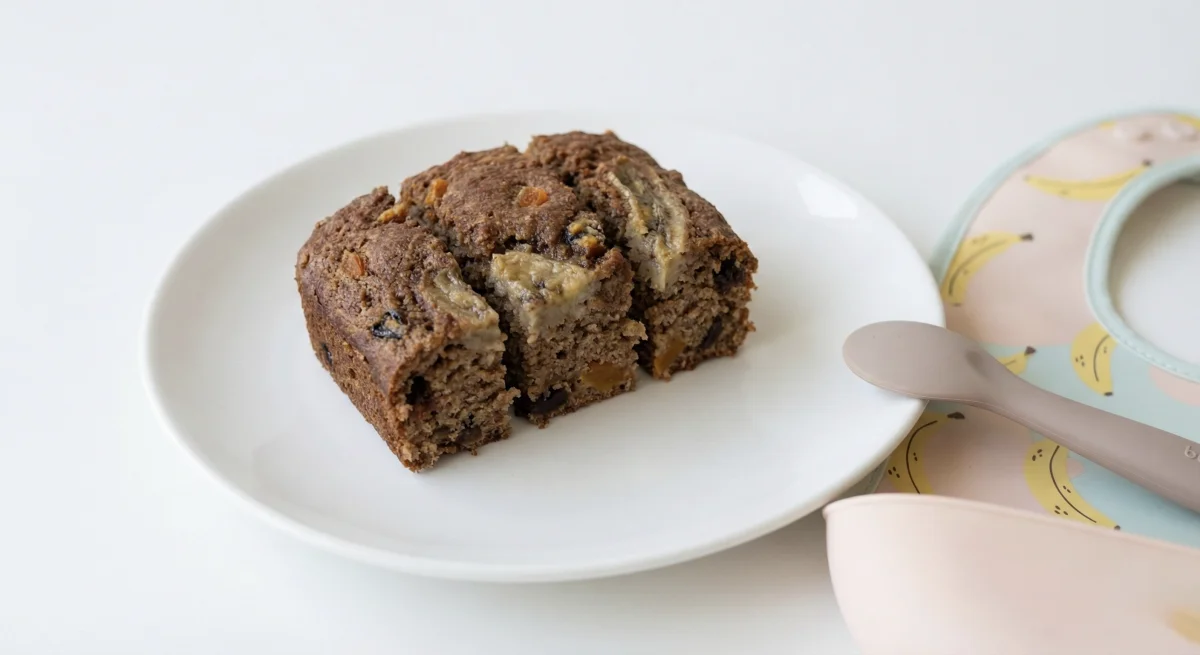
  • Use mashed banana as a natural sweetener in pancakes or muffins
  • Make banana 'ice cream' by freezing and blending ripe bananas
  • Create fun shapes with cookie cutters for older toddlers
  • Pair with nut butters (if no allergies) for added protein

Safety & allergens

Choking risk: Low

Bananas are naturally soft and pose a low choking risk when prepared appropriately. For younger babies, mash thoroughly to remove any lumps. For older babies, you can offer soft, ripe banana pieces that are easy to gum, but always supervise during meals.

Not a common allergen

Cavendish is not a top allergen. As with any new food, offer it on its own and watch for any reaction.

Vitamins & minerals

Cavendish bananas provide vitamin C, which helps your baby's body absorb iron from other foods and supports a healthy immune system1. They're also rich in potassium, an important mineral for maintaining normal heart rhythm and muscle function2, and contain vitamin B6, which plays a role in brain development and energy metabolism3.

Vitamins
Vitamin CVitamin B6Vitamin A
Minerals
PotassiumMagnesium

Nutritional synergy

Pair banana with iron-rich foods like fortified oatmeal or lentils, as the vitamin C in bananas enhances iron absorption, helping prevent iron deficiency1.

Common questions

How do I pick the best bananas for my baby?

Choose bananas that are fully yellow with a few brown speckles—this indicates peak ripeness and sweetness. Avoid green bananas as they're harder to digest and less sweet, and skip any with mold or large bruises.

Can I freeze mashed banana for later use?

Yes! Simply mash ripe banana and freeze in ice cube trays for up to 2 months. Thaw in the refrigerator overnight or gently warm before serving. Frozen banana also makes a great teething treat when mashed and frozen in a mesh feeder.

What if my baby gets constipated after eating banana?

While bananas can sometimes contribute to firmer stools, this is usually temporary. Ensure your baby stays hydrated and offer other high-fiber foods like pears or prunes. If constipation persists, consult your pediatrician.

Sources & references

  1. 1Carr & Maggini, 2017
  2. 2Stone et al., 2016
  3. 3Kennedy, 2016