FoodsHerb / SpiceGreen Onion
Green Onion

Herb / Spice

Green Onion

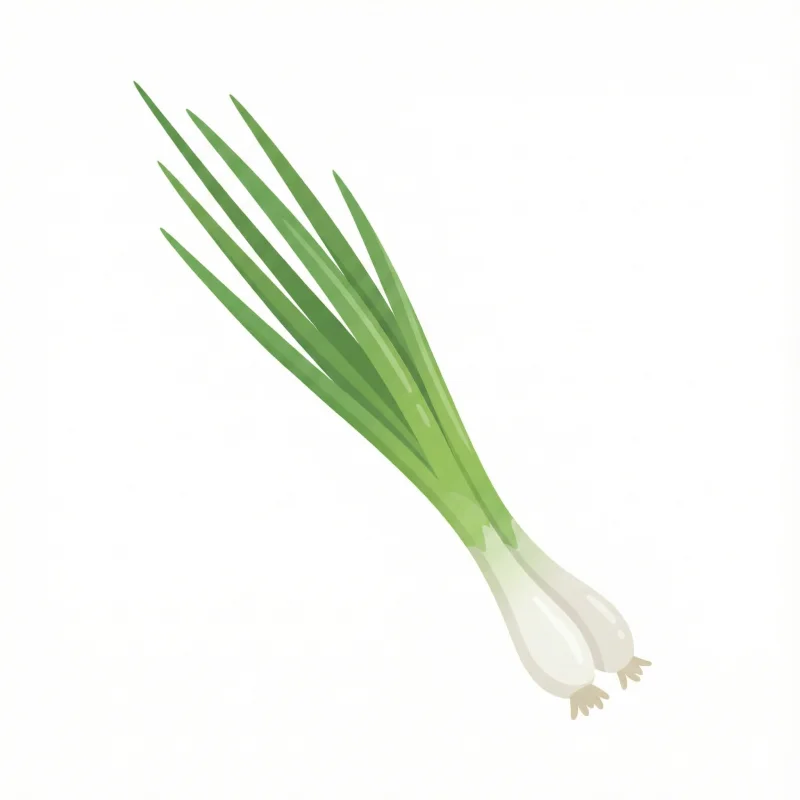
Green onions, also known as scallions, are a flavorful herb that can add a mild oniony taste to your baby's meals. They're packed with vitamins and minerals that support healthy growth, including vitamin C for immune function[1] and vitamin K for blood clotting[2]. Their tender texture makes them easy to incorporate into purees and soft foods once your baby is ready for solids.

6m+Not a common allergenChoking risk: Medium
First age6m+
CategoryHerb / Spice
Common allergenNo
Choking riskMedium

When can babies eat Green Onion?

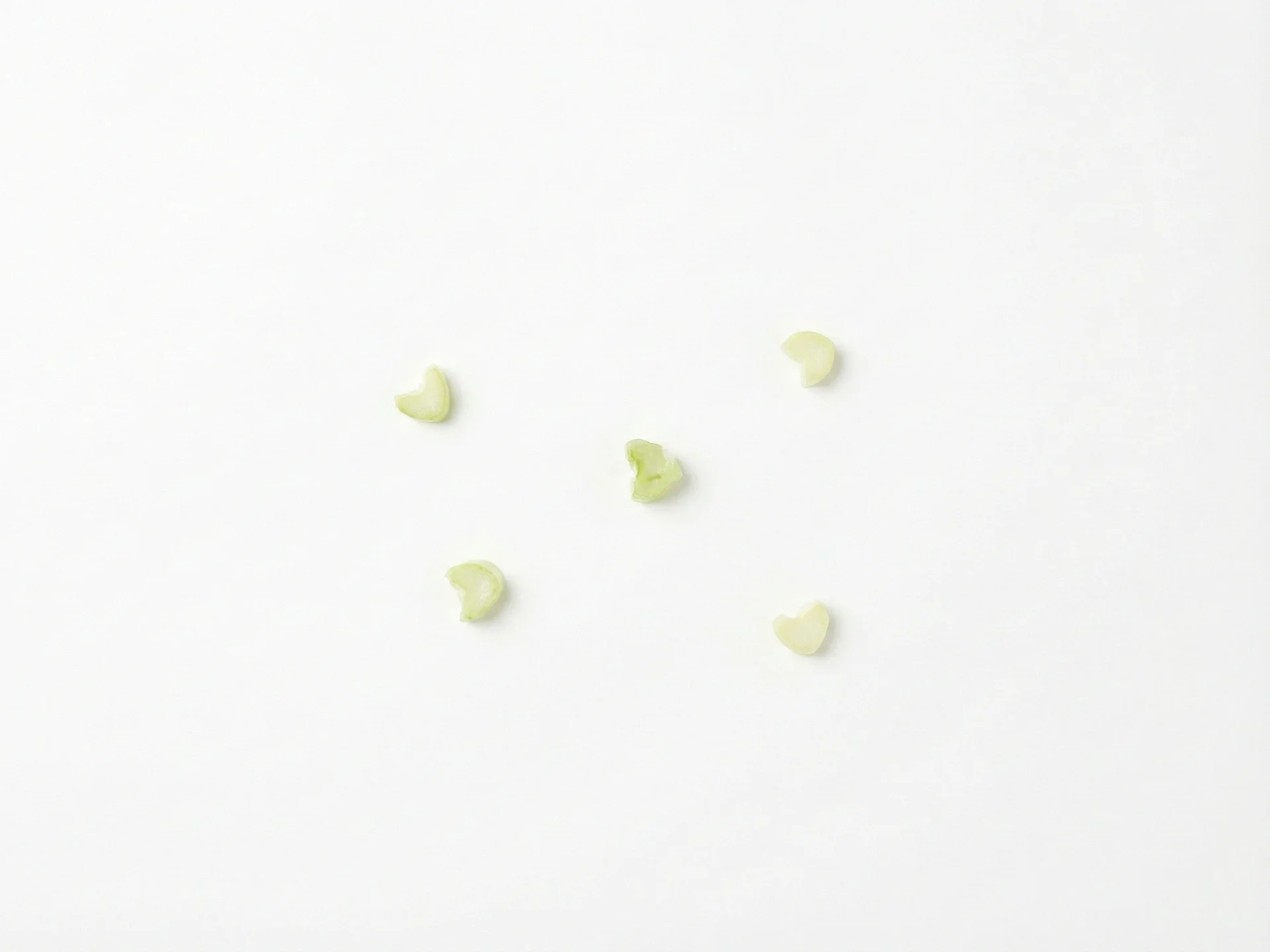
You can introduce green onions around 6 months when starting solids, as long as they're cooked until very soft and finely chopped to reduce choking risk.

How to serve Green Onion by age

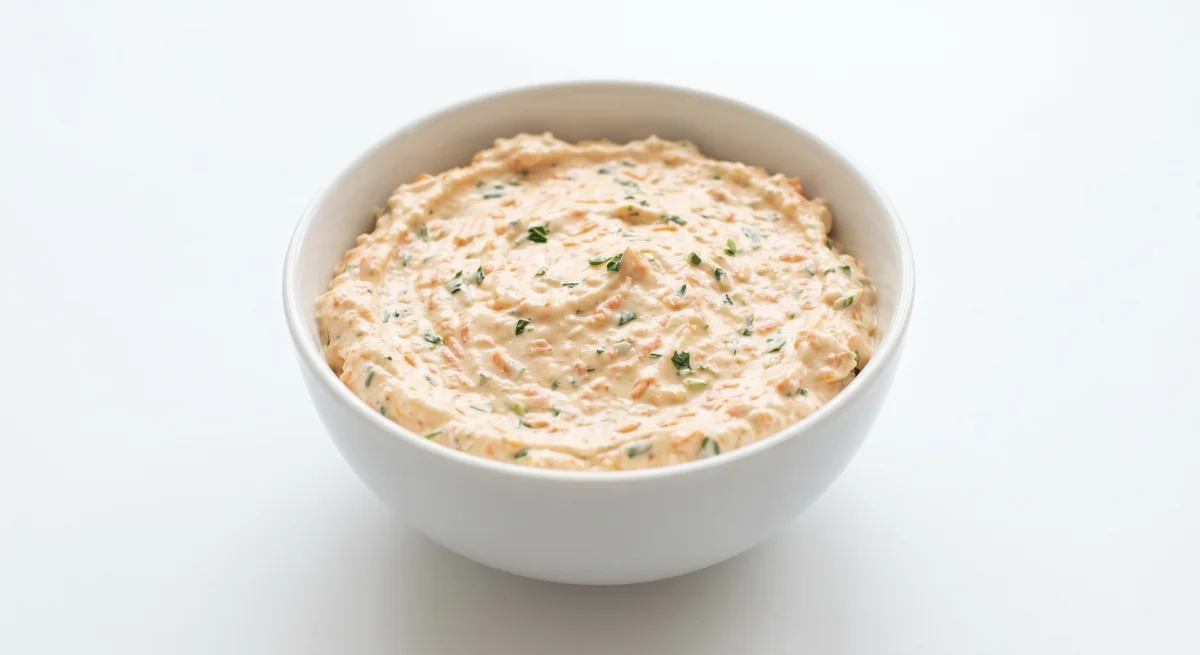
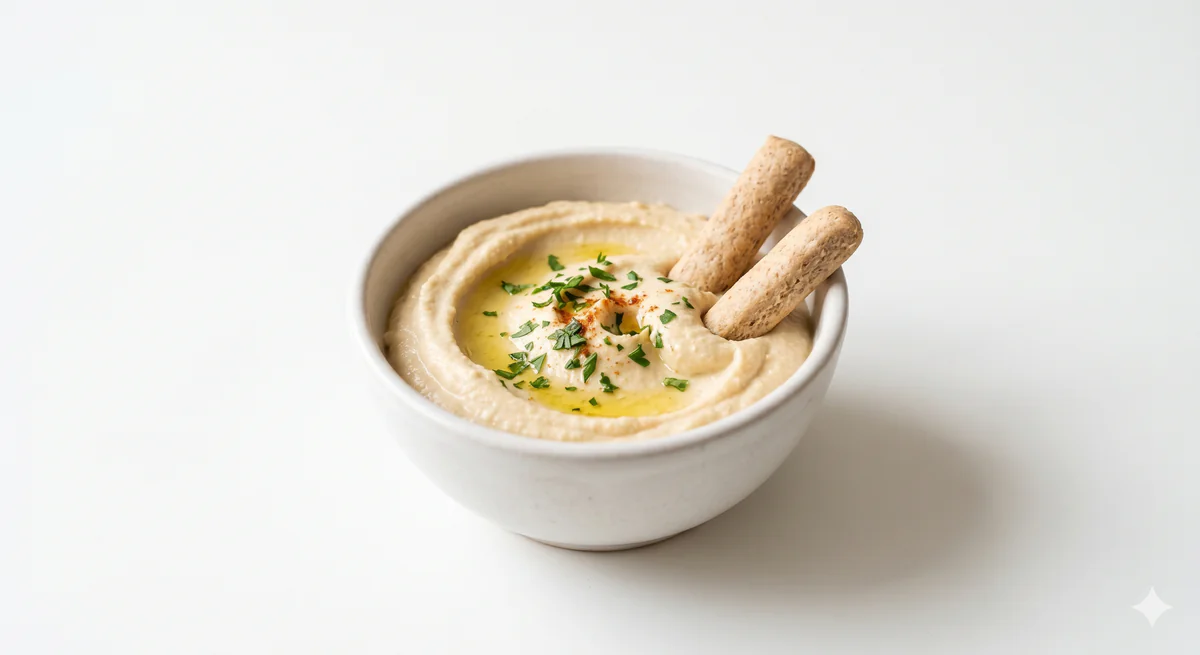
For babies 8-12 months, cook green onions until very soft, then chop them into tiny pieces or thin strips. Mix them into mashed foods like potatoes, scrambled eggs, or rice to add flavor without large chunks. Ensure they're fully cooked to reduce fibrous texture.
8 to 12 months

For babies 8-12 months, cook green onions until very soft, then chop them into tiny pieces or thin strips. Mix them into mashed foods like potatoes, scrambled eggs, or rice to add flavor without large chunks. Ensure they're fully cooked to reduce fibrous texture.

  • Cook green onions until they're tender and easily mashed with a fork.
  • Chop into pieces no larger than a pea to prevent choking.
  • Combine with soft foods like avocado or yogurt to help babies manage the texture.
  • Start with small amounts to see how your baby tolerates the flavor.
  • Always supervise your baby closely during meals.
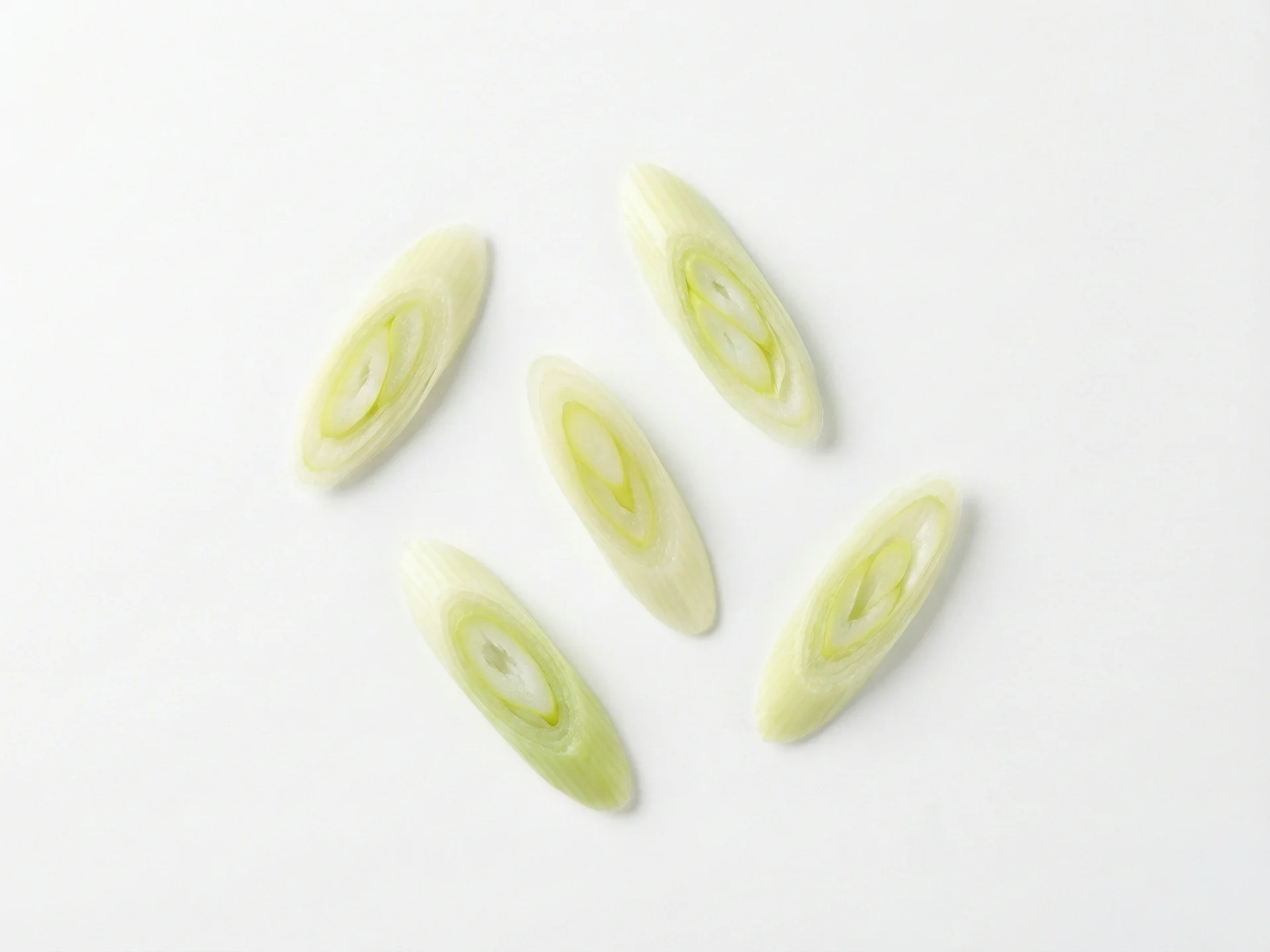
For toddlers 12 months and up, you can offer cooked green onions in slightly larger pieces, such as thin slices or small strips. They can also be lightly cooked and added to finger foods like omelets or stir-fries. Raw green onions may be introduced in very small, finely chopped amounts if your child handles textures well.
12 months +

For toddlers 12 months and up, you can offer cooked green onions in slightly larger pieces, such as thin slices or small strips. They can also be lightly cooked and added to finger foods like omelets or stir-fries. Raw green onions may be introduced in very small, finely chopped amounts if your child handles textures well.

  • Introduce raw green onions gradually, finely chopped and in small quantities.
  • Use green onions to flavor dishes like soups, noodles, or vegetable mixes.
  • Encourage self-feeding by offering green onions as part of a varied meal.
  • Monitor for any digestive discomfort, as onions can be gassy for some children.
  • Continue to avoid large or whole pieces to maintain safety.

Safety & allergens

Choking risk: Medium

Green onions can be slippery and stringy, which poses a choking risk if not prepared properly. Always cook them until very soft and chop finely for younger babies. For older babies, you can offer them cooked and cut into small, manageable pieces.

Not a common allergen

Green Onion is not a top allergen. As with any new food, offer it on its own and watch for any reaction.

Vitamins & minerals

Green onions provide vitamin C, which helps boost your baby's immune system and enhances iron absorption[1]. They also contain vitamin K, which is important for blood clotting[2], and folate (vitamin B9) that supports cell growth and development[3]. The iron content contributes to healthy blood cells[4], while potassium helps maintain fluid balance[5].

Vitamins
Vitamin VITAMIN AVitamin VITAMIN CVitamin VITAMIN KVitamin VITAMIN B9
Minerals
IronCalciumPotassiumManganese