FoodsVegetableBroccoli
Broccoli

Vegetable

Broccoli

Broccoli is a wonderful first food for your baby, offering a mild, slightly earthy flavor and a soft texture when cooked. It's packed with nutrients that support your baby's growth, including Vitamin C for immune health[1] and Vitamin K for healthy bones[2]. Plus, its natural fiber helps promote regular digestion[3].

6m+Not a common allergenChoking risk: Medium
First age6m+
CategoryVegetable
Common allergenNo
Choking riskMedium

When can babies eat Broccoli?

You can introduce broccoli around 6 months when your baby starts solids. It's a great early vegetable because it's easy to puree and mix with other foods.

How to serve Broccoli by age

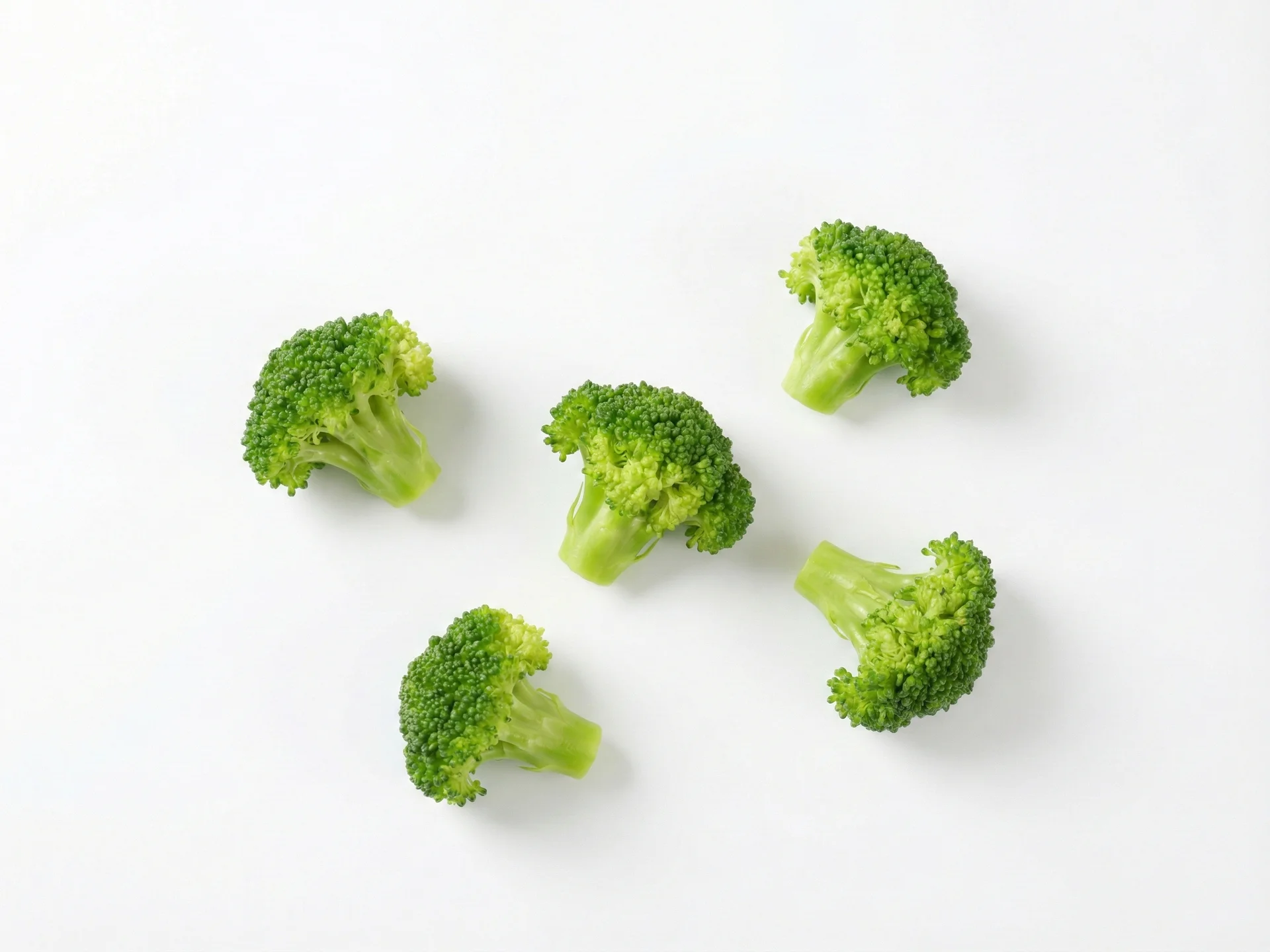
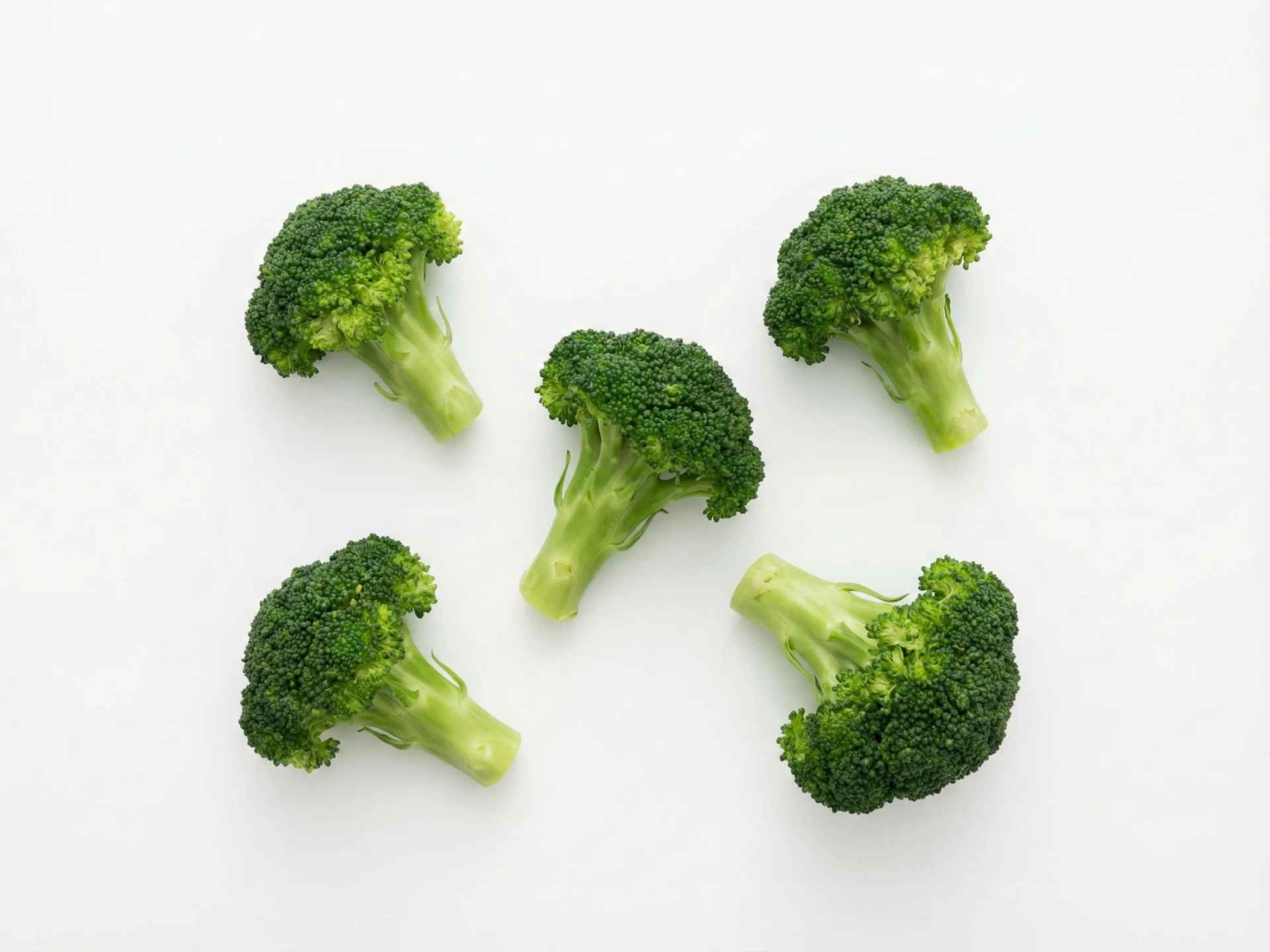
Steam or boil broccoli until very soft - it should mash easily between your fingers. Cut florets into large, spear-shaped pieces about the size of two adult fingers together, with the stem acting as a natural handle. This allows your baby to grasp it easily while practicing their palmar grasp.
6 to 9 months

Steam or boil broccoli until very soft - it should mash easily between your fingers. Cut florets into large, spear-shaped pieces about the size of two adult fingers together, with the stem acting as a natural handle. This allows your baby to grasp it easily while practicing their palmar grasp.

  • Cook until fork-tender - test by pressing between your fingers
  • Leave some stem attached for easier gripping
  • Let cool completely before serving
  • Offer 2-3 spears at a time
  • Don't worry if they mostly suck on it - that's part of learning
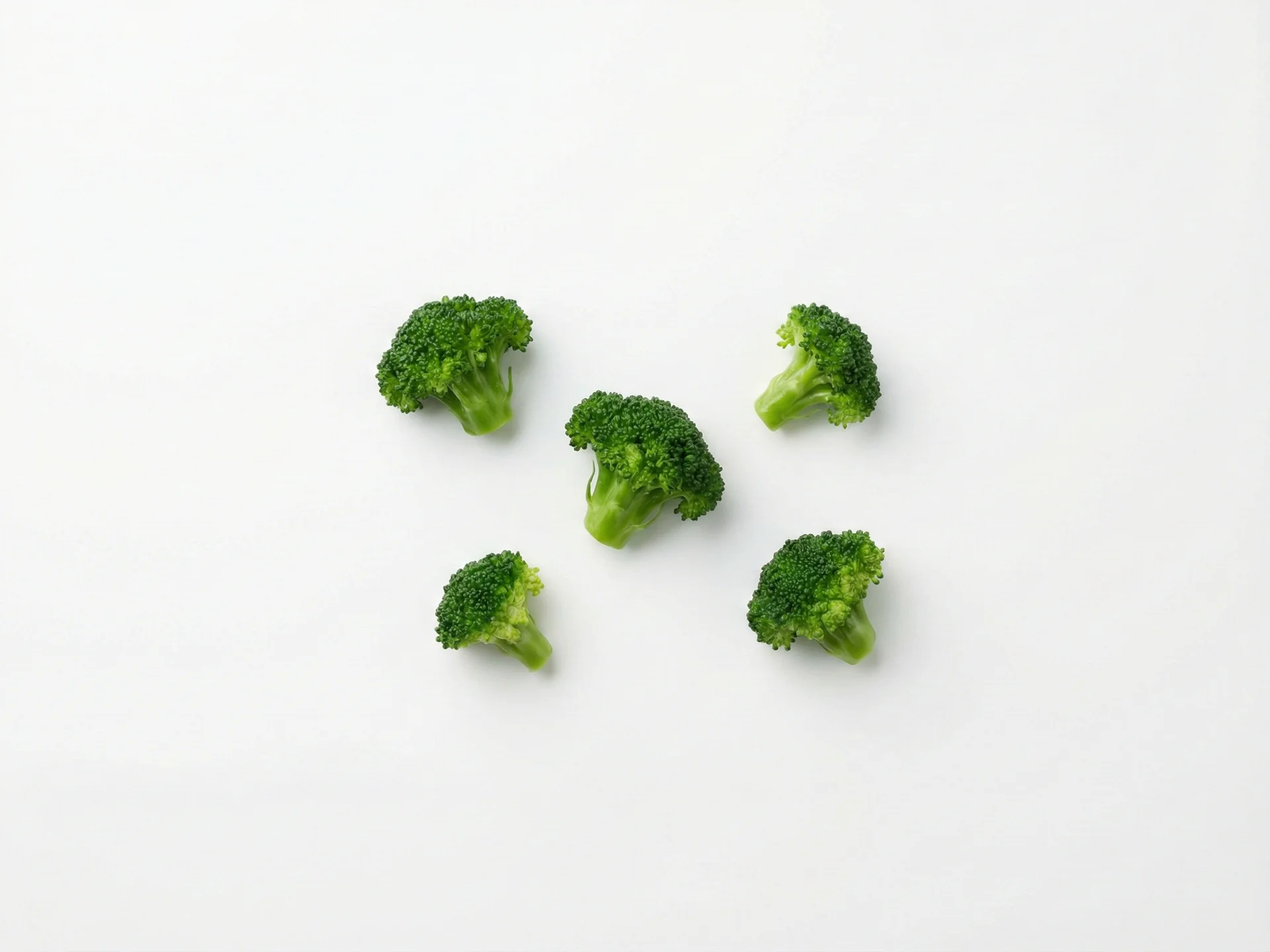
Continue cooking broccoli until soft, but you can make pieces slightly smaller as your baby develops their pincer grasp. Cut florets into bite-sized pieces (about the size of a pea) or continue with spears if your baby prefers. You can also mix cooked broccoli into other foods.
9 to 12 months

Continue cooking broccoli until soft, but you can make pieces slightly smaller as your baby develops their pincer grasp. Cut florets into bite-sized pieces (about the size of a pea) or continue with spears if your baby prefers. You can also mix cooked broccoli into other foods.

  • Offer both spears and small pieces to practice different grasps
  • Try roasting with a little olive oil for different flavor
  • Mix with mashed potatoes or grains
  • Watch for improved chewing skills
  • Include in mixed vegetable medleys
Your toddler can now handle firmer textures. You can serve broccoli lightly steamed or even raw if cut very small. Include broccoli in family meals like stir-fries, casseroles, or as a side dish. Continue to monitor chewing, especially with raw pieces.
12 months +

Your toddler can now handle firmer textures. You can serve broccoli lightly steamed or even raw if cut very small. Include broccoli in family meals like stir-fries, casseroles, or as a side dish. Continue to monitor chewing, especially with raw pieces.

  • Introduce raw broccoli in very small, rice-sized pieces
  • Include in family meals to encourage modeling
  • Try different cooking methods: steaming, roasting, sautéing
  • Offer with dips like hummus or yogurt
  • Let them help prepare - washing florets is fun!

Safety & allergens

Choking risk: Medium

Broccoli florets can be a choking hazard if served whole or in large pieces. Always cook until very soft and cut into small, manageable pieces appropriate for your baby's age. For younger babies, puree or mash thoroughly to eliminate any firm bits.

Not a common allergen

Broccoli is not a top allergen. As with any new food, offer it on its own and watch for any reaction.

Vitamins & minerals

Broccoli is a nutritional powerhouse for babies. Its high Vitamin C content helps boost iron absorption from plant-based foods[4], which is important for preventing anemia. The Vitamin K supports bone development[2], and the fiber aids in healthy digestion[3].

Vitamins
Vitamin VITAMIN CVitamin VITAMIN KVitamin VITAMIN AVitamin VITAMIN B9
Minerals
IronCalciumPotassiumPhosphorus