FoodsHerb / SpiceVanille
Vanille

Herb / Spice

Vanille

Vanilla adds a sweet, warm flavor that can make baby foods more enticing without adding sugar. It's a wonderful way to introduce your little one to a classic taste they'll enjoy in many foods as they grow.

6m+Not a common allergenChoking risk: Low
First age6m+
CategoryHerb / Spice
Common allergenNo
Choking riskLow

When can babies eat Vanille?

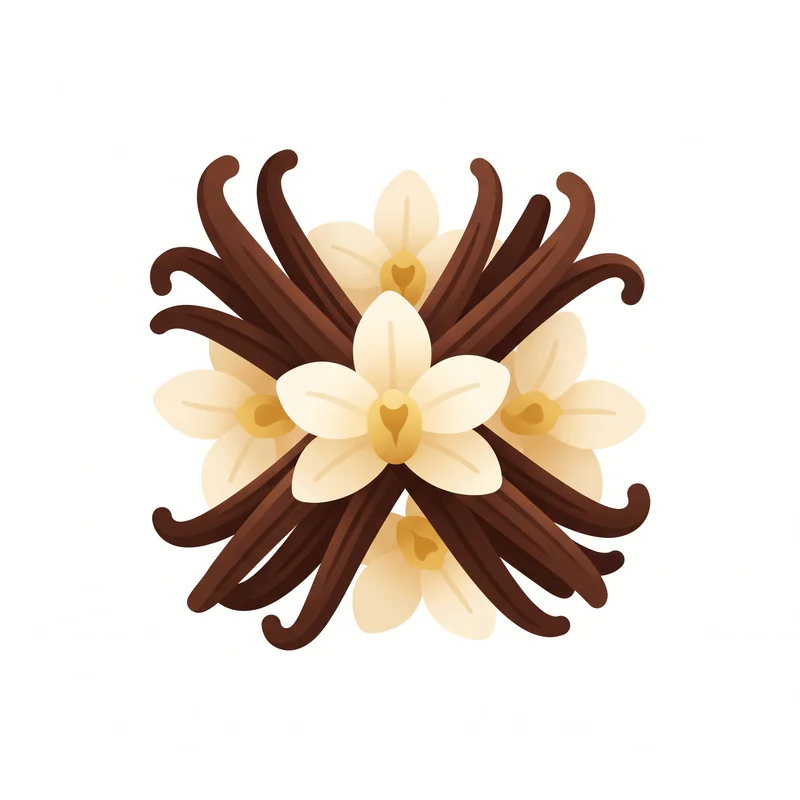
Vanilla can be introduced around 6 months when your baby starts solids. Use a small amount of pure vanilla extract (alcohol-free) or the seeds from a vanilla bean to flavor purees and other dishes.

How to serve Vanille by age

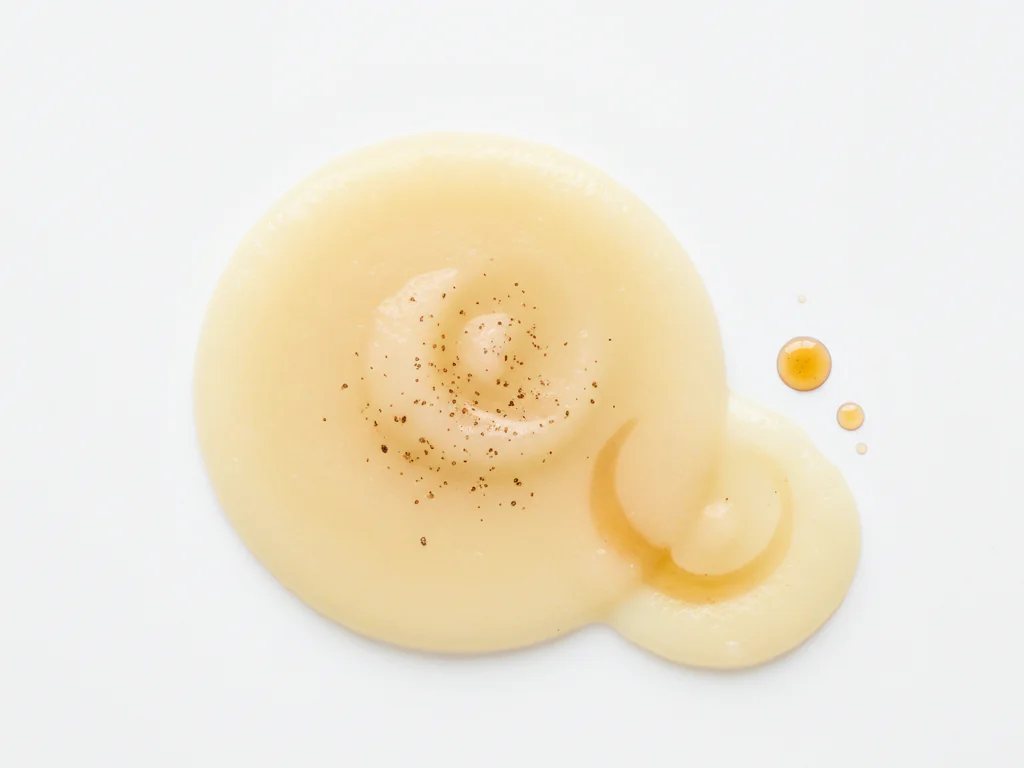
For young babies, add a small amount of vanilla seeds or alcohol-free extract to smooth fruit purees like apple or pear. Start with just a pinch to introduce the flavor.
6 to 9 months

For young babies, add a small amount of vanilla seeds or alcohol-free extract to smooth fruit purees like apple or pear. Start with just a pinch to introduce the flavor.

  • Use only a tiny amount—1/8 teaspoon per serving.
  • Choose alcohol-free vanilla extract or scrape seeds from a vanilla bean.
  • Mix into a single-ingredient puree your baby already enjoys.
  • Avoid adding vanilla to foods your baby hasn't tried yet.
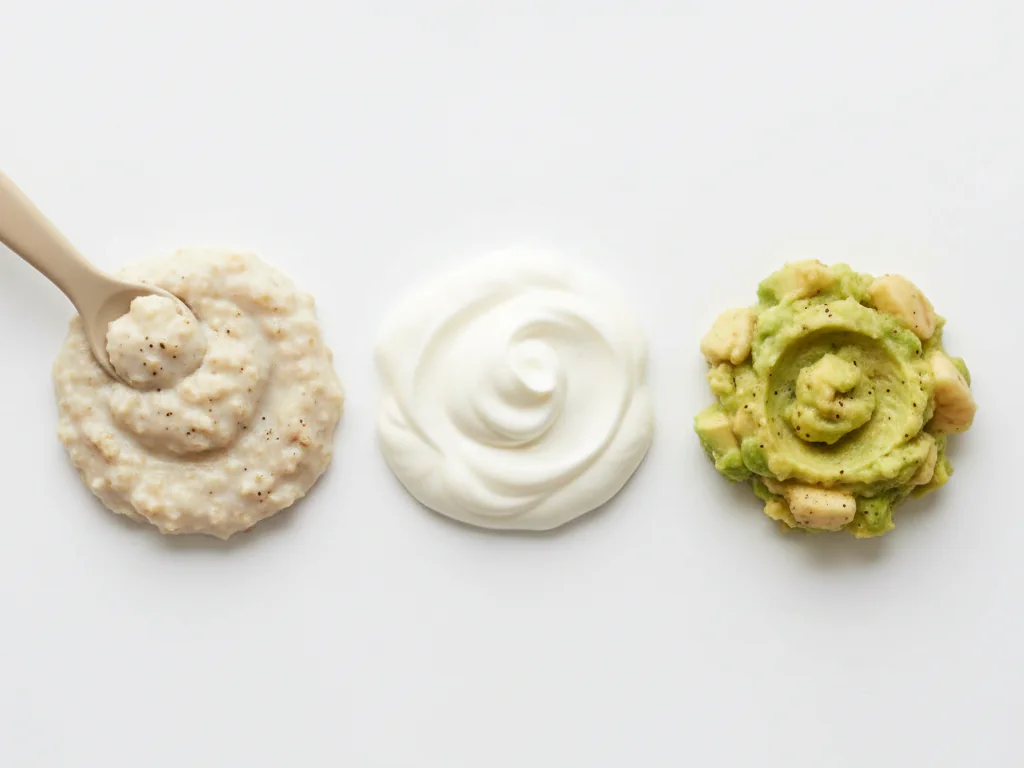
At this stage, you can blend vanilla into thicker purees, oatmeal, or yogurt. It also works well in mashed soft fruits like banana or avocado.
9 to 12 months

At this stage, you can blend vanilla into thicker purees, oatmeal, or yogurt. It also works well in mashed soft fruits like banana or avocado.

  • Combine vanilla with cinnamon or nutmeg for extra flavor.
  • Mix into plain full-fat yogurt or cottage cheese.
  • Add to oatmeal or rice cereal for a comforting breakfast.
  • Use vanilla to enhance the taste of veggies like sweet potato or carrot.
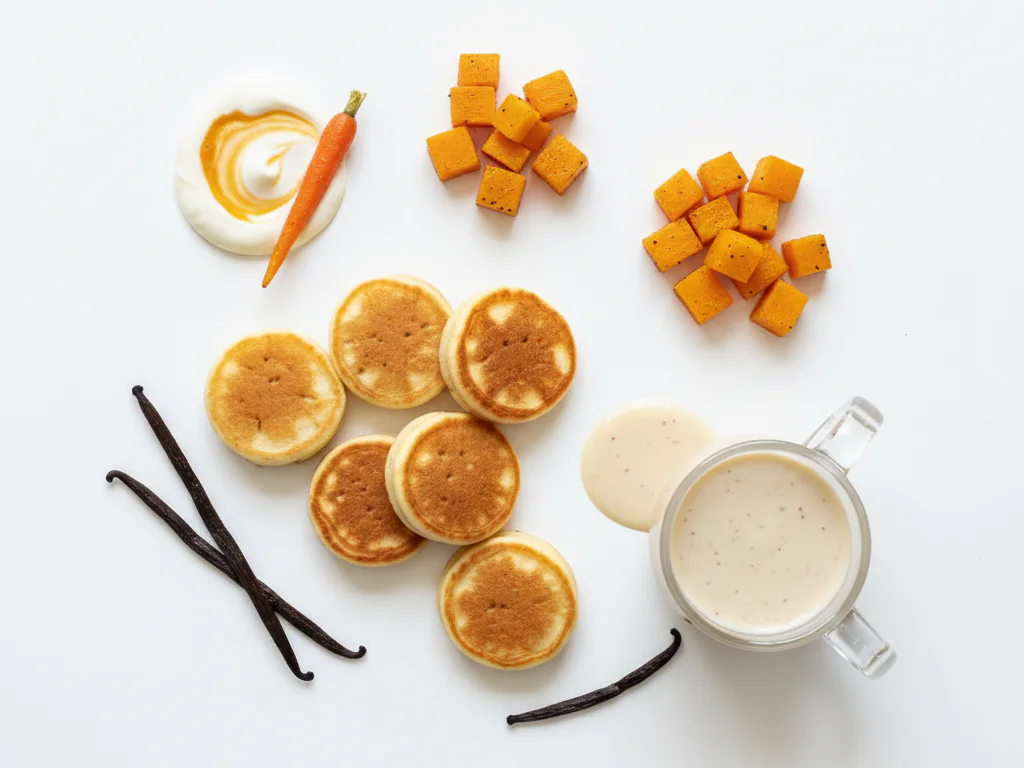
Toddlers can enjoy vanilla in baked goods like muffins or pancakes, or stirred into smoothies. You can also use it in savory dishes like roasted carrots or butternut squash soup.
12 months +

Toddlers can enjoy vanilla in baked goods like muffins or pancakes, or stirred into smoothies. You can also use it in savory dishes like roasted carrots or butternut squash soup.

  • Add vanilla to pancake or waffle batter for a treat.
  • Stir into smoothies with banana and milk.
  • Use in no-sugar-added baked goods like teething biscuits.
  • Experiment with vanilla in savory pureed soups.

Safety & allergens

Choking risk: Low

Vanilla pods are a choking hazard, but the small seeds inside are safe. Always scrape out the seeds and discard the pod before adding to food. If using extract, it's perfectly safe.

Not a common allergen

Vanille is not a top allergen. As with any new food, offer it on its own and watch for any reaction.

Vitamins & minerals

Vanilla is not a significant source of vitamins or minerals, but its primary benefit is adding flavor without sugar or artificial ingredients. It can help make healthy foods more appealing to babies.

Pairs well with