FoodsDairyPetit-Suisse
Petit-Suisse

Dairy

Petit-Suisse

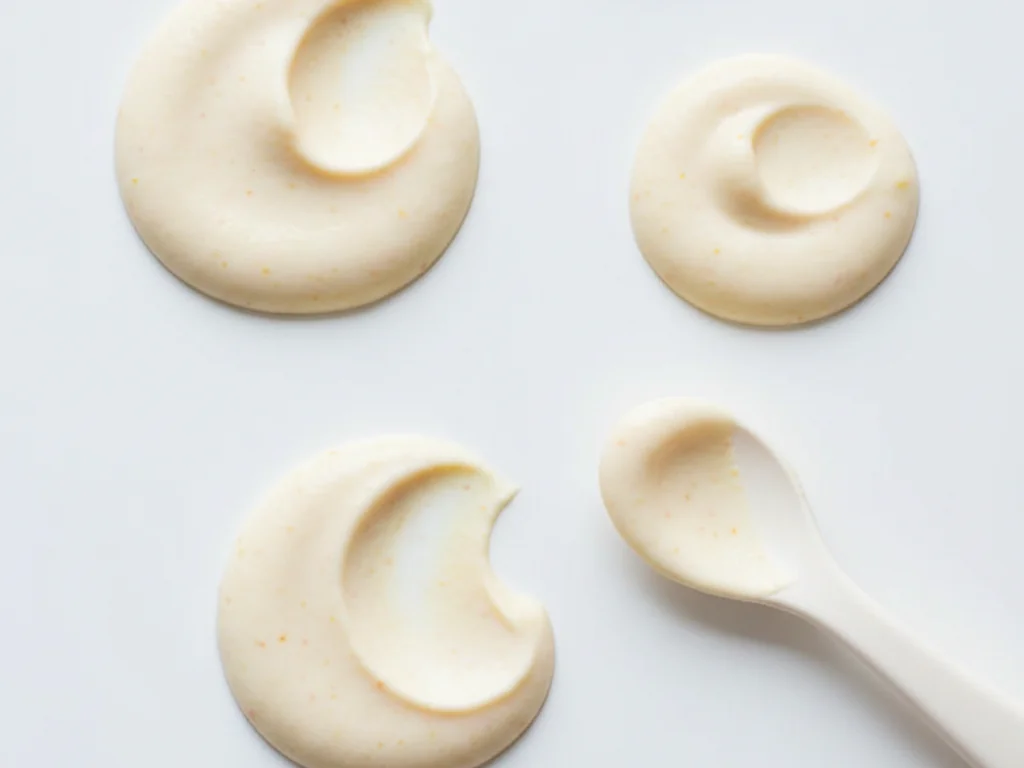
Petit-Suisse is a creamy, mild French-style fresh cheese that's a wonderful first dairy for babies. Its smooth texture and slightly tangy flavor make it easy for little ones to enjoy, while providing essential nutrients like calcium for strong bones and protein for growth.[1] It's also a great source of vitamin B12, which supports healthy brain development.[2]

6m+Common allergenChoking risk: Low
First age6m+
CategoryDairy
Common allergenYes
Choking riskLow

When can babies eat Petit-Suisse?

You can introduce Petit-Suisse around 6 months when starting solids, as long as your baby shows readiness signs like sitting with support and showing interest in food.

How to serve Petit-Suisse by age

For beginners, mix Petit-Suisse with breast milk, formula, or a fruit/vegetable puree to create a smooth, runny consistency. Serve small spoonfuls to let your baby explore the taste and texture.
6 to 9 months

For beginners, mix Petit-Suisse with breast milk, formula, or a fruit/vegetable puree to create a smooth, runny consistency. Serve small spoonfuls to let your baby explore the taste and texture.

  • Start with 1-2 teaspoons mixed into a familiar puree.
  • Ensure no lumps for easy swallowing.
  • Offer at room temperature for better acceptance.
  • Watch for any signs of digestive discomfort.
  • Keep sessions relaxed and positive.

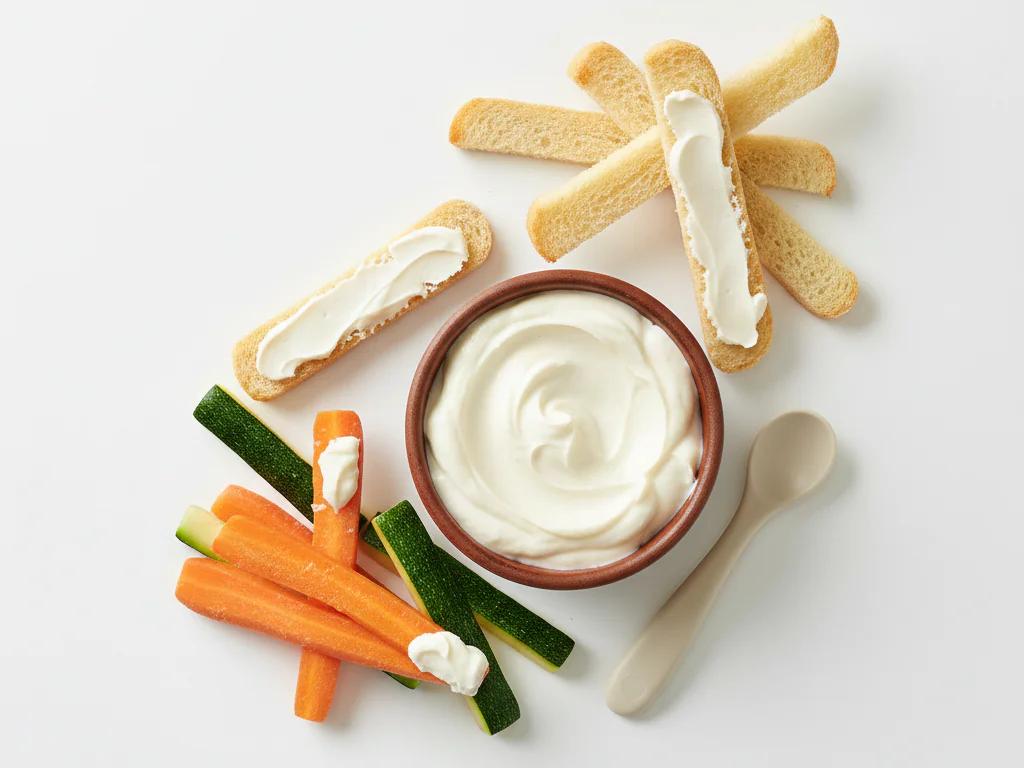
Serve Petit-Suisse slightly thicker as a dip or spread. You can offer it on its own in a bowl for self-feeding with a spoon, or spread it on soft toast strips or steamed vegetable sticks.
9 to 12 months

Serve Petit-Suisse slightly thicker as a dip or spread. You can offer it on its own in a bowl for self-feeding with a spoon, or spread it on soft toast strips or steamed vegetable sticks.

  • Encourage self-feeding with a baby-safe spoon.
  • Mix with mashed fruits like banana or avocado.
  • Use as a topping for soft-cooked grains.
  • Avoid adding salt or sugar.
  • Supervise closely during feeding.
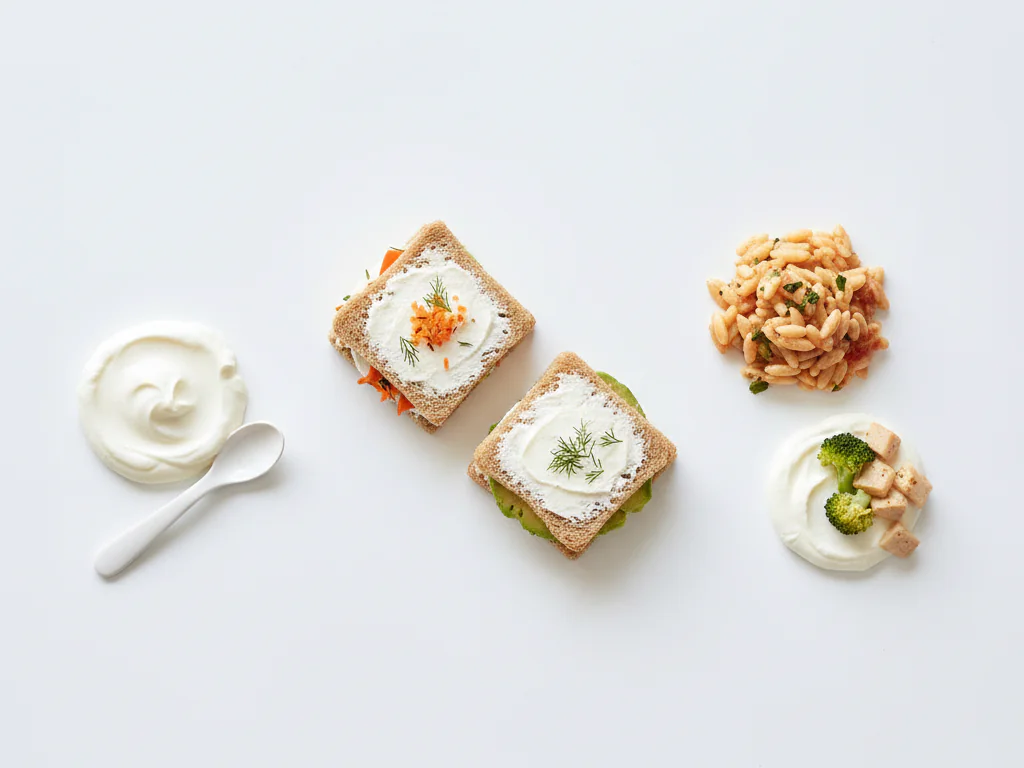
Toddlers can enjoy Petit-Suisse as a snack or part of meals. Serve it plain, in sandwiches, or as a base for savory dips. It's also great in smoothies or as a creamy addition to pasta sauces.
12 months +

Toddlers can enjoy Petit-Suisse as a snack or part of meals. Serve it plain, in sandwiches, or as a base for savory dips. It's also great in smoothies or as a creamy addition to pasta sauces.

  • Offer as a healthy alternative to sugary snacks.
  • Combine with whole-grain crackers or bread.
  • Use in recipes like cheese sauces or spreads.
  • Store leftovers covered in the fridge.
  • Involve your toddler in preparing simple recipes.

Safety & allergens

Choking risk: Low

Petit-Suisse is naturally soft and creamy, so it poses minimal choking risk. For younger babies, serve it plain or mixed into purees to ensure a smooth texture. As babies get older, you can offer it as a spread or dip for soft fruits or toast strips.

Common allergen

Introduce on its own and watch closely for any signs of a reaction.

Vitamins & minerals

Petit-Suisse is rich in calcium, which is crucial for building strong bones and teeth in growing babies.[3] It also provides phosphorus, which works with calcium for bone health, and vitamin A, important for vision and immune function.[4] The protein in Petit-Suisse helps support muscle development and overall growth.[1]

Vitamins
Vitamin VITAMIN AVitamin VITAMIN B2Vitamin VITAMIN B12
Minerals
CalciumPhosphorus

Pairs well with