FoodsProteinSardines
Sardines

Protein

Sardines

Sardines are a nutritional powerhouse for your little one, packed with essential nutrients that support their rapid growth and development. Their soft, flaky texture makes them easy for babies to eat, and they have a mild, savory flavor that many babies enjoy. Rich in omega-3 fatty acids, they support brain development and healthy vision.[1]

6m+Common allergenChoking risk: Low
First age6m+
CategoryProtein
Common allergenYes
Choking riskLow

When can babies eat Sardines?

You can introduce sardines around 6 months when starting solids, as they're soft and easy to mash. Many pediatricians recommend introducing fish early to help reduce allergy risk.[2]

How to serve Sardines by age

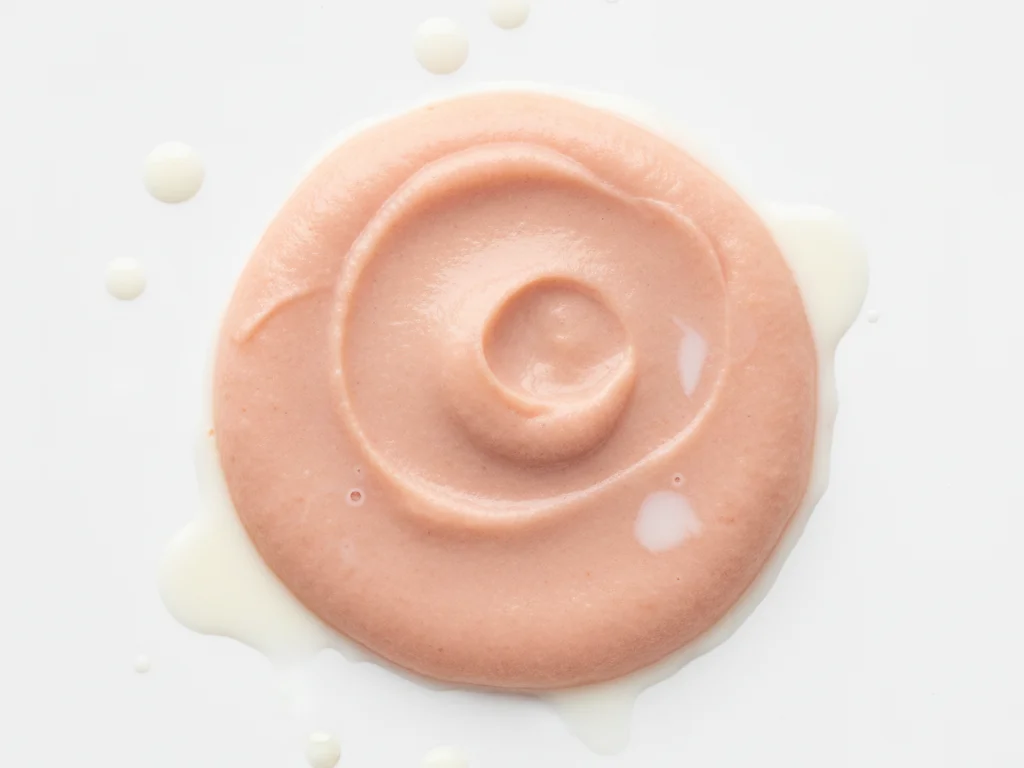
Mash sardines thoroughly with a fork until completely smooth, removing any hard bones. Mix with breast milk, formula, or a vegetable puree to create a thin, smooth consistency that's easy for your baby to swallow.
6 to 9 months

Mash sardines thoroughly with a fork until completely smooth, removing any hard bones. Mix with breast milk, formula, or a vegetable puree to create a thin, smooth consistency that's easy for your baby to swallow.

  • Use canned sardines packed in water for easiest mashing
  • Mix with avocado or sweet potato for a creamier texture
  • Start with just 1-2 teaspoons mixed into familiar foods
  • Check carefully for any remaining small bones
  • Serve at room temperature for best acceptance
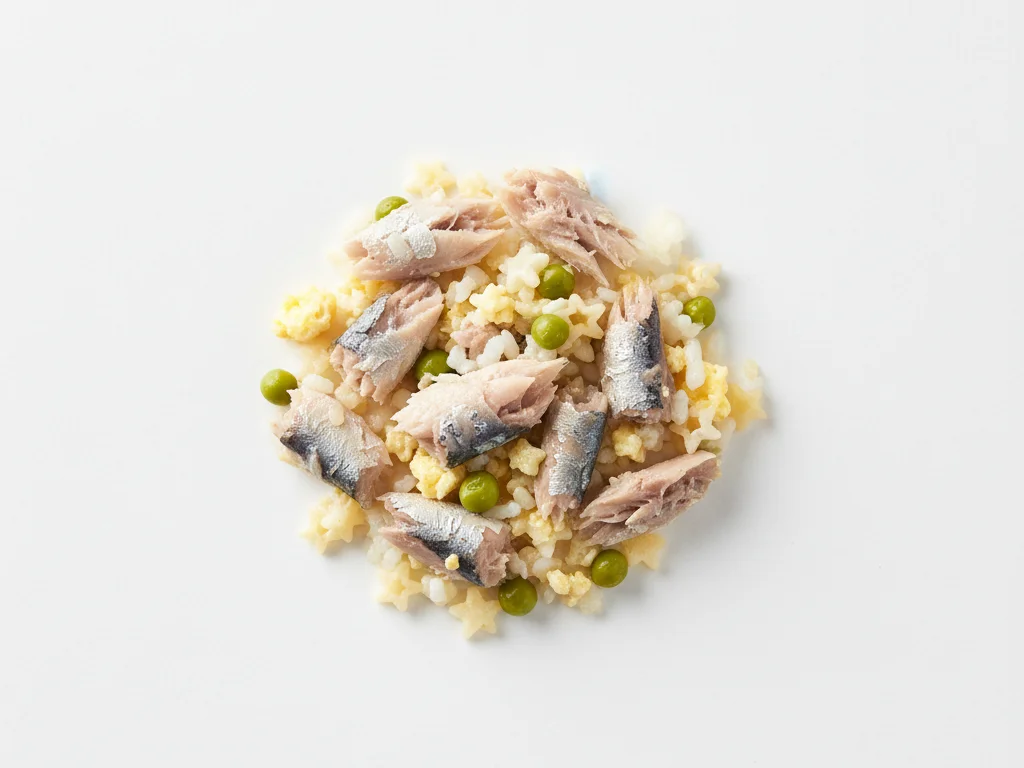
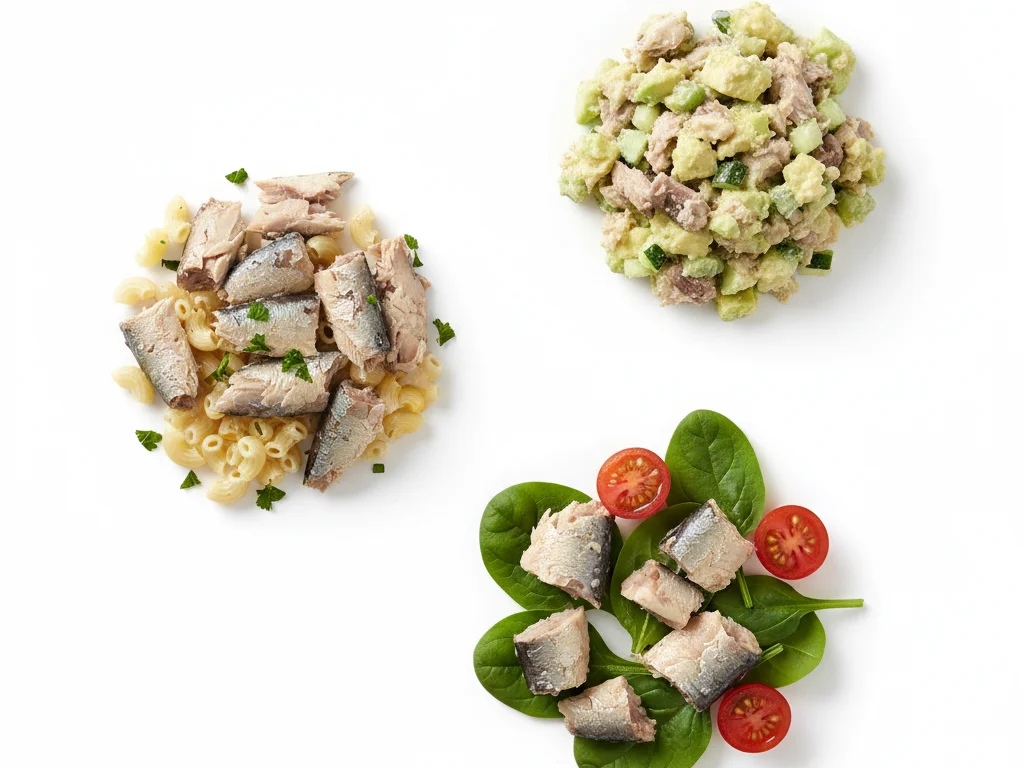
Flake sardines into very small, soft pieces that your baby can pick up with their fingers. The pieces should be about the size of a pea or smaller. You can mix them into scrambled eggs, pasta, or rice for added nutrition.
9 to 12 months

Flake sardines into very small, soft pieces that your baby can pick up with their fingers. The pieces should be about the size of a pea or smaller. You can mix them into scrambled eggs, pasta, or rice for added nutrition.

  • Let your baby practice picking up the small flakes with their fingers
  • Mix with cooked quinoa or soft rice for texture variety
  • Add to vegetable patties or fritters for easy handling
  • Combine with mashed potatoes for a complete meal
  • Offer alongside favorite finger foods to encourage trying
Serve sardines as part of family meals—flaked into pasta dishes, mixed into sandwiches, or as a protein topping for salads. Your toddler can now handle slightly larger, soft pieces and enjoy sardines in various preparations.
12 months +

Serve sardines as part of family meals—flaked into pasta dishes, mixed into sandwiches, or as a protein topping for salads. Your toddler can now handle slightly larger, soft pieces and enjoy sardines in various preparations.

  • Make sardine salad sandwiches with whole grain bread
  • Add to macaroni and cheese for a nutrition boost
  • Create fish cakes with mashed potatoes and herbs
  • Serve on whole grain crackers as a snack
  • Incorporate into family fish tacos or pasta bakes

Safety & allergens

Choking risk: Low

Sardines are naturally soft and flaky, making them low-risk for choking when prepared properly. For babies, always remove any small bones by mashing thoroughly or checking carefully. Serve mashed or flaked into tiny pieces mixed with other foods to ensure safe swallowing.

Common allergen

Fish allergies affect about 0.2-0.5% of children, with sardines being one of the less common fish allergens.[3]

Vitamins & minerals

Sardines provide excellent nutrition for growing babies. They're rich in calcium and vitamin D, which work together to build strong bones and teeth.[4] The iron content supports healthy blood development and prevents anemia,[5] while selenium supports immune function.[6]

Vitamins
Vitamin VITAMIN DVitamin VITAMIN B12
Minerals
CalciumIronSelenium

Pairs well with