FoodsGrainSpelt
Spelt

Grain

Spelt

Spelt is a nutritious ancient grain that's a wonderful addition to your baby's diet. It offers a nutty flavor and provides essential nutrients like iron for healthy blood cells[2] and magnesium for bone development[3]. Its gentle fiber content can help support regular digestion as your baby explores new foods.

6m+Common allergenChoking risk: Low
First age6m+
CategoryGrain
Common allergenYes
Choking riskLow

When can babies eat Spelt?

Spelt can be introduced around 6 months when your baby starts solids, but since it contains gluten, it's best to introduce it after your baby has tried a few single-ingredient foods first.

How to serve Spelt by age

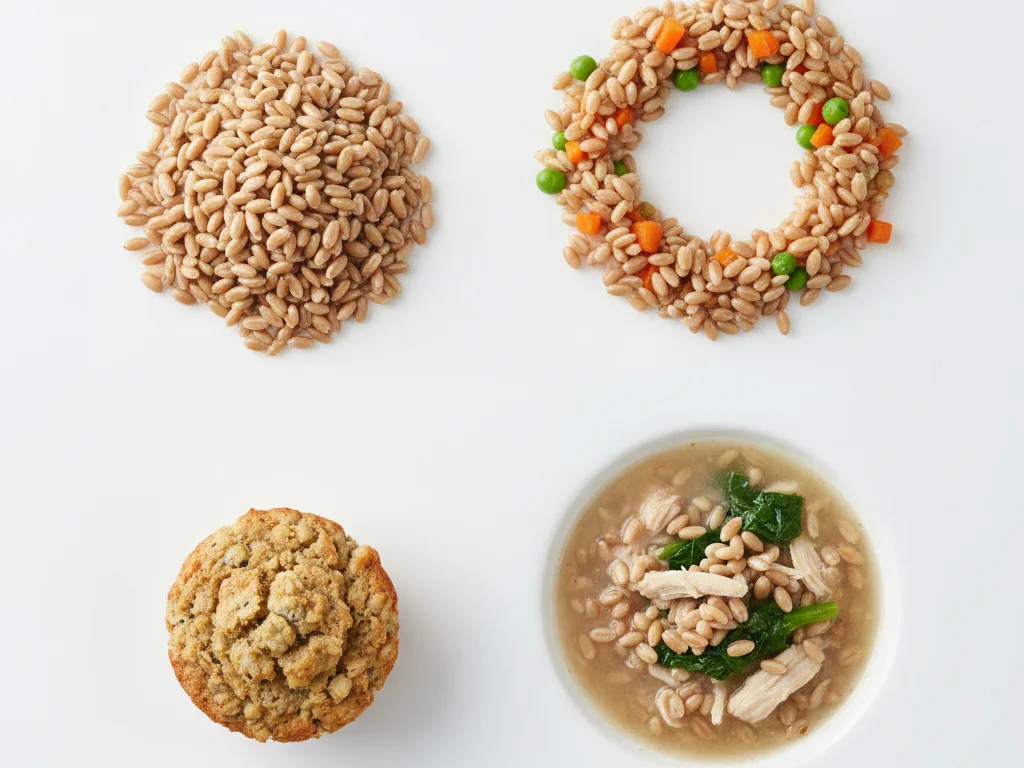
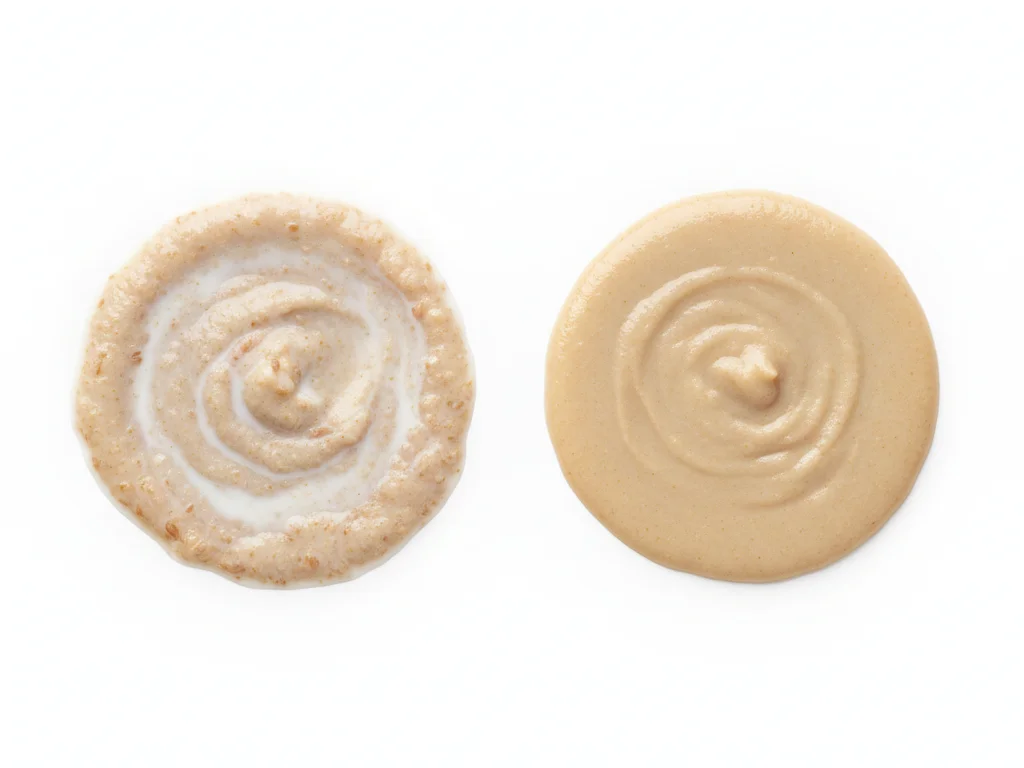
Cook spelt berries until very soft (45-60 minutes) and puree with breast milk, formula, or water to create a smooth, thin cereal. Alternatively, use spelt flour to make a thin porridge by mixing with liquid and cooking for 5-10 minutes until completely smooth.
6 to 9 months

Cook spelt berries until very soft (45-60 minutes) and puree with breast milk, formula, or water to create a smooth, thin cereal. Alternatively, use spelt flour to make a thin porridge by mixing with liquid and cooking for 5-10 minutes until completely smooth.

  • Start with 1-2 teaspoons mixed into familiar purees
  • Ensure no whole grains remain - blend thoroughly
  • Make it very thin initially, like runny oatmeal
  • Mix with sweet potato or banana for familiar flavors
  • Always test temperature before serving
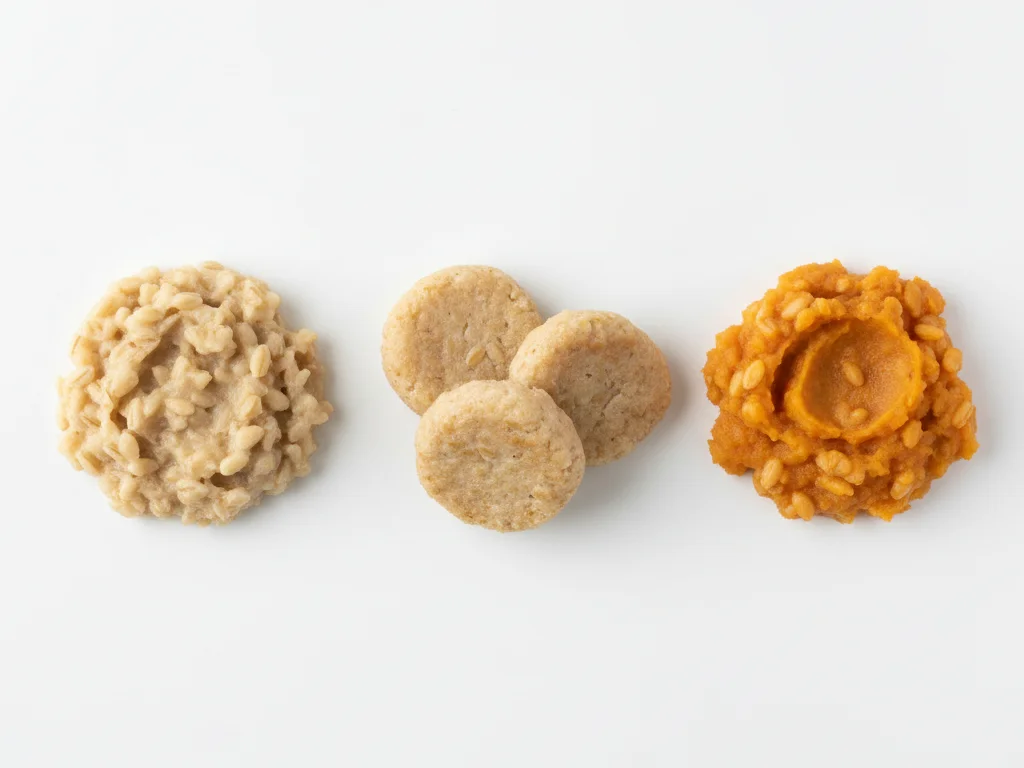
Cook spelt until tender but still with some texture. Mash with a fork or blend briefly for a thicker, lumpier consistency. You can also make soft spelt patties or mix cooked spelt into vegetable mashes.
9 to 12 months

Cook spelt until tender but still with some texture. Mash with a fork or blend briefly for a thicker, lumpier consistency. You can also make soft spelt patties or mix cooked spelt into vegetable mashes.

  • Encourage self-feeding with soft spelt patties
  • Mix with mashed avocado for healthy fats
  • Combine with soft-cooked vegetables
  • Offer as finger food in small, soft clumps
  • Watch for chewing readiness before advancing texture
Serve fully cooked spelt as a side dish or in recipes. Your toddler can enjoy spelt in pilafs, mixed into soups, or as part of baked goods. Ensure grains are fully cooked but can have more distinct texture.
12 months +

Serve fully cooked spelt as a side dish or in recipes. Your toddler can enjoy spelt in pilafs, mixed into soups, or as part of baked goods. Ensure grains are fully cooked but can have more distinct texture.

  • Use in homemade muffins or pancakes
  • Mix with beans or lentils for protein-rich meals
  • Add to vegetable soups for extra nutrition
  • Make spelt 'risotto' with soft vegetables
  • Always supervise while eating

Safety & allergens

Choking risk: Low

Spelt presents minimal choking risk when prepared appropriately. For babies, always serve it cooked to a very soft, mushy texture—never raw or undercooked. Mix it into purees or mash it thoroughly until no hard grains remain.

Common allergen

Wheat allergy affects about 0.5-1% of children[4], and spelt contains gluten proteins similar to those in wheat.

Vitamins & minerals

Spelt provides important minerals for your baby's growth. It contains iron, which helps transport oxygen in the blood[2], and magnesium, which supports bone development and muscle function[3]. The potassium in spelt helps maintain healthy fluid balance[5], while phosphorus contributes to strong bones[6].

Vitamins
Vitamin VITAMIN EVitamin THIAMINVitamin RIBOFLAVINVitamin NIACINVitamin VITAMIN B6Vitamin FOLATE
Minerals
IronMagnesiumPhosphorusPotassiumZincSelenium

Pairs well with