FoodsSeedTahini
Tahini

Seed

Tahini

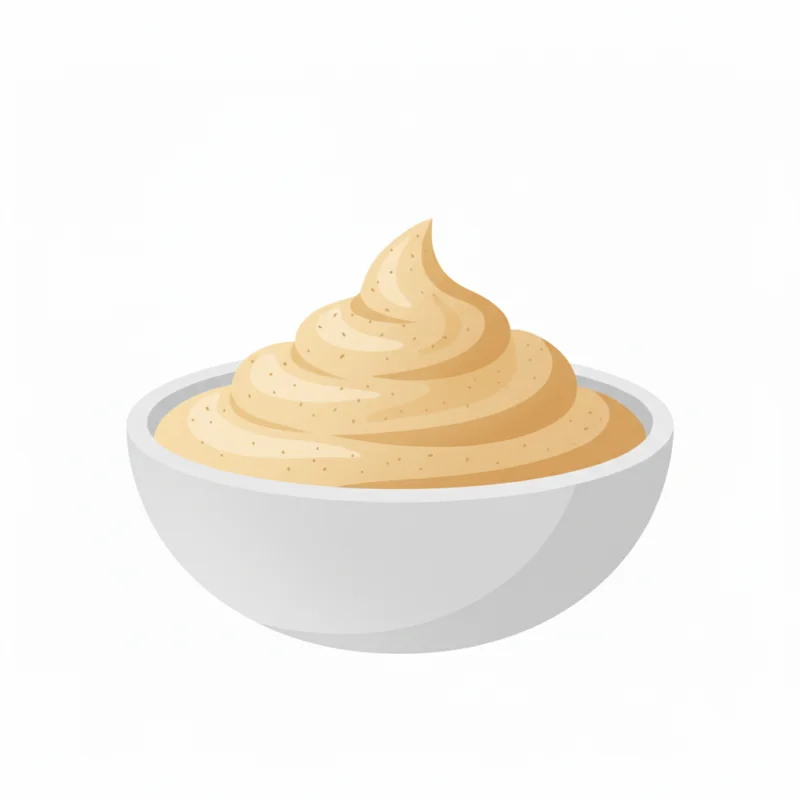
Tahini is a creamy paste made from ground sesame seeds that adds a nutty, savory flavor to baby foods. It's packed with healthy fats for brain development and essential minerals like calcium and iron that support growing bones and healthy blood.[3][4][5] This versatile ingredient can help make vegetables and grains more appealing to little taste buds.

6m+Common allergenChoking risk: Low
First age6m+
CategorySeed
Common allergenYes
Choking riskLow

When can babies eat Tahini?

Tahini can be introduced around 6 months when starting solids, but because sesame is a common allergen, it's important to introduce it carefully.

How to serve Tahini by age

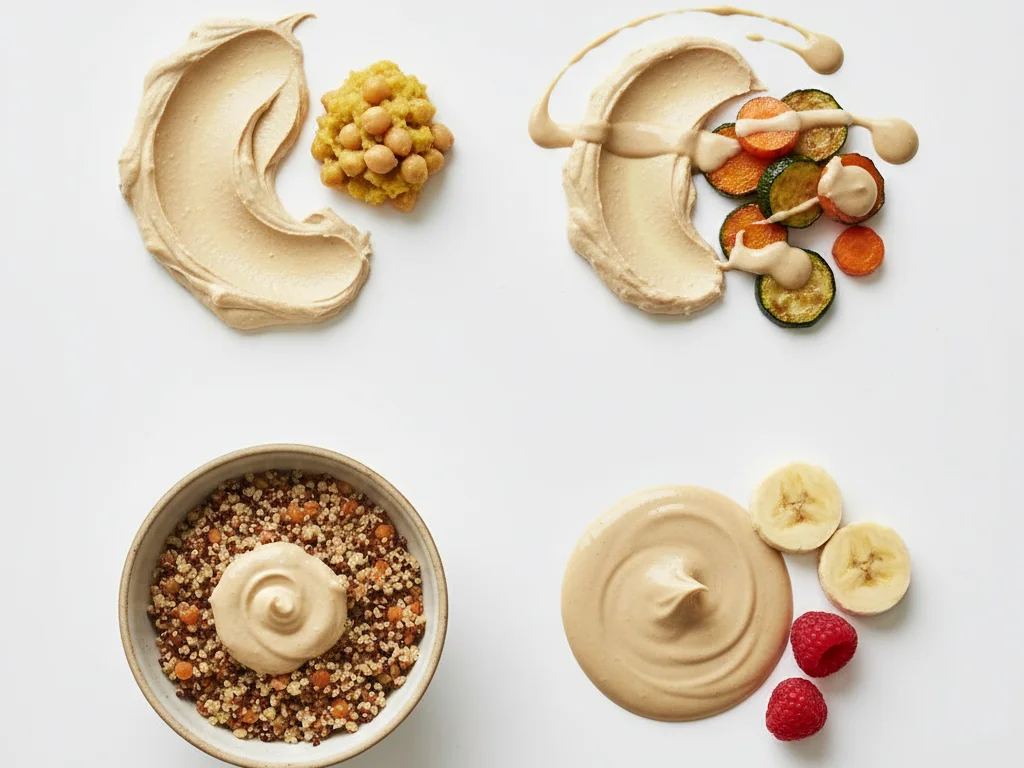
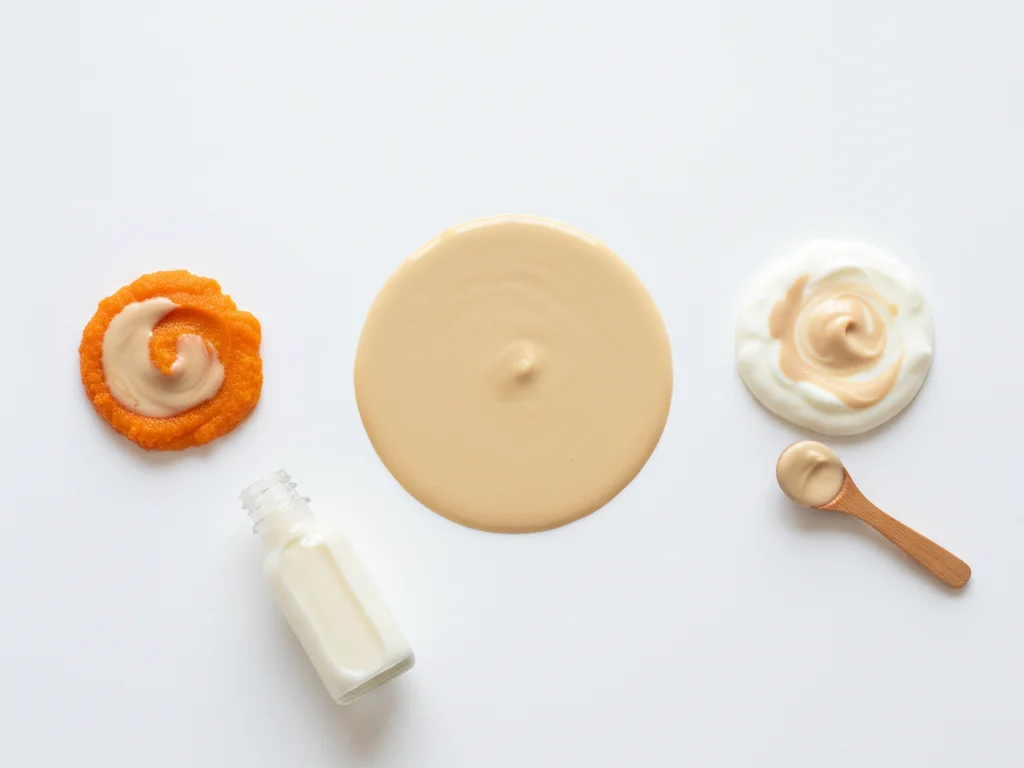
Thin tahini with breast milk, formula, or water to a smooth, runny consistency. Mix ¼-½ teaspoon into vegetable purees, oatmeal, or yogurt. The texture should be completely smooth with no lumps.
6 to 9 months

Thin tahini with breast milk, formula, or water to a smooth, runny consistency. Mix ¼-½ teaspoon into vegetable purees, oatmeal, or yogurt. The texture should be completely smooth with no lumps.

  • Start with just ¼ teaspoon mixed into 2-3 tablespoons of another food
  • Thin with liquid until it pours easily off a spoon
  • Mix thoroughly to avoid any clumps
  • Serve at room temperature for best texture
  • Combine with sweet vegetables like sweet potato or carrot for easier acceptance
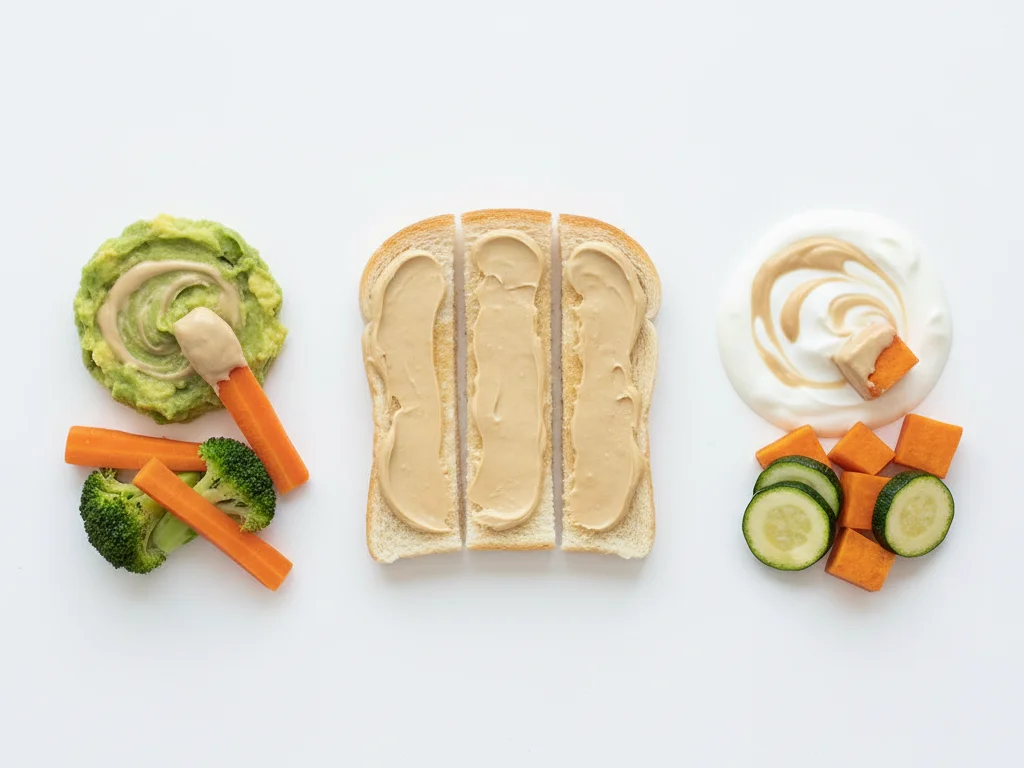
Use tahini as a spread on soft toast fingers or mix into thicker mashes and finger foods. You can make a simple sauce by combining tahini with yogurt or avocado for dipping soft vegetables.
9 to 12 months

Use tahini as a spread on soft toast fingers or mix into thicker mashes and finger foods. You can make a simple sauce by combining tahini with yogurt or avocado for dipping soft vegetables.

  • Spread a thin layer on soft toast strips or rice cakes
  • Mix into mashed beans or lentils for extra creaminess
  • Combine with mashed avocado for a nutrient-packed spread
  • Use as a binder in meatballs or veggie patties
  • Offer as a dip for soft-cooked vegetable sticks
Tahini can be used in various family meals—add to smoothies, salad dressings, or sauces. Your toddler can enjoy it in hummus, drizzled over roasted vegetables, or mixed into grain bowls.
12 months +

Tahini can be used in various family meals—add to smoothies, salad dressings, or sauces. Your toddler can enjoy it in hummus, drizzled over roasted vegetables, or mixed into grain bowls.

  • Make simple hummus with chickpeas, tahini, and lemon
  • Add to smoothies for extra protein and healthy fats
  • Use in salad dressings thinned with water or lemon juice
  • Drizzle over roasted vegetables before serving
  • Mix into oatmeal or yogurt bowls for breakfast

Safety & allergens

Choking risk: Low

Tahini has a smooth, paste-like consistency that poses minimal choking risk when thinned appropriately. Always mix it with other foods like yogurt, purees, or oatmeal rather than serving it alone. For older babies, avoid serving sesame seeds whole as they can be a choking hazard.

Common allergen

Sesame allergy affects about 0.1-0.2% of children, making it one of the more common food allergies.[2]

Vitamins & minerals

Tahini provides excellent calcium for bone development[3][4] and iron for healthy blood cells.[5] It's also rich in healthy fats that support brain growth and contains magnesium and phosphorus that work with calcium for strong bones.[3][6] With 9.3g of fiber per 100g, it can support healthy digestion.

Vitamins
Vitamin VITAMIN B1Vitamin VITAMIN B2Vitamin VITAMIN B3Vitamin VITAMIN B6Vitamin VITAMIN E
Minerals
CalciumIronMagnesiumPhosphorusPotassiumZincCopperManganeseSelenium

Pairs well with