FoodsOtherBasil
Basil

Other

Basil

Basil is a fragrant herb that can introduce your baby to exciting new flavors while providing important nutrients. Its mild, slightly sweet taste pairs beautifully with many foods, making it a versatile addition to your baby's meals. Adding small amounts of basil can help expand your baby's palate and make mealtime more enjoyable.

6m+Not a common allergenChoking risk: Low
First age6m+
CategoryOther
Common allergenNo
Choking riskLow

When can babies eat Basil?

You can introduce basil around 6 months when starting solids, as it's generally safe and not a common allergen. Start with tiny amounts mixed into purees or soft foods to see how your baby reacts.

How to serve Basil by age

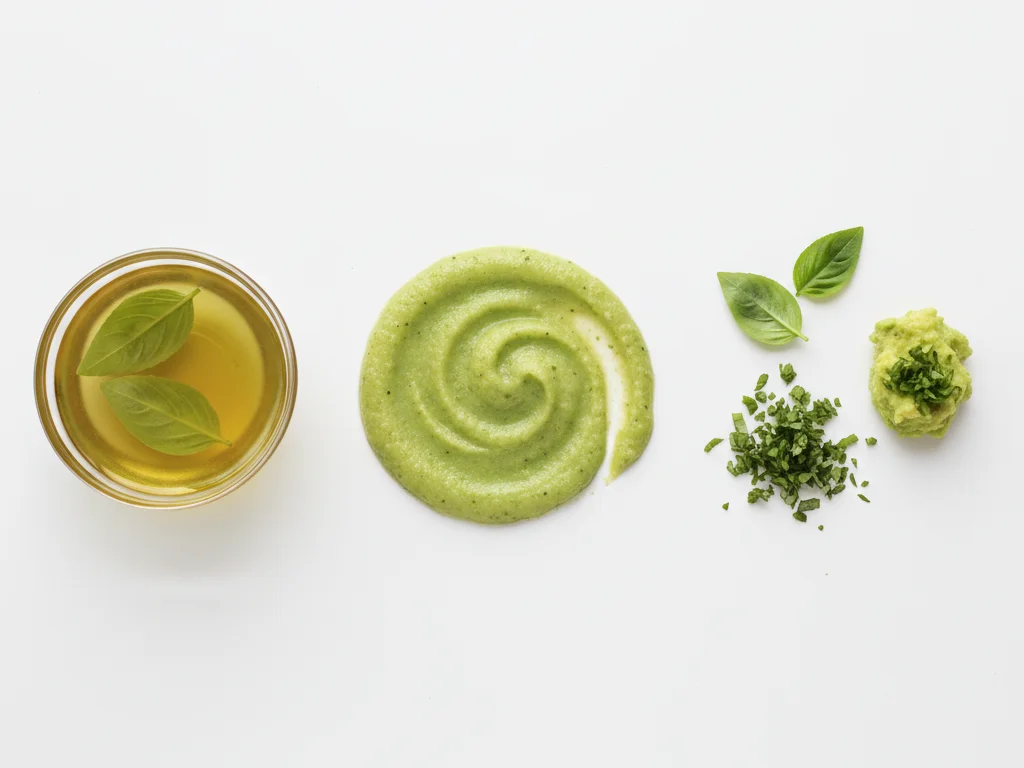
For beginners, puree fresh basil leaves with other soft foods like steamed vegetables, fruits, or cooked grains. You can also steep basil in warm water or broth and use the infused liquid to thin purees, adding flavor without texture.
6 to 9 months

For beginners, puree fresh basil leaves with other soft foods like steamed vegetables, fruits, or cooked grains. You can also steep basil in warm water or broth and use the infused liquid to thin purees, adding flavor without texture.

  • Wash basil leaves thoroughly under running water
  • Remove any tough stems before pureeing
  • Start with just 1-2 leaves mixed into 1/4 cup of other food
  • Mix basil with sweet vegetables like sweet potato or carrot to balance flavors
  • Use a fine mesh strainer if you want to remove any fibrous bits
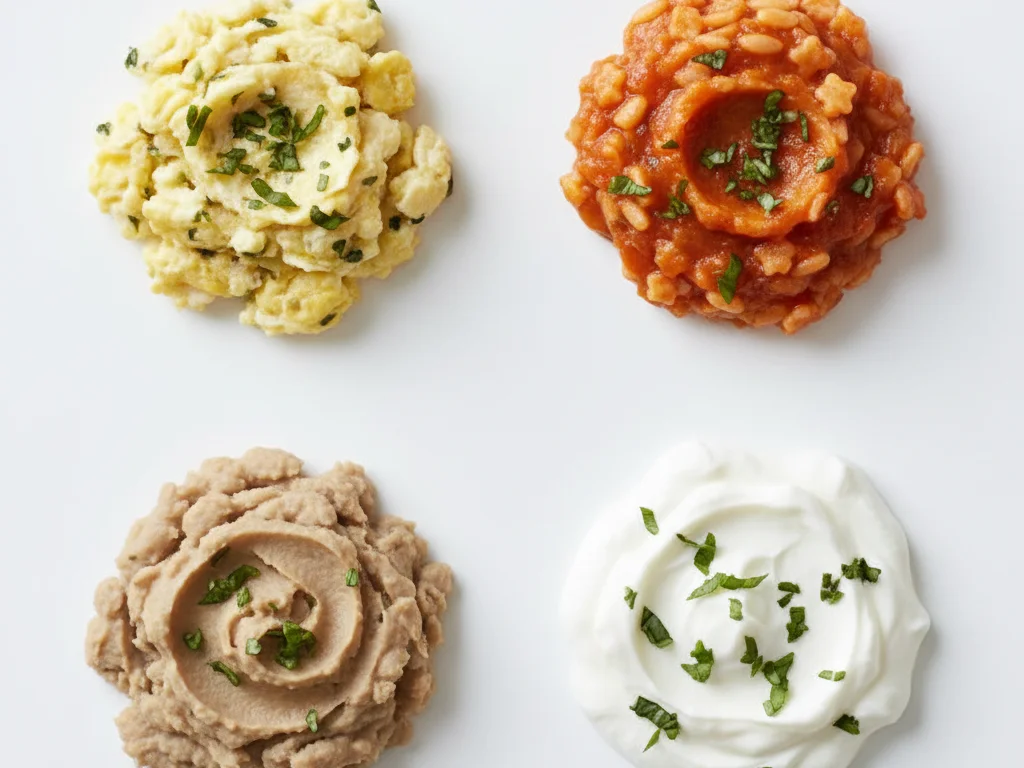
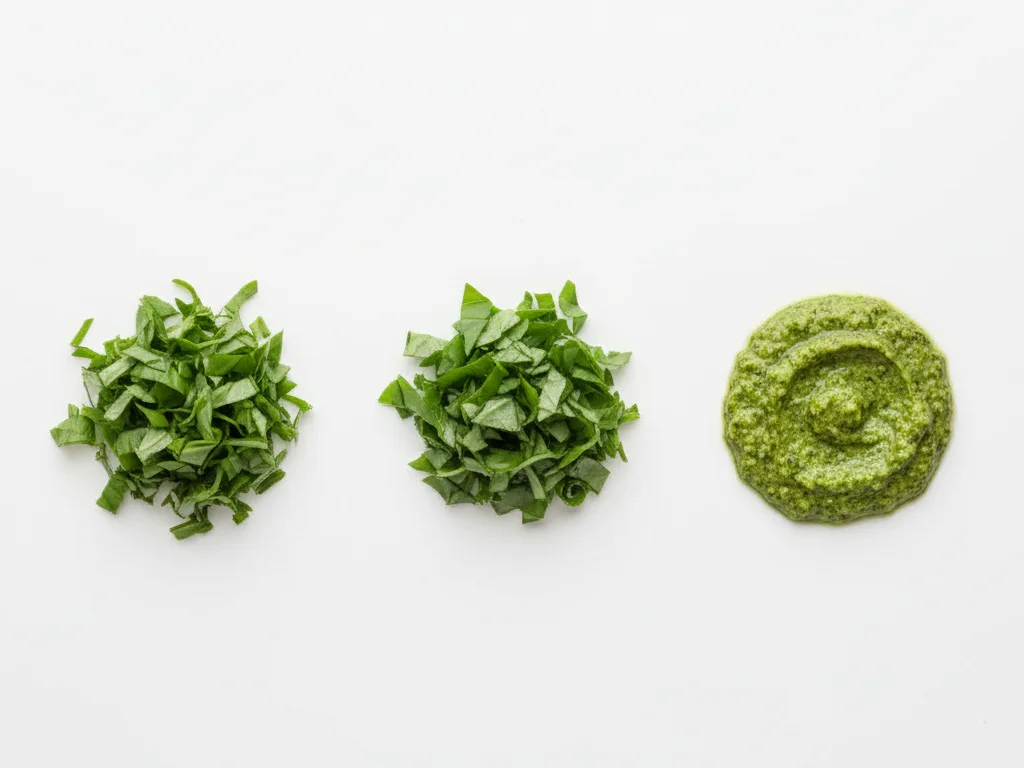
Finely chop fresh basil leaves and mix into soft, mashed foods. You can add it to scrambled eggs, pasta sauces, mashed beans, or yogurt dips. The small pieces will help your baby experience the texture while practicing chewing skills.
9 to 12 months

Finely chop fresh basil leaves and mix into soft, mashed foods. You can add it to scrambled eggs, pasta sauces, mashed beans, or yogurt dips. The small pieces will help your baby experience the texture while practicing chewing skills.

  • Chop leaves as finely as possible—aim for pieces smaller than a grain of rice
  • Mix basil into familiar foods to increase acceptance
  • Try making a simple basil-yogurt dip for vegetable sticks
  • Add to tomato-based sauces for pasta or meatballs
  • Combine with mild cheeses in sandwiches or on toast
Toddlers can enjoy basil in more varied preparations. Add chopped leaves to salads, sandwiches, pizzas, or as a garnish on soups. You can also make pesto (without nuts for young toddlers) to serve with pasta or as a spread.
12 months +

Toddlers can enjoy basil in more varied preparations. Add chopped leaves to salads, sandwiches, pizzas, or as a garnish on soups. You can also make pesto (without nuts for young toddlers) to serve with pasta or as a spread.

  • Let your toddler help wash and tear basil leaves (with supervision)
  • Make a nut-free pesto with basil, olive oil, and Parmesan cheese
  • Add to homemade pizza or flatbreads
  • Mix into meatballs or burger patties for added flavor
  • Use as a fresh garnish on soups or stews

Safety & allergens

Choking risk: Low

Basil leaves are soft and pose minimal choking risk when finely chopped or pureed. Always ensure basil is thoroughly washed and prepared in age-appropriate textures—finely chopped for older babies and pureed for beginners. Mix it into other foods rather than serving leaves alone.

Not a common allergen

Basil is not a top allergen. As with any new food, offer it on its own and watch for any reaction.

Vitamins & minerals

Basil provides calcium and phosphorus, which work together to support healthy bone development in growing babies.[2][3] It also contains potassium, which helps maintain proper fluid balance and supports heart and muscle function.[4][5] The magnesium in basil contributes to bone health and helps with nutrient absorption.[6][7]

Vitamins
Vitamin VITAMIN B6Vitamin RIBOFLAVINVitamin NIACIN
Minerals
CalciumPhosphorusPotassiumMagnesiumZincIron

Pairs well with