FoodsSeedCoriander seed
Coriander seed

Seed

Coriander seed

Coriander seeds are a wonderful spice to introduce to your baby's palate, offering a warm, citrusy flavor that can enhance many dishes. They're packed with nutrients that support your baby's growth, including iron for healthy blood development[1] and vitamin C to boost their immune system[2]. While not as common as fresh coriander leaves, these seeds can add interesting new tastes to your baby's meals.

6m+Not a common allergenChoking risk: Low
First age6m+
CategorySeed
Common allergenNo
Choking riskLow

When can babies eat Coriander seed?

You can introduce ground coriander seed around 6 months when starting solids, as it's generally safe and adds flavor without being a common allergen. It's best to start with a tiny pinch mixed into familiar foods.

How to serve Coriander seed by age

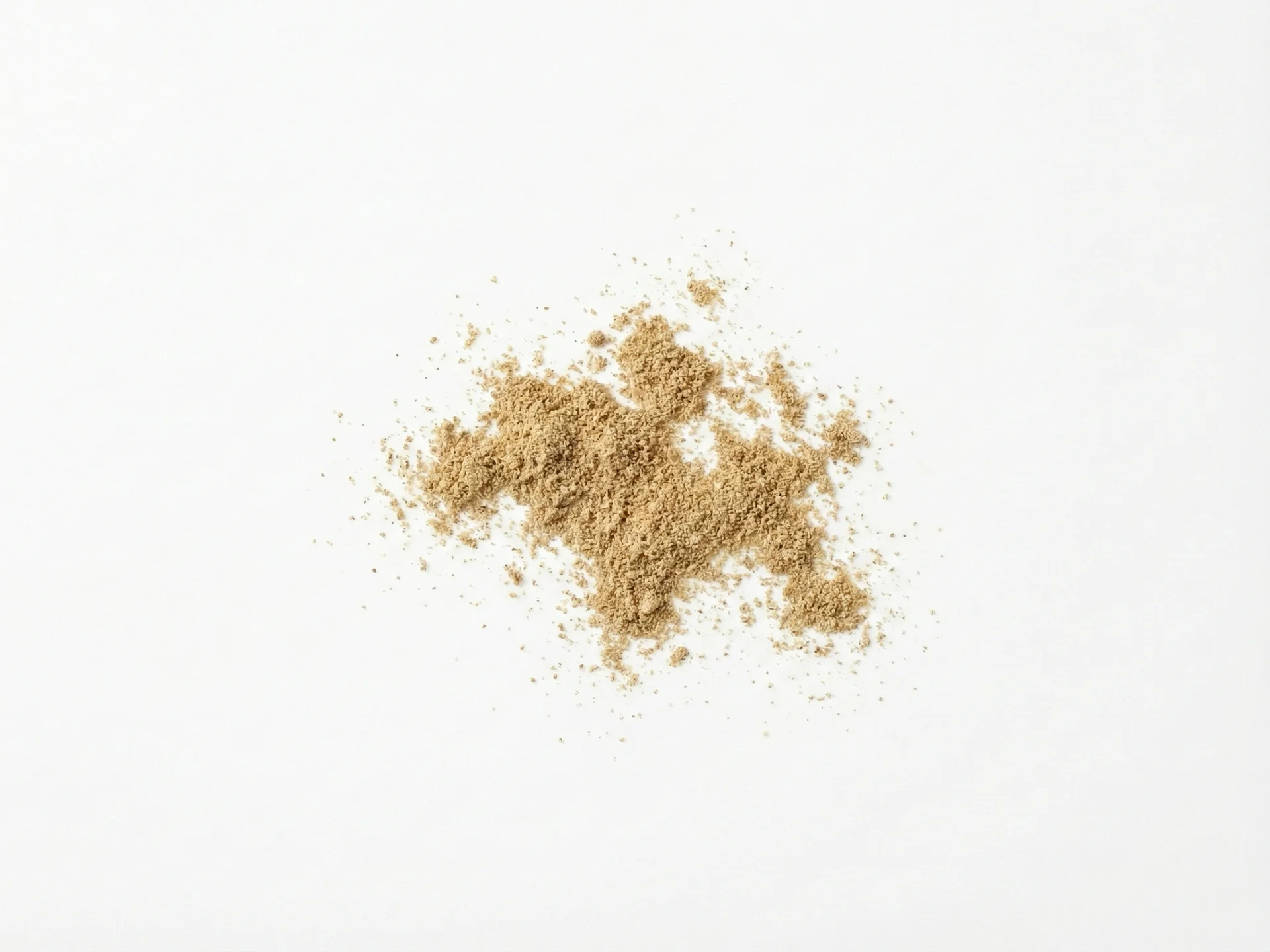
For babies 8-12 months, grind coriander seeds into a fine powder using a spice grinder or mortar and pestle. Mix a small pinch into soft foods like mashed vegetables, yogurt, or lentil purees to add flavor without texture risks. Ensure the powder is well-blended to avoid clumps.
8 to 12 months

For babies 8-12 months, grind coriander seeds into a fine powder using a spice grinder or mortar and pestle. Mix a small pinch into soft foods like mashed vegetables, yogurt, or lentil purees to add flavor without texture risks. Ensure the powder is well-blended to avoid clumps.

  • Grind seeds fresh for the best flavor and nutrient retention.
  • Start with a tiny amount (e.g., 1/8 teaspoon) to test tolerance.
  • Combine with mild foods like sweet potato or avocado to balance the spice.
  • Cook ground coriander in dishes like soups to soften further.
  • Avoid adding salt or sugar; let the natural spice flavor shine.
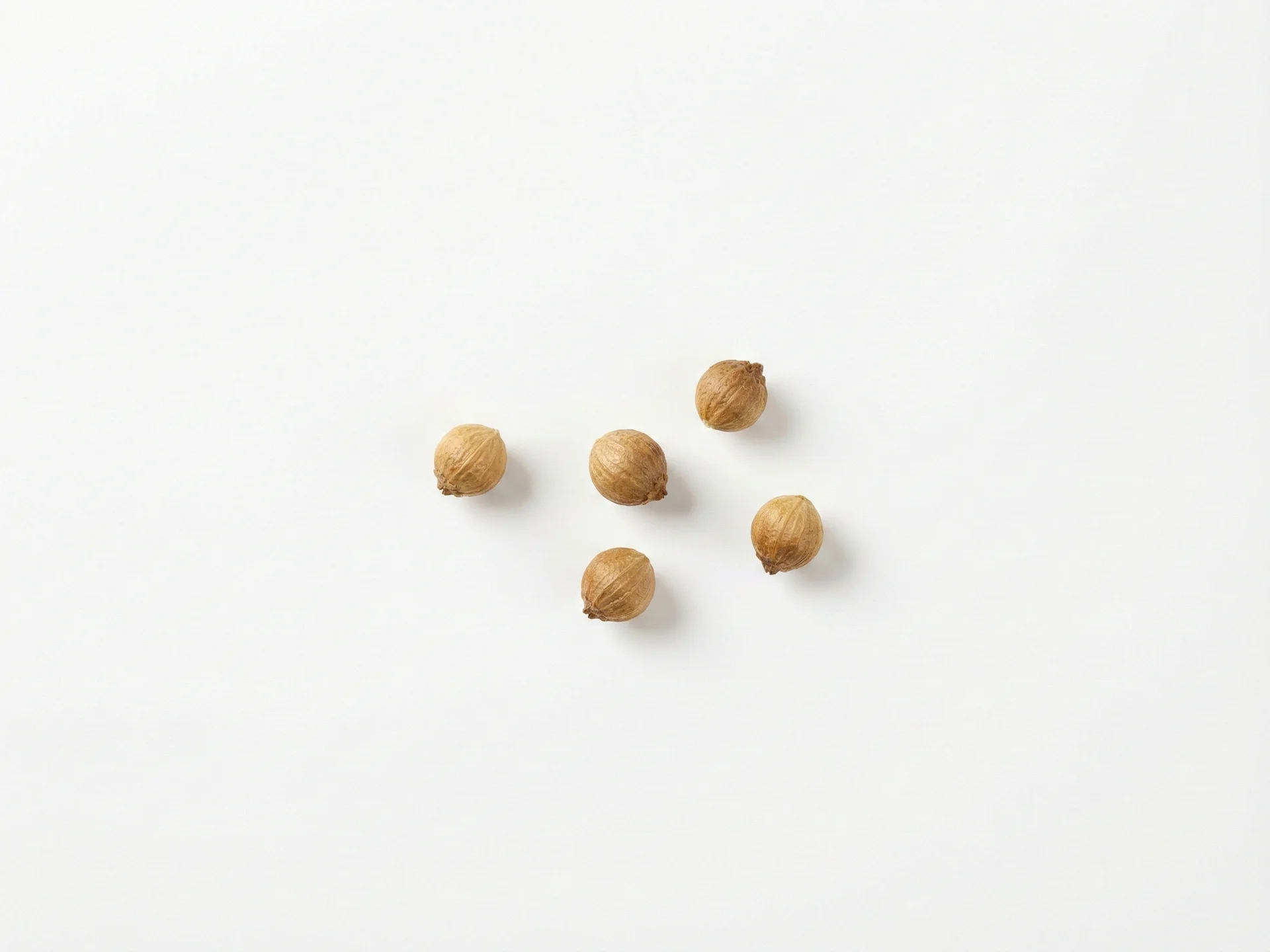
For toddlers 12 months and up, you can use ground coriander seeds more liberally in family meals, such as in curries, stews, or rice dishes. Whole seeds can be introduced if cooked until soft in dishes, but monitor closely to ensure they're not a choking risk.
12 months +

For toddlers 12 months and up, you can use ground coriander seeds more liberally in family meals, such as in curries, stews, or rice dishes. Whole seeds can be introduced if cooked until soft in dishes, but monitor closely to ensure they're not a choking risk.

  • Incorporate ground coriander into homemade spice blends for varied flavors.
  • Toast seeds lightly before grinding to enhance aroma, but cool before serving.
  • Use in marinades for soft meats or tofu to add depth.
  • Pair with citrus or herbs like cilantro for a fresh twist.
  • Always supervise meals to watch for any texture issues.

Safety & allergens

Choking risk: Low

Coriander seeds themselves are small and hard, posing a choking risk if given whole. Always grind them into a fine powder before adding to baby food. For older babies, ensure any dishes containing coriander seeds are thoroughly cooked and mashed to eliminate any hard pieces.

Not a common allergen

Coriander seed is not a top allergen. As with any new food, offer it on its own and watch for any reaction.

Vitamins & minerals

Coriander seeds provide iron, which is essential for your baby's blood health and cognitive development[1]. They also contain vitamin C, which helps boost immunity and enhances iron absorption when paired with iron-rich foods[2][3]. The calcium and magnesium in coriander seeds support strong bones and muscle function[4].

Vitamins
Vitamin VITAMIN CVitamin VITAMIN KVitamin VITAMIN A
Minerals
IronCalciumMagnesiumPotassiumManganese