FoodsProteinStriped bass
Striped bass

Protein

Striped bass

Striped bass is a delicious, flaky white fish that's packed with nutrients essential for your baby's growth. Its mild flavor and soft texture make it an excellent first fish to introduce, providing high-quality protein for muscle development and brain-boosting omega-3 fatty acids that support cognitive function.[1] Many babies enjoy its delicate taste, and it's versatile enough to mix with various fruits and vegetables.

6m+Common allergenChoking risk: Medium
First age6m+
CategoryProtein
Common allergenYes
Choking riskMedium

When can babies eat Striped bass?

You can introduce striped bass around 6 months when starting solids, as long as it's prepared safely to minimize choking risk. Many pediatricians recommend introducing fish early to help reduce allergy risk.[2]

How to serve Striped bass by age

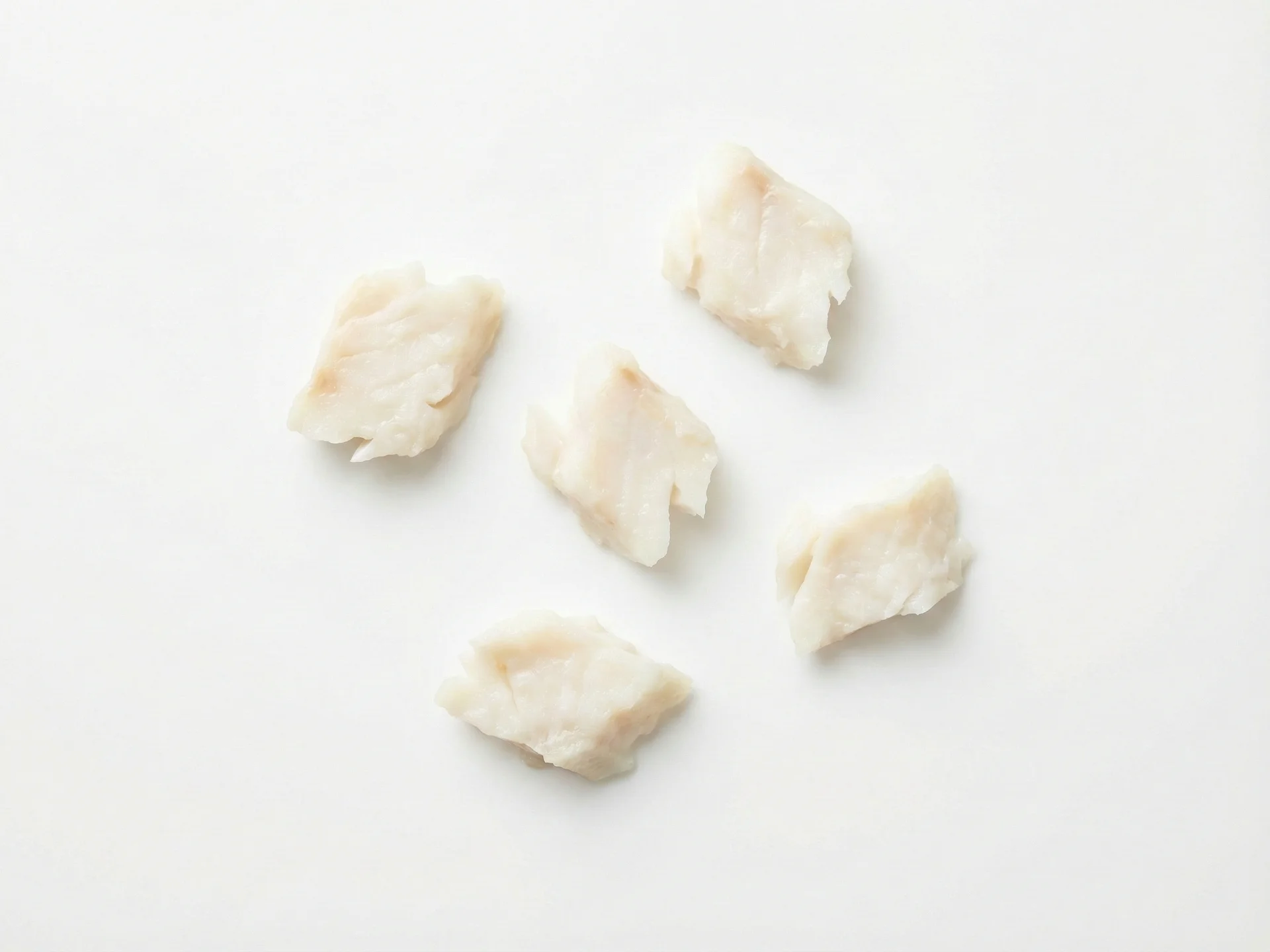
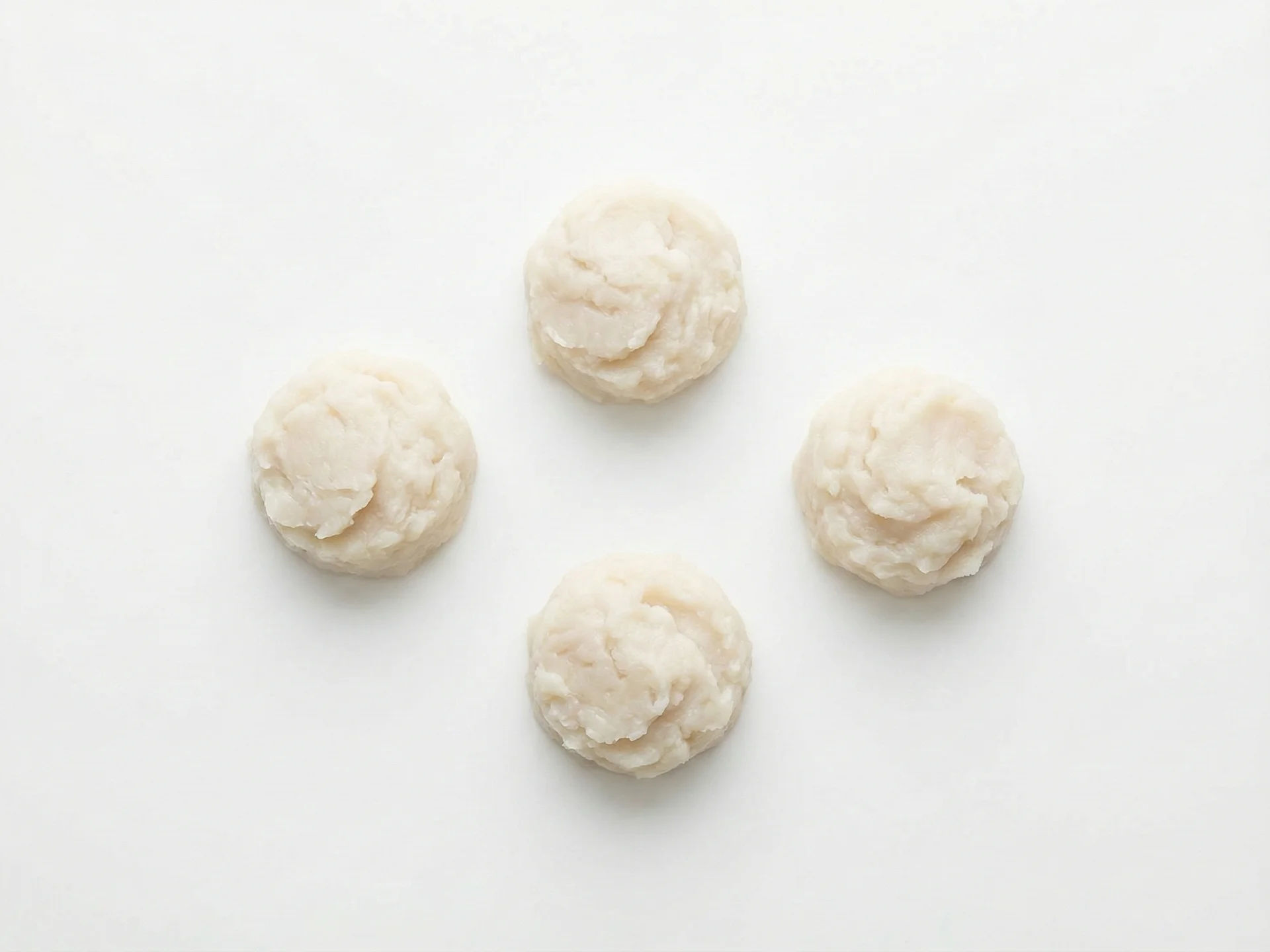
For beginners, steam or bake striped bass until fully cooked and flaky. Remove all bones and skin, then flake into very small, soft pieces or mash lightly. You can mix it with breast milk, formula, or a little olive oil to create a paste-like consistency that's easy for your baby to pick up.
6 to 9 months

For beginners, steam or bake striped bass until fully cooked and flaky. Remove all bones and skin, then flake into very small, soft pieces or mash lightly. You can mix it with breast milk, formula, or a little olive oil to create a paste-like consistency that's easy for your baby to pick up.

  • Steam instead of fry to keep it moist and tender
  • Flake into pieces no larger than your baby's fingertip
  • Mix with avocado or mashed banana for easier handling
  • Always check temperature before serving - it should be warm, not hot
  • Offer on a pre-loaded spoon if your baby struggles with finger foods
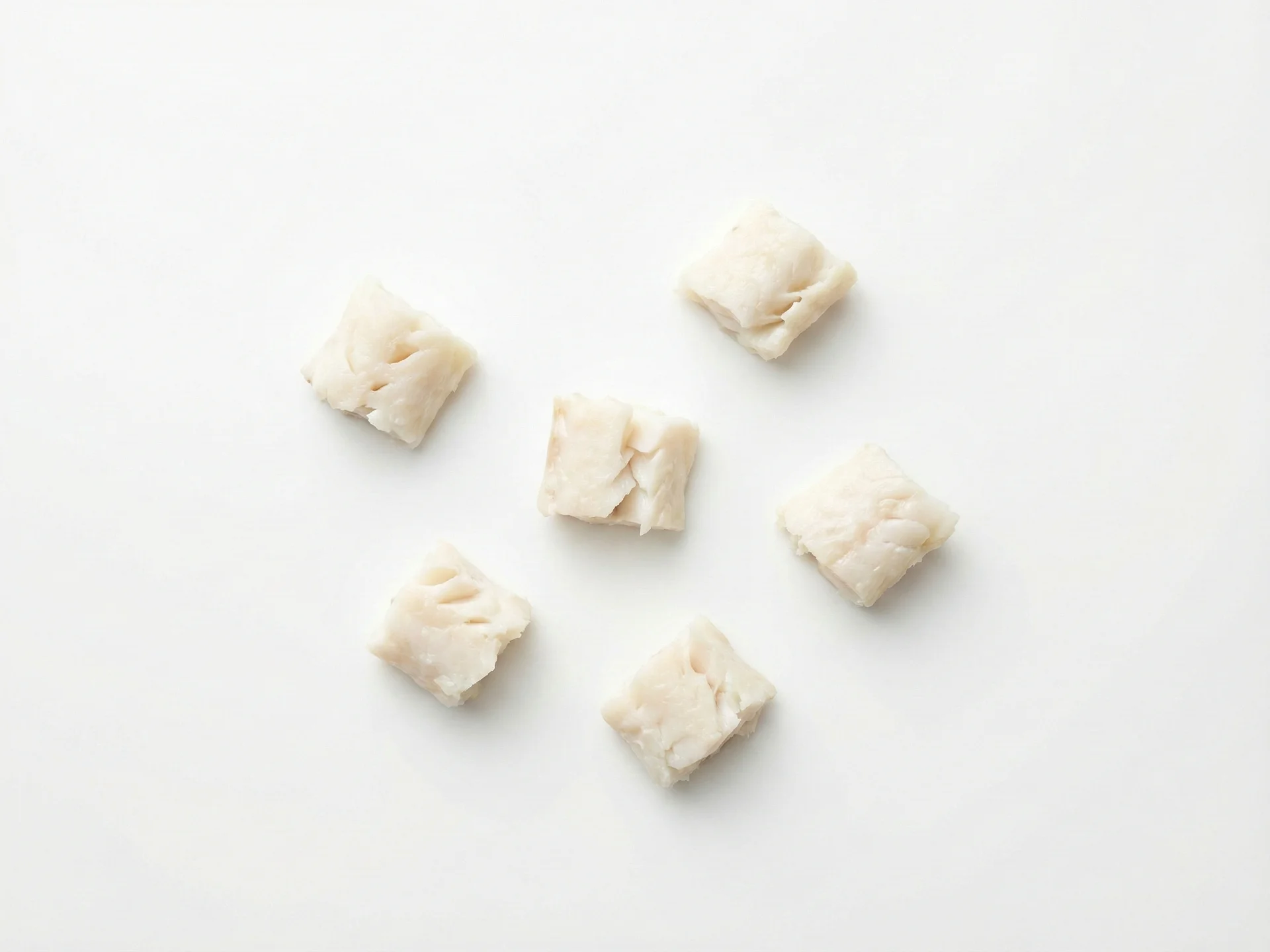
As your baby develops their pincer grasp, you can offer slightly larger flakes or small, soft chunks of striped bass. The fish can be baked, grilled, or pan-seared (without added salt). You can also incorporate it into fish cakes or patties mixed with mashed vegetables.
9 to 12 months

As your baby develops their pincer grasp, you can offer slightly larger flakes or small, soft chunks of striped bass. The fish can be baked, grilled, or pan-seared (without added salt). You can also incorporate it into fish cakes or patties mixed with mashed vegetables.

  • Cut into pea-sized pieces for developing pincer grasp
  • Try mixing with mashed sweet potato to form small patties
  • Offer alongside soft-cooked vegetables for variety
  • Include a dipping sauce like yogurt for added moisture
  • Let your baby practice using a baby-safe fork with the fish
Toddlers can enjoy striped bass prepared similarly to how the family eats it, just without added salt or strong spices. Offer flaked fish, small fillet pieces, or incorporate it into family meals like fish tacos, pasta dishes, or casseroles. Continue to check for bones in every serving.
12 months +

Toddlers can enjoy striped bass prepared similarly to how the family eats it, just without added salt or strong spices. Offer flaked fish, small fillet pieces, or incorporate it into family meals like fish tacos, pasta dishes, or casseroles. Continue to check for bones in every serving.

  • Incorporate into family meals like fish pie or pasta
  • Offer as finger-sized strips for self-feeding practice
  • Try different cooking methods like baking with herbs
  • Pair with whole grains like quinoa or brown rice
  • Involve your toddler in simple preparation tasks like sprinkling herbs

Safety & allergens

Choking risk: Medium

Striped bass has small bones that can pose a choking hazard, so always check carefully and remove all bones before serving. For babies under 12 months, flake the cooked fish into very small pieces or mash it thoroughly. Avoid serving large chunks that could block their airway.

Common allergen

Fish allergies affect about 0.2-0.5% of children, making them less common than some other food allergies but still important to watch for.[2]

Vitamins & minerals

Striped bass is an excellent source of Vitamin B12, which supports healthy nerve function and red blood cell formation.[4] It also provides Vitamin D for strong bones and immune health,[5] along with selenium, an important antioxidant that supports thyroid function.[6] The omega-3 fatty acids in fish like striped bass contribute to brain and eye development.[1]

Vitamins
Vitamin VITAMIN B12Vitamin VITAMIN DVitamin VITAMIN B3Vitamin VITAMIN B6
Minerals
SeleniumPhosphorusPotassiumMagnesium