FoodsNutWalnuts
Walnuts

Nut

Walnuts

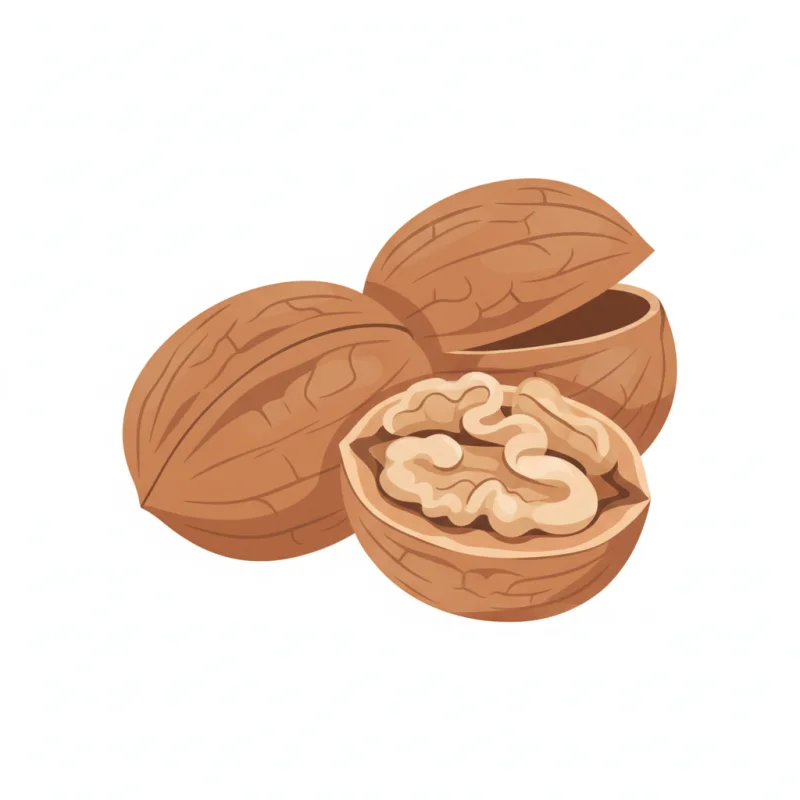
Walnuts are a wonderful brain-boosting food for babies, offering a creamy texture and rich, nutty flavor. They're packed with healthy fats that support brain development[1] and provide essential nutrients for growth. Their natural creaminess makes them easy to blend into smooth purees or sprinkle as a nutritious topping.

6m+Common allergenChoking risk: High
First age6m+
CategoryNut
Common allergenYes
Choking riskHigh

When can babies eat Walnuts?

You can introduce walnuts around 6 months, but many parents wait until 8-9 months when babies have better chewing skills. Always introduce them in a safe, age-appropriate form to minimize choking risk.

How to serve Walnuts by age

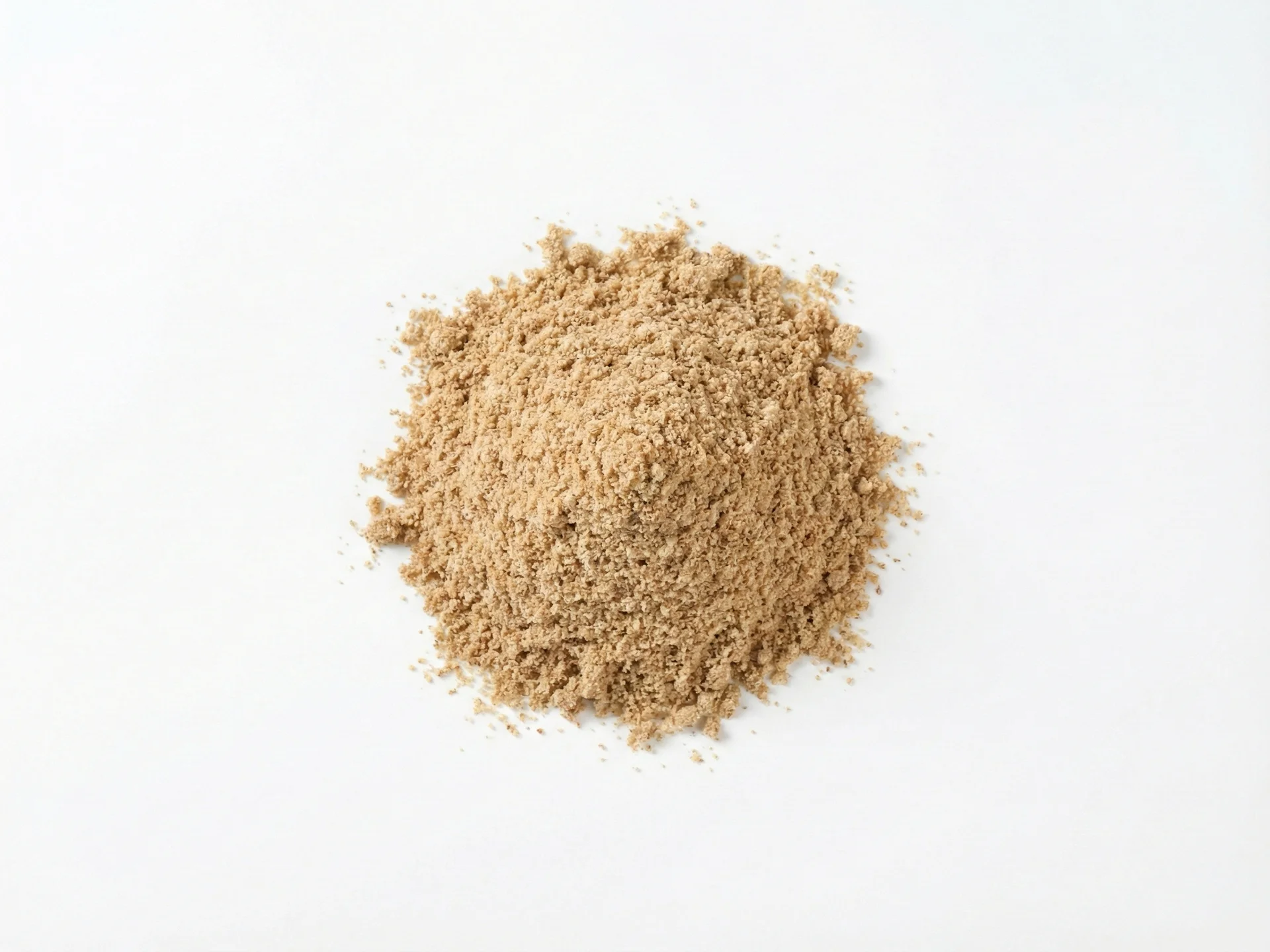
Finely grind walnuts into a powder using a food processor or blender until they have a flour-like consistency. Mix this powder into soft foods like yogurt, oatmeal, mashed bananas, or applesauce. You can also sprinkle a tiny amount on avocado slices or mix into purees.
12 to 18 months

Finely grind walnuts into a powder using a food processor or blender until they have a flour-like consistency. Mix this powder into soft foods like yogurt, oatmeal, mashed bananas, or applesauce. You can also sprinkle a tiny amount on avocado slices or mix into purees.

  • Always grind walnuts fresh to prevent clumping
  • Start with just 1/4 teaspoon mixed into a familiar food
  • Ensure the powder is completely smooth with no large pieces
  • Mix thoroughly so it's evenly distributed in the food
  • Watch closely for any signs of gagging or discomfort
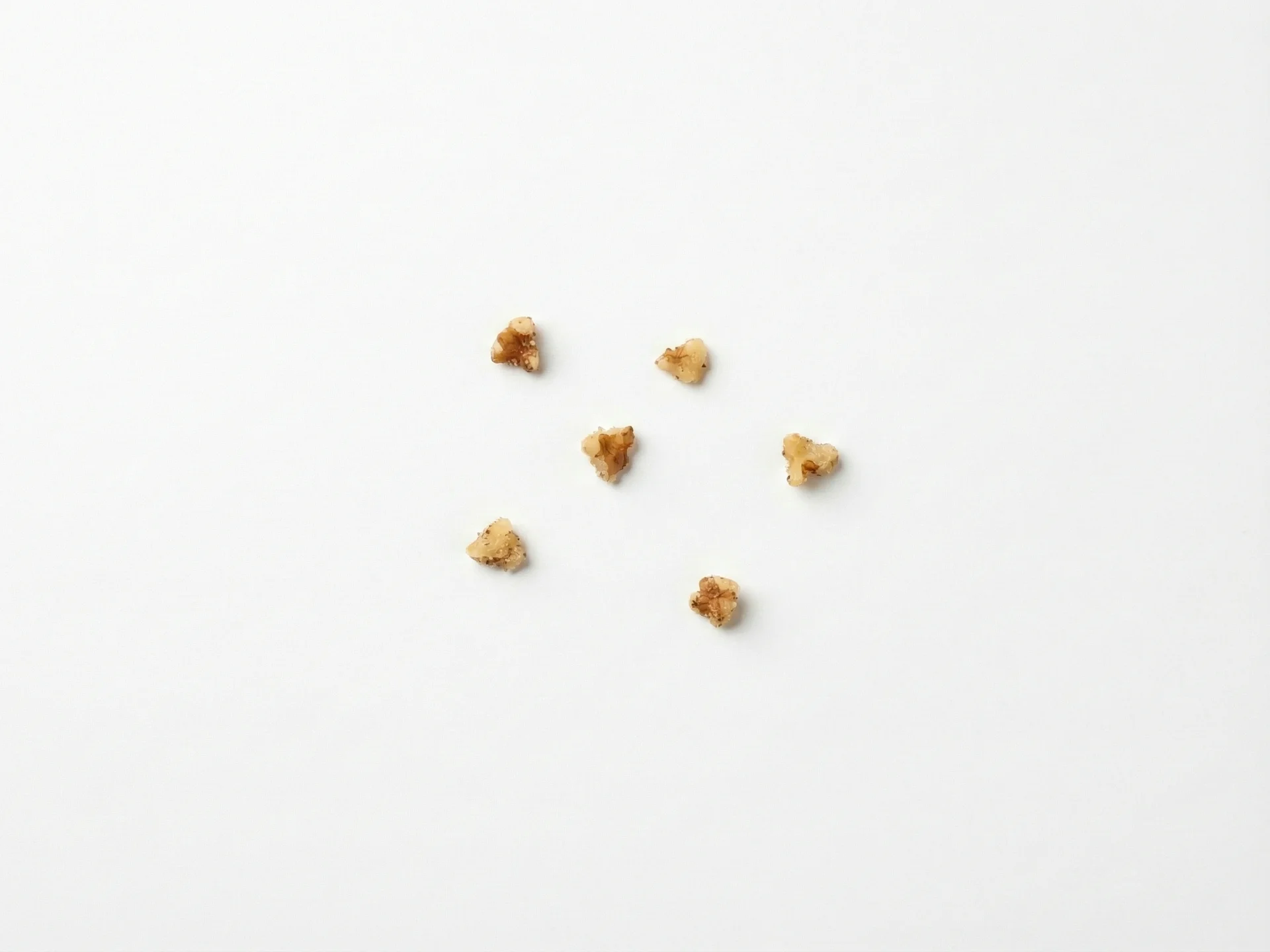
You can offer very finely chopped walnuts or continue with ground walnut powder. Mix into baked goods like muffins or pancakes, or sprinkle on top of cereal. Some toddlers may handle small, soft walnut pieces in trail mixes with other safe foods, but always assess your child's chewing ability first.
18 months +

You can offer very finely chopped walnuts or continue with ground walnut powder. Mix into baked goods like muffins or pancakes, or sprinkle on top of cereal. Some toddlers may handle small, soft walnut pieces in trail mixes with other safe foods, but always assess your child's chewing ability first.

  • Chop walnuts into pieces smaller than a pea
  • Mix with soft foods to reduce choking risk
  • Avoid serving walnuts alone as a snack
  • Continue to supervise all meals with walnuts
  • Consider walnut flour for baking as a nutritious alternative

Safety & allergens

Choking risk: High

Whole walnuts and large pieces are a serious choking hazard for babies. Always serve walnuts finely ground or as a thin butter mixed into other foods. Never give whole nuts or chunky pieces to children under 4 years old. Supervise closely during feeding.

Common allergen

Tree nut allergies affect about 1-2% of children, with walnuts being one of the more common tree nut allergens.[2]

Vitamins & minerals

Walnuts are nutritional powerhouses for growing babies. They're rich in omega-3 fatty acids that support brain development and cognitive function[1], and contain copper and manganese that help with energy production and bone health[4]. The vitamin E in walnuts acts as an antioxidant to protect cells[5], while the iron content supports healthy blood development[6].

Vitamins
Vitamin VITAMIN EVitamin VITAMIN B6Vitamin VITAMIN B1Vitamin VITAMIN B9
Minerals
CopperManganeseMagnesiumPhosphorusZincIron