FoodsGrainWhite bread
White bread

Grain

White bread

White bread is a soft, mild-tasting food that many babies enjoy as a first finger food. It's often enriched with important nutrients like iron and B vitamins, which support your baby's growth and energy levels.[1] The soft texture makes it easy for little gums to manage, and it can help babies practice their pincer grasp and self-feeding skills.

6m+Common allergenChoking risk: Medium
First age6m+
CategoryGrain
Common allergenYes
Choking riskMedium

When can babies eat White bread?

You can introduce small amounts of white bread around 6 months, once your baby is showing signs of readiness for solids and has tried a few single-ingredient purees first. It's best to offer it as part of a varied diet.

How to serve White bread by age

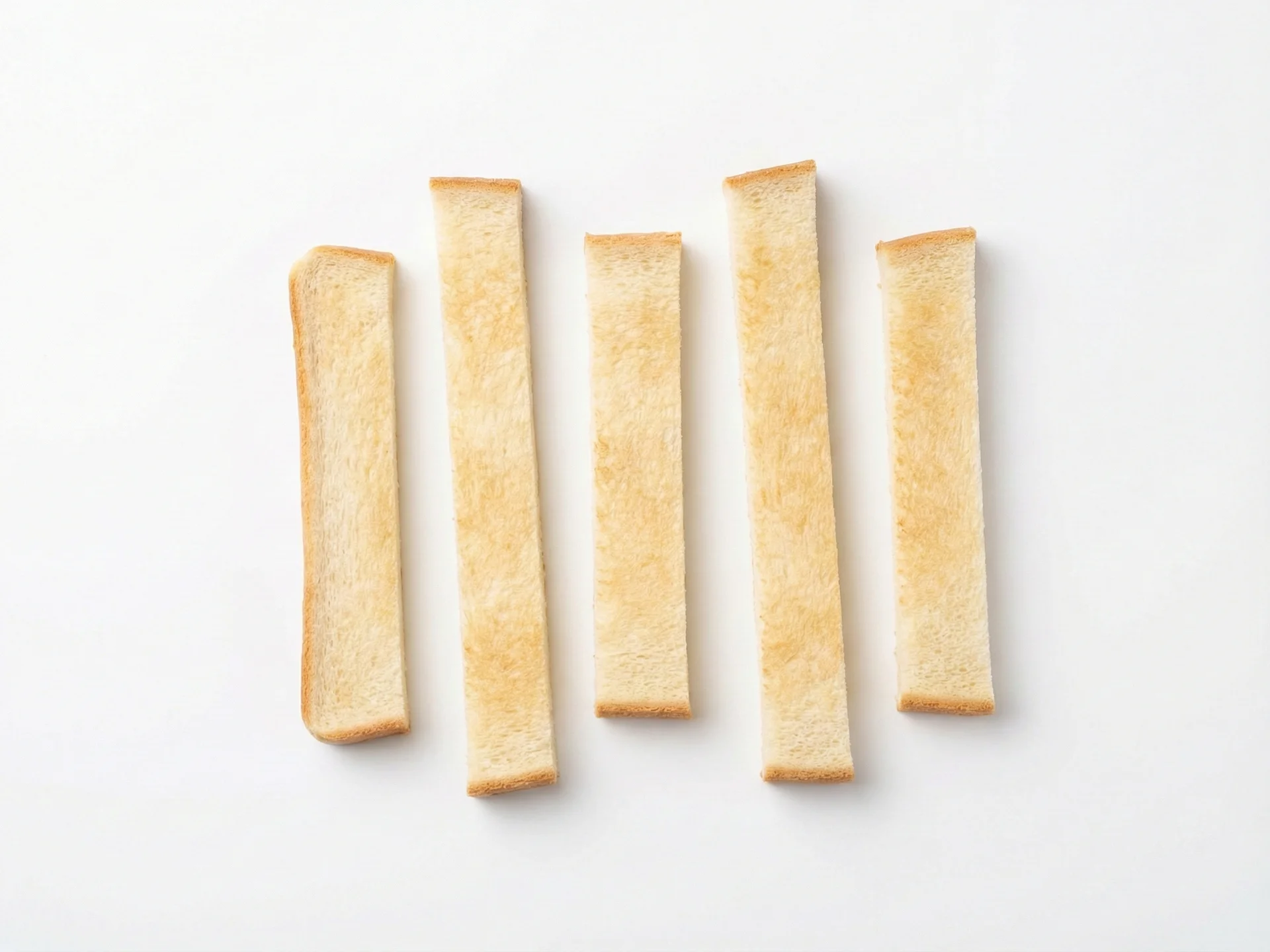
Lightly toast white bread until firm but not crispy, then cut it into long, thick strips or fingers about the size of two adult fingers. This shape helps your baby grasp it easily and reduces the risk of large pieces breaking off. You can moisten it slightly with a spread like mashed avocado or yogurt to add nutrients and make it less dry.
6 to 9 months

Lightly toast white bread until firm but not crispy, then cut it into long, thick strips or fingers about the size of two adult fingers. This shape helps your baby grasp it easily and reduces the risk of large pieces breaking off. You can moisten it slightly with a spread like mashed avocado or yogurt to add nutrients and make it less dry.

  • Toast bread lightly to avoid a gummy texture
  • Cut into strips no smaller than 2 inches long
  • Remove crusts if they're too hard
  • Serve with a thin layer of puree for easier swallowing
  • Always supervise closely during feeding
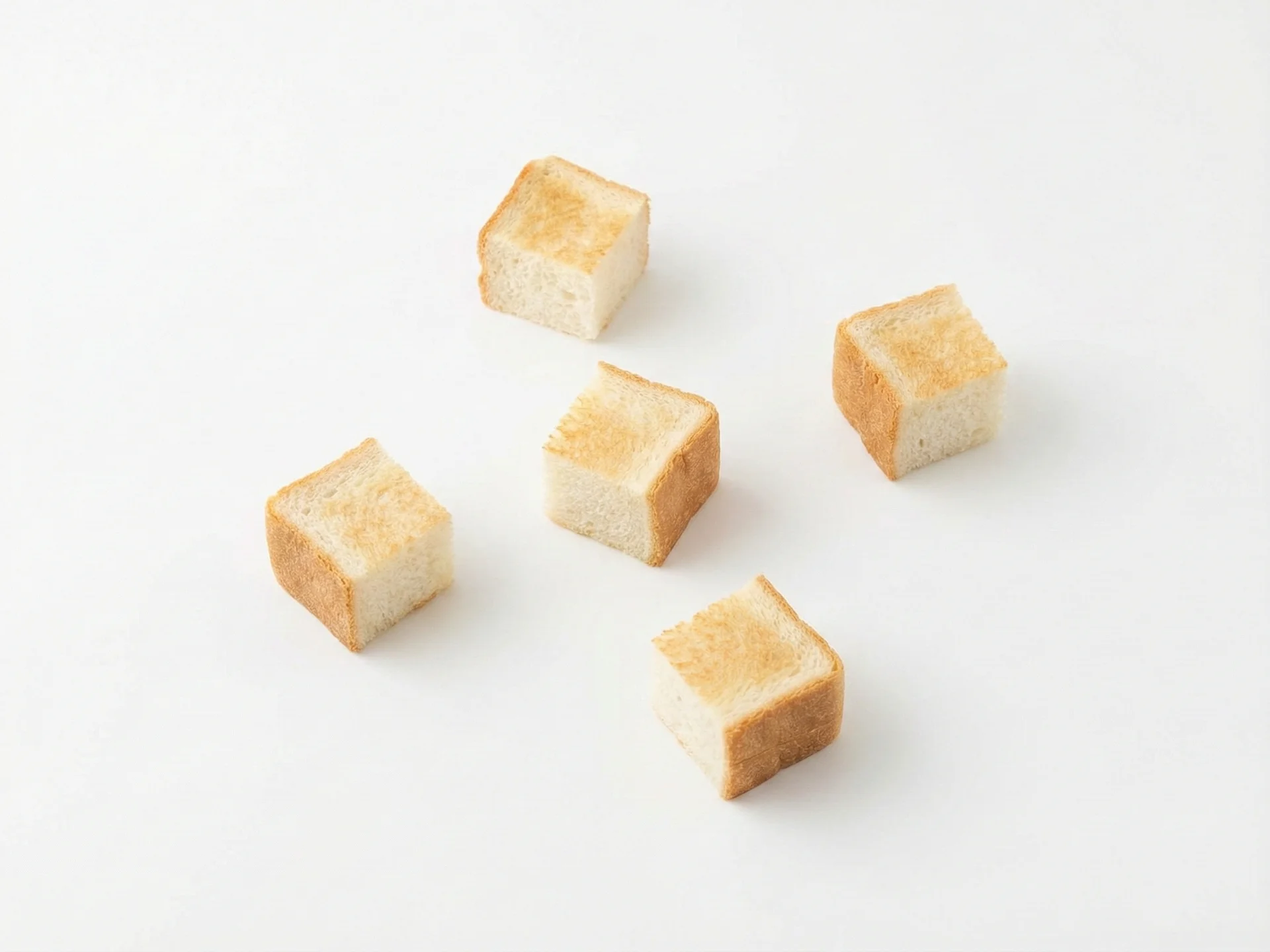
As your baby develops better chewing skills, you can offer small, bite-sized pieces of lightly toasted white bread, about the size of a pea. This encourages pincer grasp and more advanced eating. You can also use it as a base for toppings like soft cheeses or finely chopped vegetables.
9 months +

As your baby develops better chewing skills, you can offer small, bite-sized pieces of lightly toasted white bread, about the size of a pea. This encourages pincer grasp and more advanced eating. You can also use it as a base for toppings like soft cheeses or finely chopped vegetables.

  • Cut into small, pea-sized pieces for pincer practice
  • Toast to a firmer texture if needed
  • Mix with other soft foods in meals
  • Avoid adding honey or sugary spreads
  • Continue to monitor for choking risks

Safety & allergens

Choking risk: Medium

White bread can become gummy and sticky when wet, which poses a choking risk. To make it safer, lightly toast it until firm but not hard, then cut into finger-sized strips or small pieces appropriate for your baby's age. Always supervise your baby closely while eating and ensure they are sitting upright.

Common allergen

Wheat allergy affects about 0.4% to 1% of children, with many outgrowing it by school age.[2]

Vitamins & minerals

White bread is often enriched with iron, which is crucial for healthy blood and brain development in babies.[4] The B vitamins (like B1, B2, B3, and B9) help convert food into energy and support the nervous system.[5] While it's not as nutrient-dense as whole grains, enriched white bread can be a convenient source of these key nutrients.

Vitamins
Vitamin VITAMIN B1Vitamin VITAMIN B2Vitamin VITAMIN B3Vitamin VITAMIN B9
Minerals
IronCalciumSelenium