FoodsProteinMackerel
Mackerel

Protein

Mackerel

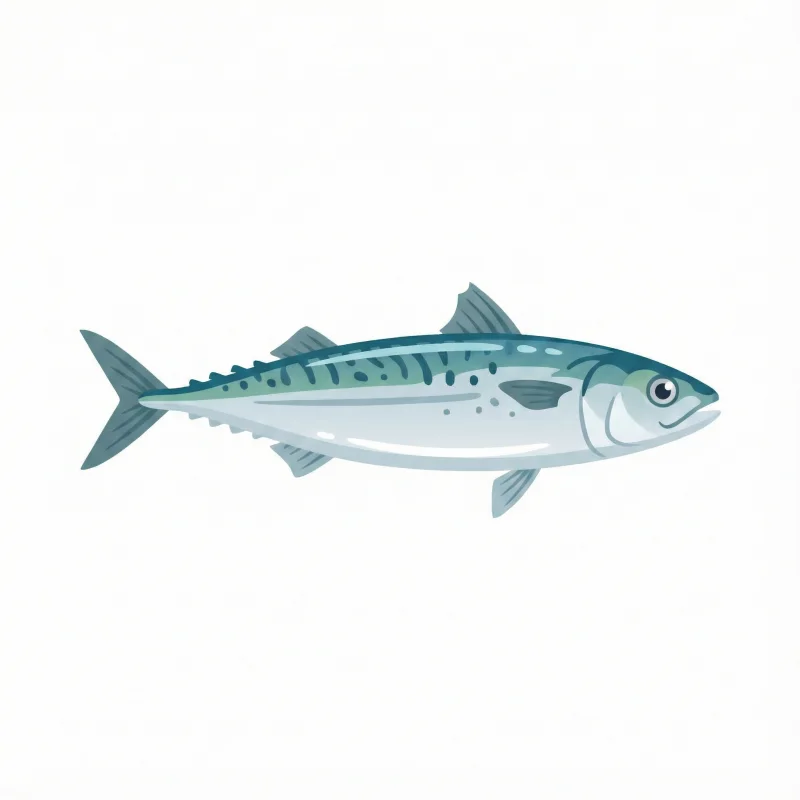
Mackerel is a fantastic fish to introduce to your baby! It has a rich, savory flavor and a soft, flaky texture that many babies enjoy. It's packed with nutrients that support your baby's brain development and immune system, making it a wonderful addition to their diet.[1]

6m+Common allergenChoking risk: Medium
First age6m+
CategoryProtein
Common allergenYes
Choking riskMedium

When can babies eat Mackerel?

You can introduce mackerel around 6 months when starting solids, as long as it's prepared safely to minimize choking risk and you watch for any allergic reactions.

How to serve Mackerel by age

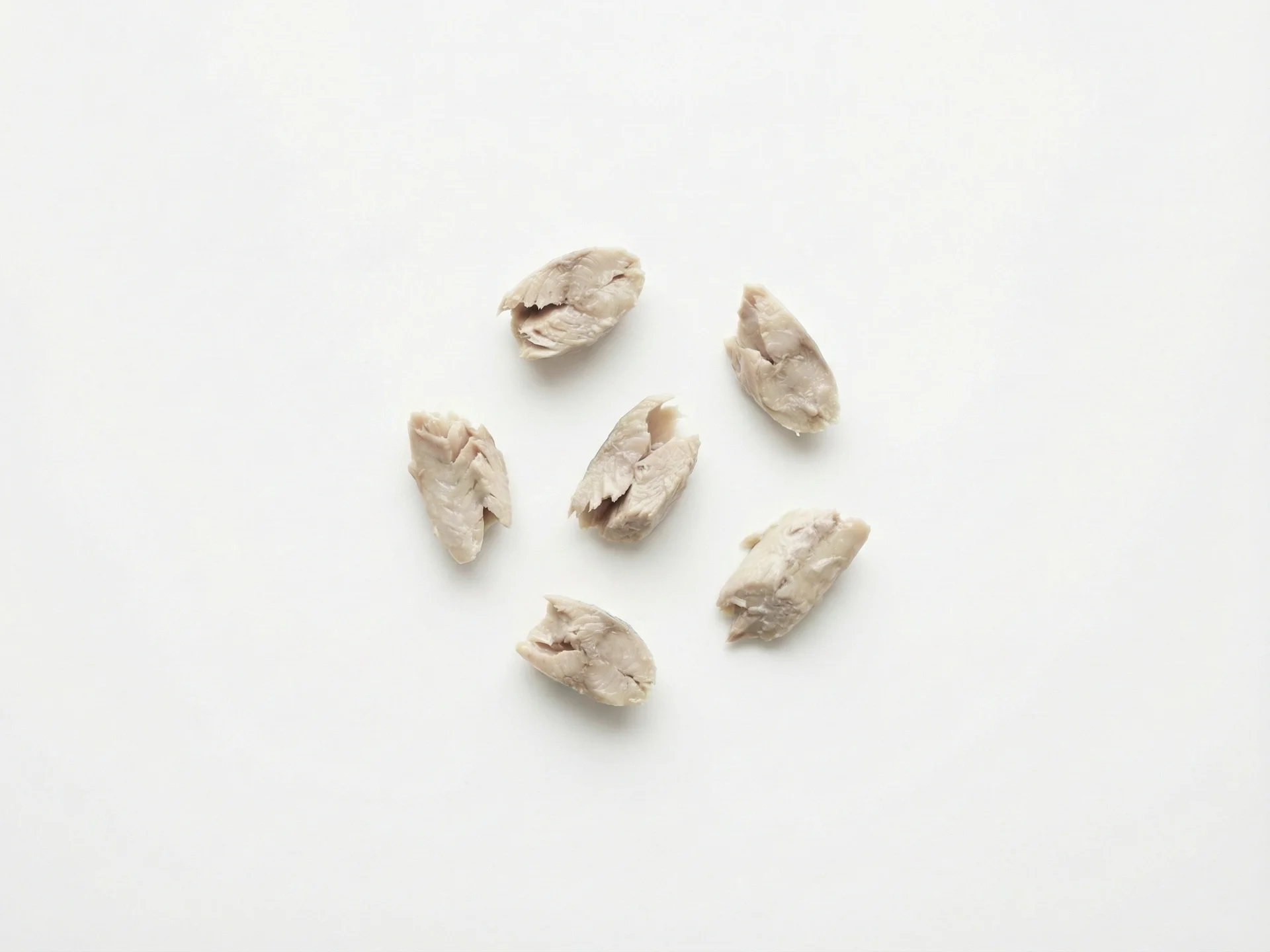
For babies 6-9 months, steam or bake mackerel until fully cooked and flaky, then remove all bones and break it into small, pea-sized pieces. Serve it plain or mashed lightly to make it easier to pick up, ensuring it's moist to prevent choking.
6 to 9 months

For babies 6-9 months, steam or bake mackerel until fully cooked and flaky, then remove all bones and break it into small, pea-sized pieces. Serve it plain or mashed lightly to make it easier to pick up, ensuring it's moist to prevent choking.

  • Steam the fish to retain moisture and nutrients.
  • Check thoroughly for bones using your fingers or tweezers.
  • Mix with soft foods like mashed avocado for easier handling.
  • Avoid adding salt, sugar, or strong spices.
  • Serve in a high chair tray for easy access.
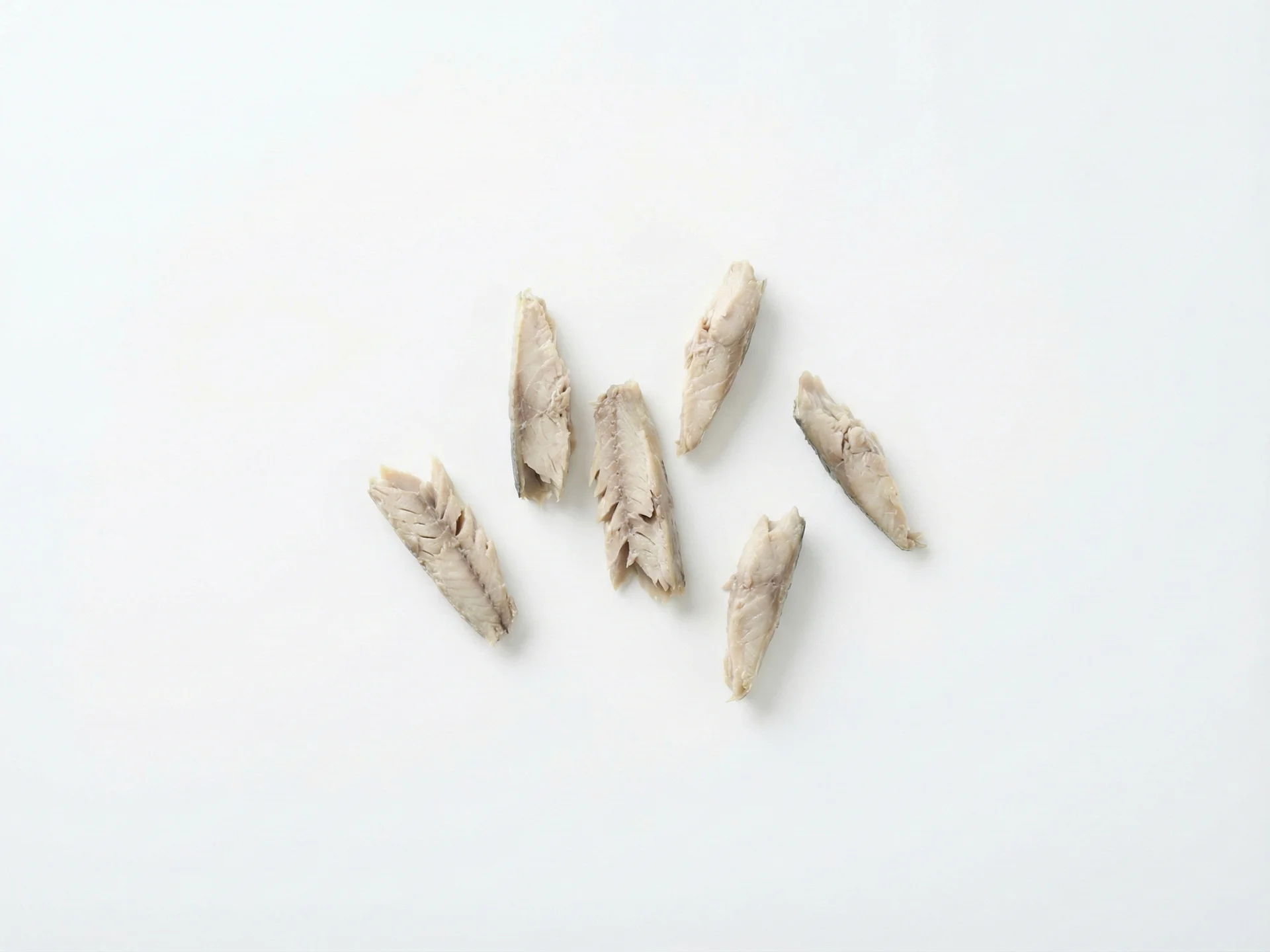
For babies 9 months and up, offer larger, flaked pieces or small strips that they can grasp with their pincer grip. You can lightly season with herbs like dill or mix it into dishes like fish cakes or patties for variety, but keep it simple to monitor for allergies.
9 months +

For babies 9 months and up, offer larger, flaked pieces or small strips that they can grasp with their pincer grip. You can lightly season with herbs like dill or mix it into dishes like fish cakes or patties for variety, but keep it simple to monitor for allergies.

  • Bake or grill mackerel for a firmer texture that's easier to hold.
  • Incorporate into soft finger foods like fish balls or patties.
  • Pair with grains like quinoa or rice for a balanced meal.
  • Encourage self-feeding by offering a spoon with flaked fish.
  • Store leftovers in the fridge for quick meals.

Safety & allergens

Choking risk: Medium

Mackerel has small bones that can be a choking hazard, so it's crucial to remove all bones thoroughly before serving. For younger babies, mash or puree it to a smooth consistency, and for older babies, flake it into very small, soft pieces that they can gum easily.

Common allergen

Fish allergies, including to mackerel, affect about 0.2-0.5% of children, making them less common than some other food allergies but still important to monitor.[2]

Vitamins & minerals

Mackerel is rich in omega-3 fatty acids like DHA, which are essential for your baby's brain and eye development.[4] It also provides high-quality protein for growth and iron to prevent anemia, with the iron being well-absorbed when paired with vitamin C-rich foods.[5]

Vitamins
Vitamin VITAMIN DVitamin VITAMIN B12Vitamin VITAMIN B3Vitamin VITAMIN B6Vitamin VITAMIN B2
Minerals
SeleniumPhosphorusPotassiumMagnesiumIron