FoodsVegetableTaro
Taro

Vegetable

Taro

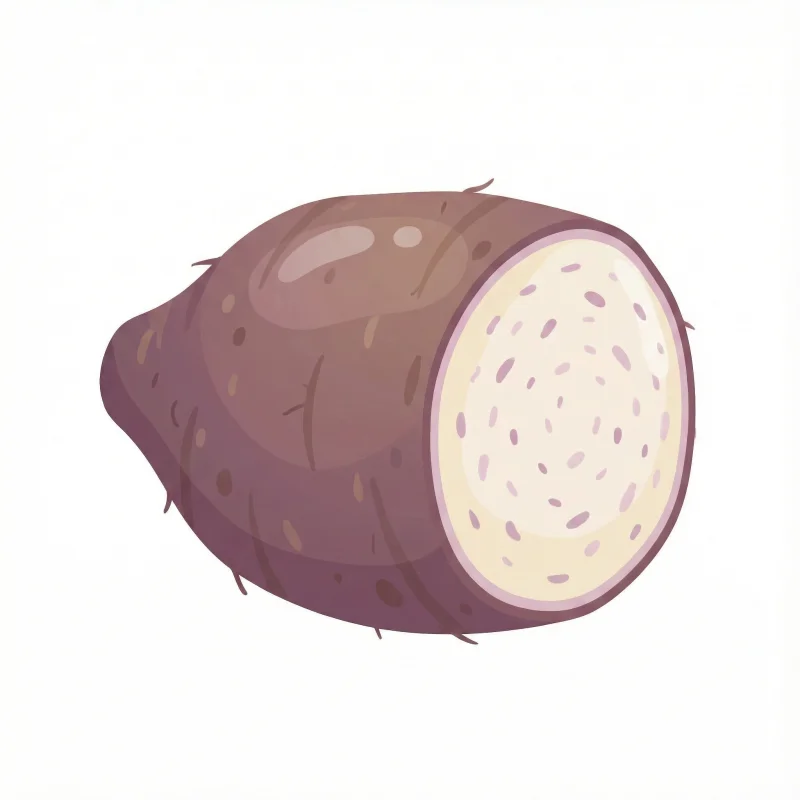
Taro is a starchy root vegetable that offers a creamy, slightly sweet flavor and smooth texture when cooked, making it a wonderful first food for babies. It's packed with essential nutrients that support your baby's growth and development, including potassium for healthy heart and muscle function[2] and magnesium for strong bones[3]. This versatile veggie can be mashed or pureed to a perfect consistency for little mouths.

6m+Not a common allergenChoking risk: Medium
First age6m+
CategoryVegetable
Common allergenNo
Choking riskMedium

When can babies eat Taro?

You can introduce taro around 6 months of age when your baby starts solids, as long as it's cooked thoroughly and prepared safely to minimize choking risk.

How to serve Taro by age

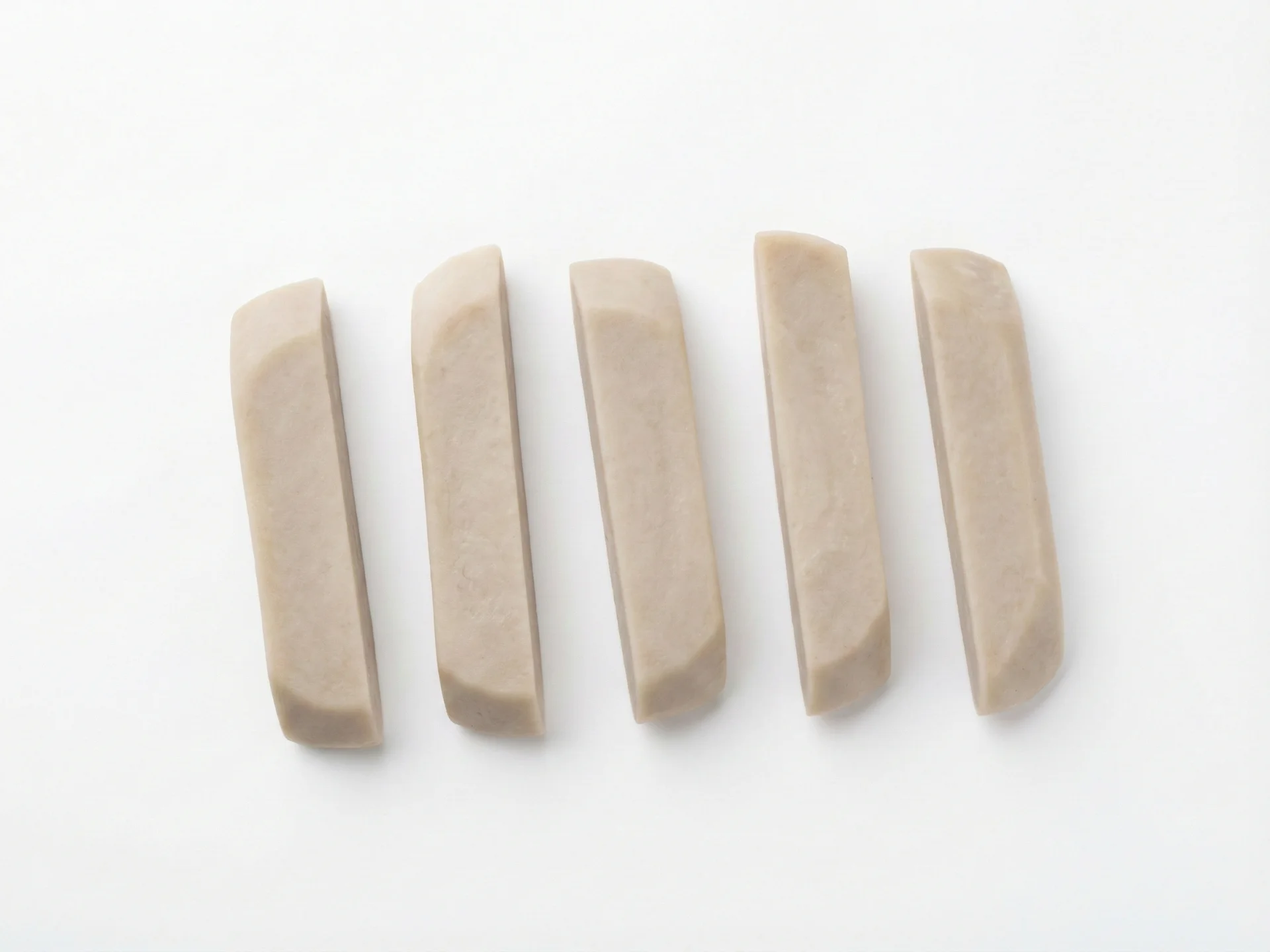
For babies 6-9 months, cook taro until very soft and mashable, then serve as thick, palm-sized sticks or large, flattened discs that are easy to hold. The texture should be smooth and gummable, with no hard bits. Avoid small pieces that could be swallowed whole.
6 to 9 months

For babies 6-9 months, cook taro until very soft and mashable, then serve as thick, palm-sized sticks or large, flattened discs that are easy to hold. The texture should be smooth and gummable, with no hard bits. Avoid small pieces that could be swallowed whole.

  • Peel taro thoroughly before cooking to remove the skin.
  • Steam or boil until it mashes easily with a fork—about 15-20 minutes.
  • Cut into sticks about the size of two adult fingers for easy gripping.
  • Let it cool completely to avoid burns before serving.
  • Mash a portion lightly if your baby struggles with firmer textures.
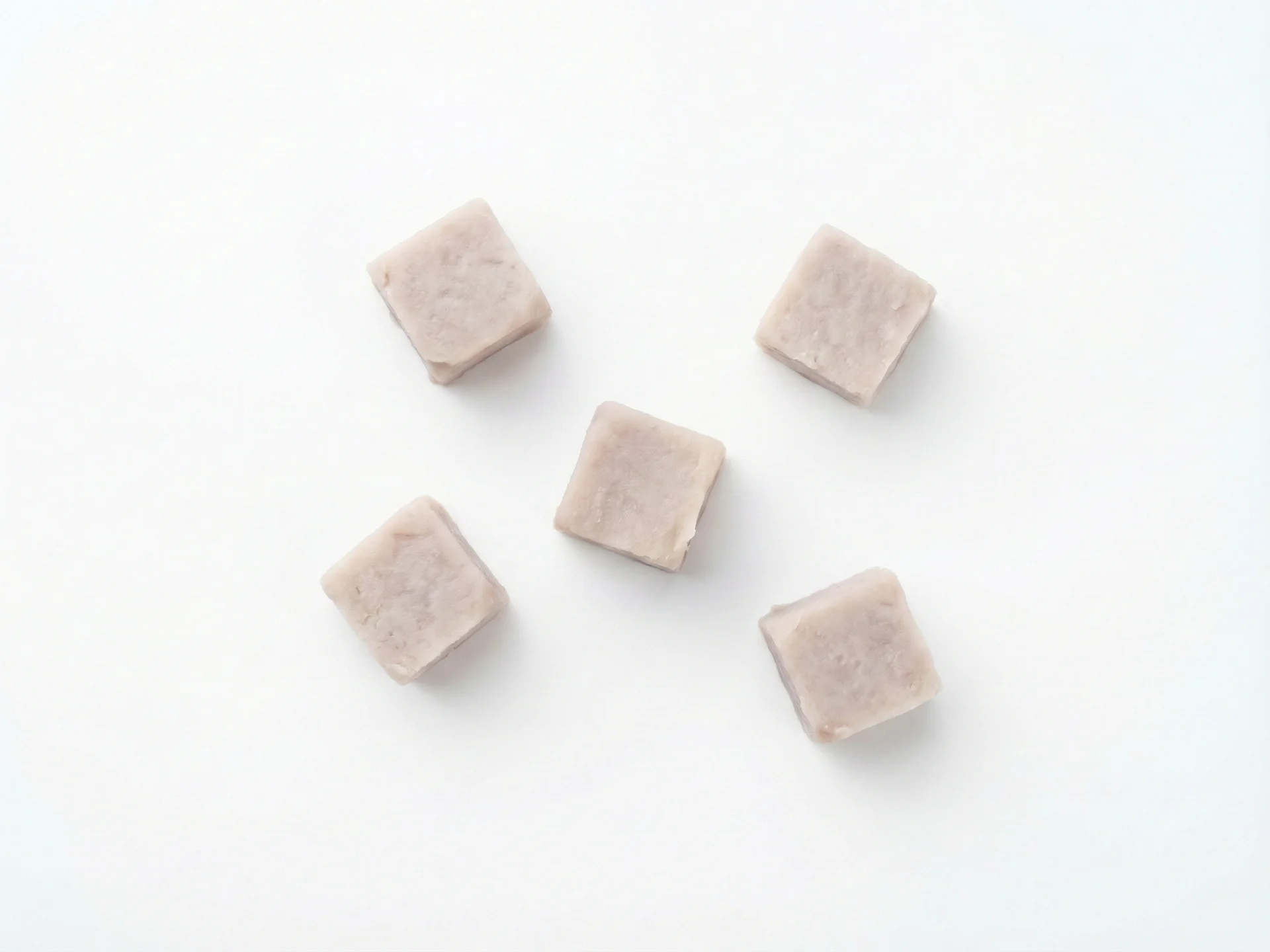
For babies 9 months and up, you can offer taro in smaller, bite-sized pieces as their pincer grasp develops. Cook until soft but slightly firmer to encourage chewing, and mix into meals like stews or grain bowls. Always ensure pieces are soft enough to mash between gums.
9 months +

For babies 9 months and up, you can offer taro in smaller, bite-sized pieces as their pincer grasp develops. Cook until soft but slightly firmer to encourage chewing, and mix into meals like stews or grain bowls. Always ensure pieces are soft enough to mash between gums.

  • Cut cooked taro into small cubes or chunks for self-feeding practice.
  • Mix mashed taro into oatmeal, yogurt, or other soft foods for variety.
  • Roast taro with a little oil for a firmer texture that promotes chewing skills.
  • Combine with proteins like beans or shredded chicken for balanced meals.
  • Monitor for any gagging as textures become more challenging.

Safety & allergens

Choking risk: Medium

Raw taro is firm and poses a choking hazard, so always cook it until very soft. For babies under 12 months, mash or puree taro completely without lumps. For older babies, you can offer small, soft pieces, but avoid large chunks that could block the airway.

Not a common allergen

Taro is not a top allergen. As with any new food, offer it on its own and watch for any reaction.

Vitamins & minerals

Taro provides potassium, which helps maintain healthy fluid balance and supports heart and muscle function in growing babies[2]. It also contains magnesium, important for bone development and energy metabolism[3], and vitamin C, which supports immune health and helps with iron absorption from other foods. With its good fiber content, taro can aid in healthy digestion.

Vitamins
Vitamin VITAMIN CVitamin VITAMIN B6Vitamin VITAMIN E
Minerals
PotassiumMagnesiumCopperManganese