FoodsVegetableRadish
Radish

Vegetable

Radish

Radishes are a crunchy, peppery vegetable that can add exciting new flavors to your baby's meals. They're packed with vitamin C, which supports your baby's immune system and helps their body absorb iron from other foods.[1] Their crisp texture and mild spice can help expand your baby's palate while providing important nutrients.

6m+Not a common allergenChoking risk: Medium
First age6m+
CategoryVegetable
Common allergenNo
Choking riskMedium

When can babies eat Radish?

Radishes can be introduced around 6 months when your baby starts solids. Since they have a peppery flavor, you might want to wait until your baby has tried several milder vegetables first.

How to serve Radish by age

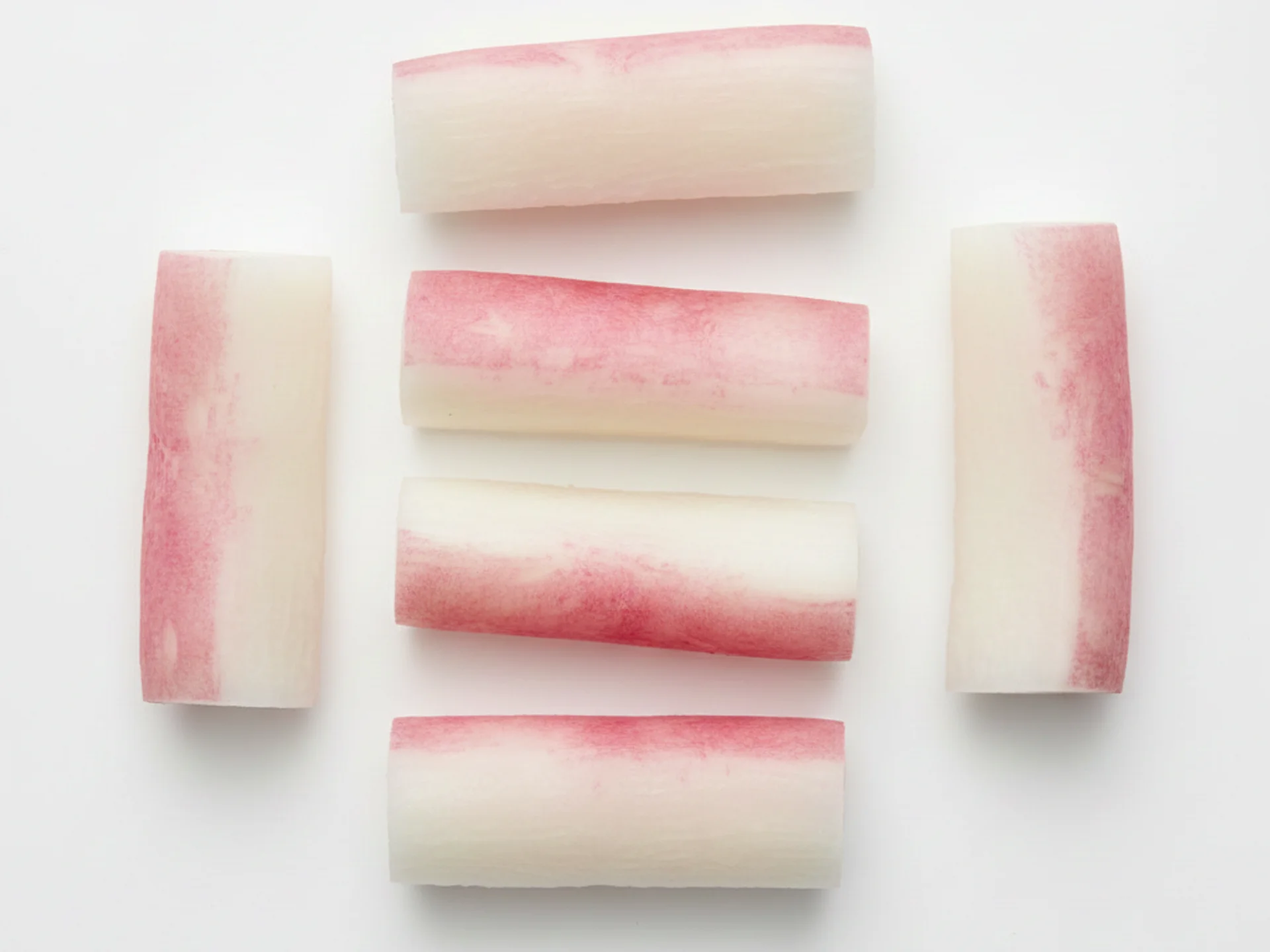
For 6-9 month olds, steam or roast radishes until very soft (easily mashed between fingers) to reduce choking risk. Cut into large, graspable sticks (about 2-3 inches long) that your baby can hold in their fist. The soft texture allows them to gum and suck on the pieces safely.
6 to 9 months

For 6-9 month olds, steam or roast radishes until very soft (easily mashed between fingers) to reduce choking risk. Cut into large, graspable sticks (about 2-3 inches long) that your baby can hold in their fist. The soft texture allows them to gum and suck on the pieces safely.

  • Always cook radishes until completely soft—test by pressing with your thumb
  • Cut into finger-sized sticks that extend beyond baby's fist for easy gripping
  • Leave the skin on for extra nutrients and easier handling
  • Mix with a drizzle of olive oil before roasting to add healthy fats
  • Cool completely before serving to avoid burns
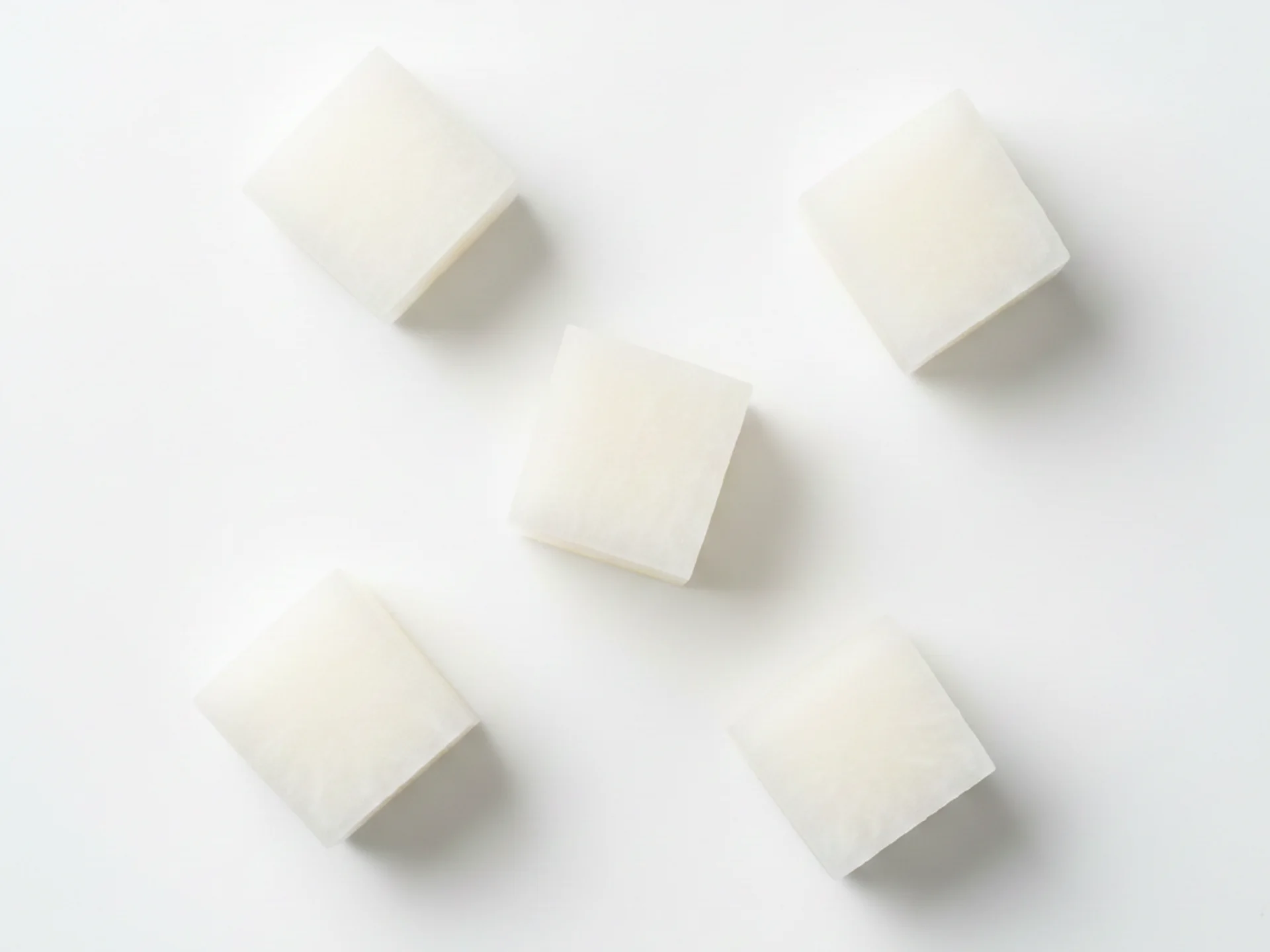
For 9-12 month olds, you can offer smaller pieces as pincer grasp develops. Continue cooking radishes until soft, then cut into bite-sized cubes or thin slices. At this stage, babies can handle slightly firmer textures, but radishes should still be cooked through.
9 to 12 months

For 9-12 month olds, you can offer smaller pieces as pincer grasp develops. Continue cooking radishes until soft, then cut into bite-sized cubes or thin slices. At this stage, babies can handle slightly firmer textures, but radishes should still be cooked through.

  • Cut into pea-sized pieces to encourage pincer grasp practice
  • Try roasting with other root vegetables for flavor variety
  • Mash cooked radishes into oatmeal or yogurt for texture exposure
  • Offer both sticks and small pieces to develop different chewing skills
  • Monitor closely as smaller pieces can still pose choking risks if too firm
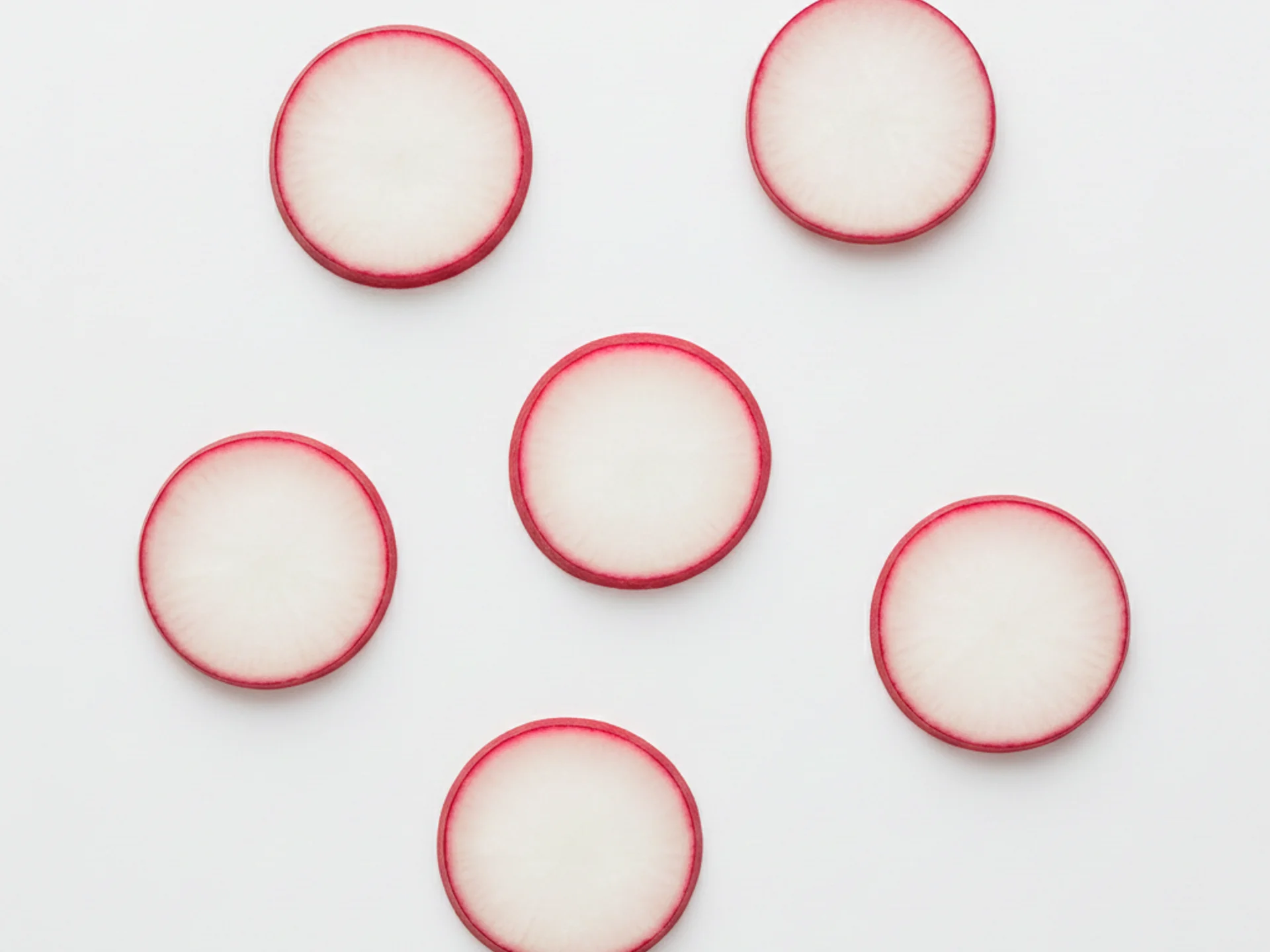
For toddlers 12 months and up, you can introduce raw radishes in very thin slices or grated form if they have mature chewing skills. Cooked radishes can be served in various ways—added to soups, stir-fries, or as roasted vegetable medleys. Continue to ensure pieces are appropriately sized.
12 months +

For toddlers 12 months and up, you can introduce raw radishes in very thin slices or grated form if they have mature chewing skills. Cooked radishes can be served in various ways—added to soups, stir-fries, or as roasted vegetable medleys. Continue to ensure pieces are appropriately sized.

  • Introduce raw radishes gradually, starting with paper-thin slices
  • Grate raw radishes into salads or slaws for easy chewing
  • Use radishes in cooked dishes where they soften completely
  • Teach your toddler to take small bites and chew thoroughly
  • Combine with dips like hummus to make them more appealing

Safety & allergens

Choking risk: Medium

Raw radishes are firm and round, posing a choking risk. Always cook radishes until soft for babies under 12 months. For older babies, you can offer very thin slices of raw radish, but supervise closely and ensure they're chewing well.

Not a common allergen

Radish is not a top allergen. As with any new food, offer it on its own and watch for any reaction.

Vitamins & minerals

Radishes provide vitamin C, which helps support your baby's immune system and enhances iron absorption from other foods.[1] They also contain folate (vitamin B9), which is important for healthy cell growth and development.[2] The potassium in radishes helps maintain healthy fluid balance in your baby's body.[3]

Vitamins
Vitamin VITAMIN CVitamin VITAMIN B6Vitamin VITAMIN B9
Minerals
PotassiumCopperManganese