FoodsVegetableChard
Chard

Vegetable

Chard

Chard is a wonderful leafy green to introduce to your baby, offering a mild, slightly earthy flavor that many little ones enjoy. It's packed with nutrients that support healthy growth, including vitamin A for vision development[1], vitamin C for immune function[2], and iron for healthy blood cells[3]. The tender leaves cook down to a soft texture that's easy for babies to manage.

6m+Not a common allergenChoking risk: Low
First age6m+
CategoryVegetable
Common allergenNo
Choking riskLow

When can babies eat Chard?

You can introduce chard around 6 months when your baby starts solids, as long as it's prepared safely to minimize choking risk. It's a great early vegetable to help expand your baby's palate.

How to serve Chard by age

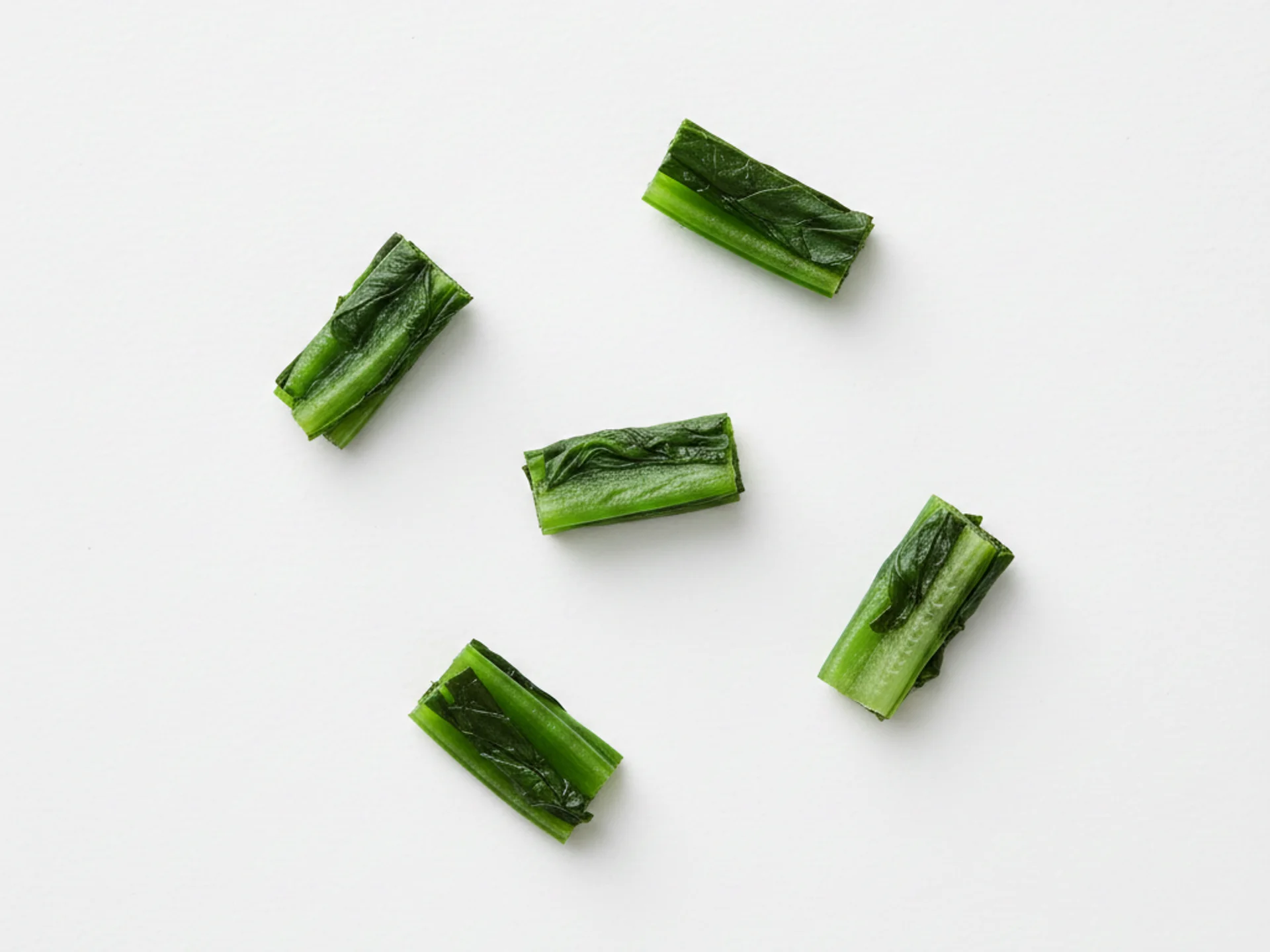
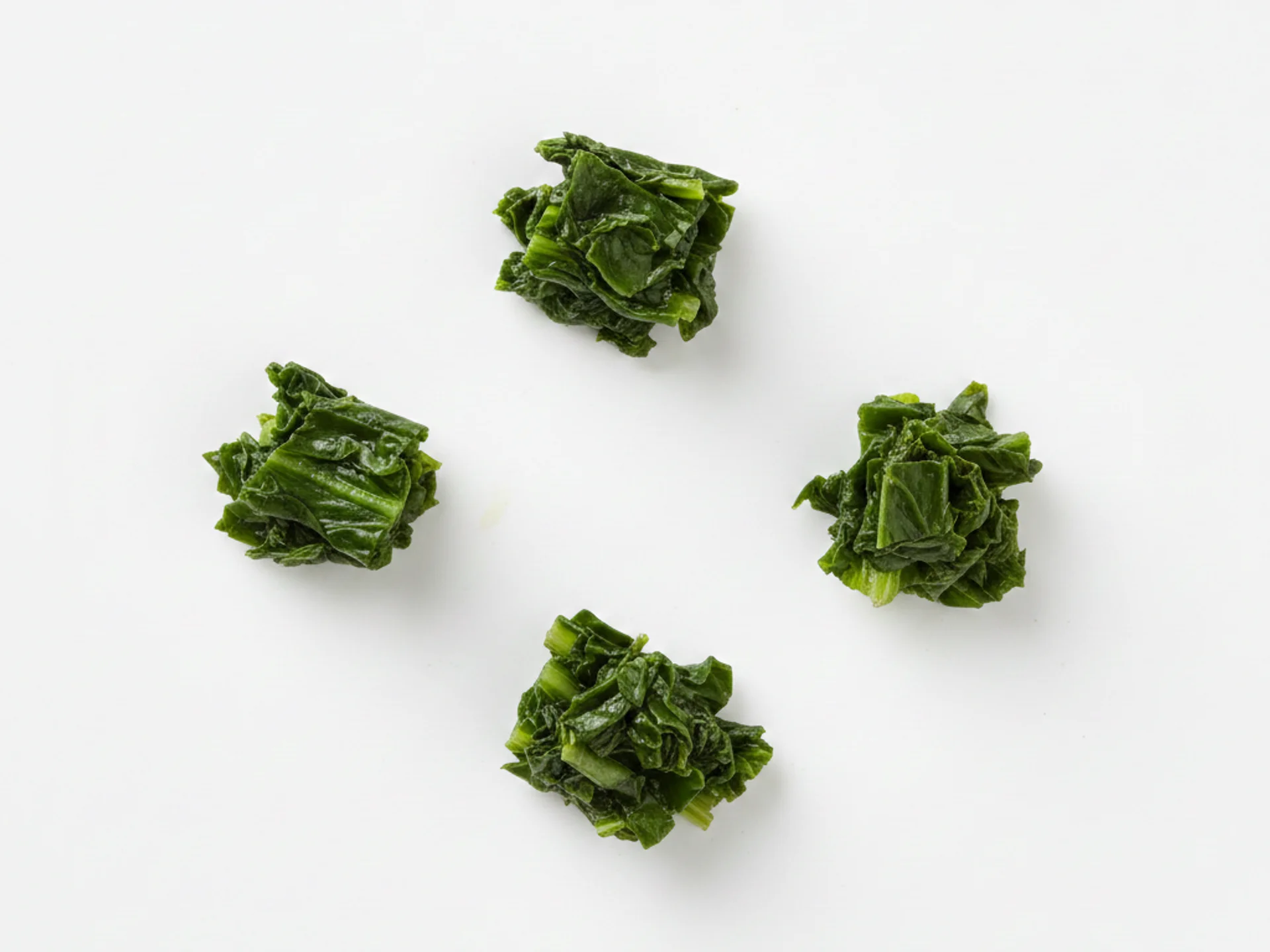
For babies 6-9 months, cook chard until very soft by steaming or boiling, then chop the leaves into small, fingertip-sized pieces or mash them into a puree. Remove any tough stems and mix with other soft foods to create a manageable texture that's easy for your baby to grasp and gum.
6 to 9 months

For babies 6-9 months, cook chard until very soft by steaming or boiling, then chop the leaves into small, fingertip-sized pieces or mash them into a puree. Remove any tough stems and mix with other soft foods to create a manageable texture that's easy for your baby to grasp and gum.

  • Steam chard for 5-7 minutes until wilted and tender.
  • Chop cooked leaves into pieces no larger than a baby's fingertip.
  • Mix mashed chard with oatmeal or yogurt for added moisture.
  • Avoid serving raw or undercooked stems.
  • Offer on a highchair tray to encourage self-feeding.
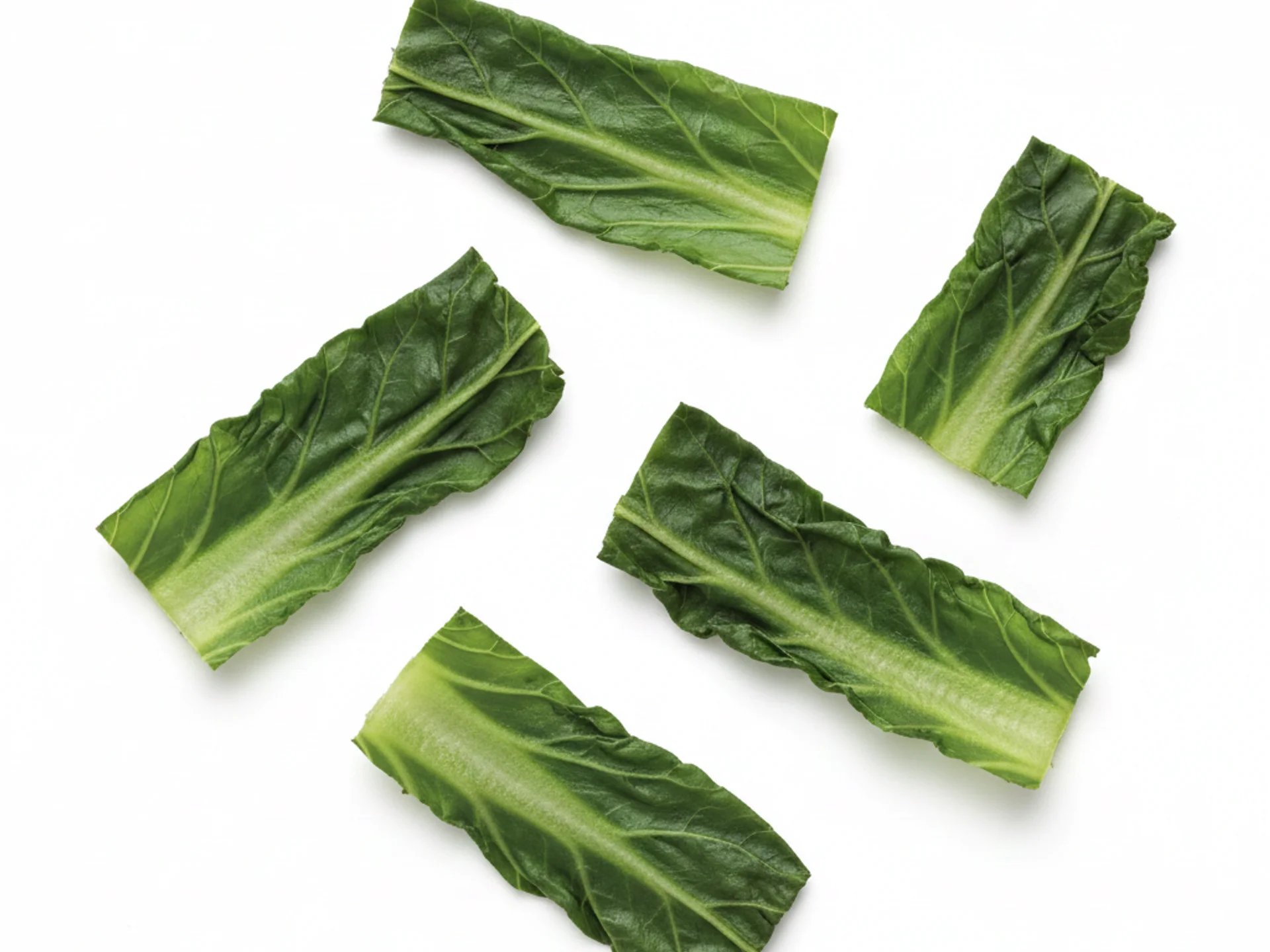
For babies 9-12 months, cook chard until soft but leave it slightly more textured to encourage chewing practice. Cut the leaves into larger, strip-like pieces or incorporate them into soft finger foods like fritters or omelet strips, ensuring they're easy to hold and bite.
9 to 12 months

For babies 9-12 months, cook chard until soft but leave it slightly more textured to encourage chewing practice. Cut the leaves into larger, strip-like pieces or incorporate them into soft finger foods like fritters or omelet strips, ensuring they're easy to hold and bite.

  • Sauté chard with a little olive oil until tender.
  • Cut cooked leaves into long, thin strips for easy gripping.
  • Add chopped chard to scrambled eggs or soft meatballs.
  • Combine with grains like quinoa for a nutrient-packed meal.
  • Monitor for any difficulty with chewing as textures advance.
For toddlers 12 months and up, chard can be served in more varied ways, such as in soups, stir-fries, or as a side dish. Cook until tender but allow for some bite to develop chewing skills, and cut into age-appropriate sizes based on your child's eating abilities.
12 months +

For toddlers 12 months and up, chard can be served in more varied ways, such as in soups, stir-fries, or as a side dish. Cook until tender but allow for some bite to develop chewing skills, and cut into age-appropriate sizes based on your child's eating abilities.

  • Include chard in family meals like pasta sauces or casseroles.
  • Chop into small, bite-sized pieces for safe eating.
  • Encourage self-feeding with utensils as skills improve.
  • Pair with familiar foods to increase acceptance.
  • Experiment with herbs and mild spices to enhance flavor.

Safety & allergens

Choking risk: Low

Chard has a low choking risk when prepared properly. For young babies, always cook until very soft and puree or mash thoroughly. For older babies, chop cooked chard into tiny pieces and avoid serving raw leaves, which can be tough and stringy.

Not a common allergen

Chard is not a top allergen. As with any new food, offer it on its own and watch for any reaction.

Vitamins & minerals

Chard provides excellent nutrition for growing babies. It's rich in vitamin A, which supports healthy vision and immune function[1], and vitamin K, which is important for blood clotting and bone health[4]. The iron content helps prevent anemia and supports cognitive development[3], while the vitamin C enhances iron absorption from plant sources[5]. The magnesium and potassium contribute to healthy muscle and nerve function[6].

Vitamins
Vitamin VITAMIN AVitamin VITAMIN CVitamin VITAMIN KVitamin VITAMIN B6Vitamin VITAMIN B9
Minerals
IronCalciumMagnesiumPotassiumManganese