Coconut

Fruit

Coconut

Coconut is a wonderful tropical fruit to introduce to your baby, offering a naturally sweet flavor and creamy texture that many little ones enjoy. It's packed with healthy fats that support brain development1 and contains important vitamins and minerals. The mild, slightly nutty taste can help expand your baby's palate while providing valuable nutrition.

PPippin Feeding TeamReviewed by feeding specialists · Updated January 2026
First age6m+
CategoryFruit
Common allergenNo
Choking riskMedium

When can babies eat Coconut?

Coconut can be introduced around 6 months when your baby starts solids, as long as it's prepared in an age-appropriate way to prevent choking.

Storage tip

Store fresh coconut in the refrigerator for up to a week, or freeze coconut meat for up to 6 months. Canned coconut milk lasts unopened for 2-3 years, but refrigerate after opening and use within 4-5 days.

How to serve Coconut by age

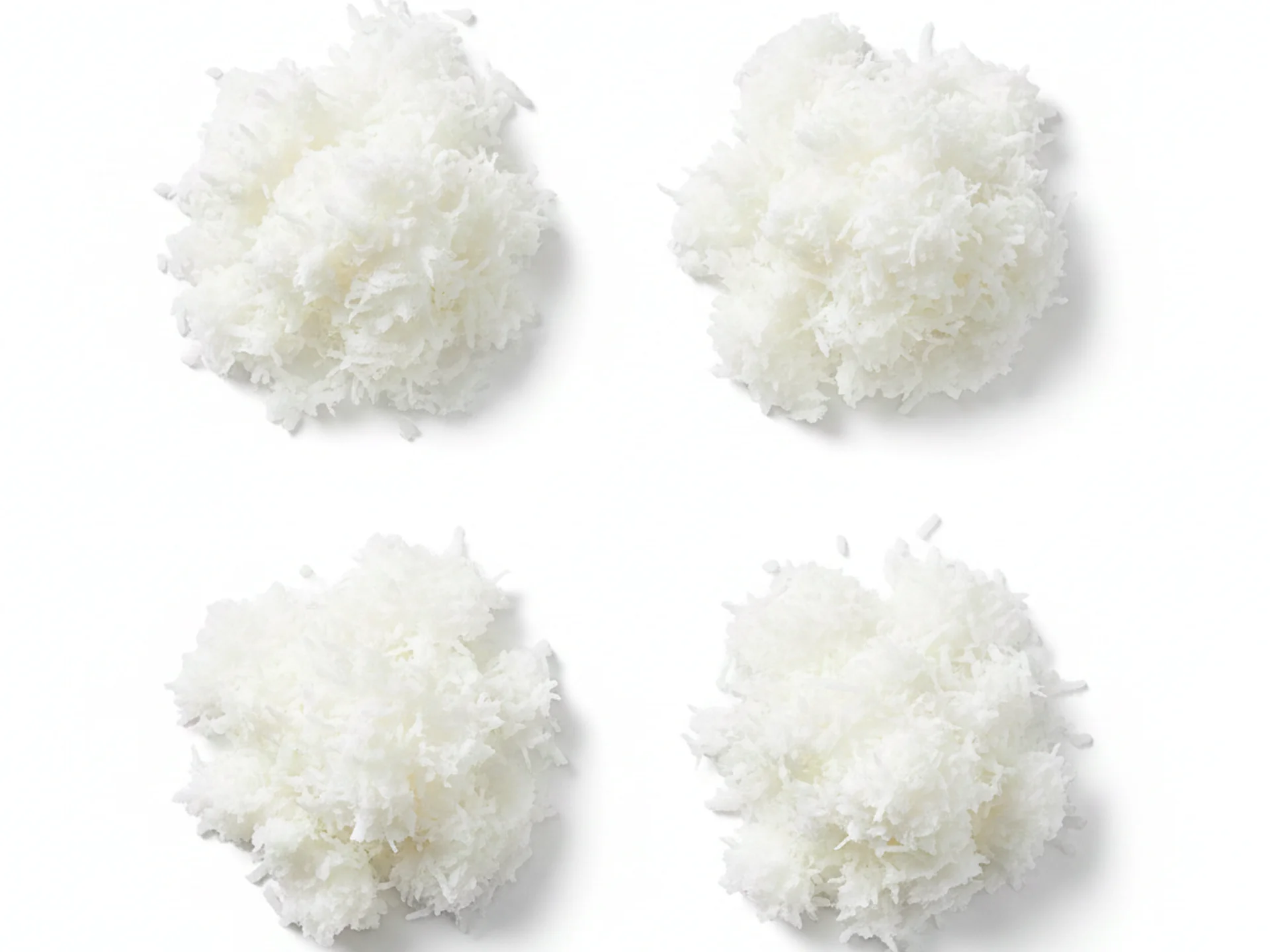
For babies 6-9 months, serve coconut in very soft, manageable forms. Finely shred fresh coconut meat or use unsweetened coconut flakes that have been soaked in warm water to soften. You can also mix finely grated coconut into oatmeal, yogurt, or purees to add texture and flavor.6 to 9 months

For babies 6-9 months, serve coconut in very soft, manageable forms. Finely shred fresh coconut meat or use unsweetened coconut flakes that have been soaked in warm water to soften. You can also mix finely grated coconut into oatmeal, yogurt, or purees to add texture and flavor.

  • Soak unsweetened coconut flakes in warm water for 10 minutes to soften before serving
  • Mix finely shredded coconut into mashed banana or avocado for a creamy combination
  • Avoid large pieces or dry flakes that could be choking hazards
  • Offer coconut as a finger food in tiny, soft clumps that baby can palm
  • Introduce separately first to watch for any rare reactions
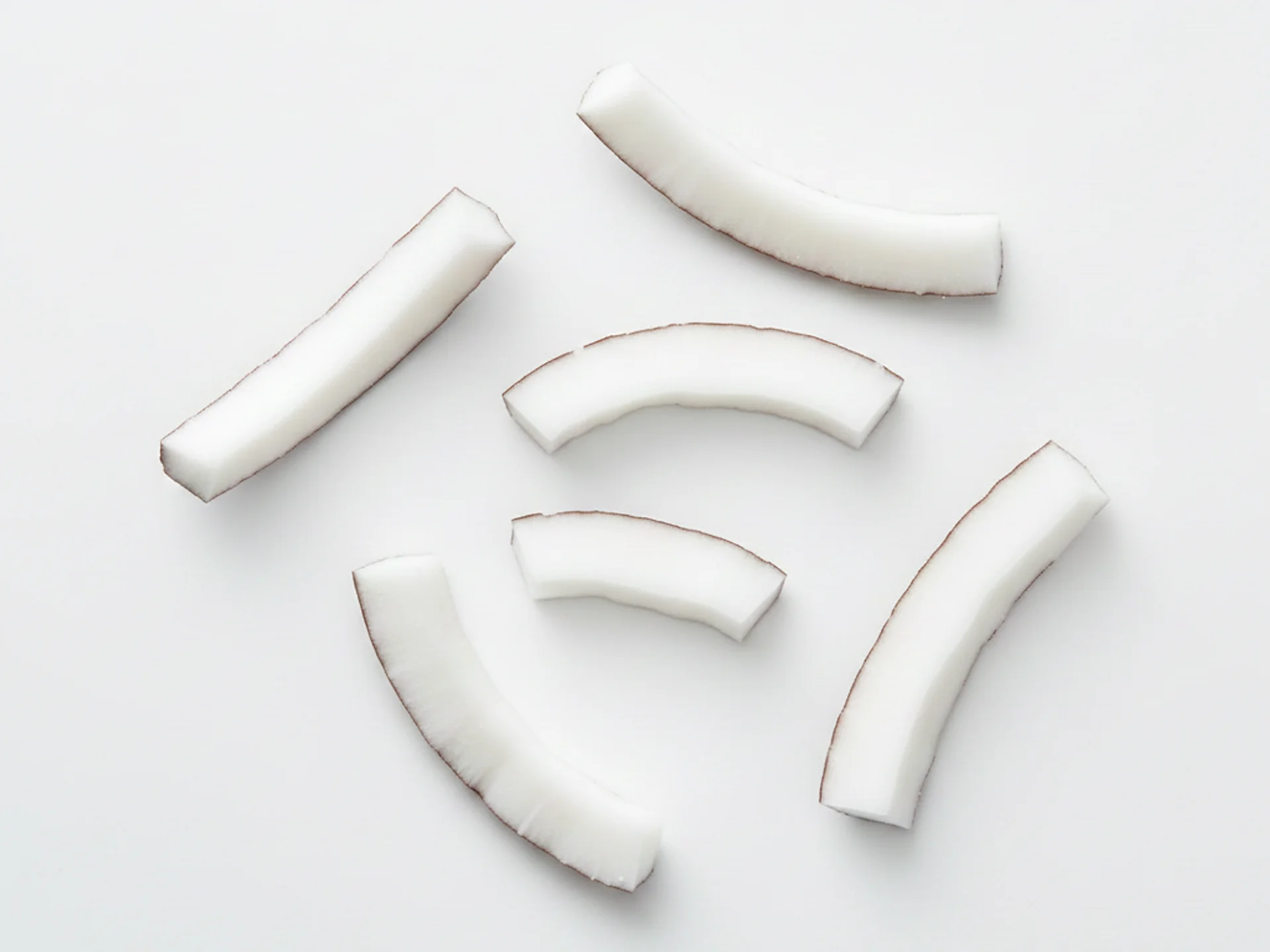
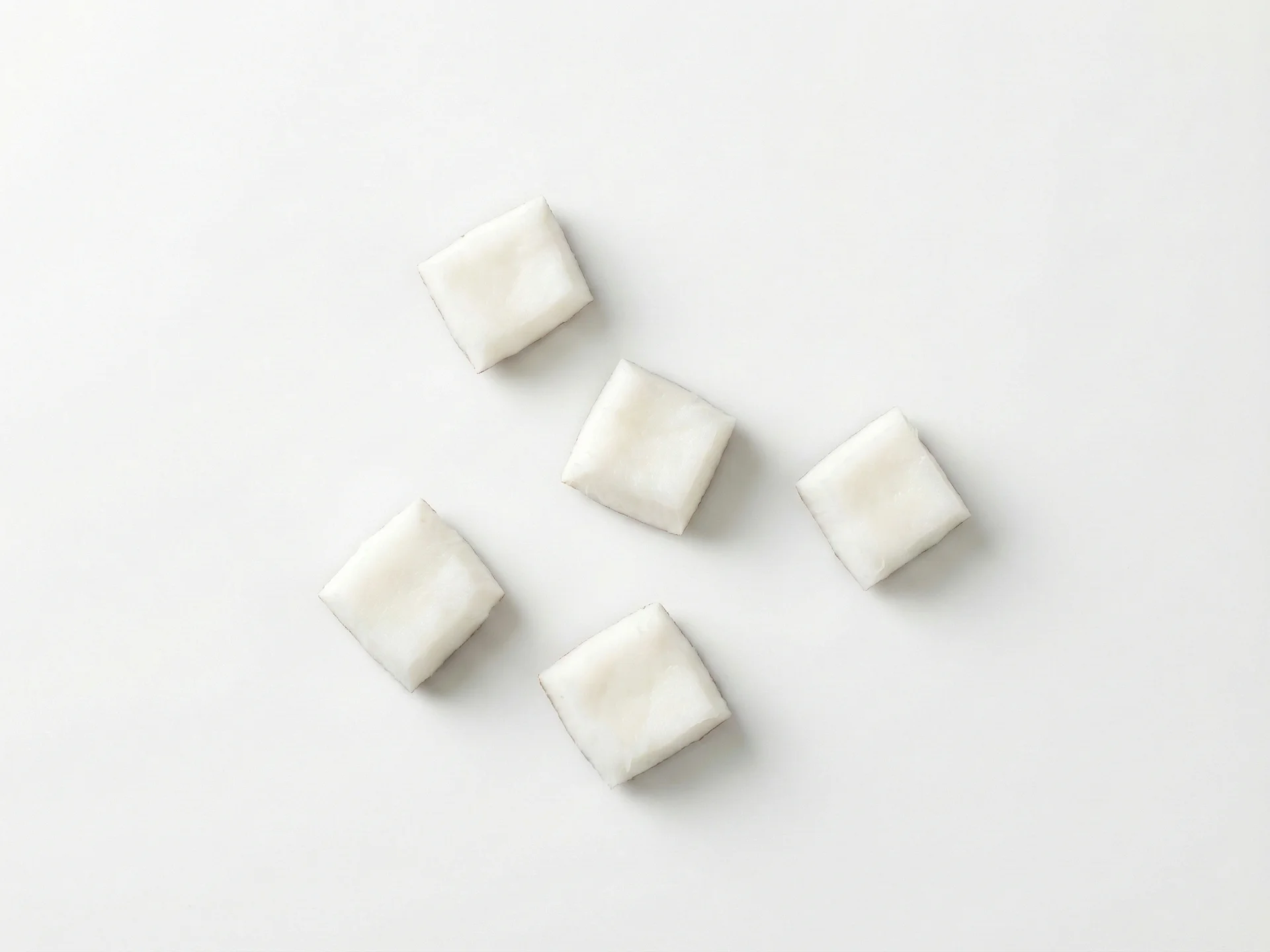
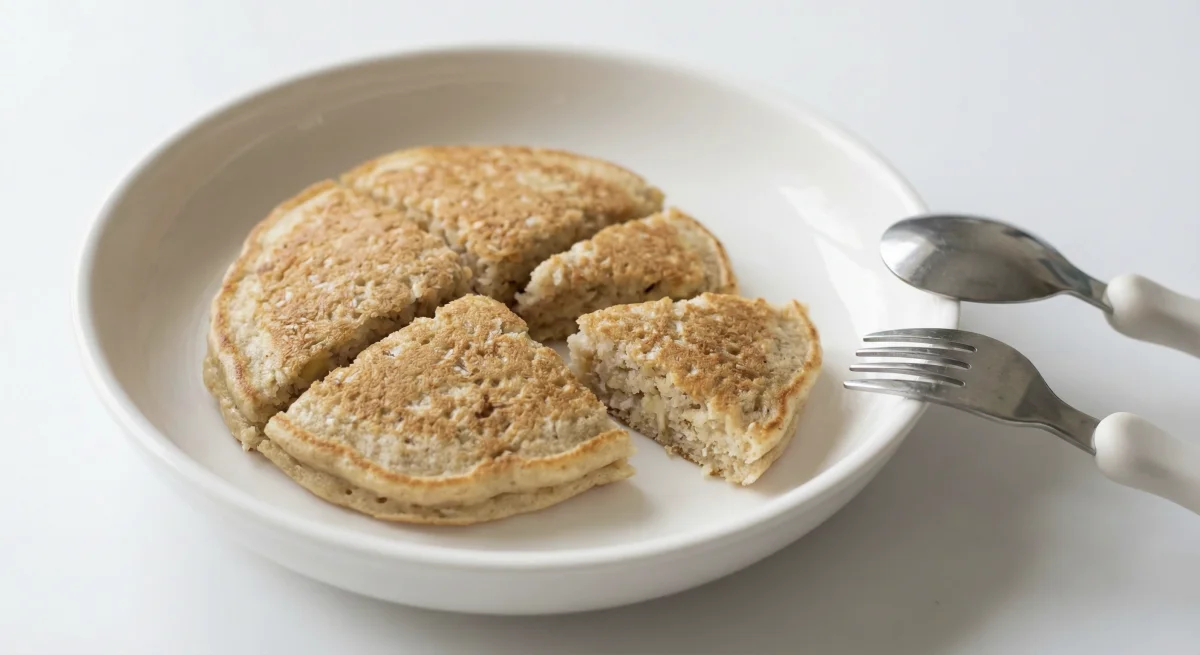
For babies 9-12 months, you can offer slightly more textured coconut preparations. Thin strips of soft, fresh coconut meat (about the size of an adult pinky finger) work well for practicing the pincer grasp. You can also incorporate coconut into baked goods or pancakes.9 to 12 months

For babies 9-12 months, you can offer slightly more textured coconut preparations. Thin strips of soft, fresh coconut meat (about the size of an adult pinky finger) work well for practicing the pincer grasp. You can also incorporate coconut into baked goods or pancakes.

  • Cut fresh coconut into thin, flat strips that are easy to hold and gum
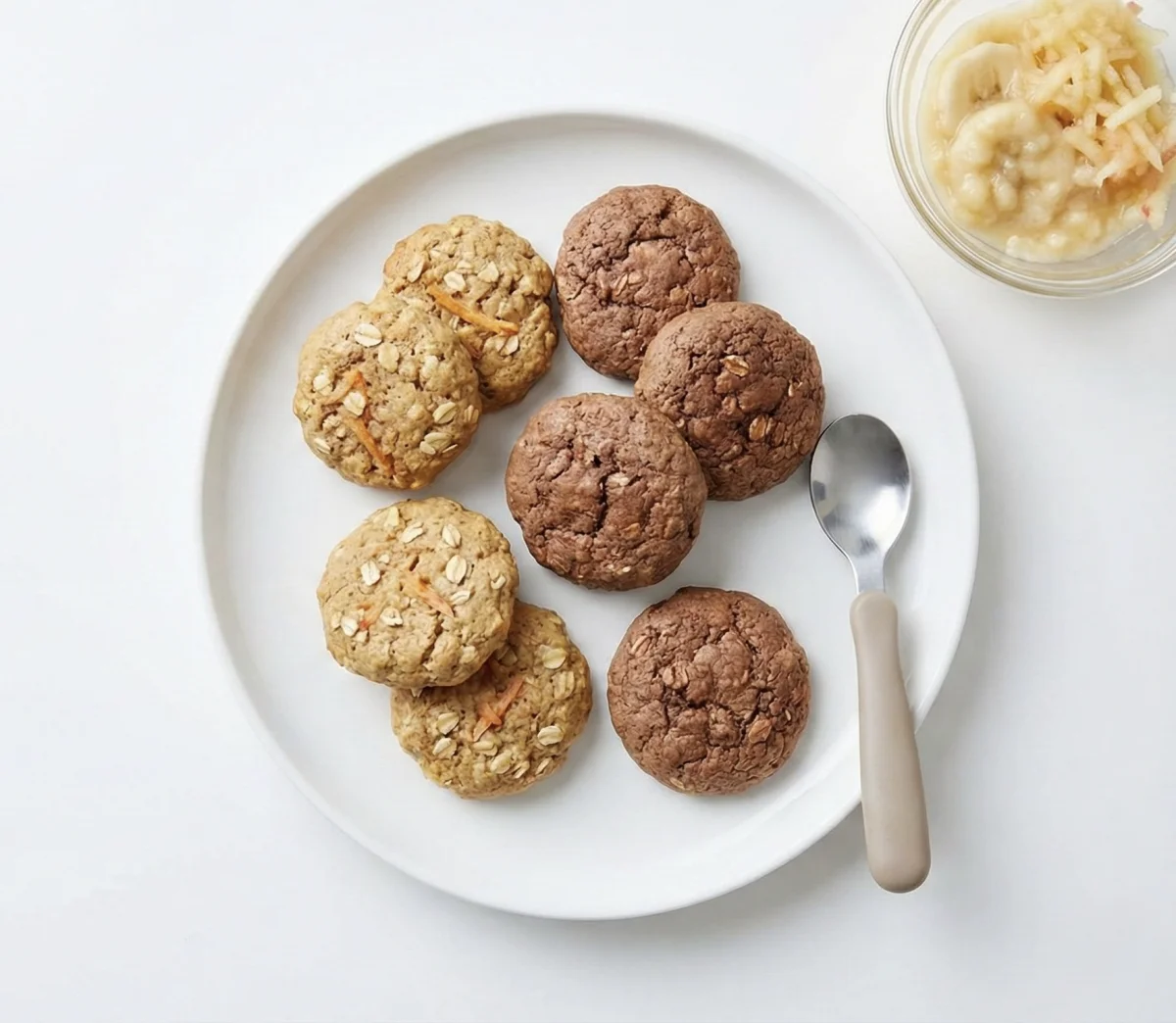
  • Add shredded coconut to baby-friendly muffins or pancakes for added nutrition
  • Mix coconut into cooked grains like quinoa or rice for varied textures
  • Offer coconut alongside other foods to encourage self-feeding practice
  • Monitor for any difficulty with the fibrous texture as chewing skills develop
For toddlers 12 months and up, coconut can be enjoyed in more varied forms. You can offer small pieces of fresh coconut, use coconut milk in cooking, or add shredded coconut to various dishes. Continue to avoid sweetened coconut products and monitor portion sizes due to the high fat content.12 months +

For toddlers 12 months and up, coconut can be enjoyed in more varied forms. You can offer small pieces of fresh coconut, use coconut milk in cooking, or add shredded coconut to various dishes. Continue to avoid sweetened coconut products and monitor portion sizes due to the high fat content.

  • Include coconut in stir-fries, curries, or grain bowls for family meals
  • Use coconut milk as a base for soups or sauces (choose full-fat, unsweetened varieties)
  • Make coconut energy balls with oats, dates, and shredded coconut as a healthy snack
  • Offer coconut water occasionally as a hydrating drink, diluted with regular water
  • Teach your toddler to chew coconut thoroughly due to its fibrous nature

Safety & allergens

Choking risk: Medium

Coconut can be a choking hazard due to its firm texture and potential for small, hard pieces. Always prepare coconut in age-appropriate ways: puree for younger babies, finely shred for older babies, and avoid large chunks. Supervise your baby closely during feeding.

Not a common allergen

Coconut is not a top allergen. As with any new food, offer it on its own and watch for any reaction.

Vitamins & minerals

Coconut provides healthy medium-chain triglycerides (MCTs) that are easily digested and support brain development in infants1. It contains iron which is crucial for preventing anemia and supporting growth2, along with potassium that helps maintain healthy fluid balance3. The fiber content can support regular digestion4, and the vitamin C helps boost iron absorption5.

Vitamins
Vitamin CVitamin EVitamin B1Vitamin B3Vitamin B5Vitamin B6Vitamin B9
Minerals
IronCalciumMagnesiumPotassiumPhosphorusManganeseCopperSelenium

Nutritional synergy

Pair coconut with iron-rich foods like spinach or lentils, as the vitamin C in coconut enhances iron absorption5. The healthy fats also help your baby absorb fat-soluble vitamins from other foods.

Common questions

What's the best way to serve coconut to my 6-month-old?

For young babies, blend fresh coconut meat with breast milk, formula, or water to create a smooth puree. You can also mix a small amount of coconut milk into oatmeal or other purees. Start with just a teaspoon to see how your baby reacts.

Can coconut cause constipation or diarrhea in babies?

Coconut contains fiber that typically supports regular digestion4, but like any new food, introducing too much too quickly might cause temporary digestive changes. Start with small amounts and gradually increase. If you notice persistent issues, consult your pediatrician.

Is coconut milk a good alternative to dairy milk for babies?

While coconut milk can be used in cooking and mixed into foods, it shouldn't replace breast milk or formula as a primary drink before 12 months. After 12 months, consult your pediatrician about appropriate milk alternatives if needed.

Sources & references

  1. 1Fernandes et al., 2015
  2. 2WHO, 2020
  3. 3NIH Office of Dietary Supplements, 2021
  4. 4USDA FoodData Central, 2024
  5. 5Lynch & Cook, 2010