FoodsFruitLychee
Lychee

Fruit

Lychee

Lychee is a sweet, juicy tropical fruit with a unique floral flavor and soft texture that many babies enjoy. It's packed with vitamin C, which supports your baby's immune system and helps their body absorb iron from other foods.[1] The natural sugars provide quick energy, while the fiber content aids in healthy digestion.[2]

6m+Not a common allergenChoking risk: Medium
First age6m+
CategoryFruit
Common allergenNo
Choking riskMedium

When can babies eat Lychee?

Lychee can be introduced around 6 months when your baby starts solids, as long as it's prepared safely to avoid choking. It's a great way to introduce new flavors and textures.

How to serve Lychee by age

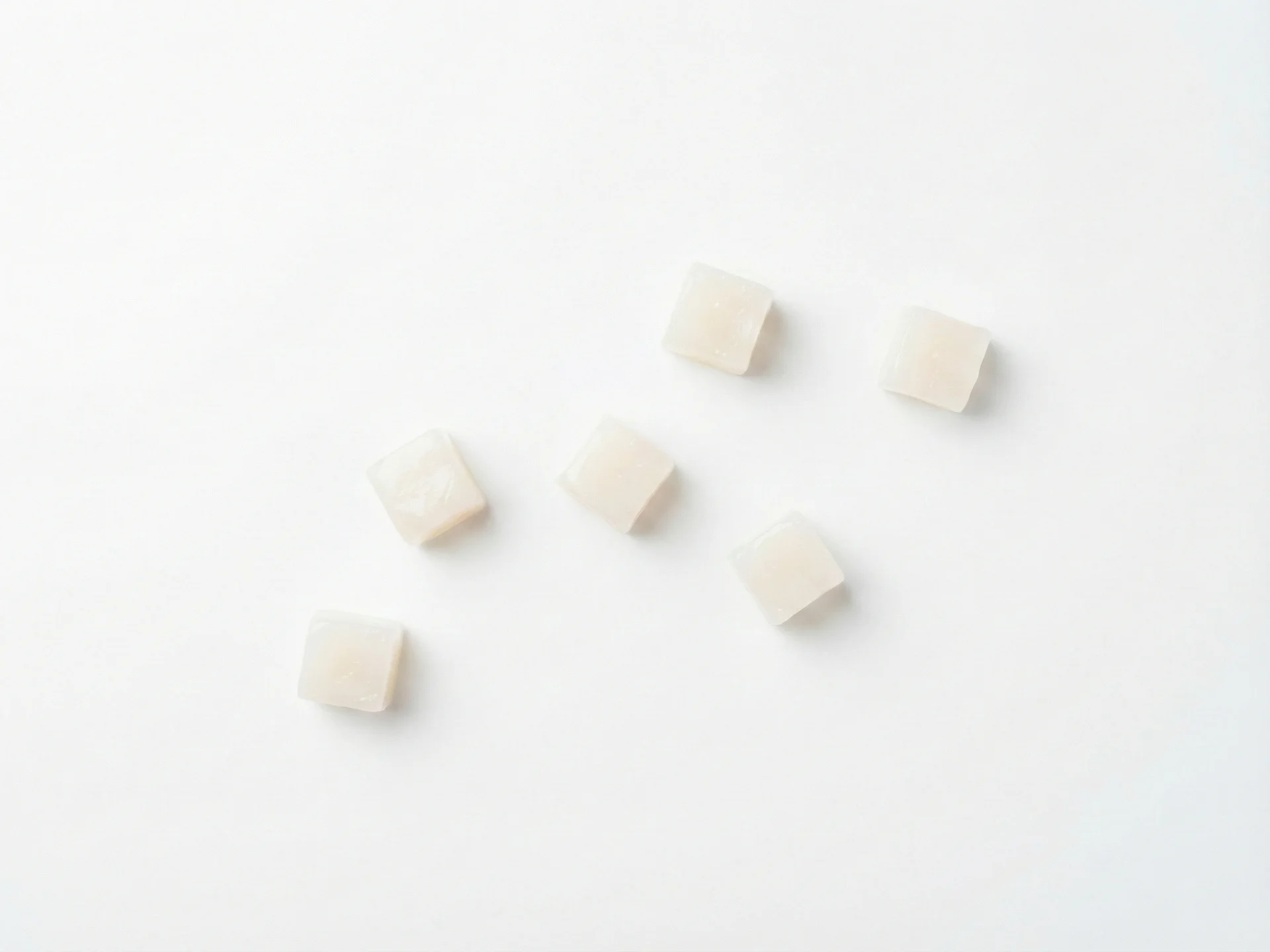
For babies 6-9 months, peel the lychee completely and remove the pit. Mash it into a soft puree or cut into very small, fingertip-sized pieces that are easy to gum. Ensure the texture is smooth to prevent choking.
6 to 9 months

For babies 6-9 months, peel the lychee completely and remove the pit. Mash it into a soft puree or cut into very small, fingertip-sized pieces that are easy to gum. Ensure the texture is smooth to prevent choking.

  • Always supervise your baby while eating.
  • Test the ripeness by pressing gently—it should be soft but not mushy.
  • Offer small amounts initially to check for tolerance.
  • Mix with oatmeal or yogurt for added texture variety.
  • Avoid adding sugar or sweeteners.
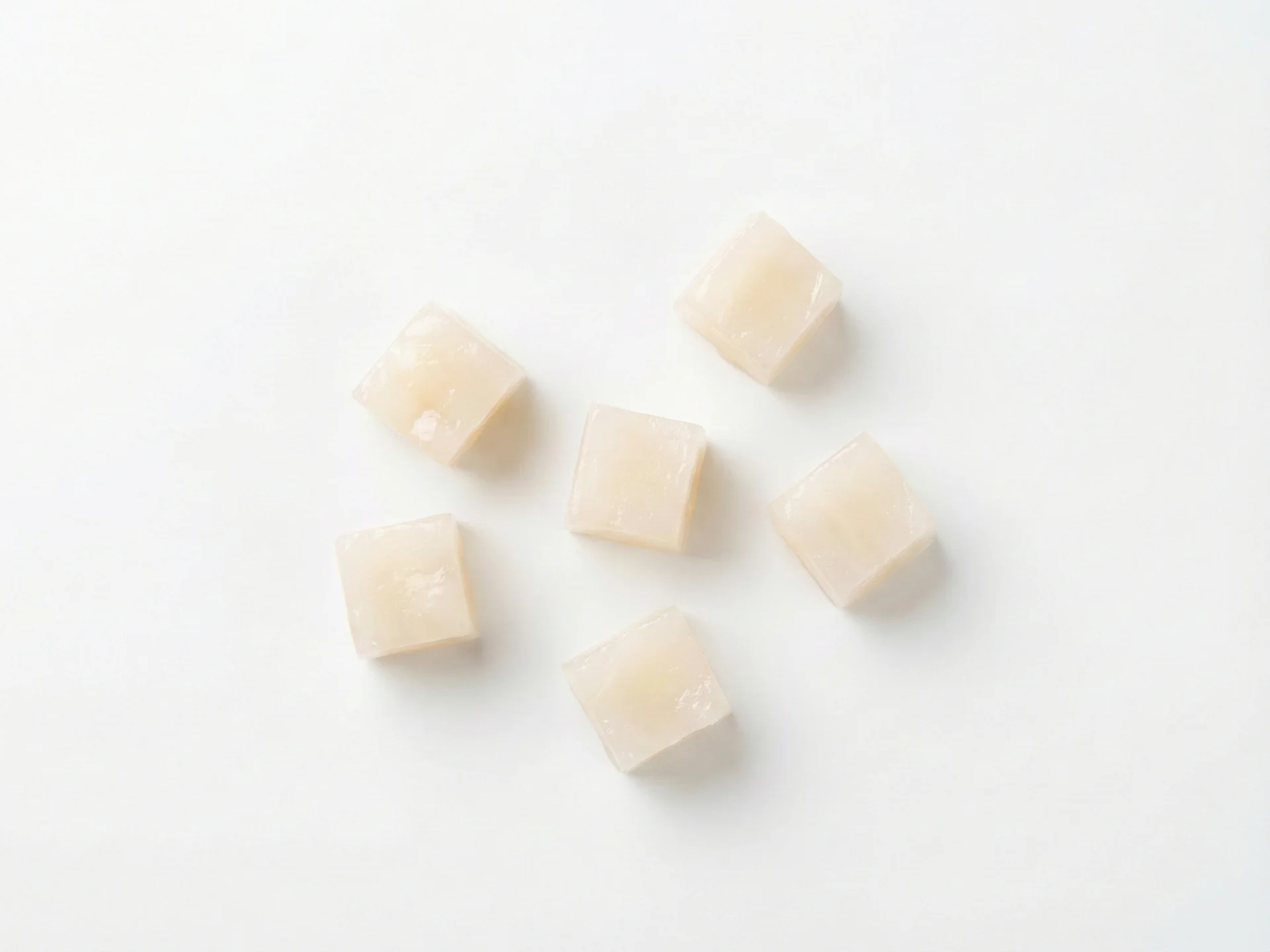
For babies 9-12 months, peel and pit the lychee, then cut into small, bite-sized cubes or slices that they can pick up with their fingers. The pieces should be soft enough to mash easily with gums.
9 to 12 months

For babies 9-12 months, peel and pit the lychee, then cut into small, bite-sized cubes or slices that they can pick up with their fingers. The pieces should be soft enough to mash easily with gums.

  • Encourage self-feeding by placing pieces on their tray.
  • Combine with other soft fruits like banana for a fruit salad.
  • Monitor for any difficulty chewing or swallowing.
  • Use as a topping on pancakes or toast strips.
  • Keep portions small to avoid overconsumption of natural sugars.
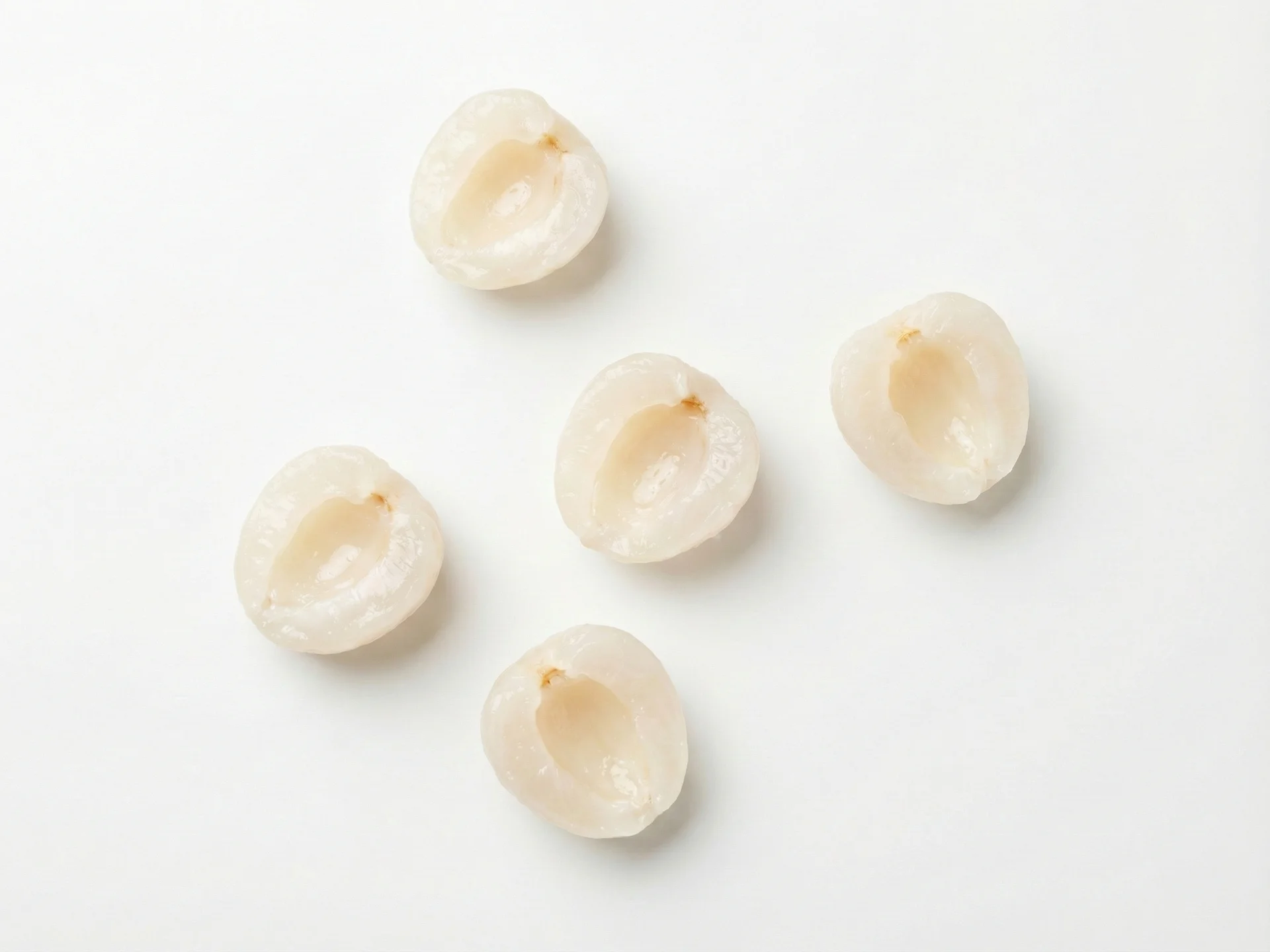
For toddlers 12 months and up, you can offer peeled and pitted lychee halves or larger slices that they can bite into. They can also enjoy it in smoothies or as part of mixed dishes.
12 months +

For toddlers 12 months and up, you can offer peeled and pitted lychee halves or larger slices that they can bite into. They can also enjoy it in smoothies or as part of mixed dishes.

  • Teach them to spit out any remaining seeds if present.
  • Incorporate into meals like fruit kebabs or yogurt parfaits.
  • Watch for signs of overeating, as lychee is sweet.
  • Experiment with freezing lychee for a cool treat.
  • Pair with protein sources like cheese for balanced snacks.

Safety & allergens

Choking risk: Medium

Lychees have a slippery texture and round shape that can pose a choking risk. Always remove the tough outer skin and hard seed completely. For babies under 12 months, mash or puree the flesh thoroughly. For older babies, cut into very small, soft pieces.

Not a common allergen

Lychee is not a top allergen. As with any new food, offer it on its own and watch for any reaction.

Vitamins & minerals

Lychee is an excellent source of vitamin C, providing over 100% of daily needs in just 100g, which helps boost immunity and enhances iron absorption.[1] It also contains vitamin B6 for brain development[3] and potassium for healthy nerve and muscle function.[4] The copper content supports red blood cell formation and connective tissue health.[5]

Vitamins
Vitamin VITAMIN CVitamin VITAMIN B6Vitamin VITAMIN B9
Minerals
PotassiumCopper