FoodsFruitGuava
Guava

Fruit

Guava

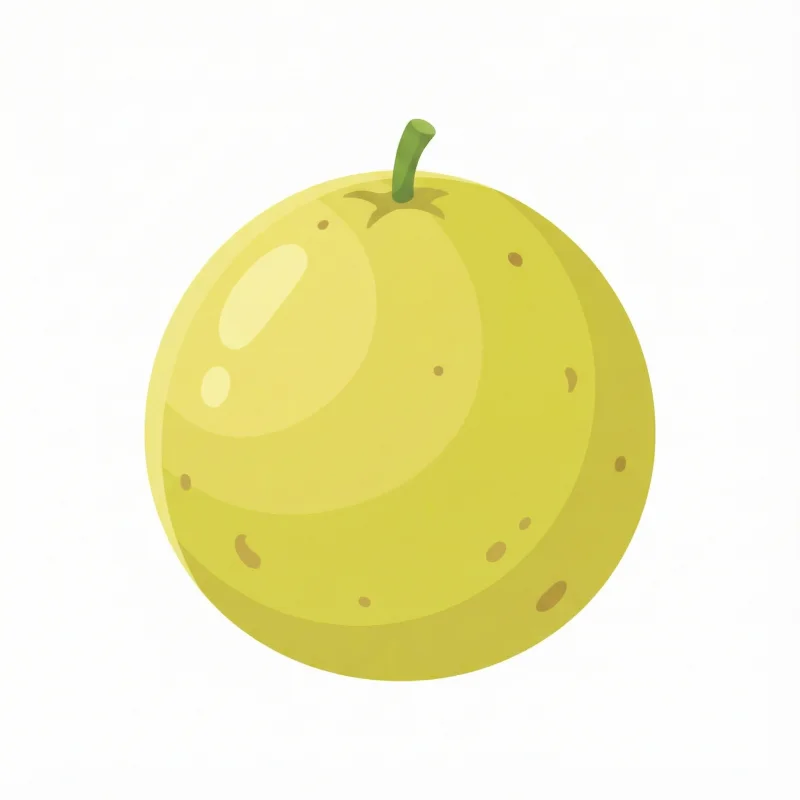
Guava is a tropical fruit with a sweet, slightly tangy flavor and soft, edible seeds that add a pleasant texture. It's packed with vitamin C, which supports your baby's immune system and helps their body absorb iron from other foods.[1] The fiber in guava can also help promote healthy digestion and prevent constipation.[2]

6m+Not a common allergenChoking risk: Low
First age6m+
CategoryFruit
Common allergenNo
Choking riskLow

When can babies eat Guava?

Guava can be introduced around 6 months when your baby starts solids, as it's soft and easy to puree. It's a great first fruit to offer alongside other single-ingredient foods.

How to serve Guava by age

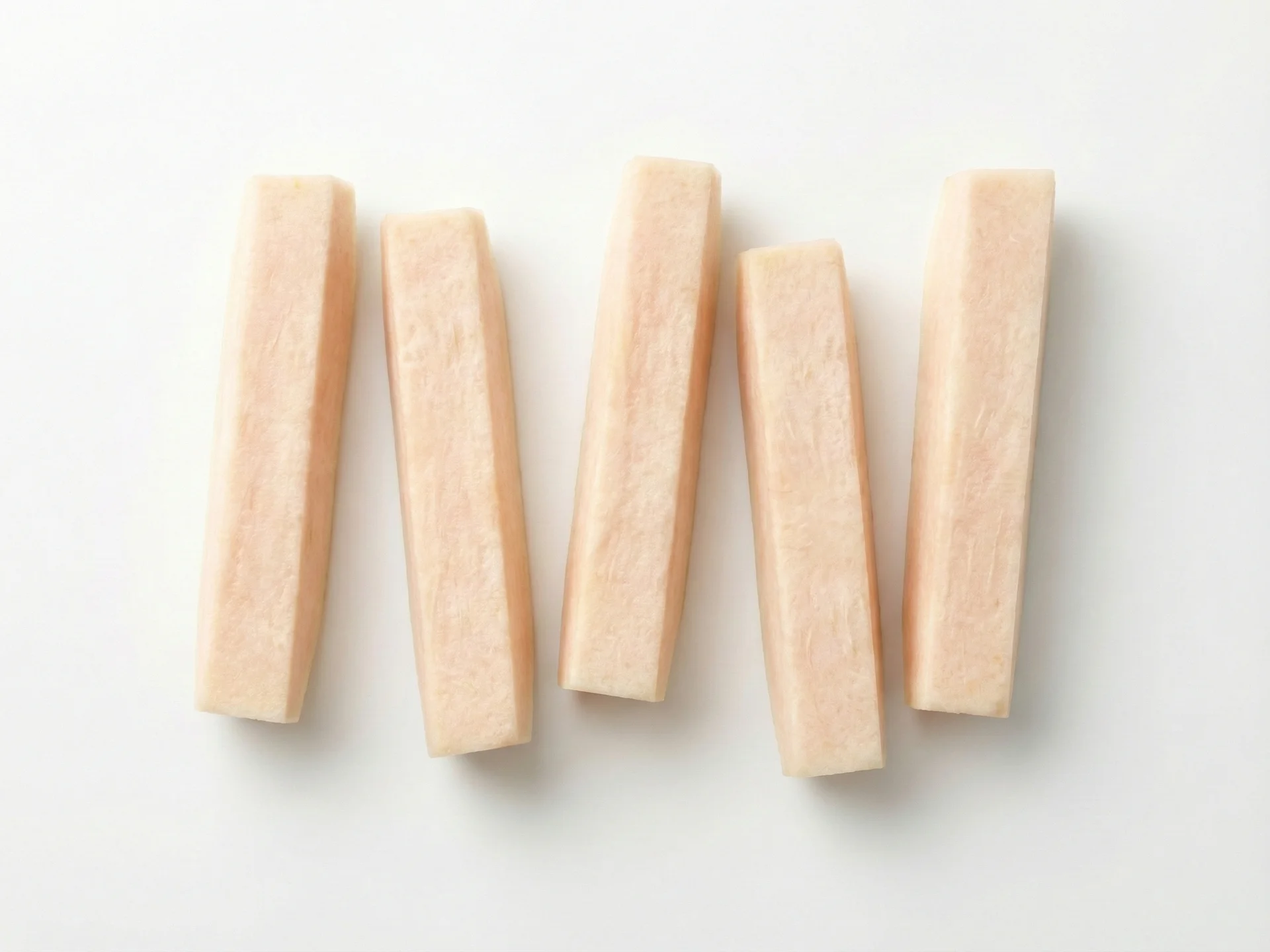
For babies 6-9 months, peel the guava completely and remove all seeds. Mash the flesh thoroughly with a fork until smooth, or cut into large, flat spears that your baby can hold and gum. The spears should be about the size of two adult fingers pressed together for easy gripping.
6 to 9 months

For babies 6-9 months, peel the guava completely and remove all seeds. Mash the flesh thoroughly with a fork until smooth, or cut into large, flat spears that your baby can hold and gum. The spears should be about the size of two adult fingers pressed together for easy gripping.

  • Choose very ripe guavas that mash easily
  • Remove all seeds carefully with a spoon
  • Serve mashed guava on a pre-loaded spoon for self-feeding
  • Offer large, flat spears if doing finger foods
  • Mix mashed guava with oatmeal or yogurt for variety
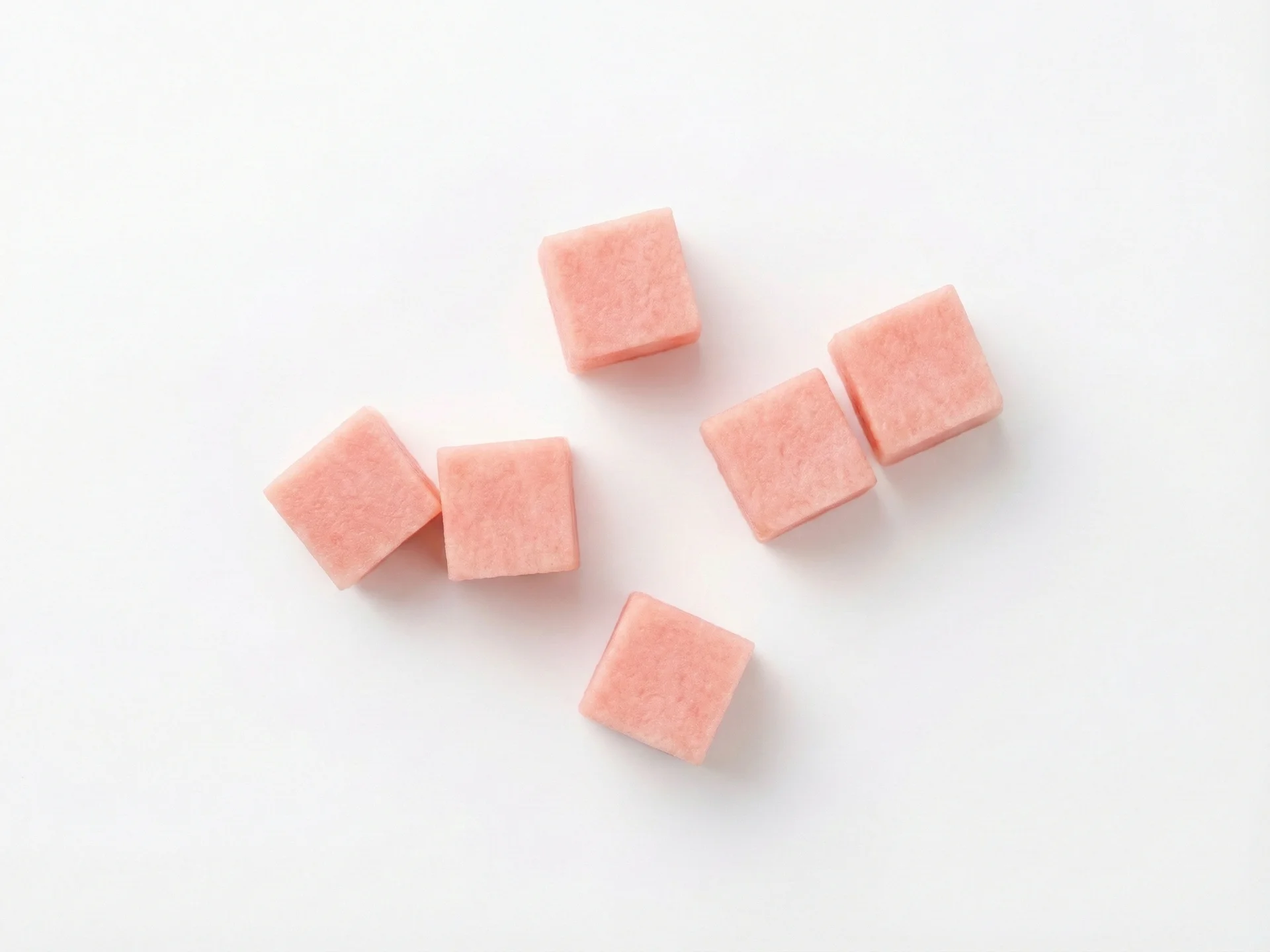
For babies 9-12 months, you can offer peeled guava cut into small, bite-sized pieces or thin slices. The pieces should be about the size of a pea to minimize choking risk. You can also offer larger pieces that require more chewing practice as your baby develops their pincer grasp.
9 to 12 months

For babies 9-12 months, you can offer peeled guava cut into small, bite-sized pieces or thin slices. The pieces should be about the size of a pea to minimize choking risk. You can also offer larger pieces that require more chewing practice as your baby develops their pincer grasp.

  • Cut guava into pea-sized pieces for self-feeding
  • Leave very soft, thin skin on if desired for texture exposure
  • Combine with other soft fruits in a fruit salad
  • Offer on a fork for utensil practice
  • Freeze small pieces for soothing teething relief
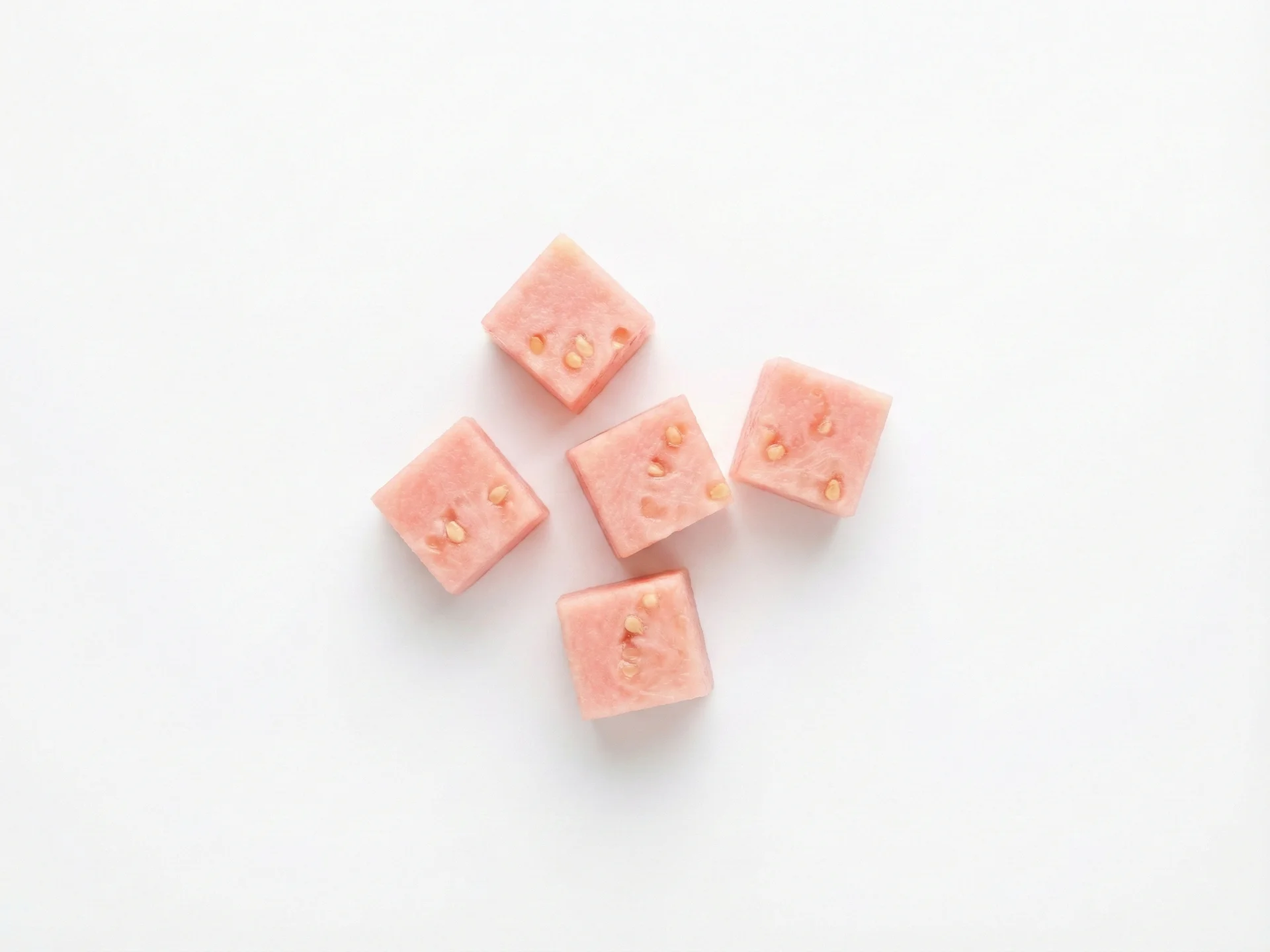
For toddlers 12 months and older, guava can be served with or without skin based on your child's chewing ability. Cut into wedges, slices, or cubes that are easy to handle. You can also incorporate guava into smoothies, baked goods, or as a topping for cereals and yogurt.
12 months +

For toddlers 12 months and older, guava can be served with or without skin based on your child's chewing ability. Cut into wedges, slices, or cubes that are easy to handle. You can also incorporate guava into smoothies, baked goods, or as a topping for cereals and yogurt.

  • Involve your toddler in washing and preparing guava
  • Try grilling guava slices for a different texture
  • Add diced guava to pancakes or muffins
  • Make guava popsicles by blending with yogurt
  • Use as a natural sweetener in oatmeal or porridge

Safety & allergens

Choking risk: Low

Guava is naturally soft when ripe, making it a low choking risk. For babies under 9 months, always peel the skin and remove any hard seeds before pureeing or mashing thoroughly. For older babies, you can offer small, soft pieces that they can gum easily.

Not a common allergen

Guava is not a top allergen. As with any new food, offer it on its own and watch for any reaction.

Vitamins & minerals

Guava is exceptionally rich in vitamin C, providing more than four times the amount found in oranges per 100g, which helps boost your baby's immune function and enhances iron absorption.[1] It also contains vitamin A for healthy vision and skin, and potassium to support heart and muscle function.[3] The fiber content aids digestion and can help regulate bowel movements.[2]

Vitamins
Vitamin VITAMIN CVitamin VITAMIN AVitamin VITAMIN EVitamin VITAMIN KVitamin VITAMIN B9
Minerals
PotassiumMagnesiumCopperManganese