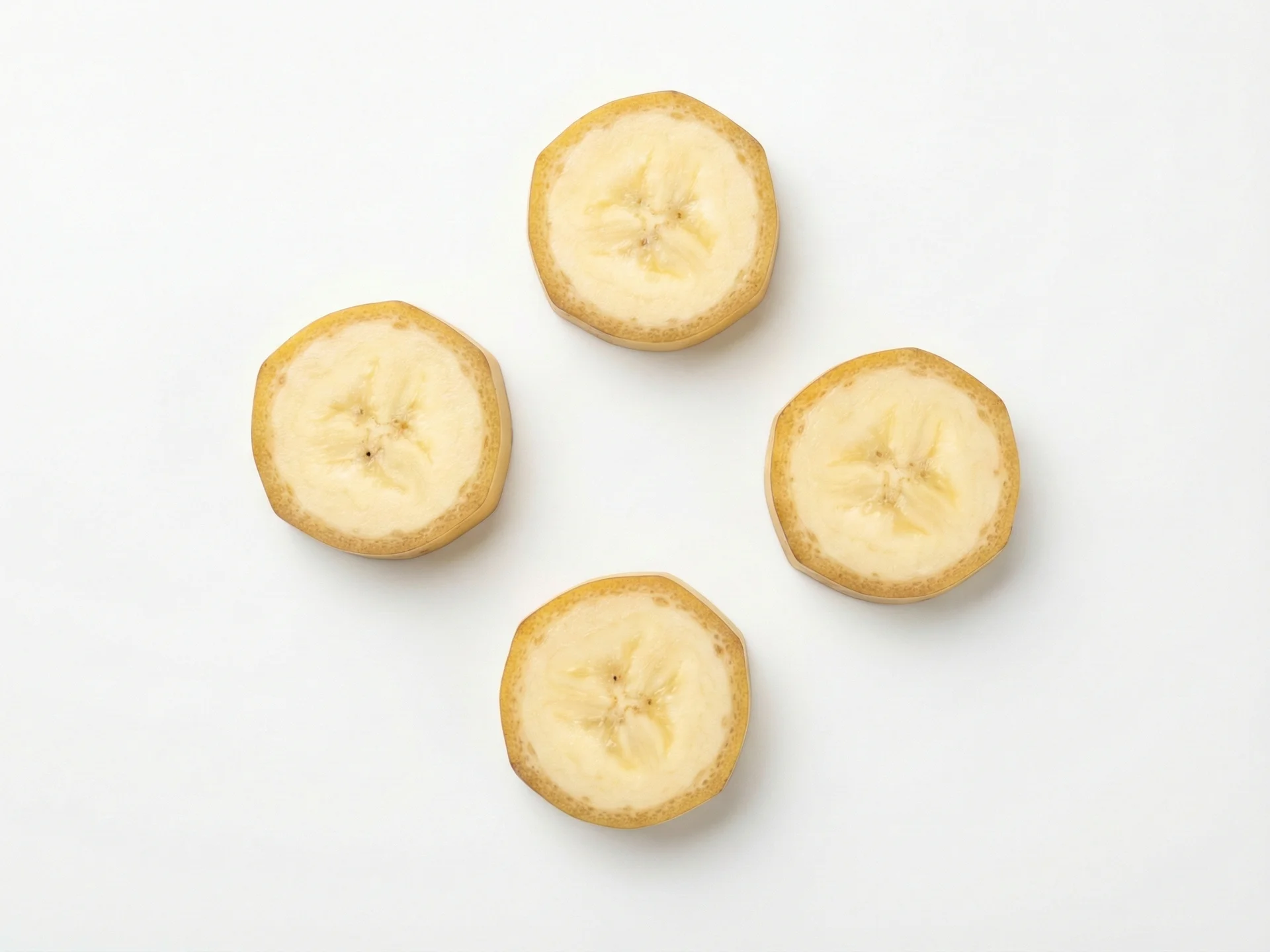
Apple banana

Fruit

Apple banana

Apple banana is a wonderful first food for babies, offering a naturally sweet taste and smooth texture that most little ones love. It's packed with Vitamin C to support your baby's developing immune system1 and provides potassium for healthy heart and muscle function2. The gentle flavor makes it an easy introduction to solids, and its soft consistency is perfect for early eaters.

PPippin Feeding TeamReviewed by feeding specialists · Updated July 2026
First age6m+
CategoryFruit
Common allergenNo
Choking riskLow

When can babies eat Apple banana?

You can introduce apple banana around 6 months when your baby shows signs of readiness for solids, like sitting up with support and showing interest in food. It's a great first food because it's easy to digest and rarely causes allergic reactions.

Storage tip

Store ripe apple bananas at room temperature for 1-2 days. Once peeled, they brown quickly, so prepare just before serving or sprinkle with a little lemon juice to prevent discoloration. You can also freeze mashed banana in ice cube trays for up to 2 months.

How to serve Apple banana by age

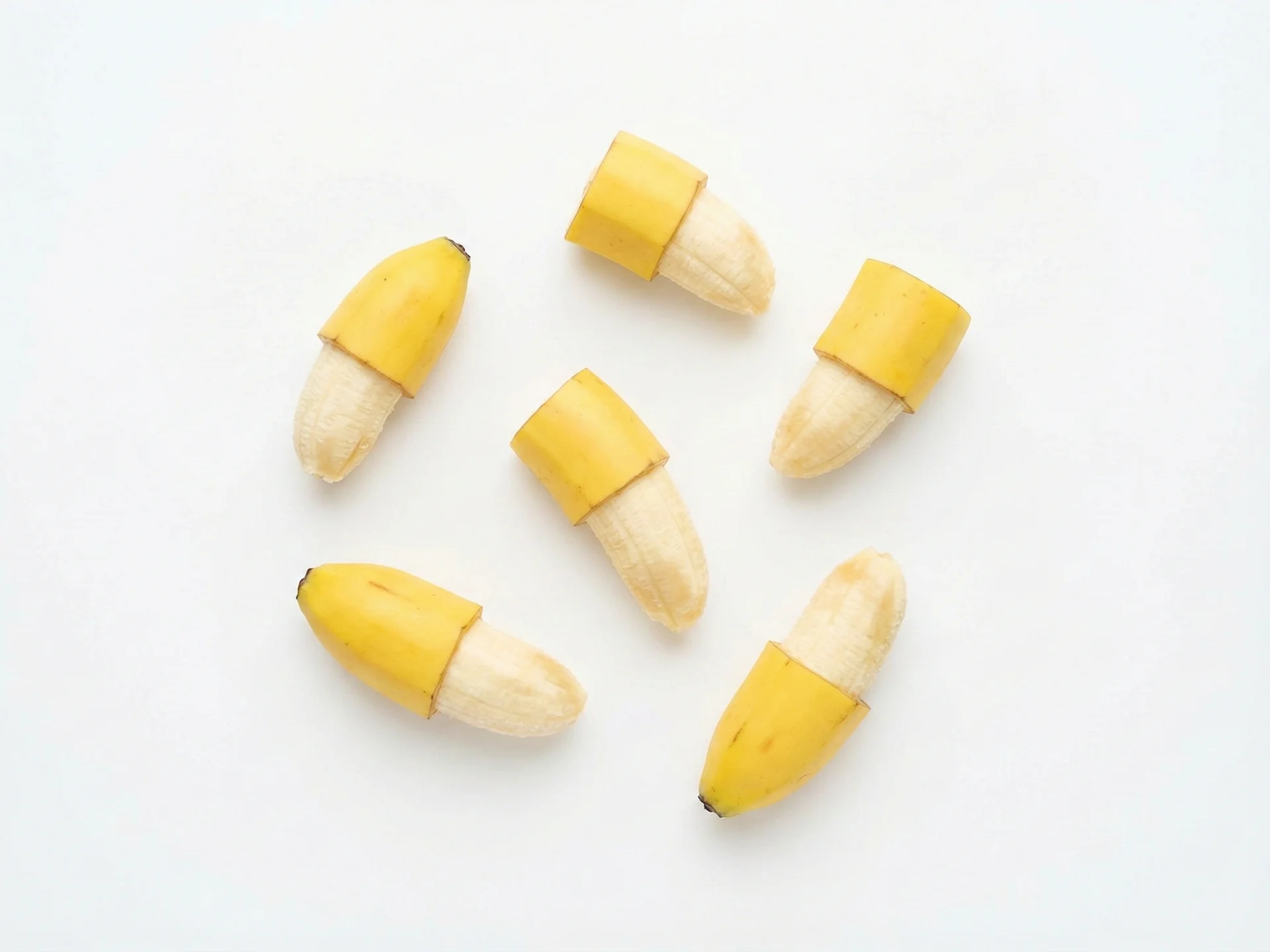
For 6-9 month olds, serve apple banana in large, graspable pieces about the length and width of an adult finger. Leave some peel at the bottom as a handle for easier holding. The banana should be very ripe and soft enough to mash between your fingers.6 to 9 months

For 6-9 month olds, serve apple banana in large, graspable pieces about the length and width of an adult finger. Leave some peel at the bottom as a handle for easier holding. The banana should be very ripe and soft enough to mash between your fingers.

  • Choose very ripe bananas with brown speckles for easiest mashing
  • Cut lengthwise into quarters for better grip
  • Consider lightly steaming (2-3 minutes) if banana isn't soft enough
  • Supervise closely as babies may break off large pieces
  • Serve at room temperature for best texture
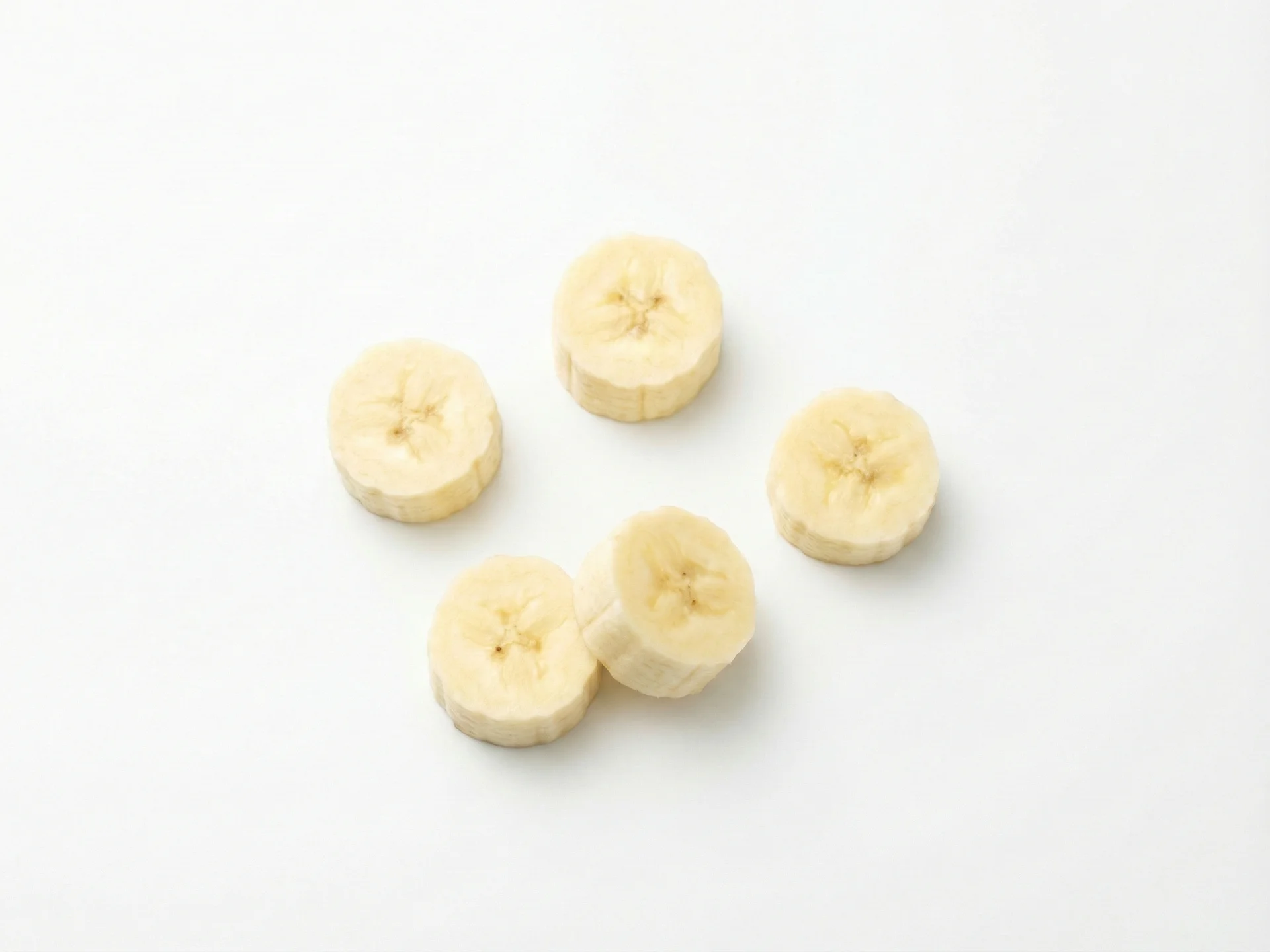
For 9-12 month olds, you can offer smaller pieces as their pincer grasp develops. Cut ripe apple banana into bite-sized pieces or thin slices. The banana can be slightly firmer than for younger babies as they develop chewing skills.9 to 12 months

For 9-12 month olds, you can offer smaller pieces as their pincer grasp develops. Cut ripe apple banana into bite-sized pieces or thin slices. The banana can be slightly firmer than for younger babies as they develop chewing skills.

  • Cut into pea-sized pieces for pincer grasp practice
  • Mix with yogurt or oatmeal for varied textures
  • Try freezing small pieces for teething relief
  • Combine with other soft fruits for flavor exploration
  • Offer both mashed and whole pieces for texture variety
For toddlers 12 months and up, apple banana can be served in various ways - whole (with supervision), sliced, mashed, or incorporated into recipes. They can practice taking bites from a whole banana with your help.12 months +

For toddlers 12 months and up, apple banana can be served in various ways - whole (with supervision), sliced, mashed, or incorporated into recipes. They can practice taking bites from a whole banana with your help.

  • Teach how to peel a banana with assistance
  • Use in smoothies, pancakes, or oatmeal bakes
  • Freeze for healthy 'ice cream' alternative
  • Pair with nut butters for added protein
  • Let toddler help mash with fork for sensory play

Safety & allergens

Choking risk: Low

Apple banana has a very low choking risk when prepared appropriately. For young babies, mash thoroughly until smooth with no lumps. As babies develop chewing skills, you can offer soft, ripe banana pieces about the size of your pinky fingernail. Always supervise your baby during meals and ensure they're sitting upright.

Not a common allergen

Apple banana is not a top allergen. As with any new food, offer it on its own and watch for any reaction.

Vitamins & minerals

Apple banana provides important nutrients for your growing baby. The Vitamin C content helps with iron absorption from other foods3, while Vitamin B6 supports brain development and function4. Potassium helps maintain proper fluid balance and supports healthy heart rhythms2, and magnesium contributes to bone health and energy production5.

Vitamins
Vitamin CVitamin B6Vitamin A
Minerals
PotassiumMagnesiumCopper

Nutritional synergy

Pair apple banana with iron-rich foods like fortified cereals or lentils, as the Vitamin C in banana enhances iron absorption3. It also combines well with healthy fats like avocado or nut butters (after appropriate introduction) to help absorb fat-soluble vitamins.

Common questions

How do I know when an apple banana is ripe enough for my baby?

Look for bananas with yellow skin that has small brown speckles - this indicates perfect ripeness. The fruit should feel slightly soft when gently pressed. Avoid bananas with green tips or completely brown, mushy skin.

What if my baby gets constipated after eating banana?

While ripe bananas are generally easy to digest, some babies may experience firmer stools. If this happens, try offering very ripe bananas (with more brown spots) as they contain more soluble fiber that can help with digestion6. You can also pair banana with high-fiber foods like pears or prunes.

Can I mix apple banana with other foods?

Absolutely! Apple banana pairs beautifully with many foods. Try mixing with oatmeal for breakfast, blending with yogurt for a creamy snack, or combining with avocado for healthy fats. Start with simple combinations of 2-3 ingredients to help identify any potential reactions.

Sources & references

  1. 1Carr & Maggini, 2017
  2. 2Stone et al., 2016
  3. 3Teucher et al., 2004
  4. 4Parra et al., 2018
  5. 5Volpe, 2013
  6. 6Elmadfa & Meyer, 2010