FoodsFruitPapaya
Papaya

Fruit

Papaya

Papaya is a wonderful first fruit for babies with its naturally sweet, tropical flavor and soft, creamy texture when ripe. It's packed with nutrients that support your baby's growth, including vitamin C for immune health[1] and vitamin A for healthy vision and skin[2]. The enzymes in papaya can also help with digestion, making it gentle on little tummies[3].

6m+Not a common allergenChoking risk: Low
First age6m+
CategoryFruit
Common allergenNo
Choking riskLow

When can babies eat Papaya?

You can introduce ripe papaya around 6 months when your baby starts solids. It's a great early fruit because it's easy to mash or puree to a smooth consistency.

How to serve Papaya by age

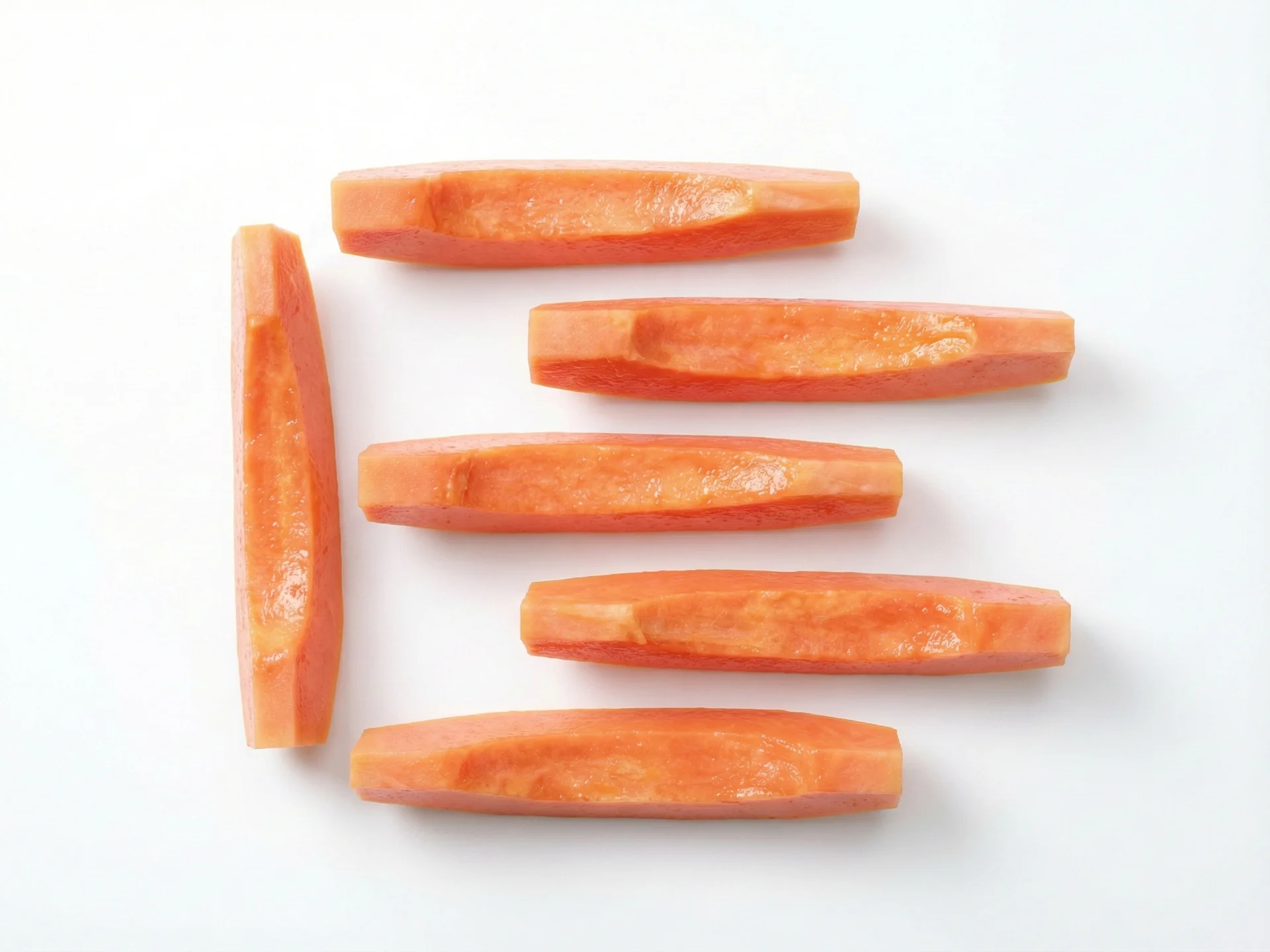
For beginners, serve ripe papaya mashed or in large, graspable spears. Make sure the fruit is very soft and easy to gum. The spears should be about the size of two adult fingers pressed together for easy holding.
6 to 9 months

For beginners, serve ripe papaya mashed or in large, graspable spears. Make sure the fruit is very soft and easy to gum. The spears should be about the size of two adult fingers pressed together for easy holding.

  • Choose papaya that yields to gentle pressure
  • Peel thoroughly to remove the skin
  • Remove all seeds completely
  • Serve at room temperature for best texture
  • Mash with a fork if baby struggles with spears
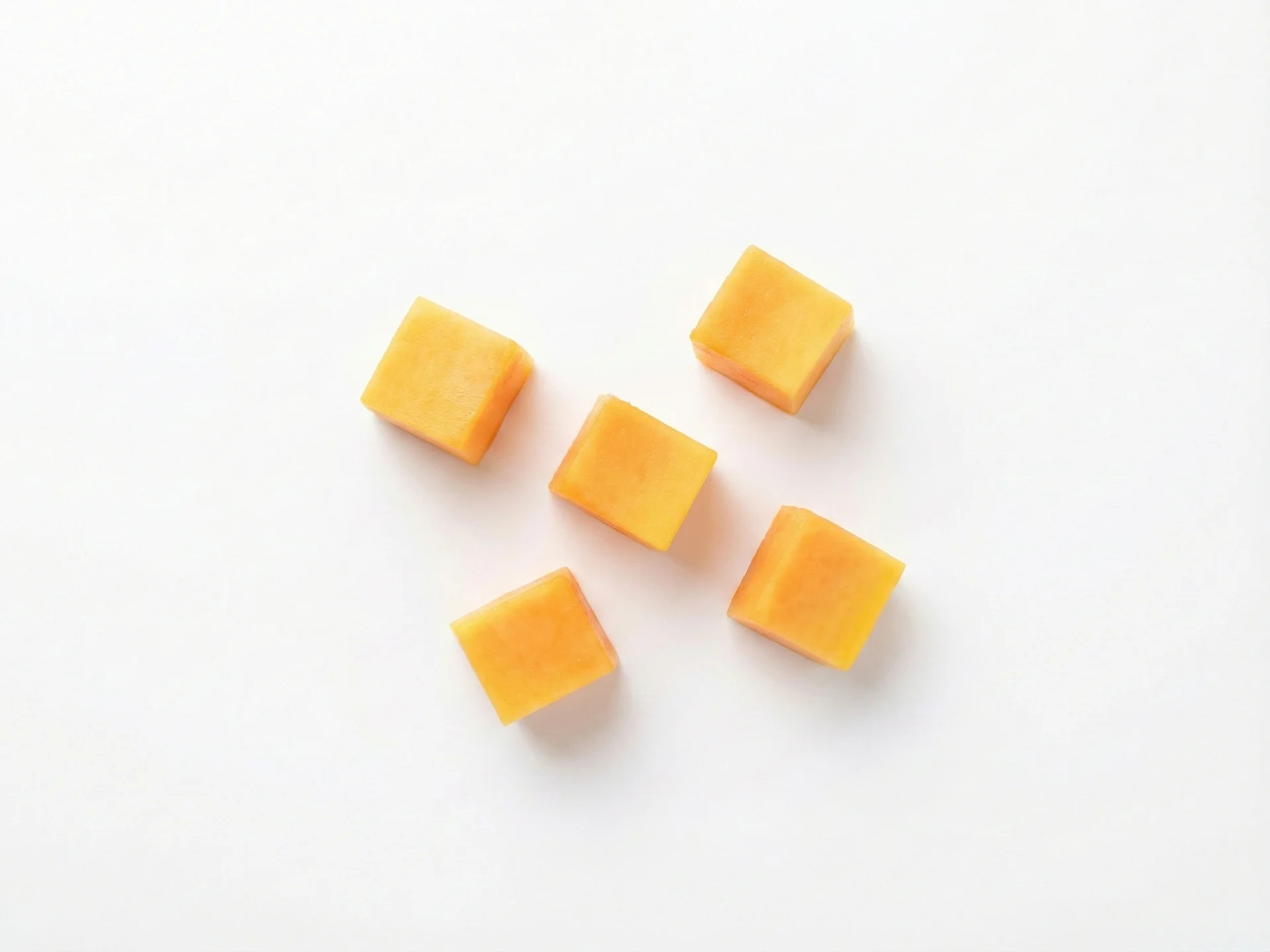
As your baby develops their pincer grasp, you can offer smaller, bite-sized pieces of ripe papaya. You can also mix it into yogurt, oatmeal, or other foods for variety while still offering some pieces for self-feeding practice.
9 months +

As your baby develops their pincer grasp, you can offer smaller, bite-sized pieces of ripe papaya. You can also mix it into yogurt, oatmeal, or other foods for variety while still offering some pieces for self-feeding practice.

  • Cut into small cubes for pincer grasp practice
  • Mix with Greek yogurt for added protein
  • Combine with other soft fruits for variety
  • Freeze small pieces for soothing teething relief
  • Add to smoothies for a nutrient boost

Safety & allergens

Choking risk: Low

Papaya has a soft texture when ripe, which makes it low risk for choking. Always ensure it's fully ripe and soft before serving. For younger babies, mash or puree it completely, and for older babies, cut it into small, manageable pieces to prevent any large chunks.

Not a common allergen

Papaya is not a top allergen. As with any new food, offer it on its own and watch for any reaction.

Vitamins & minerals

Papaya is rich in vitamin C, which helps boost your baby's immune system and aids in iron absorption from other foods[1]. It also contains vitamin A, important for eye health and skin development[2], and folate (vitamin B9), which supports cell growth and brain development[4]. The potassium in papaya contributes to healthy heart function and muscle activity[5].

Vitamins
Vitamin VITAMIN AVitamin VITAMIN CVitamin VITAMIN EVitamin VITAMIN B9
Minerals
PotassiumMagnesiumCopper