FoodsBeanNavy Beans
Navy Beans

Bean

Navy Beans

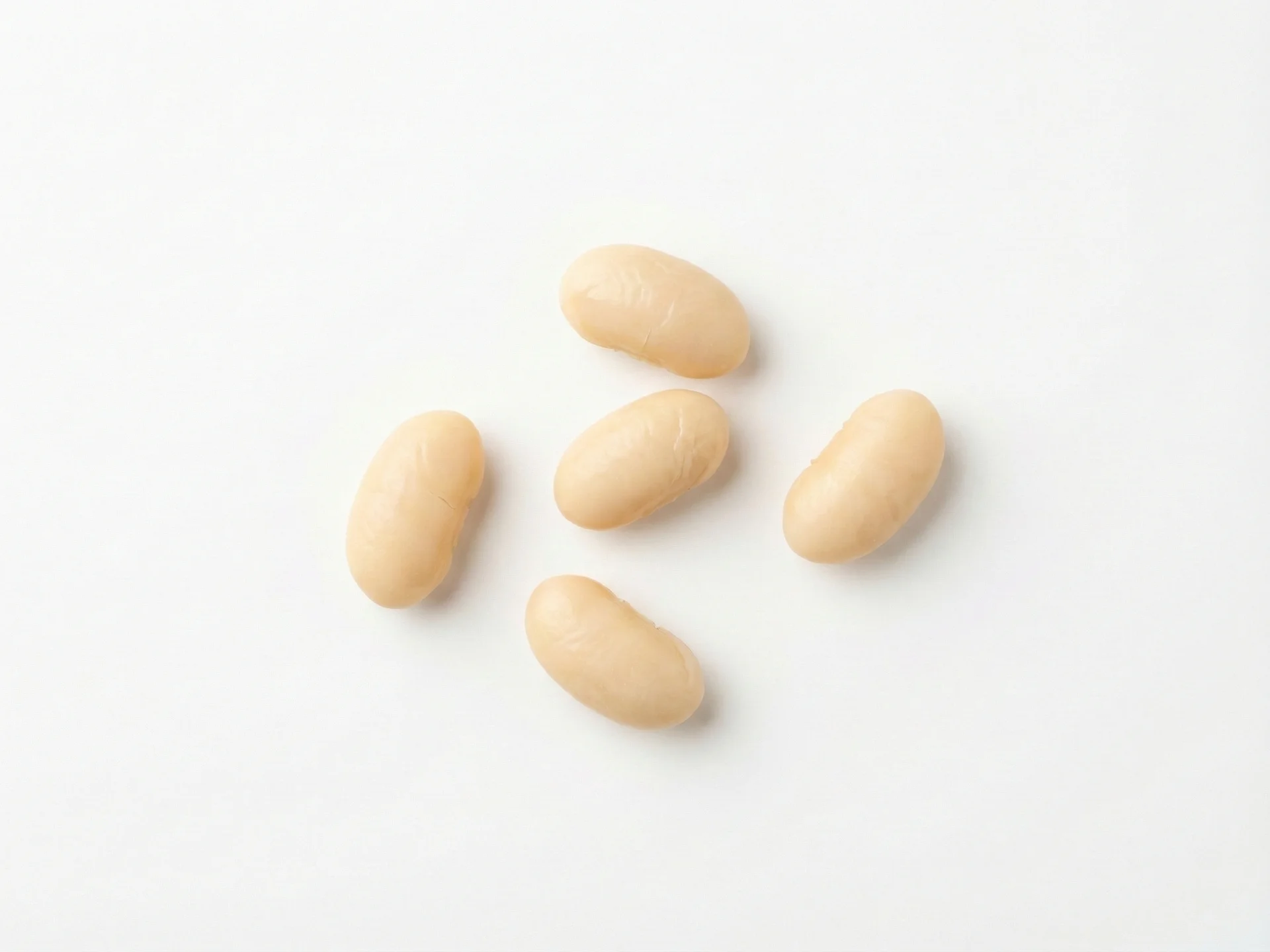
Navy beans are a fantastic first bean for your baby, offering a creamy texture and mild flavor that many little ones enjoy. They're packed with plant-based protein and fiber to support your baby's growth and digestion[1]. Plus, they're a great source of iron, which is crucial for brain development and preventing anemia[2].

6m+Not a common allergenChoking risk: Low
First age6m+
CategoryBean
Common allergenNo
Choking riskLow

When can babies eat Navy Beans?

You can introduce navy beans around 6 months when your baby starts solids, as long as they're cooked until very soft and mashed or pureed to an appropriate texture.

How to serve Navy Beans by age

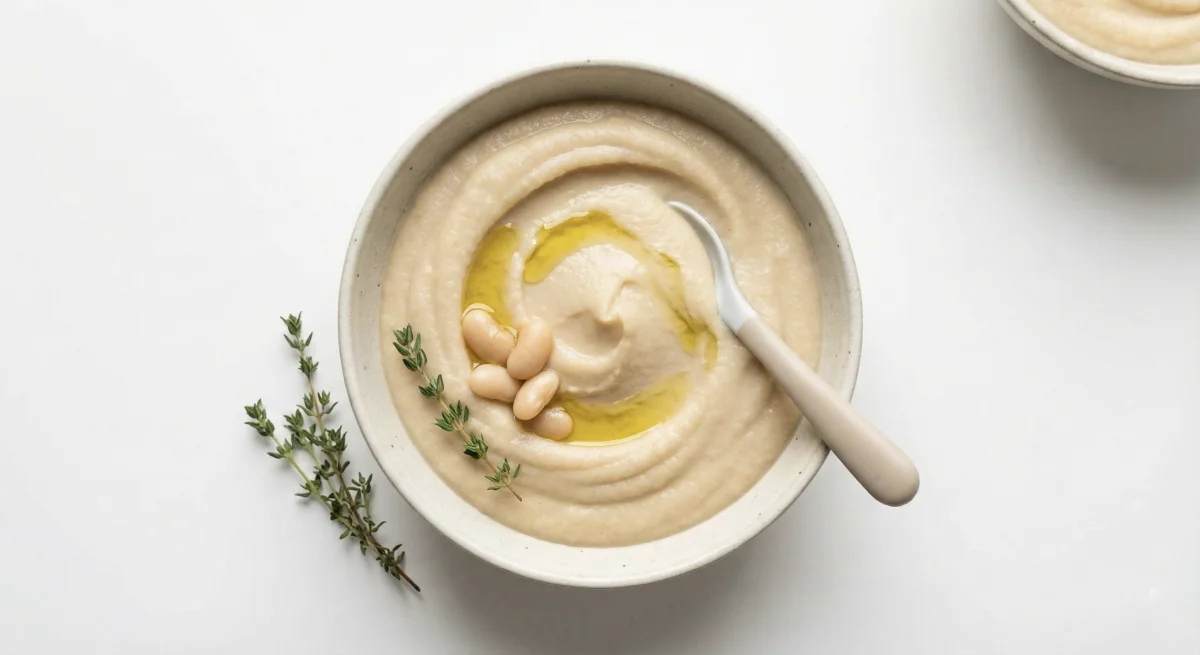
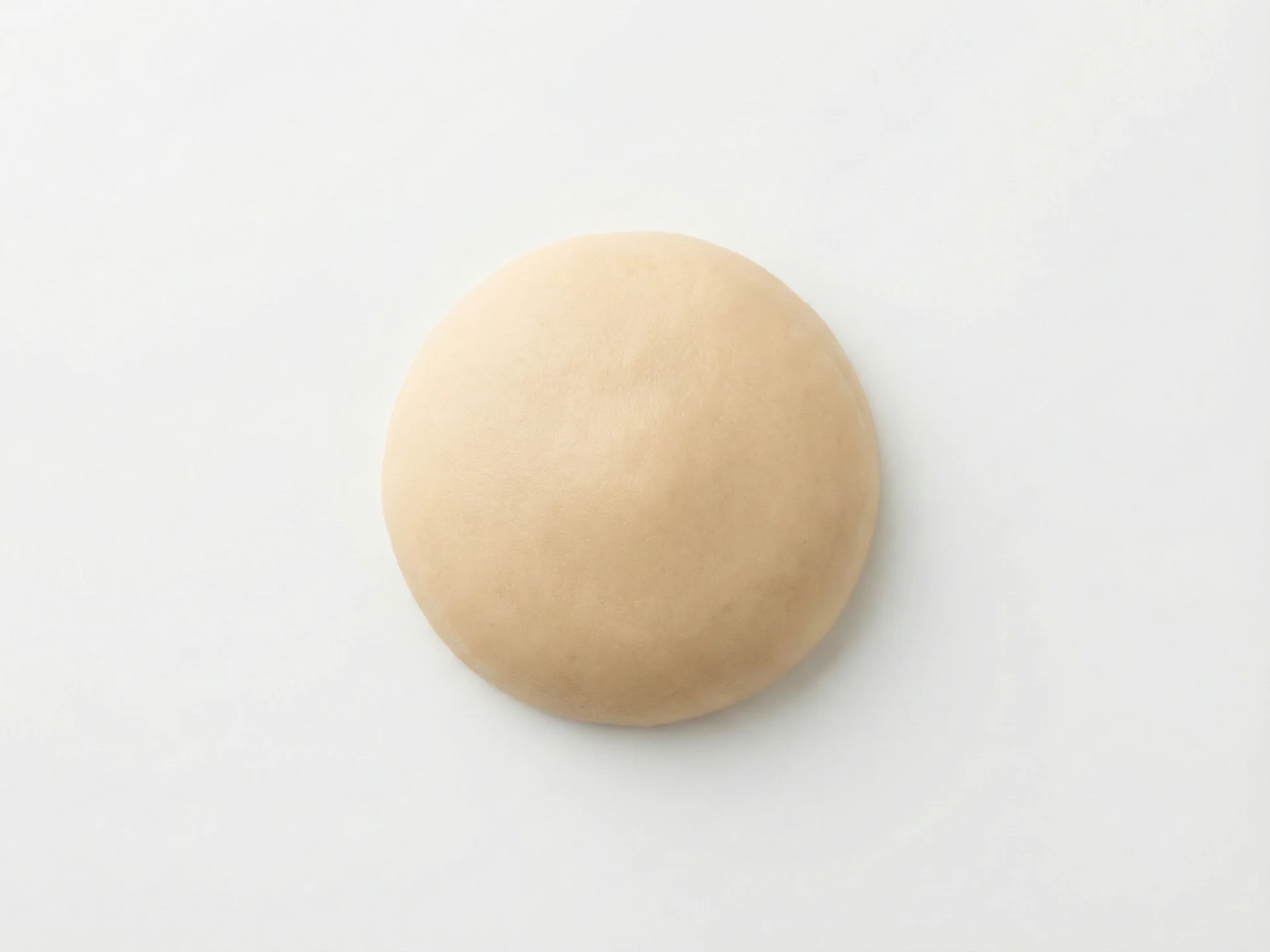
For babies 6-9 months, cook navy beans until very soft and mash them completely into a smooth paste. You can mix this paste with breast milk, formula, or a little water to achieve a consistency that sticks to a spoon or your baby's fingers. Avoid whole beans at this stage.
6 to 9 months

For babies 6-9 months, cook navy beans until very soft and mash them completely into a smooth paste. You can mix this paste with breast milk, formula, or a little water to achieve a consistency that sticks to a spoon or your baby's fingers. Avoid whole beans at this stage.

  • Cook beans until they mash easily with gentle pressure
  • Mix mashed beans with avocado or banana for added creaminess
  • Offer on a pre-loaded spoon or let baby scoop with hands
  • Start with 1-2 tablespoons per meal
  • Ensure no whole beans remain in the mash
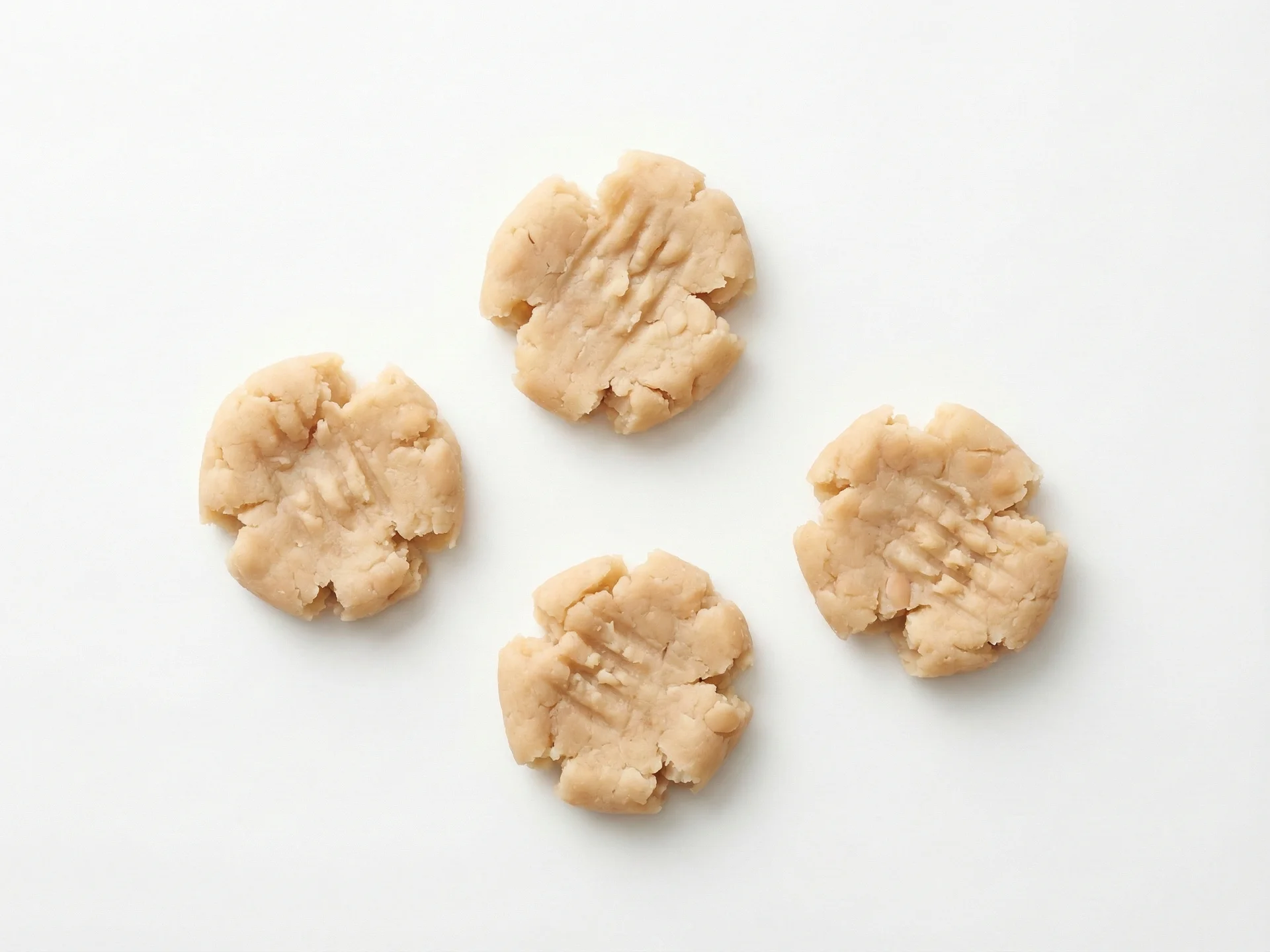
For babies 9-12 months, you can offer navy beans with more texture. Lightly mash or flatten cooked beans with a fork, leaving some soft chunks. Beans should still be very tender and easily squishable. Your baby can practice picking up individual flattened beans.
9 to 12 months

For babies 9-12 months, you can offer navy beans with more texture. Lightly mash or flatten cooked beans with a fork, leaving some soft chunks. Beans should still be very tender and easily squishable. Your baby can practice picking up individual flattened beans.

  • Flatten beans with a fork to reduce round shape
  • Mix with cooked grains like quinoa or rice
  • Add to vegetable purees for protein boost
  • Watch for proper chewing motions
  • Offer alongside finger foods for variety
For toddlers 12 months and up, you can offer whole cooked navy beans as long as they're very soft. Continue to monitor chewing and consider slightly mashing if needed. You can now incorporate beans into family meals like soups, stews, or bean patties.
12 months +

For toddlers 12 months and up, you can offer whole cooked navy beans as long as they're very soft. Continue to monitor chewing and consider slightly mashing if needed. You can now incorporate beans into family meals like soups, stews, or bean patties.

  • Ensure beans are cooked until completely tender
  • Include in mixed dishes like bean and vegetable mash
  • Add mild seasonings like garlic powder or cumin
  • Watch for proper chewing of whole beans
  • Pair with grains for complete protein

Safety & allergens

Choking risk: Low

Navy beans are low choking risk when prepared properly. For babies under 12 months, always mash or puree them until smooth, as whole beans can be a choking hazard. For older babies, you can offer them mashed or as a soft finger food, but ensure they're cooked until very tender and easily squished between your fingers.

Not a common allergen

Navy Beans is not a top allergen. As with any new food, offer it on its own and watch for any reaction.

Vitamins & minerals

Navy beans are rich in iron, which helps carry oxygen in the blood and supports brain development[2]. They also provide B vitamins like folate (vitamin B9) for healthy cell growth[3], and fiber to promote regular digestion and feed beneficial gut bacteria[4]. The magnesium and potassium in navy beans support muscle and nerve function[5].

Vitamins
Vitamin VITAMIN B1Vitamin VITAMIN B2Vitamin VITAMIN B3Vitamin VITAMIN B5Vitamin VITAMIN B6Vitamin VITAMIN B9
Minerals
IronCalciumMagnesiumPotassiumPhosphorusZincCopperManganese