FoodsGrainRice
Rice

Grain

Rice

Rice is a wonderful first food for babies because it's gentle on tiny tummies and has a mild flavor that most little ones enjoy. It's packed with B vitamins that help your baby's body turn food into energy[1] and provides important minerals like iron for healthy blood cells[2]. The soft, easy-to-swallow texture makes it a comforting choice as you start your solid food journey together.

6m+Not a common allergenChoking risk: Low
First age6m+
CategoryGrain
Common allergenNo
Choking riskLow

When can babies eat Rice?

Rice can be introduced around 6 months when your baby shows signs of readiness for solids, like sitting up with support and showing interest in food.

How to serve Rice by age

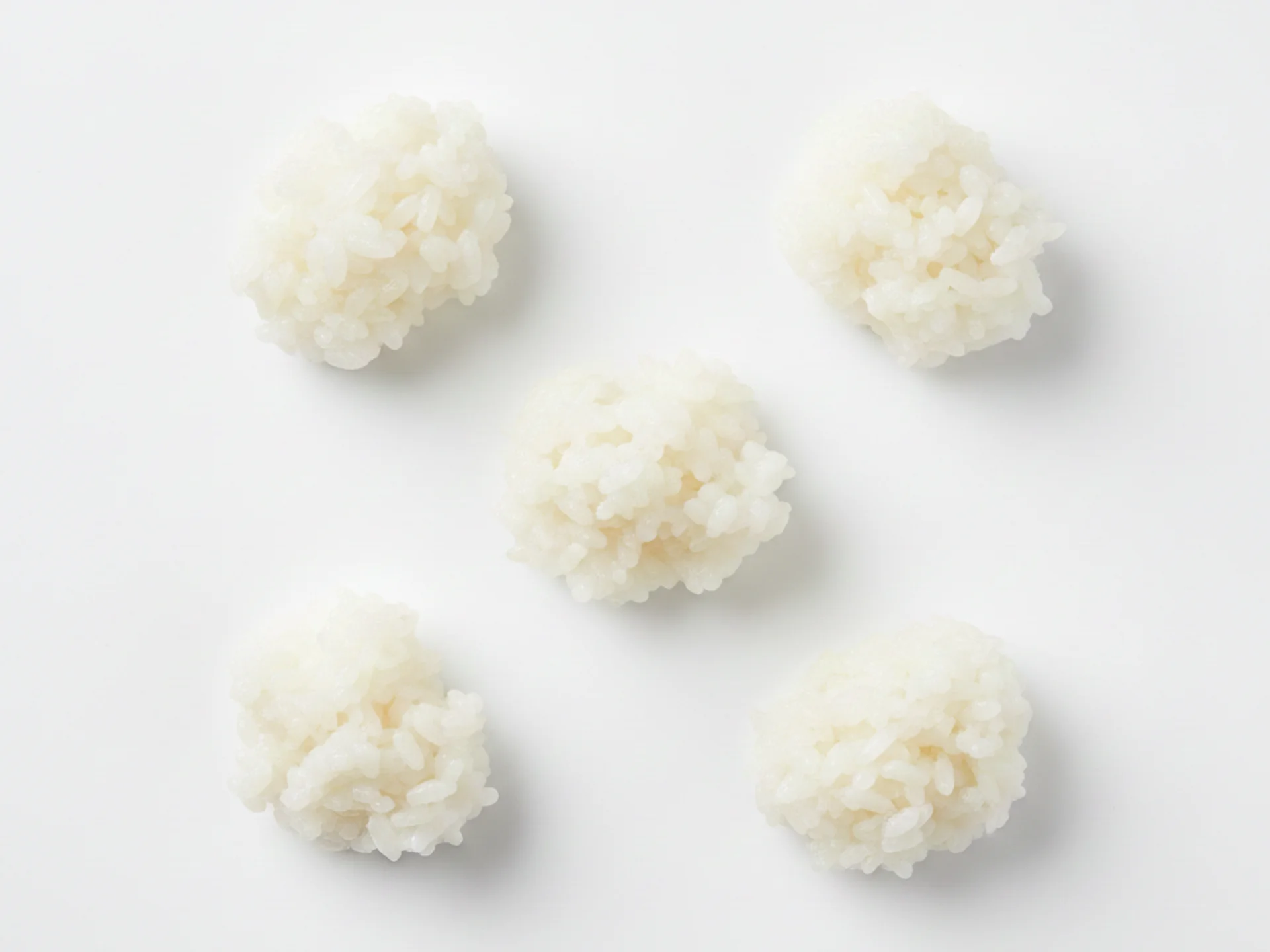
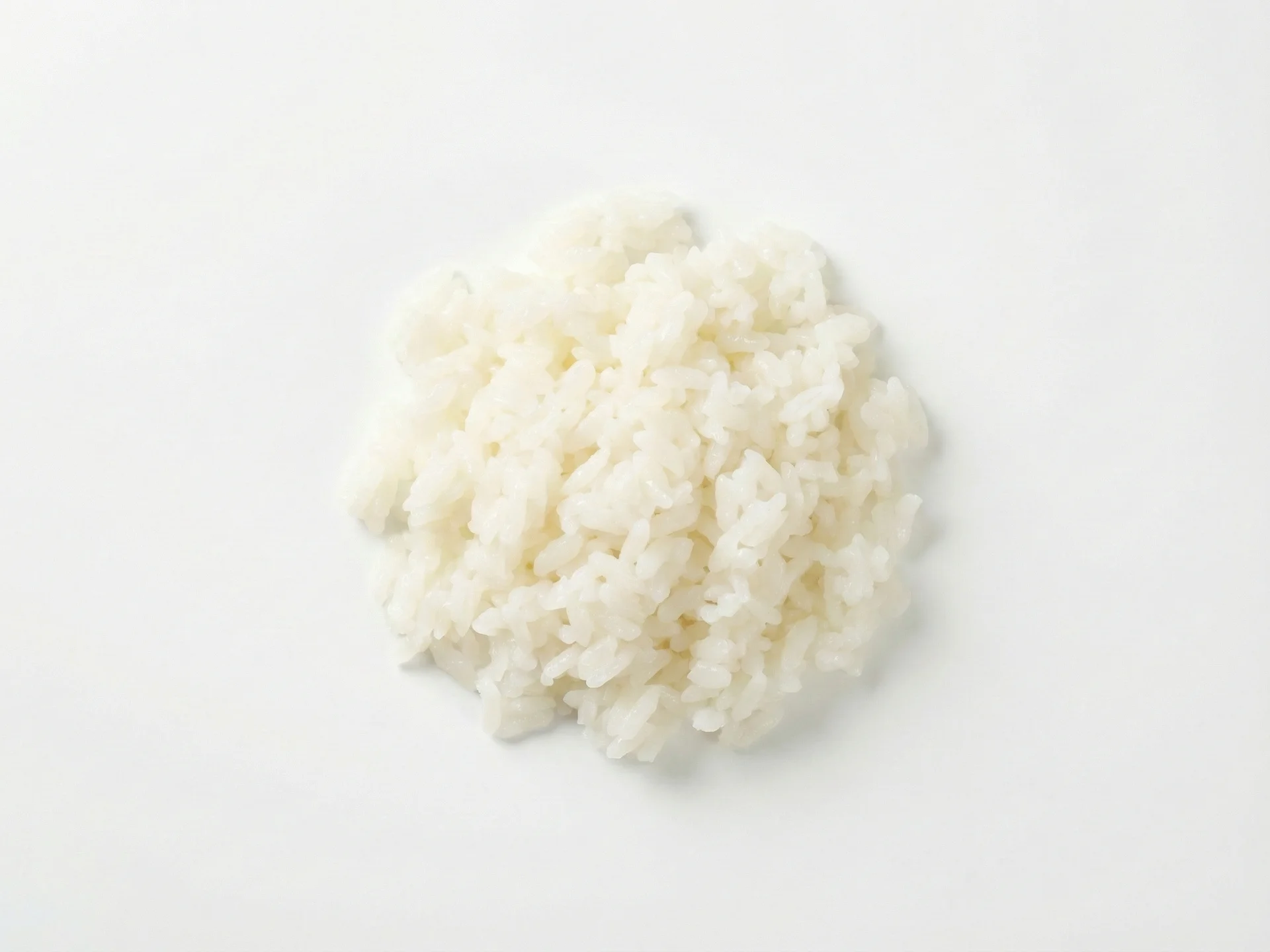
For babies 6-9 months, cook rice until very soft and mushy, almost porridge-like in consistency. Serve it in small, sticky clumps or mixed into purees to make it easier to pick up and swallow. Avoid loose grains that could pose a choking hazard.
6 to 9 months

For babies 6-9 months, cook rice until very soft and mushy, almost porridge-like in consistency. Serve it in small, sticky clumps or mixed into purees to make it easier to pick up and swallow. Avoid loose grains that could pose a choking hazard.

  • Use white rice for easier digestion
  • Cook with extra water to achieve a soft texture
  • Mix with breast milk or formula to add moisture
  • Form into small, graspable balls
  • Always supervise closely during meals
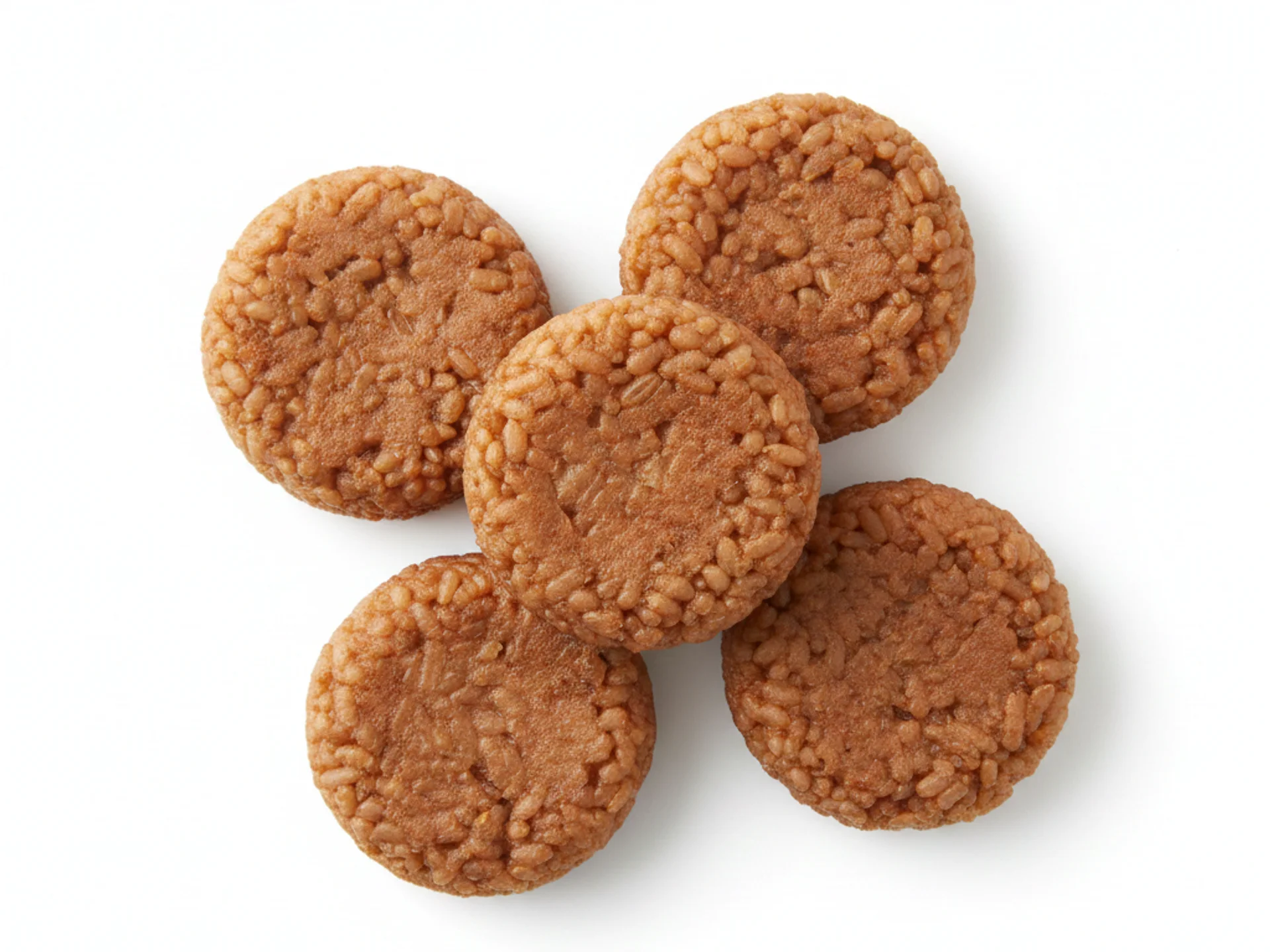
As your baby develops better chewing skills, you can offer slightly firmer rice, but still ensure it's well-cooked and soft. Introduce brown rice for added fiber and nutrients, and serve it in dishes like rice cakes or mixed with vegetables.
9 to 12 months

As your baby develops better chewing skills, you can offer slightly firmer rice, but still ensure it's well-cooked and soft. Introduce brown rice for added fiber and nutrients, and serve it in dishes like rice cakes or mixed with vegetables.

  • Gradually introduce brown rice
  • Combine rice with soft-cooked veggies for variety
  • Use rice as a base for finger foods like patties
  • Encourage self-feeding with a spoon
  • Monitor for any digestive changes
For toddlers 12 months and up, rice can be served in more diverse forms, such as in stir-fries, salads, or as a side dish. Ensure it's cooked to a safe texture but can be more separate, and continue to avoid undercooked or dry grains.
12 months +

For toddlers 12 months and up, rice can be served in more diverse forms, such as in stir-fries, salads, or as a side dish. Ensure it's cooked to a safe texture but can be more separate, and continue to avoid undercooked or dry grains.

  • Experiment with different rice varieties like basmati or jasmine
  • Include rice in family meals to model eating
  • Teach proper chewing with firmer textures
  • Offer rice with protein sources like beans or chicken
  • Maintain variety to prevent picky eating

Safety & allergens

Choking risk: Low

Rice is naturally soft when cooked, making it a low choking risk. For extra safety, make sure it's well-cooked and mushy for younger babies. Avoid serving rice that's too dry or sticky, and always supervise your baby during meals.

Not a common allergen

Rice is not a top allergen. As with any new food, offer it on its own and watch for any reaction.

Vitamins & minerals

Rice provides B vitamins that help your baby's body convert food into energy for growth and development[1]. The iron in rice supports healthy red blood cell formation[2], while magnesium contributes to bone health[3]. These nutrients work together to give your little one a nutritious start to solid foods.

Vitamins
Vitamin VITAMIN B1Vitamin VITAMIN B3Vitamin VITAMIN B5Vitamin VITAMIN B6Vitamin VITAMIN B9
Minerals
ManganeseMagnesiumPhosphorusSeleniumIron