FoodsDairyMilk
Milk

Dairy

Milk

Milk is a creamy, familiar food that provides essential nutrients for your baby's growth. It's packed with calcium and vitamin D, which work together to build strong bones and teeth.[4][5] The protein and B vitamins in milk also support healthy development and energy levels.

12m+Common allergenChoking risk: Low
First age12m+
CategoryDairy
Common allergenYes
Choking riskLow

When can babies eat Milk?

Whole cow's milk can be introduced as a main drink around 12 months of age, when your baby is eating a variety of solid foods. Before 12 months, breast milk or formula should remain the primary source of nutrition.

How to serve Milk by age

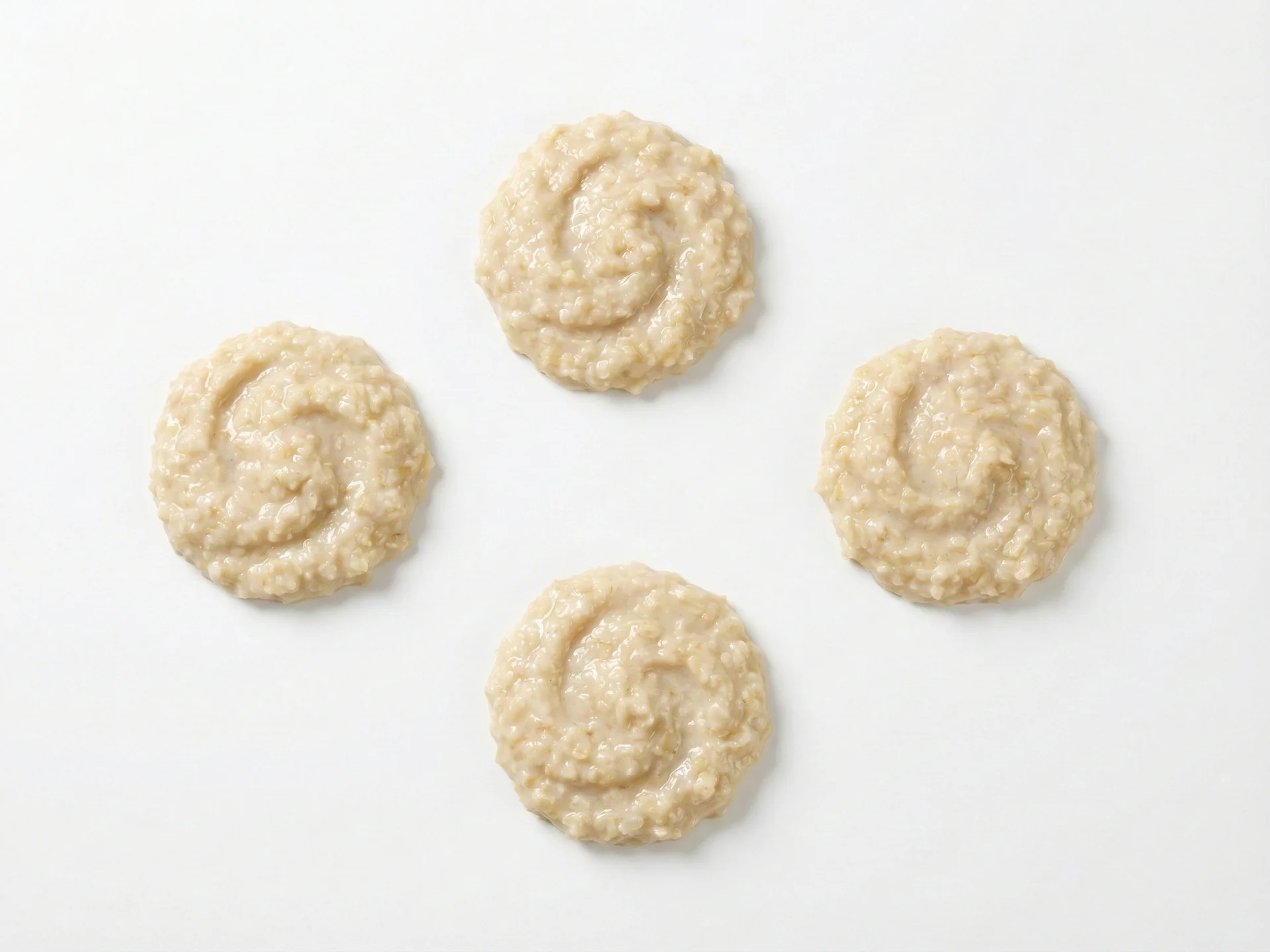
Use small amounts of cow's milk in cooked foods like oatmeal, mashed potatoes, or sauces. Offer it as a liquid only in minimal quantities mixed with other foods, not as a standalone drink, to avoid displacing breast milk or formula.
6 to 12 months

Use small amounts of cow's milk in cooked foods like oatmeal, mashed potatoes, or sauces. Offer it as a liquid only in minimal quantities mixed with other foods, not as a standalone drink, to avoid displacing breast milk or formula.

  • Add a splash of milk to porridge for creaminess.
  • Use milk in baking soft muffins or pancakes.
  • Avoid offering milk in a bottle; focus on cup practice with water.
  • Start with a teaspoon in food to test for allergies.
  • Ensure milk is pasteurized and full-fat if used.
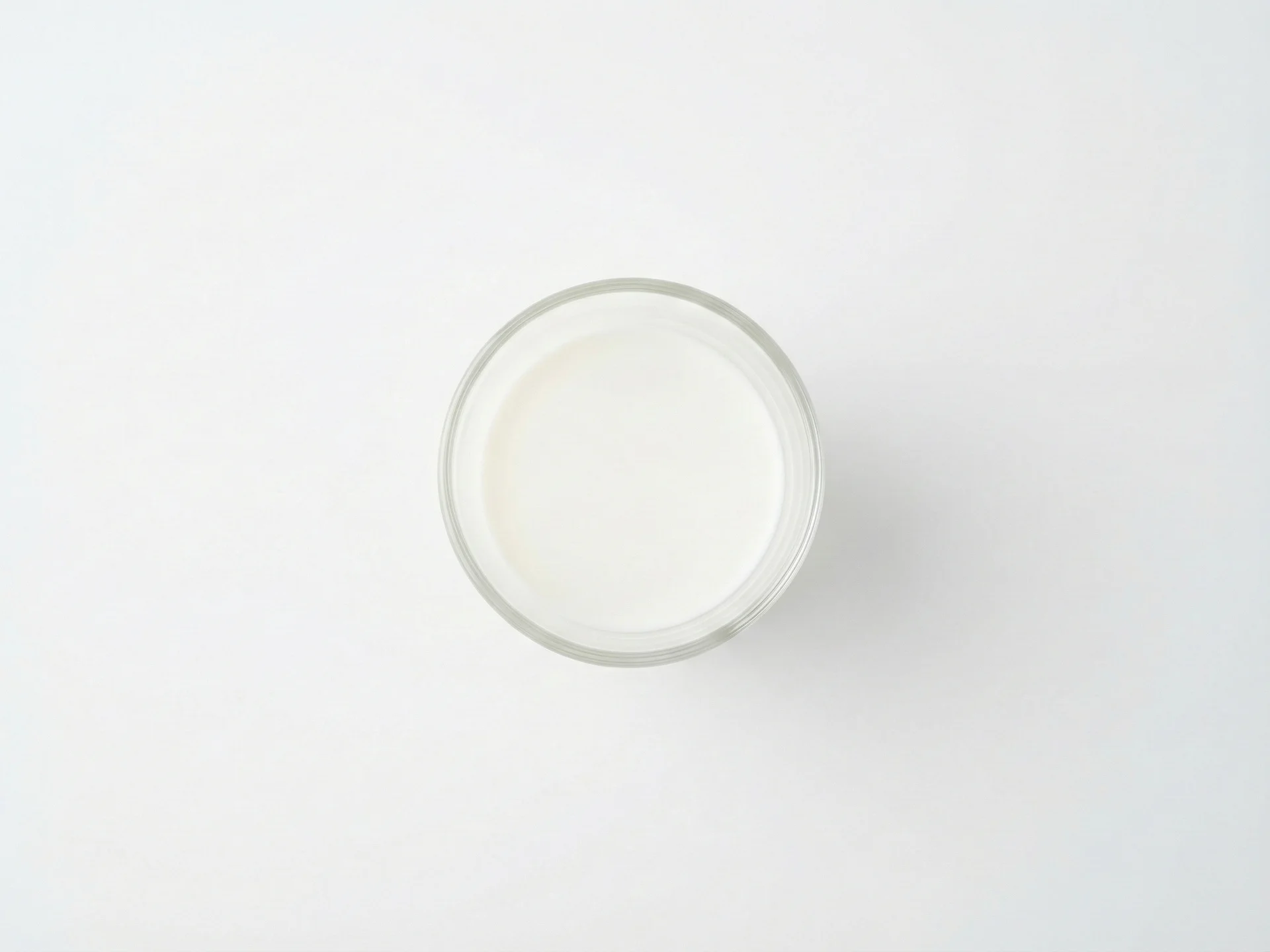
Introduce cow's milk as a drink in an open or straw cup, offering up to 16-24 ounces per day alongside meals. Use it in a variety of recipes like smoothies, soups, and cereals to encourage acceptance.
12 months +

Introduce cow's milk as a drink in an open or straw cup, offering up to 16-24 ounces per day alongside meals. Use it in a variety of recipes like smoothies, soups, and cereals to encourage acceptance.

  • Offer milk in a small, easy-to-hold cup during meals.
  • Limit milk to 2-3 cups daily to avoid reducing appetite for solids.
  • Mix milk with fruits for nutritious smoothies.
  • Use milk to make yogurt or cheese at home for variety.
  • Choose whole milk for essential fats until age 2.

Safety & allergens

Choking risk: Low

Milk is a liquid, so it poses a very low choking risk when served in a cup. Always supervise your baby while drinking, and avoid bottles at bedtime to reduce the risk of tooth decay and ear infections. Use an open cup or straw cup to help develop oral motor skills.

Common allergen

Cow's milk allergy is one of the most common food allergies in infants, affecting about 2-3% of children under age 3.[2]

Vitamins & minerals

Milk is an excellent source of calcium and phosphorus, which are crucial for building strong bones and teeth in growing babies.[4][6] The potassium in milk helps maintain healthy fluid balance and supports muscle and heart function.[3] Vitamin A supports vision and immune health, while vitamin D enhances calcium absorption for optimal bone development.[5][7]

Vitamins
Vitamin VITAMIN AVitamin VITAMIN DVitamin VITAMIN B2Vitamin VITAMIN B12
Minerals
CalciumPhosphorusPotassium