FoodsVegetableLettuce
Lettuce

Vegetable

Lettuce

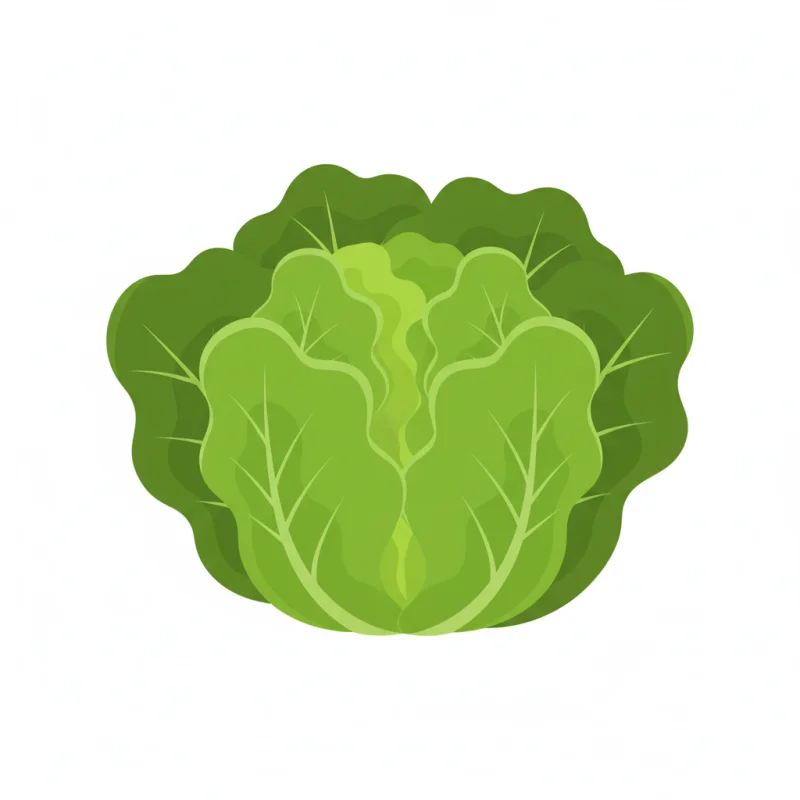
Lettuce is a gentle, hydrating leafy green that can be a fun introduction to vegetables for your baby. Its mild flavor and crisp texture make it an easy addition to meals, and it's packed with nutrients like Vitamin A for healthy vision and Vitamin K for strong bones.[1][2]

6m+Not a common allergenChoking risk: Medium
First age6m+
CategoryVegetable
Common allergenNo
Choking riskMedium

When can babies eat Lettuce?

You can introduce lettuce around 6 months when starting solids, but it's often easier for babies to handle when they have more chewing skills around 9-12 months.

How to serve Lettuce by age

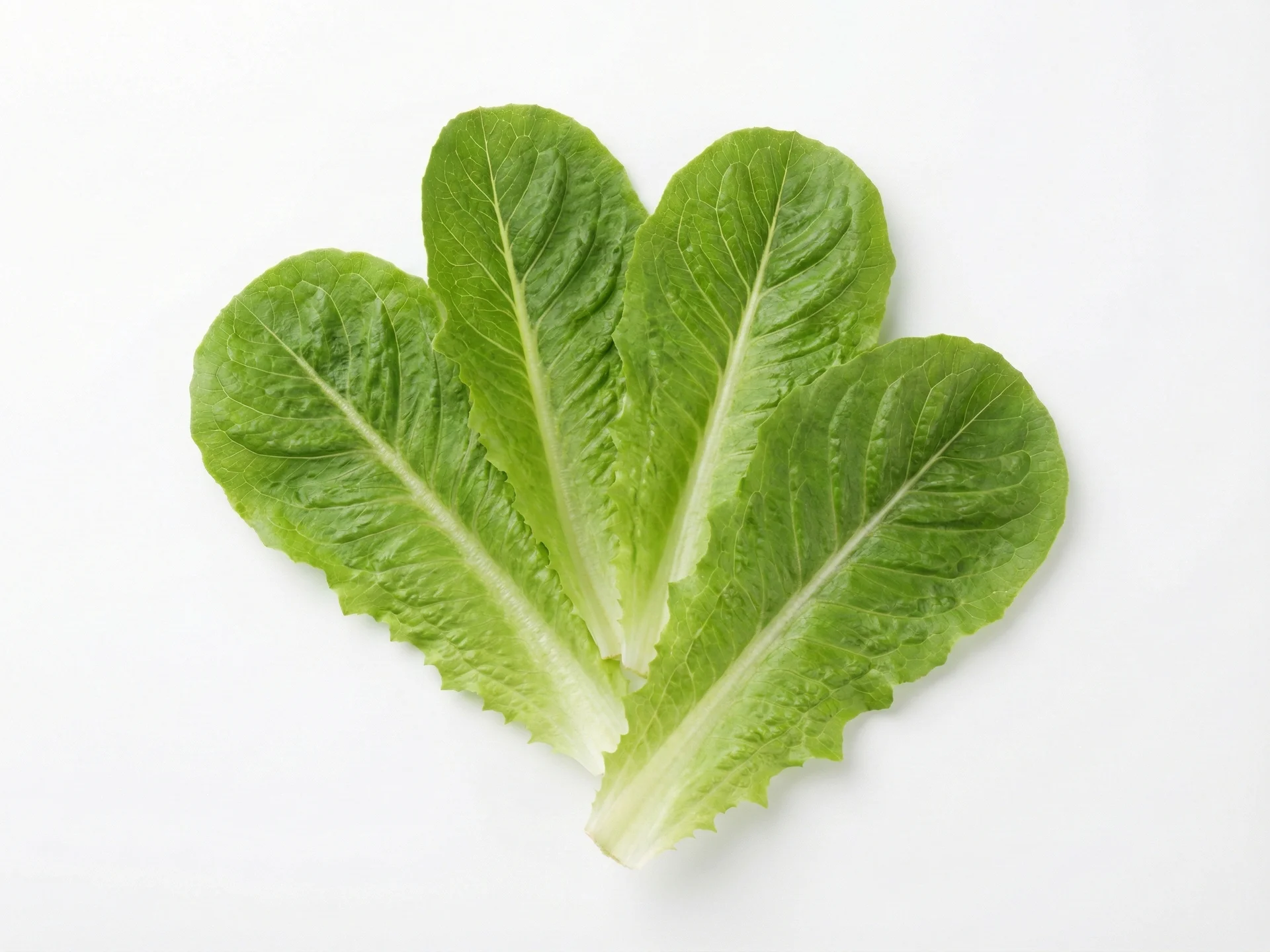
For babies 9-12 months, serve large, whole lettuce leaves that are easy for your baby to hold and gnaw on. Romaine or butter lettuce works well as they are sturdy. Ensure the leaves are washed thoroughly and patted dry to reduce slipperiness.
9 to 12 months

For babies 9-12 months, serve large, whole lettuce leaves that are easy for your baby to hold and gnaw on. Romaine or butter lettuce works well as they are sturdy. Ensure the leaves are washed thoroughly and patted dry to reduce slipperiness.

  • Offer a whole leaf, about the size of your palm, for easy gripping.
  • Supervise closely as babies may bite off large pieces.
  • Avoid shredding lettuce into small pieces to prevent choking.
  • You can lightly steam or blanch lettuce to soften it if your baby struggles with raw texture.
  • Pair with dips like hummus or yogurt to make it more appealing.
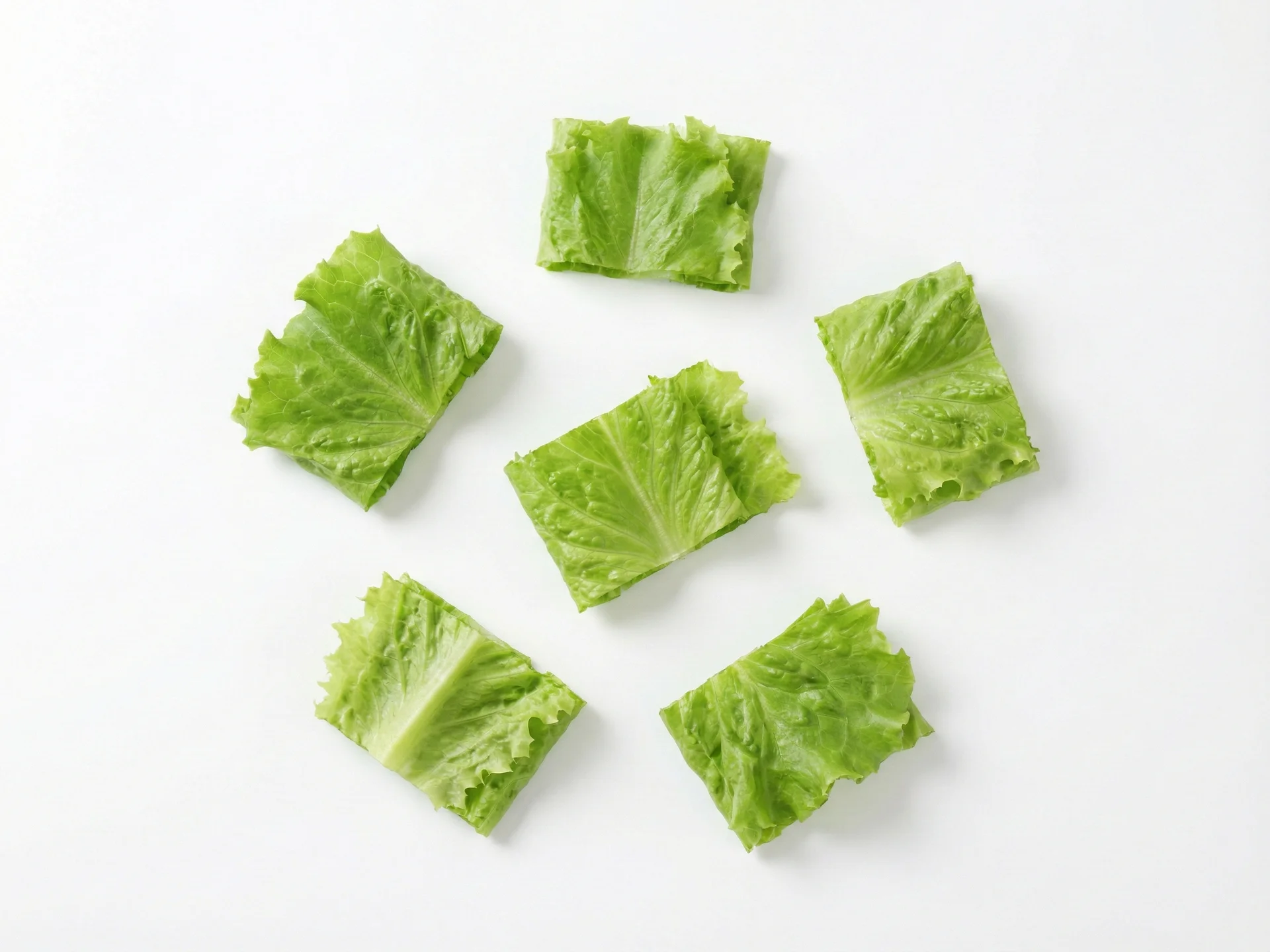
For toddlers 12 months and up, you can offer lettuce in larger pieces or as part of salads. They can handle more variety, such as chopped lettuce in manageable bites, but continue to avoid small, slippery shreds. Encourage self-feeding with utensils as skills develop.
12 months +

For toddlers 12 months and up, you can offer lettuce in larger pieces or as part of salads. They can handle more variety, such as chopped lettuce in manageable bites, but continue to avoid small, slippery shreds. Encourage self-feeding with utensils as skills develop.

  • Chop lettuce into bite-sized pieces, about 1-2 inches, for older toddlers.
  • Mix with other soft vegetables or proteins to create balanced meals.
  • Use lettuce as a wrap for fillings like mashed beans or soft meats.
  • Teach your child to chew thoroughly before swallowing.
  • Always supervise meal times to ensure safe eating.

Safety & allergens

Choking risk: Medium

Lettuce can be slippery and difficult to chew, especially the large, tough leaves. Always serve it finely chopped or shredded for younger babies, and avoid giving whole leaves until your child has developed mature chewing skills. Supervise closely during meals.

Not a common allergen

Lettuce is not a top allergen. As with any new food, offer it on its own and watch for any reaction.

Vitamins & minerals

Lettuce provides important nutrients for growing babies. It's rich in Vitamin A, which supports healthy vision and immune function.[1] The Vitamin K in lettuce helps with blood clotting and bone development.[2] Lettuce also contains Vitamin C, which enhances iron absorption from other foods.[3]

Vitamins
Vitamin VITAMIN AVitamin VITAMIN KVitamin VITAMIN CVitamin VITAMIN B9
Minerals
IronCalciumPotassiumMagnesium

Pairs well with