FoodsFruitCherry
Cherry

Fruit

Cherry

Cherries are a delicious, sweet fruit that babies often love for their natural sweetness and soft texture when prepared properly. They're packed with vitamin C to support your baby's immune system[1] and contain antioxidants that help protect their developing cells[2]. Their bright color and sweet-tart flavor make them an exciting new taste for little ones exploring solid foods.

6m+Not a common allergenChoking risk: Medium
First age6m+
CategoryFruit
Common allergenNo
Choking riskMedium

When can babies eat Cherry?

Cherries can be introduced around 6 months when your baby starts solids, as long as they're prepared safely to prevent choking. They're a great fruit to add variety to your baby's diet once they've tried some basic fruits and vegetables.

How to serve Cherry by age

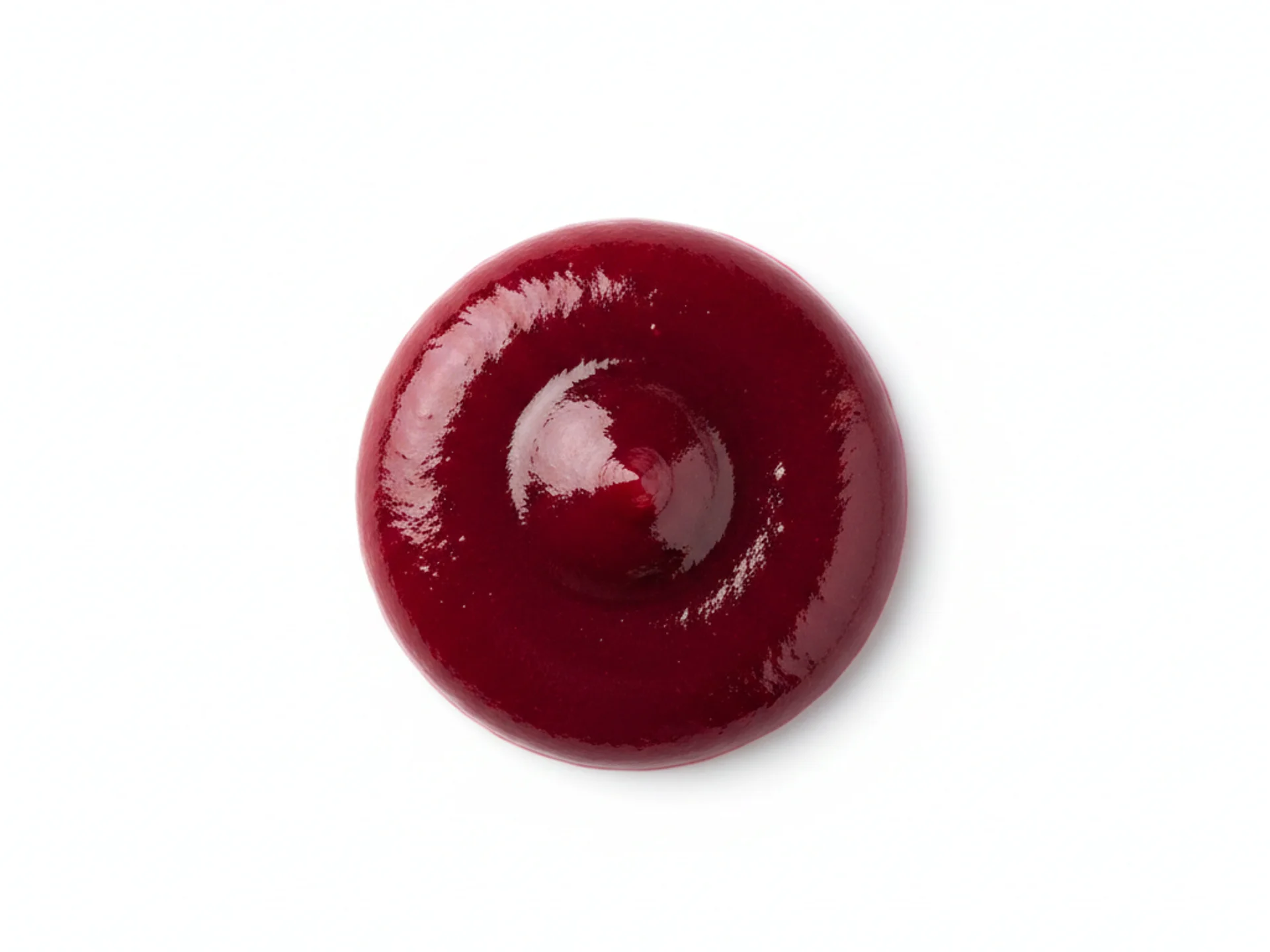
For babies 6-9 months, cook cherries until soft by steaming or boiling, then mash or puree them to a smooth consistency. Ensure all pits are removed and offer on a pre-loaded spoon or as a thick puree for self-feeding.
6 to 9 months

For babies 6-9 months, cook cherries until soft by steaming or boiling, then mash or puree them to a smooth consistency. Ensure all pits are removed and offer on a pre-loaded spoon or as a thick puree for self-feeding.

  • Always pit cherries thoroughly before cooking.
  • Mix mashed cherries with oatmeal or yogurt for added texture.
  • Test temperature to avoid burns—cool slightly before serving.
  • Start with small amounts to check for tolerance.
  • Use a mesh feeder for safer exploration if preferred.
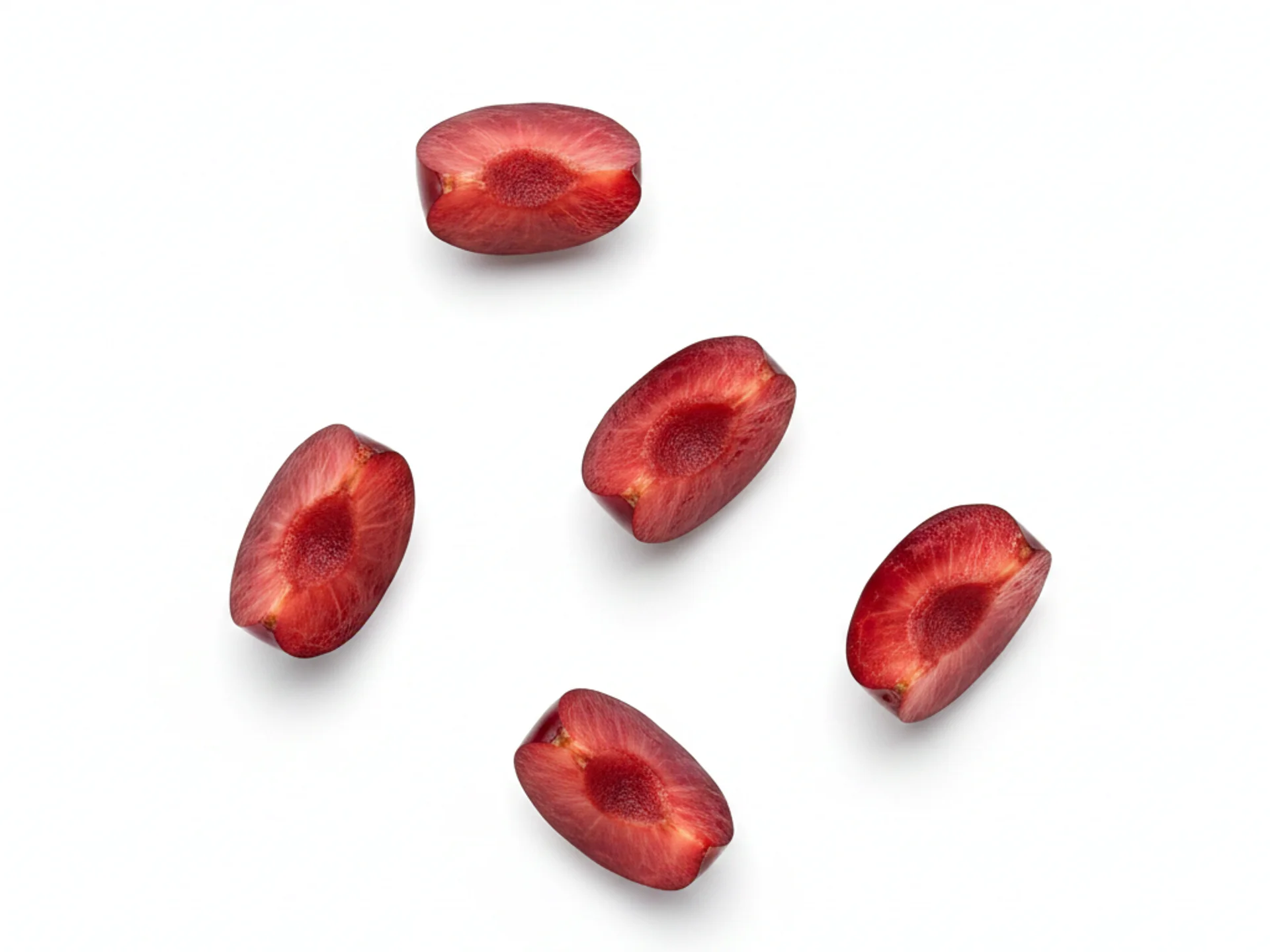
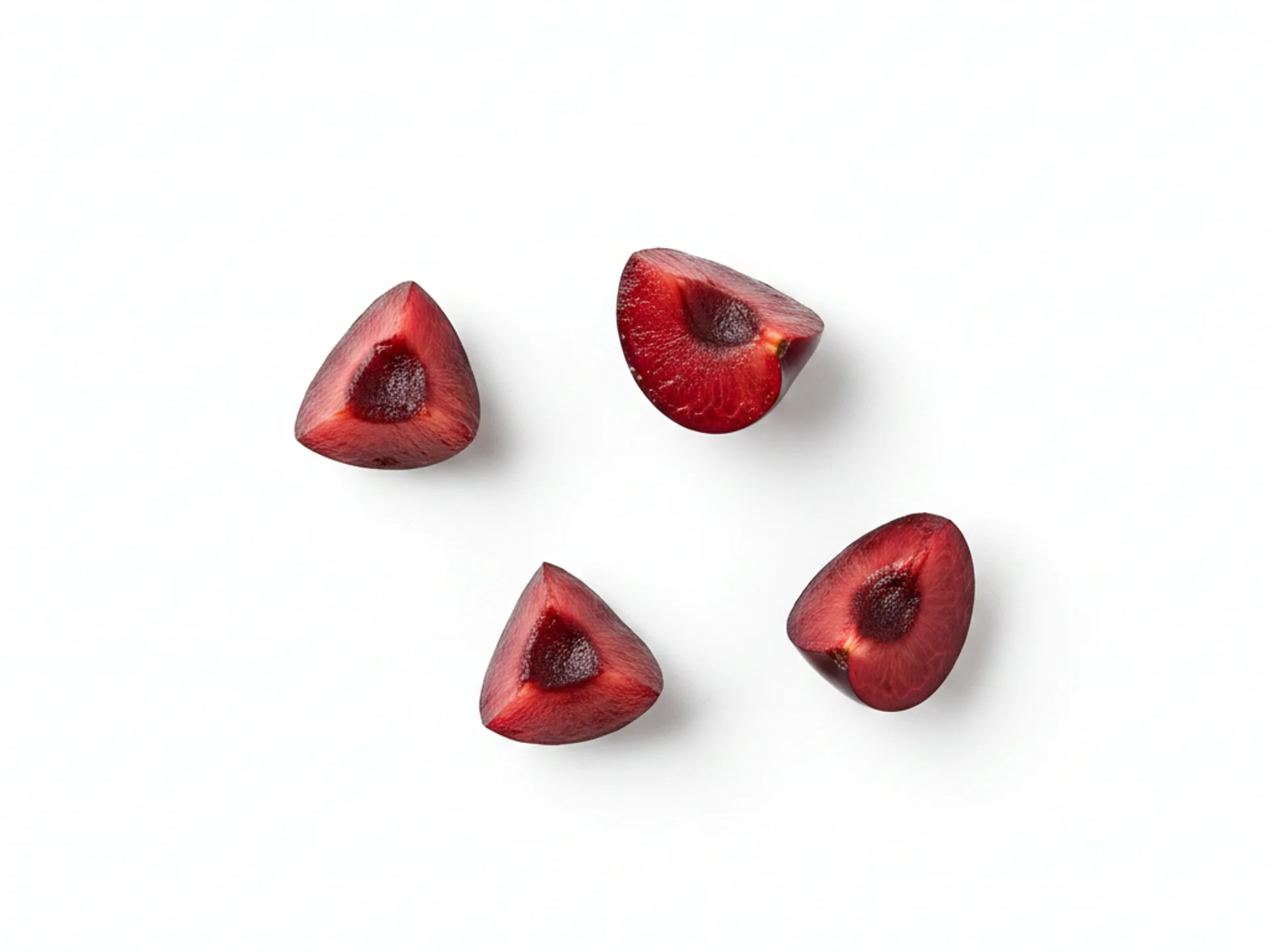
For babies 9-12 months, offer cooked and mashed cherries or small, soft pieces. You can also provide halved or quartered cherries if they are very soft and pitted, encouraging pincer grasp development.
9 to 12 months

For babies 9-12 months, offer cooked and mashed cherries or small, soft pieces. You can also provide halved or quartered cherries if they are very soft and pitted, encouraging pincer grasp development.

  • Cut cherries into halves or quarters for easier handling.
  • Combine with other soft fruits like banana for variety.
  • Monitor closely as babies practice chewing.
  • Avoid raw cherries unless very ripe and softened.
  • Introduce as finger food to promote independence.
For toddlers 12 months and up, offer raw cherries that are pitted and cut into small, bite-sized pieces. Ensure they are ripe and soft to reduce choking risk, and supervise during meals.
12 months +

For toddlers 12 months and up, offer raw cherries that are pitted and cut into small, bite-sized pieces. Ensure they are ripe and soft to reduce choking risk, and supervise during meals.

  • Teach your child to spit out pits if any are missed.
  • Mix cherries into yogurt or cereals for balanced meals.
  • Use in baking or as toppings for added fun.
  • Encourage self-feeding with child-safe utensils.
  • Limit portion sizes to avoid overconsumption of natural sugars.

Safety & allergens

Choking risk: Medium

Whole cherries and cherry pits are serious choking hazards. Always remove pits completely and cut cherries into appropriate sizes for your baby's age. For younger babies, puree cherries until completely smooth. Even for older babies, cut cherries into small pieces and supervise closely during meals.

Not a common allergen

Cherry is not a top allergen. As with any new food, offer it on its own and watch for any reaction.

Vitamins & minerals

Cherries provide vitamin C which helps your baby's body absorb iron from other foods and supports their immune system[1]. They also contain potassium, which is important for healthy muscle function and maintaining proper fluid balance[3]. The antioxidants in cherries, including vitamin A, help protect your baby's cells from damage[2].

Vitamins
Vitamin VITAMIN AVitamin VITAMIN CVitamin VITAMIN KVitamin VITAMIN B6
Minerals
PotassiumCopperManganese