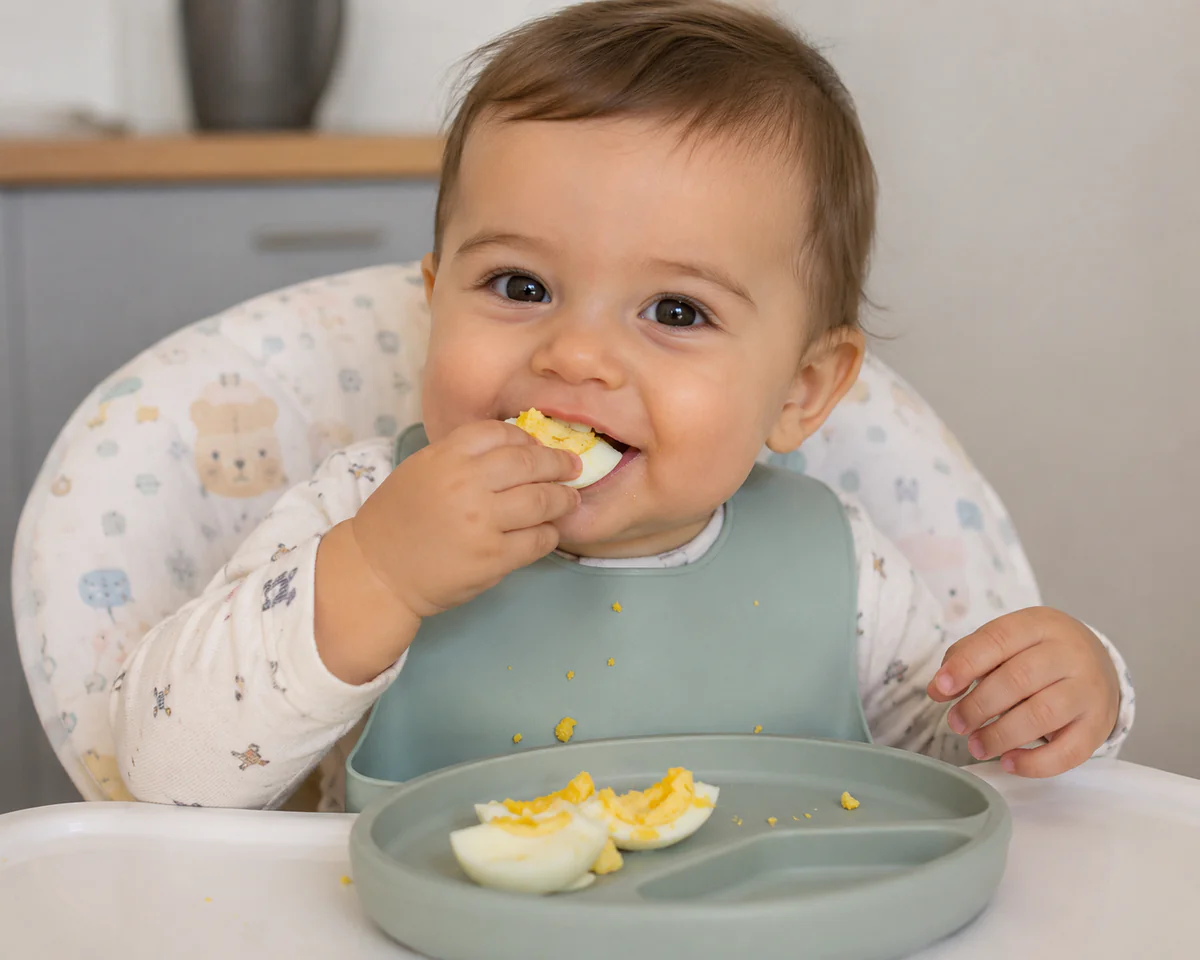
Introducing allergenic foods can make families feel anxious. Many parents worry about offering egg, peanut, dairy, wheat, fish, soy, sesame, tree nuts and shellfish because they fear an allergic reaction. Current guidance shows that, for most babies, there is no need to delay these foods. Once a baby is ready to start complementary feeding, usually around 6 months of age, common allergens can be introduced gradually and safely as part of the baby’s diet. The most important point is how the food is offered. Allergenic foods should be served in a texture that is safe for the baby’s age, starting with small amounts, during a calm moment, and with careful observation afterward. Once a baby tolerates an allergenic food, that food should not disappear from the routine. Regular exposure helps the food remain a normal part of the child’s diet.
What are allergenic foods?
Allergenic foods are foods that are more likely to cause an allergic reaction in some people. This does not mean they are dangerous for every baby, but they should be introduced with attention.
- Egg
- Peanut
- Cow’s milk and dairy
- Wheat
- Soy
- Fish
- Shellfish
- Tree nuts
- Sesame
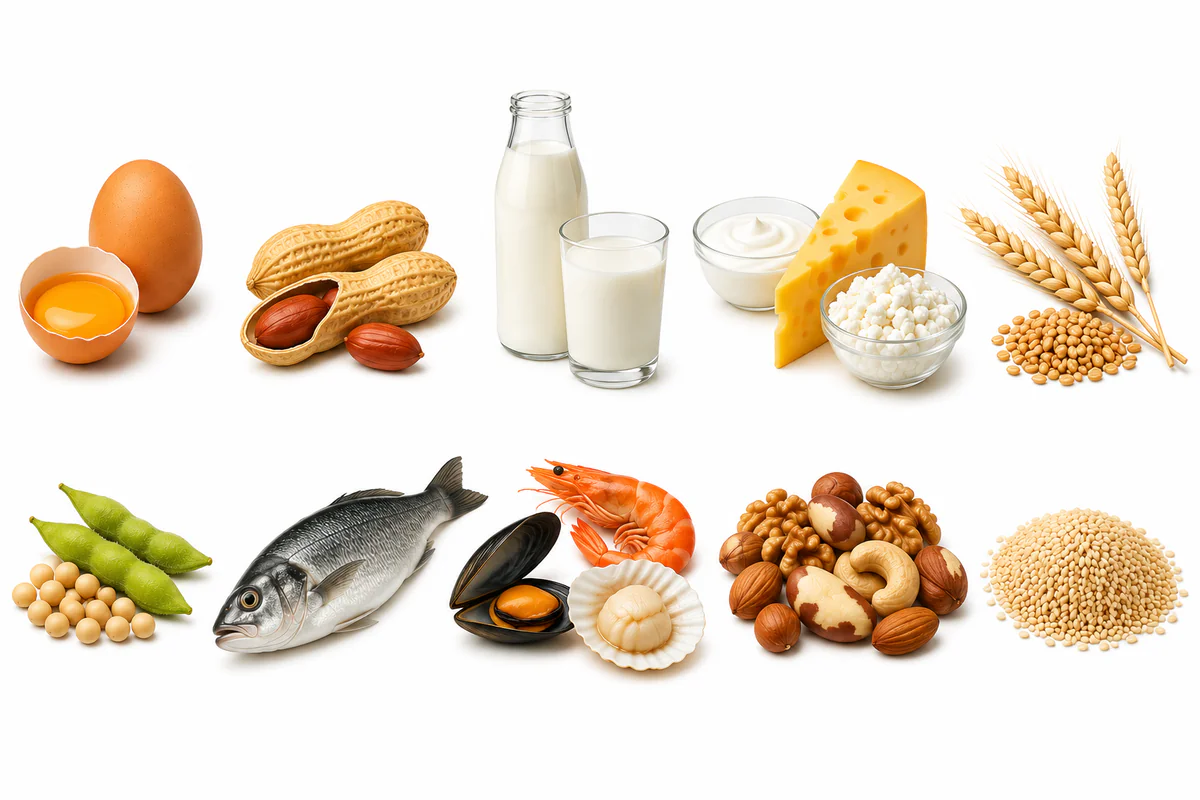
Each of these foods can be introduced safely when offered in an age-appropriate form. Egg should be well cooked. Peanut should be offered as thinned peanut butter or peanut powder mixed into another food. Tree nuts should never be offered whole to babies because they are a choking hazard.
When to introduce allergens
For most babies, allergenic foods can be introduced once the baby shows signs of readiness for solids. This usually happens around 6 months of age, when the baby has better head and trunk control, shows interest in food, can bring food to the mouth and no longer pushes everything out with the tongue as strongly as before. It is also important that the baby is well on the day of introduction. Avoid introducing a new allergen when the baby has fever, vomiting, diarrhea, unusual irritability, excessive sleepiness or is recovering from an illness. Babies with severe eczema, egg allergy, previous allergic reactions or suspected food allergy need individualized guidance before introducing some allergens, especially peanut. In these cases, a pediatrician, nutritionist or allergist can recommend the safest timing and approach.
Introduce allergens on a day when your baby is healthy and you can observe them for at least two hours after eating. Avoid introducing at night or when you are busy.
Choosing the best moment
The first time offering an allergenic food should happen during a calm moment. Choose a regular day when the baby is well and when the family can observe the baby for at least two hours after the meal. Avoid introducing a new allergen at night, right before a nap, before daycare, before traveling or on very busy days. It is also best not to offer several new foods at the same time. If a reaction happens, it becomes harder to know which food caused it. A good strategy is to offer the new allergen together with foods the baby already knows and tolerates. For example, if the baby already eats rice and vegetables, a small amount of well-cooked egg can be added to that meal. This makes it easier to identify a possible reaction.

Start with small amounts
For the first exposure, there is no need to offer a large portion. Begin with a small amount and observe how the baby responds. For egg, this may be a small amount of well-cooked egg, mashed or cut into pieces appropriate for the baby’s stage. For peanut, the safest form is peanut butter thinned with warm water, breast milk, formula, mashed fruit or porridge until it becomes smooth and loose. Never offer whole peanuts or thick spoonfuls of peanut butter. For cow’s milk and dairy, the baby can try small amounts of plain full-fat yogurt with no added sugar, pasteurized cheese with low sodium or foods prepared with milk. Before 12 months, cow’s milk should not replace breast milk or infant formula as the main drink. Wheat can be offered through soft bread, pancakes, well-cooked pasta or simple preparations. Fish should be fully cooked and free of bones. Shellfish should be fully cooked, from a safe source and free of shells or hard pieces. Tree nuts should only be offered as thinned nut butter, fine nut flour or smooth nut cream, never whole. Sesame can be offered as thinned tahini, smooth hummus or well-incorporated into recipes. Soy can be introduced as soft tofu or in well-cooked preparations.
Watch for possible reactions
After offering an allergenic food, observe your baby carefully. Allergic reactions usually appear within minutes to a few hours after eating the food. Some signs may be mild, such as redness around the mouth, skin patches, hives, itching, mild eyelid swelling or digestive discomfort. Even mild symptoms should be noted and discussed with the pediatrician, especially if they happen again after the same food. Other signs need urgent care. Seek medical help immediately if the baby has trouble breathing, wheezing, persistent coughing, significant swelling of the lips, tongue, face or throat, repeated vomiting, paleness, severe sleepiness, limpness, fainting or symptoms involving more than one body system, such as skin symptoms with vomiting, skin symptoms with breathing symptoms, or swelling with coughing. If there is breathing difficulty or severe symptoms, seek emergency care immediately.
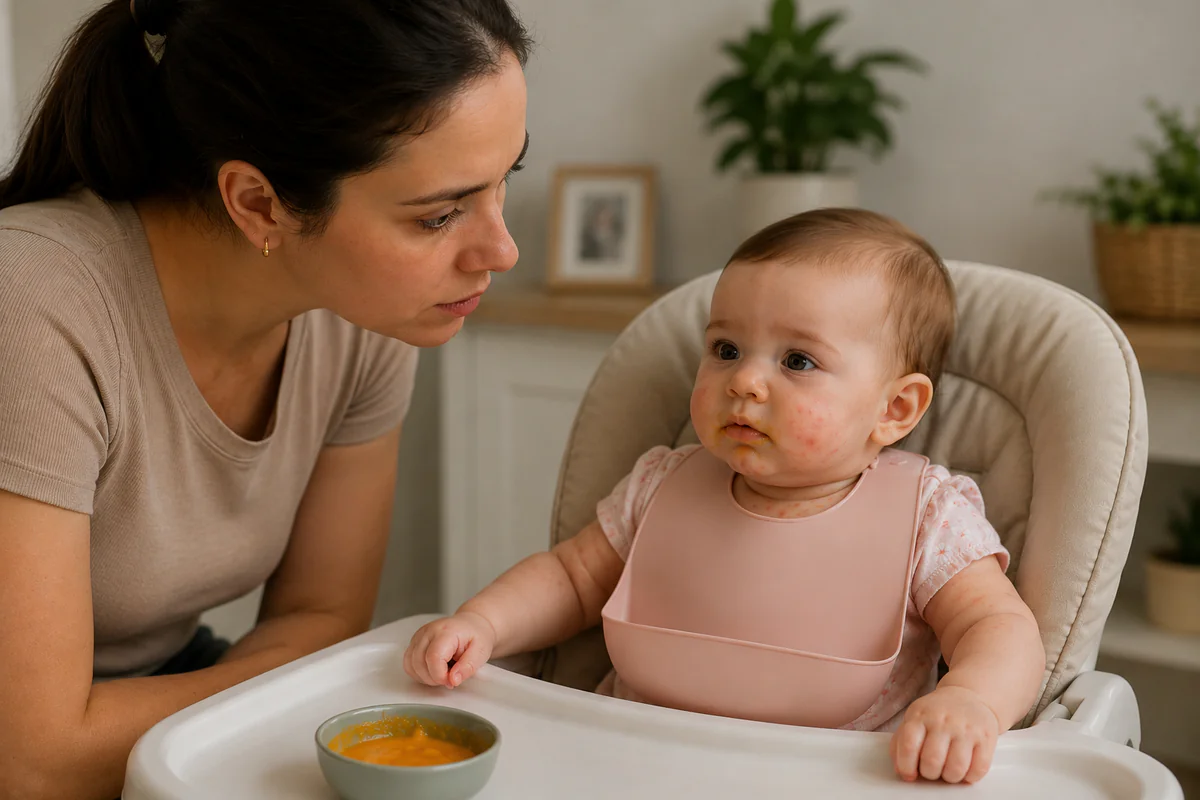
Seek emergency care immediately if your baby has trouble breathing, significant swelling, or severe symptoms after eating.
How to offer egg safely
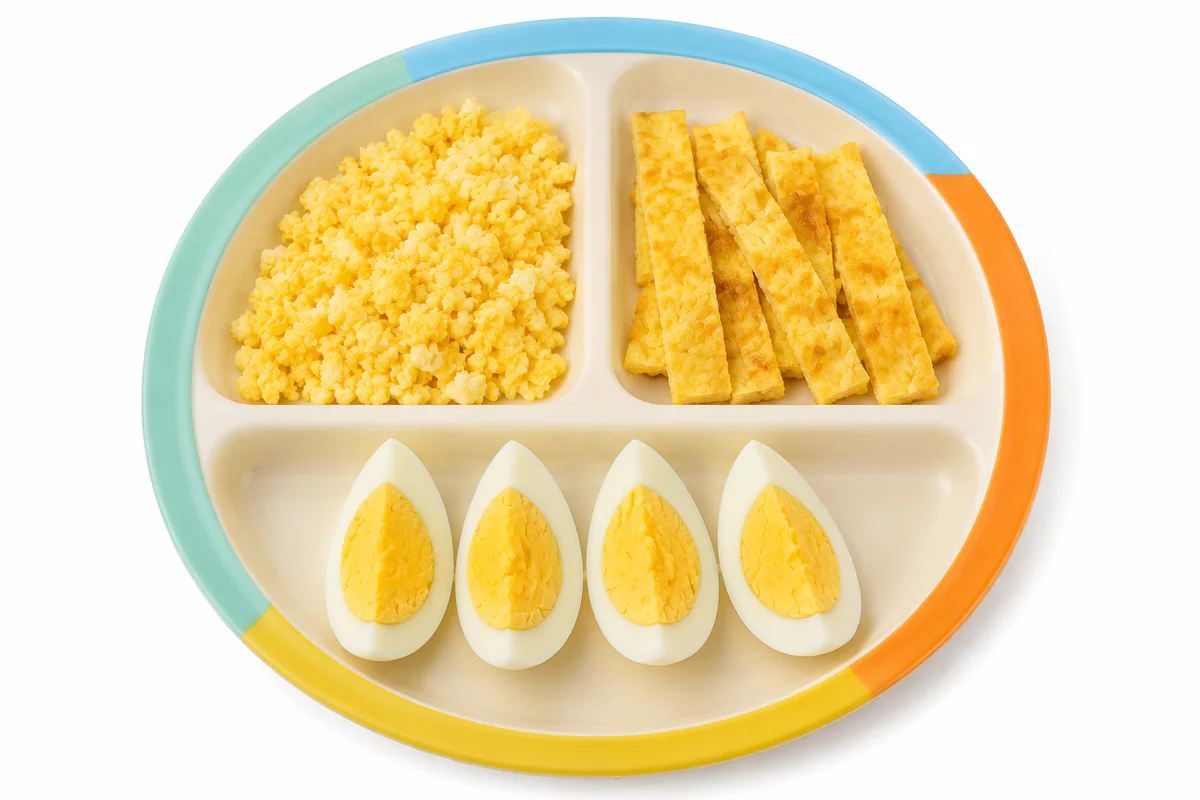
Egg is one of the most common allergens in childhood, but it is also nutritious and versatile. It can be introduced once the baby has started complementary feeding and is ready for solids. At first, egg should be well cooked. Avoid raw egg, runny yolk or undercooked preparations. Good options include well-cooked scrambled egg, well-cooked omelet cut into strips, mashed boiled egg or fully cooked pancakes made with egg. Start with a small amount and gradually increase if the baby tolerates it well. Once egg is tolerated, it can continue to appear in different family meals.
How to offer peanut safely
Peanut needs special attention for two reasons: it is an important allergen and it can also be a choking hazard when offered in the wrong form. Babies should never receive whole peanuts, peanut pieces or thick spoonfuls of peanut butter. The safest form is thinned peanut butter with a smooth, loose texture. It can be mixed with warm water, breast milk, formula, mashed fruit, porridge or yogurt, depending on the baby’s stage and diet. Peanut flour or peanut powder can also be mixed into moist foods. The final texture should be easy to swallow and free of lumps. If the baby has severe eczema, egg allergy or has already reacted to another food, speak with a pediatrician, nutritionist or allergist before introducing peanut.
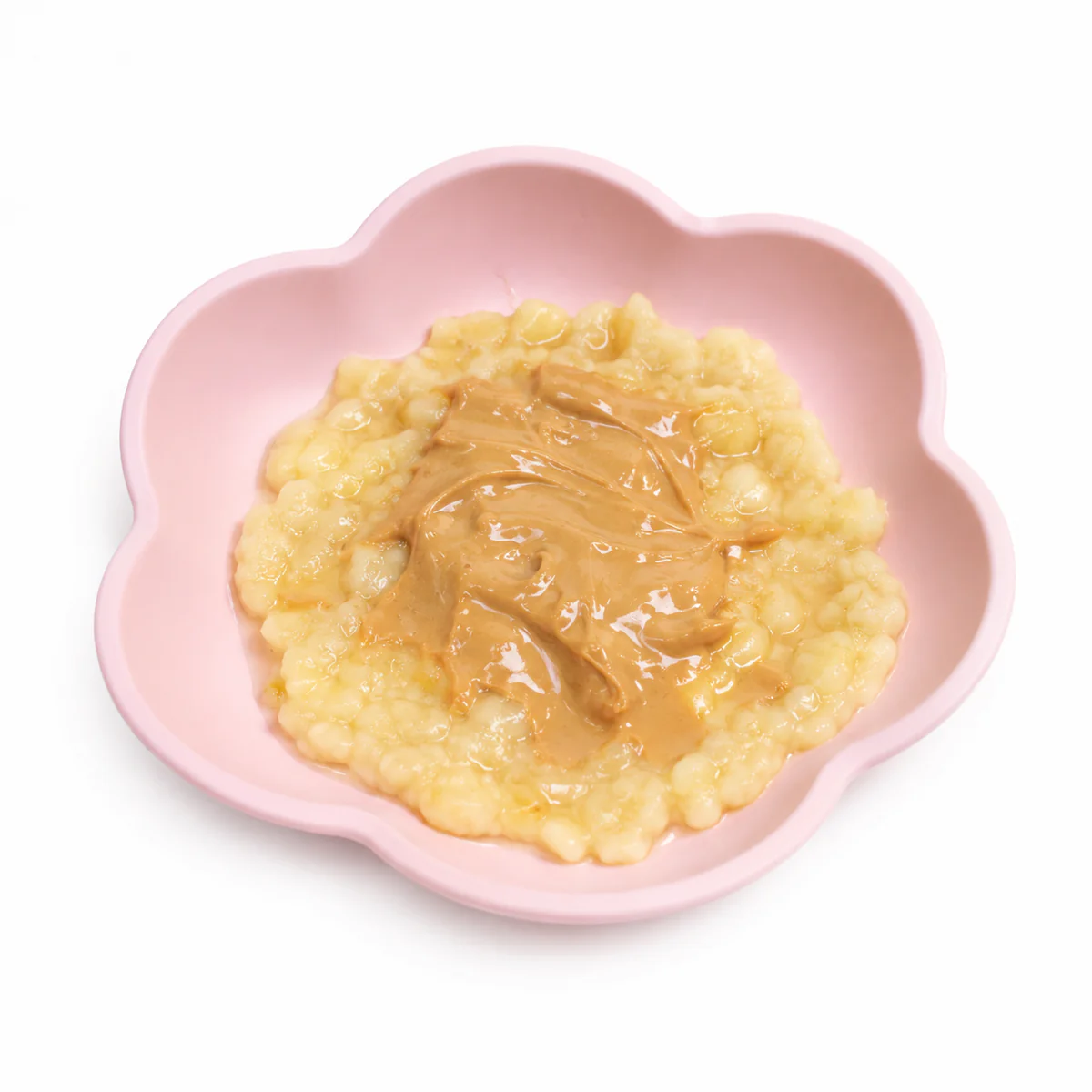
How to offer dairy safely
Cow’s milk should not be used as the main drink before 12 months because it does not replace breast milk or infant formula at this stage. However, dairy foods such as plain full-fat yogurt with no added sugar and small amounts of pasteurized cheese can be part of complementary feeding, depending on individual guidance. Foods made with milk, such as pancakes, homemade muffins without added sugar or mashed foods, can also be ways to introduce dairy. Avoid raw milk, unpasteurized cheeses, sweetened dairy products, sugary dairy desserts and preparations with too much salt.
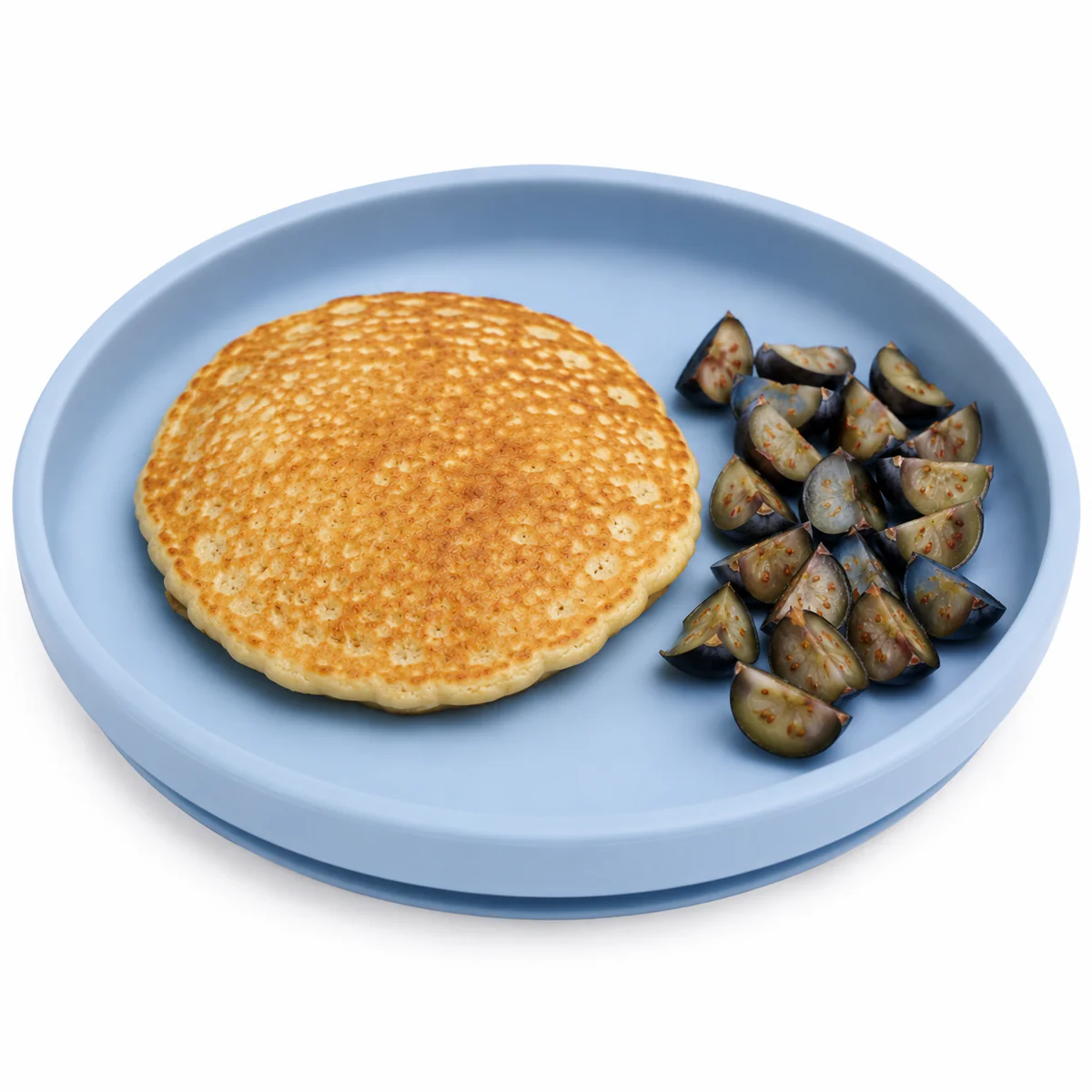
How to offer wheat safely
Wheat can be introduced through simple foods that are already part of the family’s routine. Soft bread, pancakes, well-cooked pasta, porridge and other preparations can be used as long as the texture is appropriate for the baby. For younger babies, avoid hard pieces, firm crusts or foods that are too dry, as they may be harder to chew and swallow.
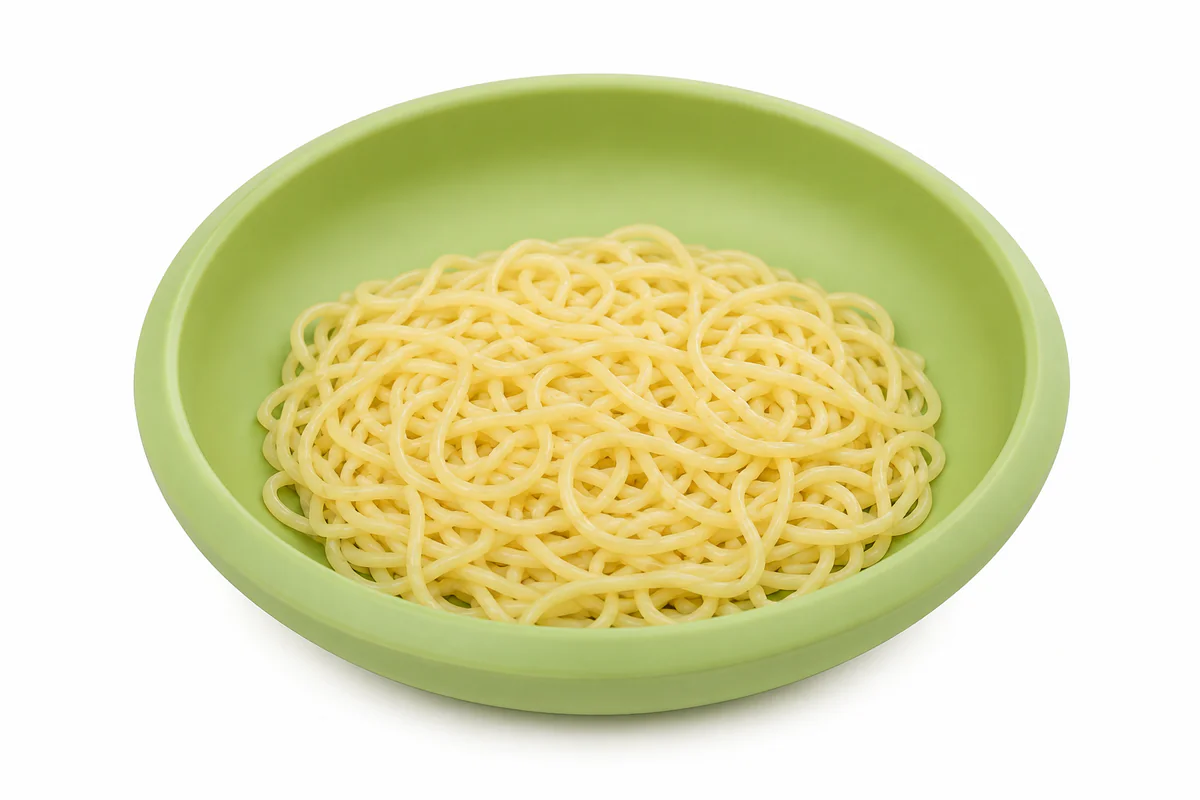
How to offer fish safely
Fish is nutritious and can be offered to babies as long as it is fully cooked and completely free of bones. Soft-textured fish such as tilapia, white fish, cleaned sardines or salmon are often good options. The preparation should be simple, with no salt, and without processed sauces. Avoid raw fish, smoked fish, very salty fish or fish from unsafe sources. It is also important to be mindful of fish that may contain higher levels of mercury, especially if offered frequently.
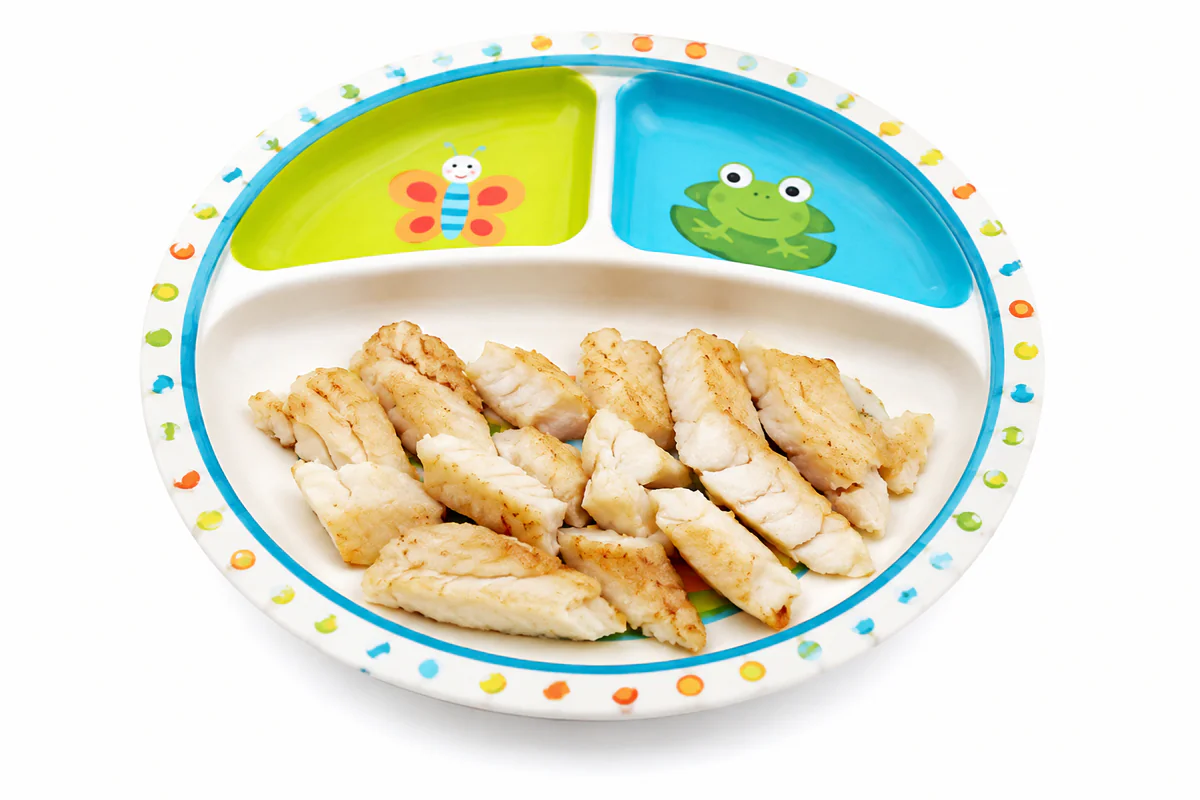
How to offer shellfish safely
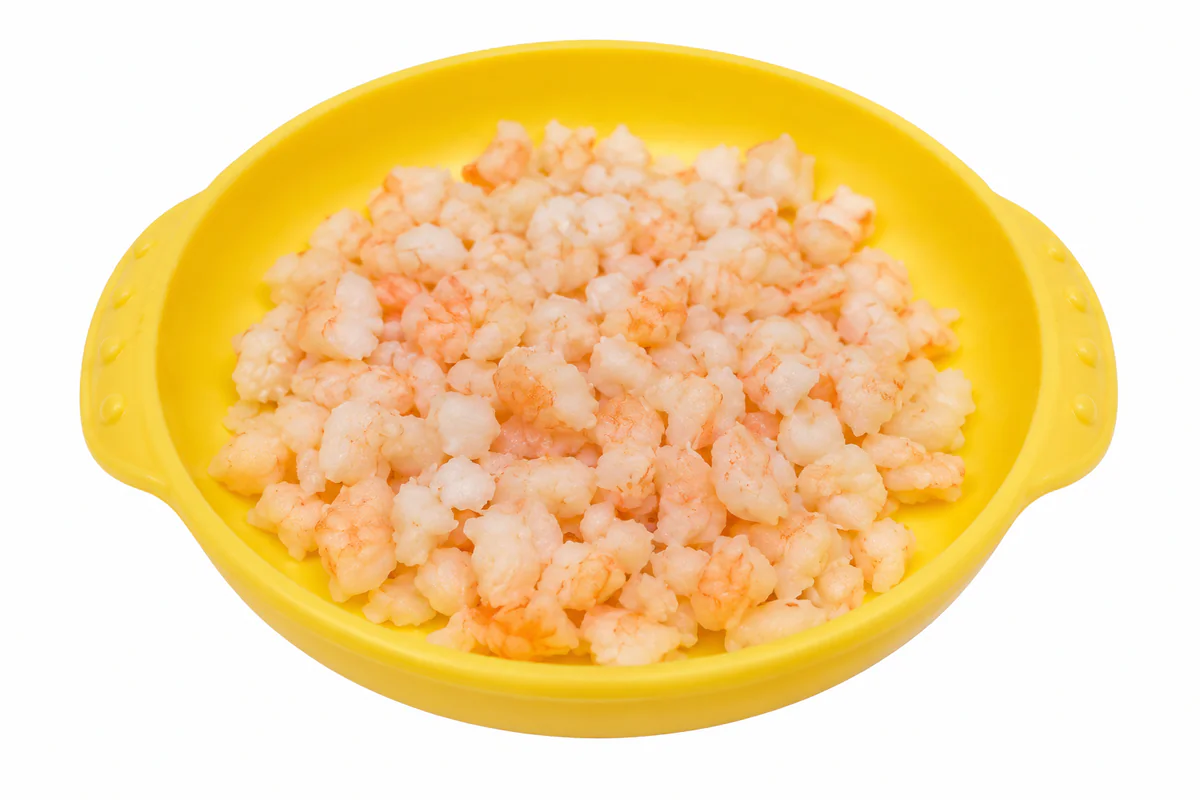
Shellfish such as shrimp, crab and mollusks can be introduced carefully, as long as they are fully cooked, fresh and from a reliable source. The texture must be adapted for the baby. Shrimp, for example, should be well cooked and cut into appropriate pieces or shredded, depending on the child’s stage. Shells, hard parts and rubbery pieces should be avoided. Never offer raw or undercooked shellfish to babies.
How to offer tree nuts safely
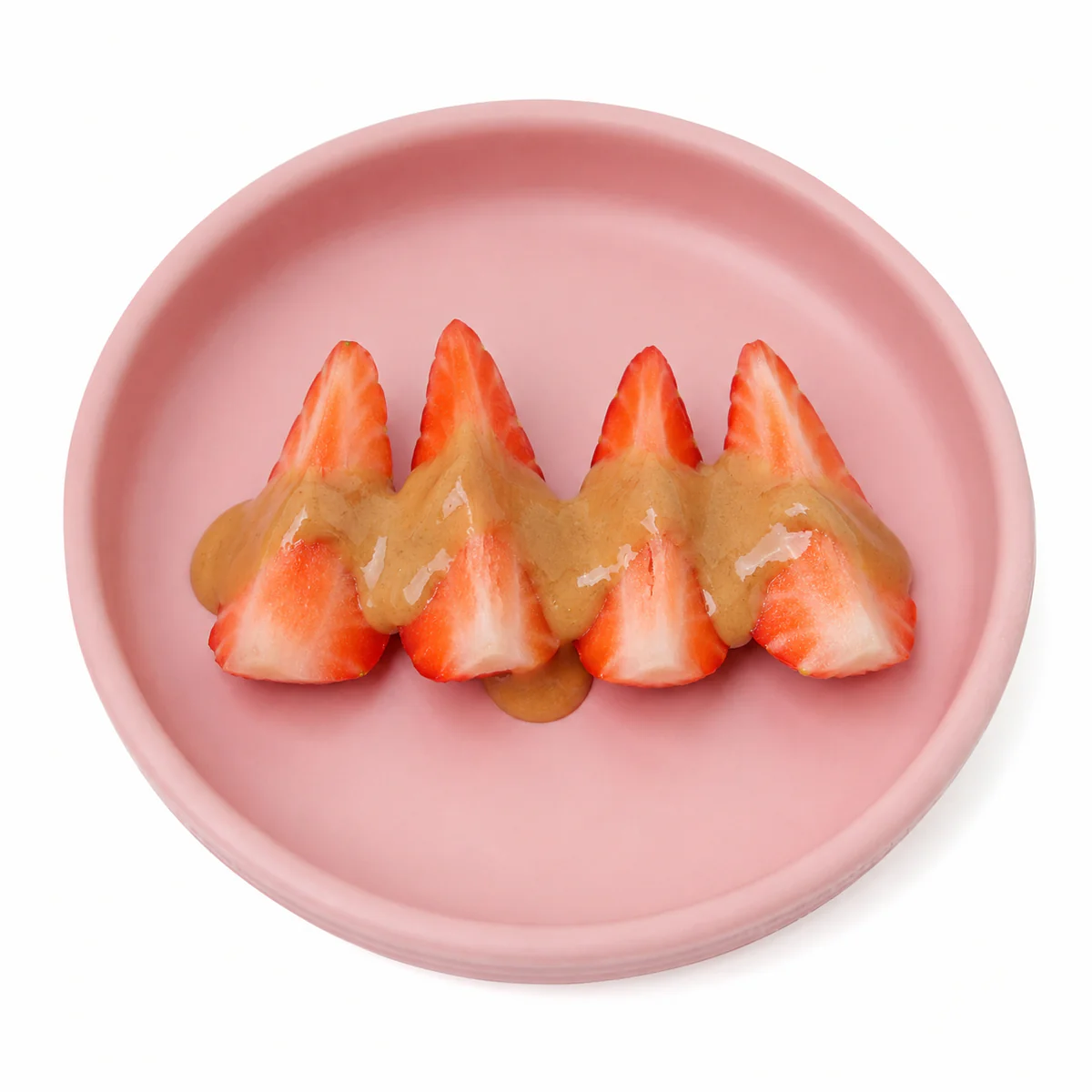
Tree nuts such as cashew, walnut, almond, hazelnut and pistachio should never be offered whole to babies because they are a choking hazard. The safest form is thinned nut butter, fine nut flour or a smooth nut cream mixed into moist foods such as mashed fruit, porridge, yogurt or purées. The texture should be smooth and free of pieces. As with other allergens, start with a small amount and observe tolerance.
How to offer sesame safely
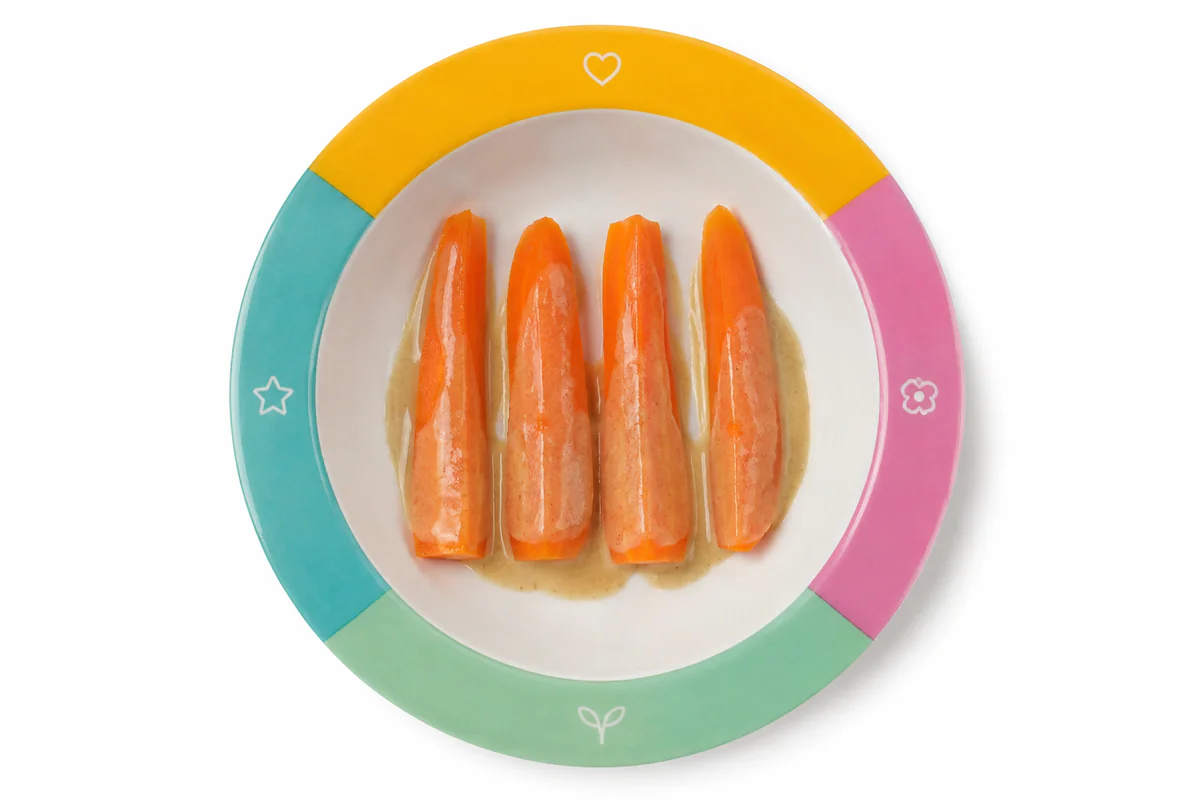
Sesame can be introduced as tahini, which is a paste made from sesame seeds. For babies, tahini should be thinned and mixed into another food so the texture becomes lighter and easier to swallow. Another option is smooth hummus with little salt, as long as the ingredients are appropriate for the baby. Whole sesame seeds may be difficult for babies to chew and are not the best first form for introduction.
How to offer soy safely
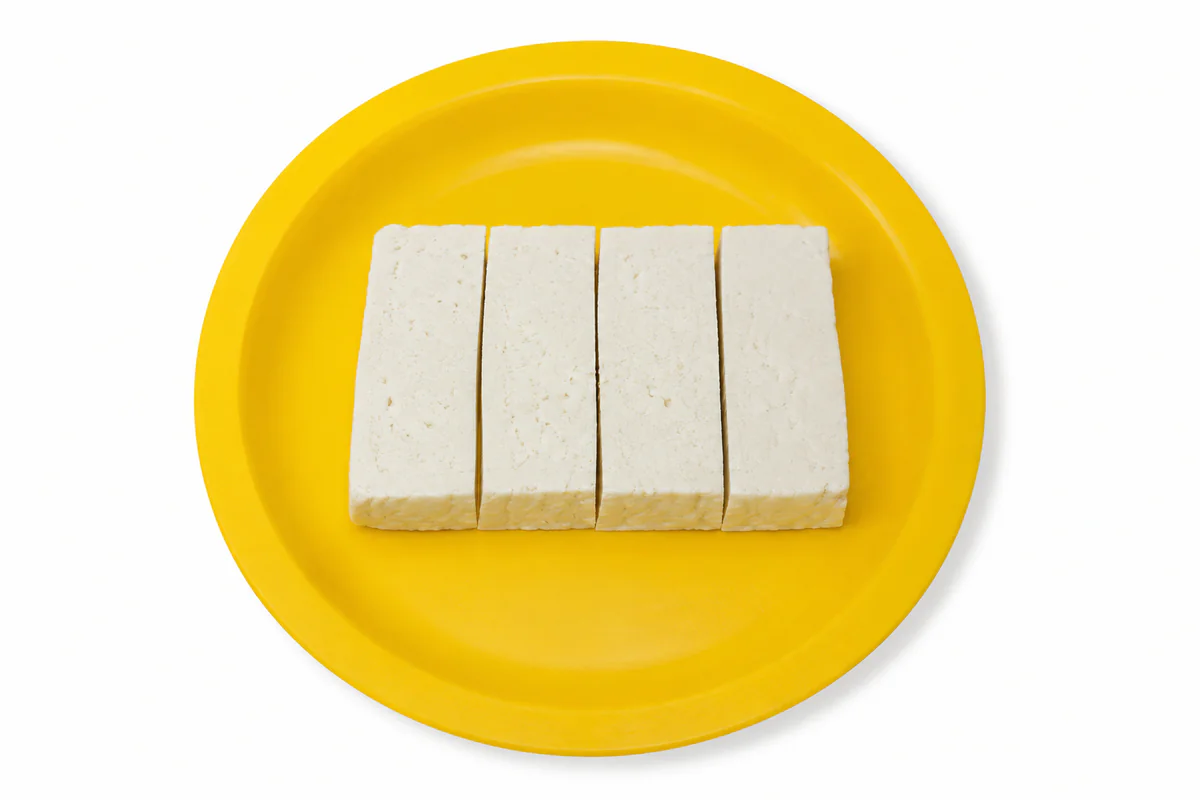
Soy can be introduced through soft tofu, well-cooked soy-based preparations or unsweetened soy yogurt, if this food is part of the family’s routine. Tofu is often practical because it has a soft texture and can be cut into shapes appropriate for the baby. As always, the first offer should be small and given at a time when the family can observe possible reactions.
Once tolerated, keep offering it
Once your baby tolerates an allergenic food, continue offering it regularly to maintain tolerance. It doesn't have to be every day, but consistency within your routine matters.
One very important part of allergen introduction is maintenance. Many families offer egg, peanut or fish once, notice that the baby has no reaction, and then do not offer it again for weeks or months. When an allergenic food is well tolerated, it should continue to appear regularly in the child’s diet. This helps the food become part of the routine and avoids turning introduction into a one-time “test.” It does not have to be every day. What matters most is consistency within the family’s routine.
Should allergens be introduced one at a time?
For the first exposure to an important allergen, it is helpful to offer it alone or with foods the baby already tolerates. This makes it easier to identify the cause if a reaction occurs. This does not mean the food must always be offered separately. Once the baby has tolerated it a few times, it can be combined normally with other ingredients and family recipes.
What to avoid
- Avoid rubbing food on the baby’s skin to “test” for allergy. This is not recommended and may irritate the skin.
- Avoid delaying allergenic foods without professional guidance. For most babies, delaying these foods is not an effective way to prevent allergies.
- Avoid offering whole peanuts, tree nuts, seeds or hard pieces, as they are choking hazards.
- Avoid introducing several new allergens on the same day, because this makes it harder to identify what caused a possible reaction.
- Avoid introducing allergens right before sleep or when you will not be able to observe the baby.
- Avoid removing all allergenic foods from the child’s diet out of fear, without professional guidance. Unnecessary restrictions can reduce dietary variety and increase family anxiety.
- It is also not necessary for the breastfeeding parent to remove allergenic foods from their own diet to prevent allergies, unless there is a specific medical indication.
When to seek guidance before introduction
Some babies need a more individualized plan. Speak with a pediatrician, nutritionist or allergist before introducing allergens if the baby has severe eczema, egg allergy, a previous reaction to food, a history of anaphylaxis, hives or swelling after eating, repeated vomiting related to foods, or any health condition that requires specific dietary care. In these cases, the healthcare professional can advise whether testing is needed, whether the introduction should happen in a supervised setting, or whether it can be done at home with adaptations.
A simple progression example
The order of introduction can vary according to the family’s food culture, food availability and professional guidance. One possible sequence is to start with well-cooked egg, then thinned peanut butter, then plain yogurt, wheat in simple preparations, well-cooked fish, sesame as thinned tahini, tree nuts as thinned nut butter or fine flour, and then soy as tofu or cooked soy preparations. This example does not need to be followed rigidly. The most important things are to offer each food in a safe texture, start with a small amount, observe the baby’s response and keep tolerated foods in the routine.
Checklist before offering
- Is my baby well today?
- Is the food in a safe texture?
- Are there any hard pieces or choking hazards?
- Is the first amount small?
- Can I observe my baby over the next few hours?
- Do I know which signs of reaction to watch for?
Final message for parents
Introducing allergenic foods does not need to be scary. With good information, attention and preparation, these foods can become part of your baby’s diet safely. Start small, choose a calm moment, observe your baby and keep the food in the routine when it is well tolerated. If there is any reaction or if your baby has a significant allergy history, severe eczema or other health conditions, seek guidance from a pediatrician, nutritionist or allergist for an individualized plan.
Sources & references
Health claims in this content are backed by these sources.
- 1American Academy of Pediatrics. (2025, June 12). When to introduce egg, peanut butter & other common food allergens to a baby.https://www.healthychildren.org/English/healthy-living/nutrition/Pages/when-to-introduce-egg-peanut-butter-and-other-common-food-allergens-to-your-baby-food-allergy-prevention-tips.aspx
- 2American Academy of Pediatrics. (2025, October 8). Food allergies in children: Causes, symptoms, diagnosis & treatment. HealthyChildren.org.https://www.healthychildren.org/English/healthy-living/nutrition/Pages/Food-Allergies-in-Children.aspx
- 3Australasian Society of Clinical Immunology and Allergy. (2026). ASCIA guideline: Infant feeding for food allergy prevention: Summary of recommendations.https://www.allergy.org.au/hp/papers/infant-feeding-and-allergy-prevention
- 4Australasian Society of Clinical Immunology and Allergy. (2026, January 23). Updated ASCIA guideline: Infant feeding for food allergy prevention: Published January 2026.https://www.allergy.org.au/about-ascia/info-updates/updated-ascia-guideline-infant-feeding-for-food-allergy-prevention-published-january-2026
- 5National Allergy Centre of Excellence. (2026, January 20). Updated ASCIA guideline aims to reduce food allergy risk in infants.https://www.nace.org.au/knowledge-hub/news-media/2026/updated-ascia-guideline-aims-to-reduce-food-allergy-risk-in-infants/
- 6National Allergy Council. (2026, January 20). ASCIA guideline update. Prevent Allergies.https://preventallergies.org.au/news/ascia-guideline-update/
- 7National Institute of Allergy and Infectious Diseases. (2017). Addendum guidelines for the prevention of peanut allergy in the United States: Report of the National Institute of Allergy and Infectious Diseases-sponsored expert panel.https://www.niaid.nih.gov/sites/default/files/addendum-peanut-allergy-prevention-guidelines.pdf