FoodsOtherNori
Nori

Other

Nori

Nori is a type of edible seaweed that's packed with nutrients and offers a unique, savory flavor that can introduce your baby to new tastes. It's naturally rich in vitamins and minerals that support healthy growth and development, making it a nutritious addition to their diet. The soft, paper-like texture when prepared properly makes it easy for little ones to handle.

6m+Not a common allergenChoking risk: Medium
First age6m+
CategoryOther
Common allergenNo
Choking riskMedium

When can babies eat Nori?

You can introduce nori around 6 months when starting solids, as long as it's prepared safely to minimize choking risk. It's best offered in small amounts initially to see how your baby reacts to the flavor and texture.

How to serve Nori by age

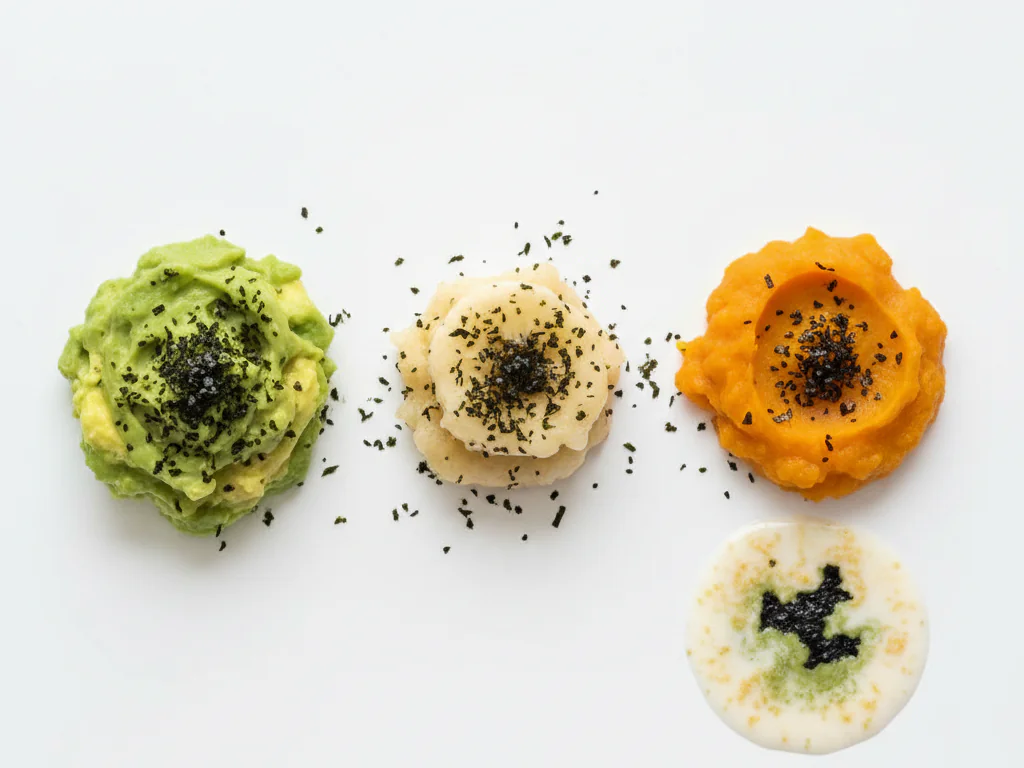
Tear dried nori into tiny, confetti-sized pieces and sprinkle over soft, mashed foods like avocado, banana, or cooked sweet potato. You can also dissolve a small piece in warm water and mix it into baby cereal or purees to introduce the flavor without texture risks.
6 to 9 months

Tear dried nori into tiny, confetti-sized pieces and sprinkle over soft, mashed foods like avocado, banana, or cooked sweet potato. You can also dissolve a small piece in warm water and mix it into baby cereal or purees to introduce the flavor without texture risks.

  • Start with just a pinch of nori to gauge your baby's reaction.
  • Mix nori pieces into yogurt or oatmeal for a savory twist.
  • Avoid large pieces that could stick to the roof of the mouth.
  • Always supervise your baby closely during feeding.
  • Offer nori alongside familiar foods to ease acceptance.
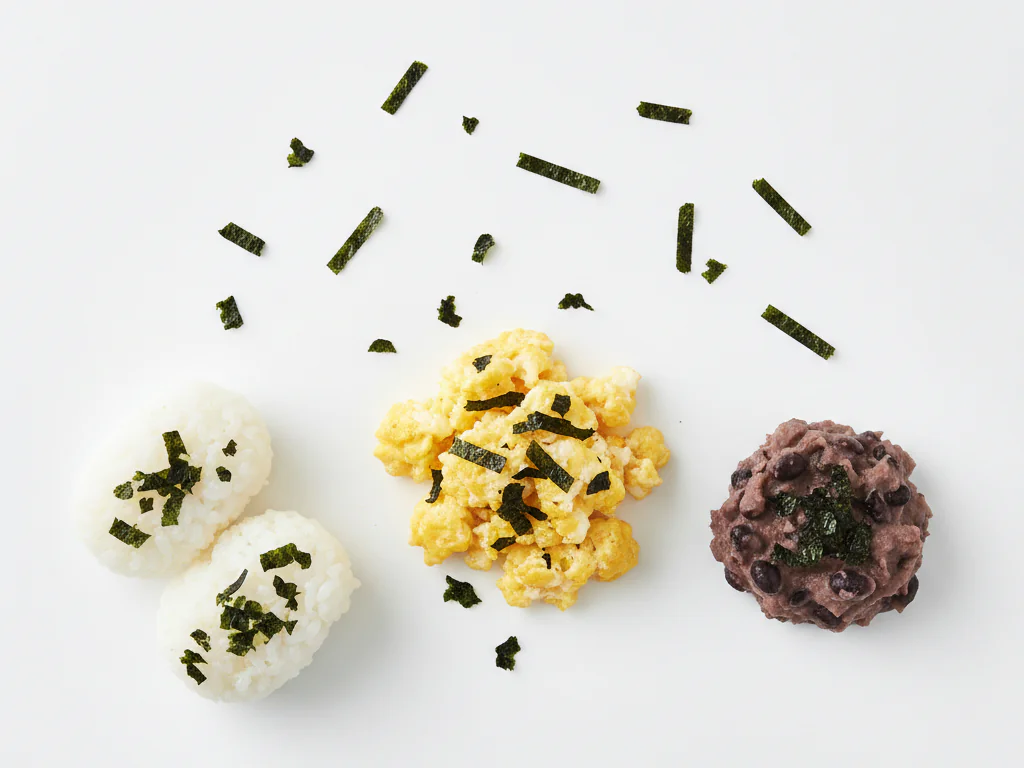
Continue using small, torn pieces sprinkled on foods, but you can also incorporate nori into soft, cooked dishes like scrambled eggs, rice balls, or mashed beans. As your baby develops better chewing skills, you can offer slightly larger (but still small) pieces mixed into meals.
9 to 12 months

Continue using small, torn pieces sprinkled on foods, but you can also incorporate nori into soft, cooked dishes like scrambled eggs, rice balls, or mashed beans. As your baby develops better chewing skills, you can offer slightly larger (but still small) pieces mixed into meals.

  • Add nori to homemade veggie patties or fritters for extra nutrition.
  • Use nori as a seasoning in soups or stews instead of salt.
  • Combine with cooked quinoa or soft pasta for a balanced meal.
  • Watch for any gagging with stickier textures.
  • Encourage self-feeding by placing nori pieces on their tray.
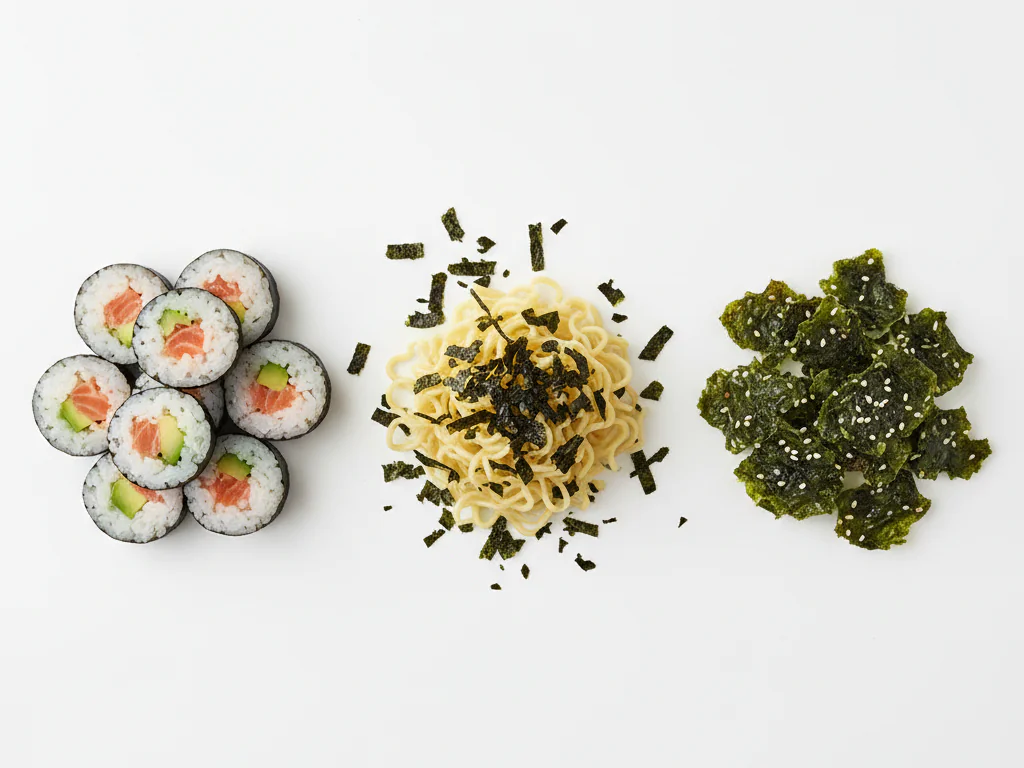
Your toddler can enjoy nori in more varied ways, such as small strips in sushi rolls (without raw fish), crumbled over noodles, or baked into crispy snacks. Ensure pieces are still bite-sized to prevent choking, and continue to avoid whole sheets.
12 months +

Your toddler can enjoy nori in more varied ways, such as small strips in sushi rolls (without raw fish), crumbled over noodles, or baked into crispy snacks. Ensure pieces are still bite-sized to prevent choking, and continue to avoid whole sheets.

  • Make nori wraps with soft fillings like cream cheese or mashed beans.
  • Bake nori strips lightly for a crunchy, low-sodium snack.
  • Use nori as a fun topping for rice bowls or salads.
  • Involve your toddler in tearing nori for meals to build interest.
  • Pair with dipping sauces like yogurt or hummus for added flavor.

Safety & allergens

Choking risk: Medium

Nori can become sticky and gummy when wet, posing a choking hazard if served in large pieces. Always tear it into tiny, confetti-sized pieces or dissolve it into purees. Avoid giving whole sheets or large strips, and supervise your baby closely during meals.

Not a common allergen

Nori is not a top allergen. As with any new food, offer it on its own and watch for any reaction.

Vitamins & minerals

Nori is a nutrient-dense food that provides key vitamins and minerals for your baby's growth. It's exceptionally high in vitamin A, which supports healthy vision and immune function[4], and contains significant iron for red blood cell development[2]. The potassium in nori helps maintain proper fluid balance and muscle function[3], while magnesium contributes to bone health[5].

Vitamins
Vitamin VITAMIN AVitamin VITAMIN B12Vitamin VITAMIN EVitamin RIBOFLAVINVitamin FOLATE
Minerals
IronPotassiumMagnesiumPhosphorusSodium

Pairs well with