FoodsGrainRice cereal
Rice cereal

Grain

Rice cereal

Rice cereal is often one of the first solid foods for babies because it's gentle on tiny tummies and easy to digest. It has a mild, slightly sweet flavor that most babies accept readily, and when fortified with iron, it provides an important nutrient that supports your baby's brain development and helps prevent anemia.[1]

6m+Not a common allergenChoking risk: Low
First age6m+
CategoryGrain
Common allergenNo
Choking riskLow

When can babies eat Rice cereal?

Rice cereal can typically be introduced around 6 months when your baby shows signs of readiness for solids, like sitting up with support and showing interest in your food.

How to serve Rice cereal by age

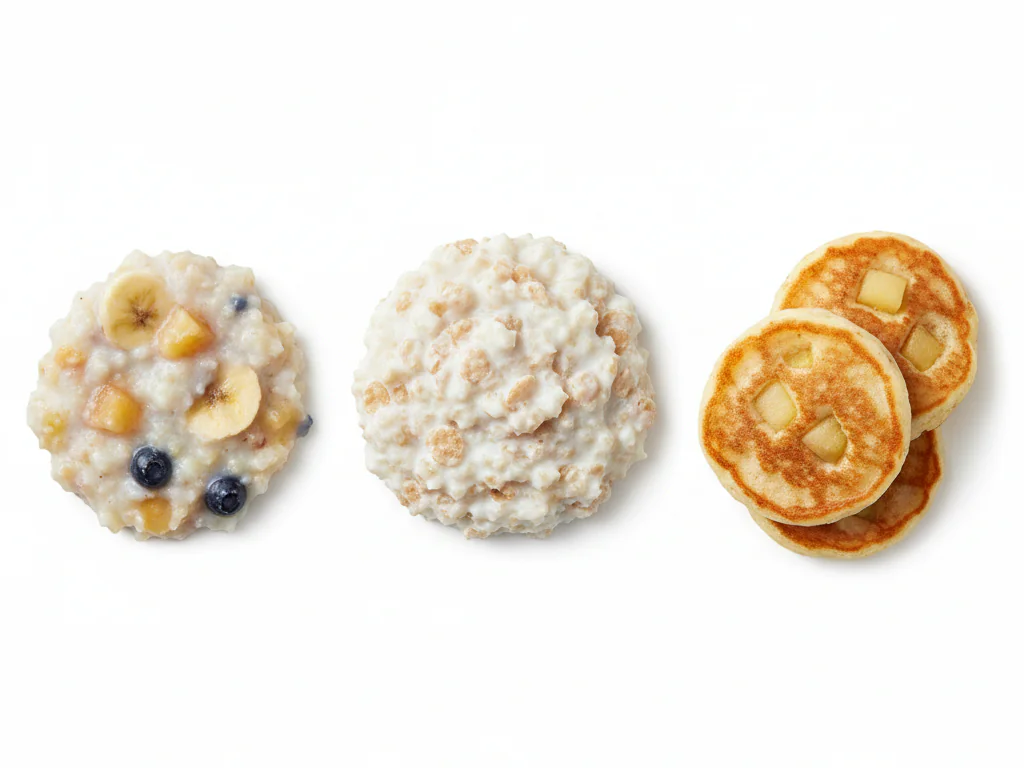
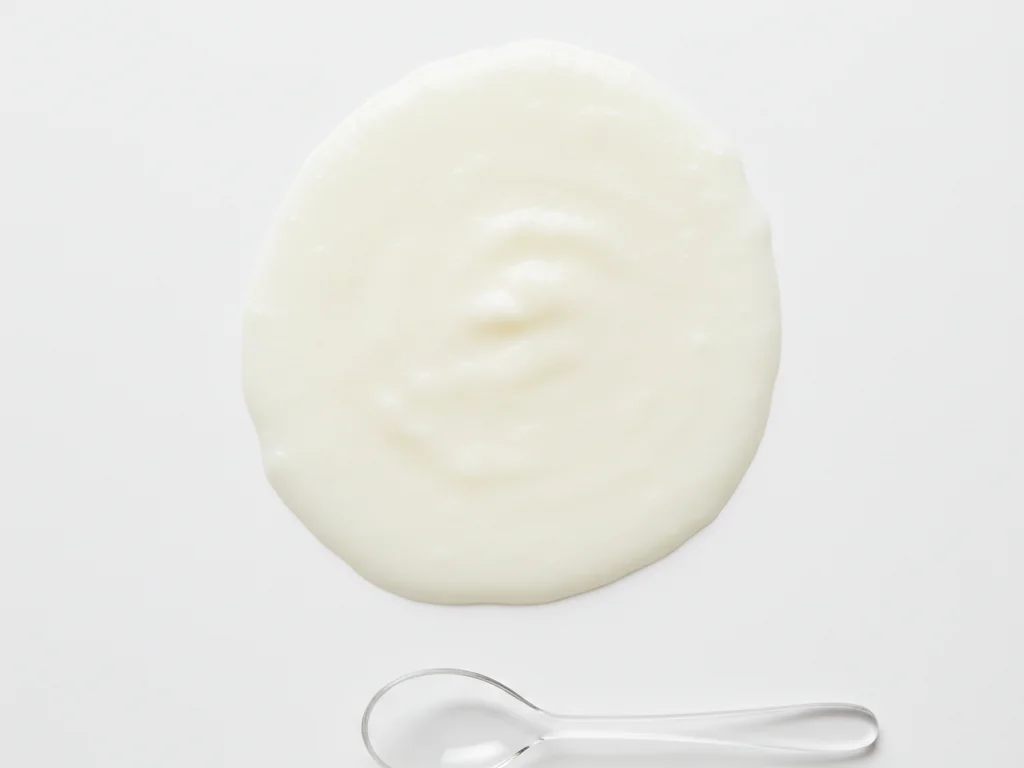
Mix fortified rice cereal with breast milk, formula, or water to create a thin, smooth puree with no lumps. Start with a runny consistency and gradually thicken as your baby masters swallowing.
6 to 9 months

Mix fortified rice cereal with breast milk, formula, or water to create a thin, smooth puree with no lumps. Start with a runny consistency and gradually thicken as your baby masters swallowing.

  • Use a small spoon and offer just a teaspoon or two at first.
  • Feed in a calm, upright position to prevent choking.
  • Watch for cues like turning away to know when your baby is full.
  • Mix fresh for each feeding to ensure food safety.
  • Introduce one new food at a time to monitor for reactions.
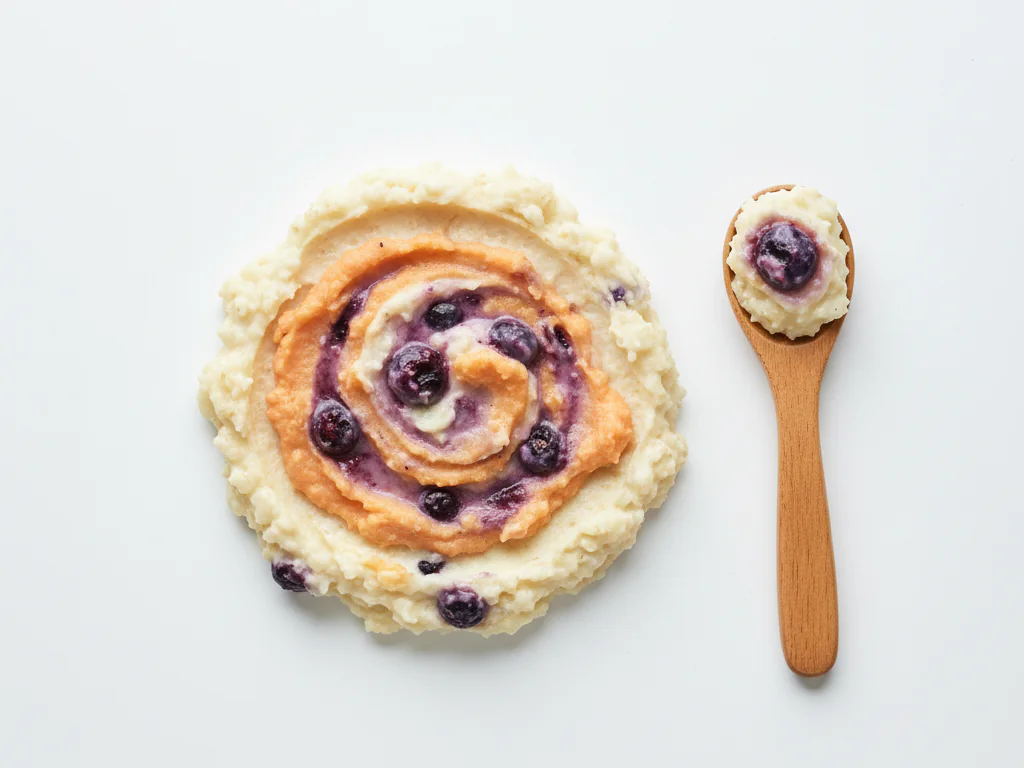
Thicken the cereal to a mashed potato-like consistency. You can mix in soft, mashed fruits or vegetables to add flavor and nutrients, encouraging self-feeding with a pre-loaded spoon.
9 to 12 months

Thicken the cereal to a mashed potato-like consistency. You can mix in soft, mashed fruits or vegetables to add flavor and nutrients, encouraging self-feeding with a pre-loaded spoon.

  • Encourage self-feeding by letting your baby hold the spoon.
  • Mix in small pieces of soft fruits like banana for texture.
  • Offer as part of a meal with other finger foods.
  • Keep portions small to avoid overwhelming your baby.
  • Be patient with mess—it's part of the learning process!
Serve as a side dish with meals, either as a thicker cereal or mixed into dishes like porridge. You can also use it in recipes like rice cereal muffins or pancakes for variety.
12 months +

Serve as a side dish with meals, either as a thicker cereal or mixed into dishes like porridge. You can also use it in recipes like rice cereal muffins or pancakes for variety.

  • Combine with yogurt or applesauce for a tasty snack.
  • Use as a base for adding spices like cinnamon.
  • Incorporate into baked goods for added nutrition.
  • Offer alongside protein-rich foods for balanced meals.
  • Let your toddler help mix ingredients to build interest.

Safety & allergens

Choking risk: Low

Rice cereal is very low risk when prepared as a thin, smooth puree for beginners. As your baby advances, you can thicken it gradually. Always supervise feeding and ensure your baby is sitting upright to minimize any risk.

Not a common allergen

Rice cereal is not a top allergen. As with any new food, offer it on its own and watch for any reaction.

Vitamins & minerals

Fortified rice cereal is a good source of iron, which is crucial for your baby's cognitive development and helps prevent iron-deficiency anemia.[1] It also contains B vitamins like thiamine (B1), niacin (B3), and pyridoxine (B6), which support energy metabolism and nervous system function.[2]

Vitamins
Vitamin VITAMIN B1Vitamin VITAMIN B3Vitamin VITAMIN B6
Minerals
IronMagnesiumZinc

Pairs well with