FoodsProteinBiltong powder
Biltong powder

Protein

Biltong powder

Biltong powder is a flavorful, protein-packed option made from dried, spiced meat (typically beef or game) that's ground into a fine powder. It offers a savory taste that can introduce babies to new flavors beyond sweet fruits and vegetables, while providing essential nutrients for growth and development. The powder form makes it easy to mix into purees, cereals, or soft foods, adding a protein boost to meals.

6m+Not a common allergenChoking risk: Low
First age6m+
CategoryProtein
Common allergenNo
Choking riskLow

When can babies eat Biltong powder?

Biltong powder can be introduced around 6 months when babies start solids, as long as it's prepared safely to minimize choking risk. Ensure it's finely ground and mixed into moist foods to avoid dryness.

How to serve Biltong powder by age

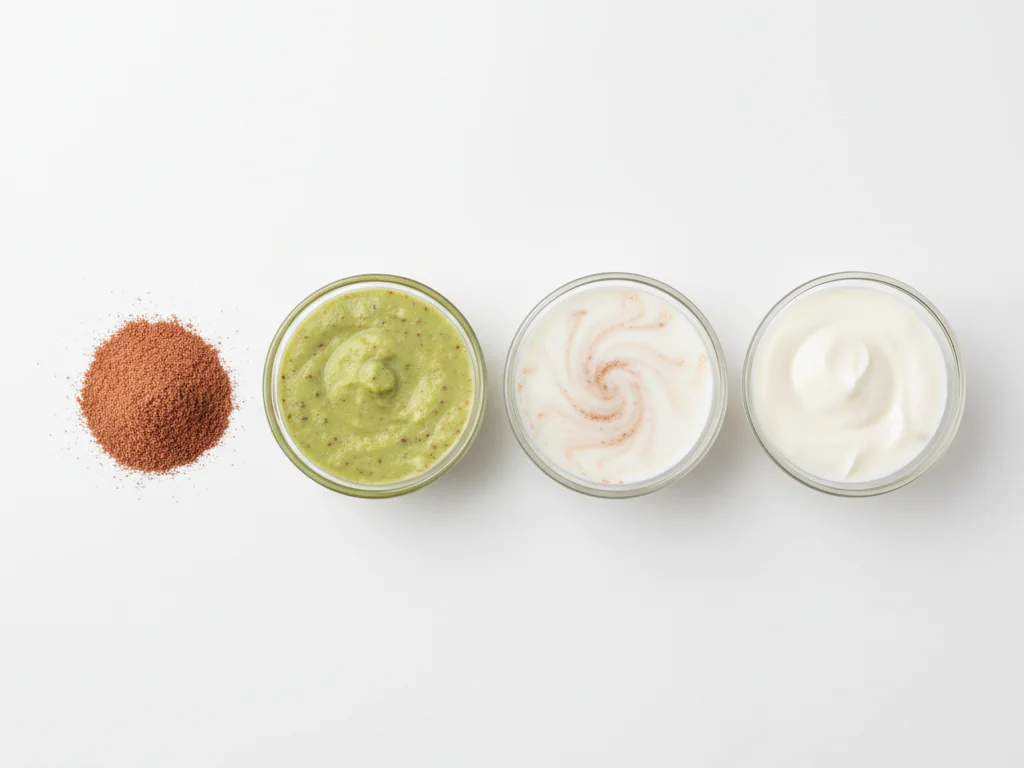
Mix a small pinch (about 1/4 teaspoon) of finely ground biltong powder into smooth purees, breast milk, formula, or yogurt. Ensure it's fully blended to avoid clumps, and start with a tiny amount to check for tolerance.
6 to 9 months

Mix a small pinch (about 1/4 teaspoon) of finely ground biltong powder into smooth purees, breast milk, formula, or yogurt. Ensure it's fully blended to avoid clumps, and start with a tiny amount to check for tolerance.

  • Combine with mashed avocado or banana for a creamy texture.
  • Stir into oatmeal or rice cereal for added protein.
  • Use as a seasoning in vegetable purees like carrot or squash.
  • Avoid adding salt or other seasonings separately.
  • Offer alongside iron-rich foods like lentils for variety.
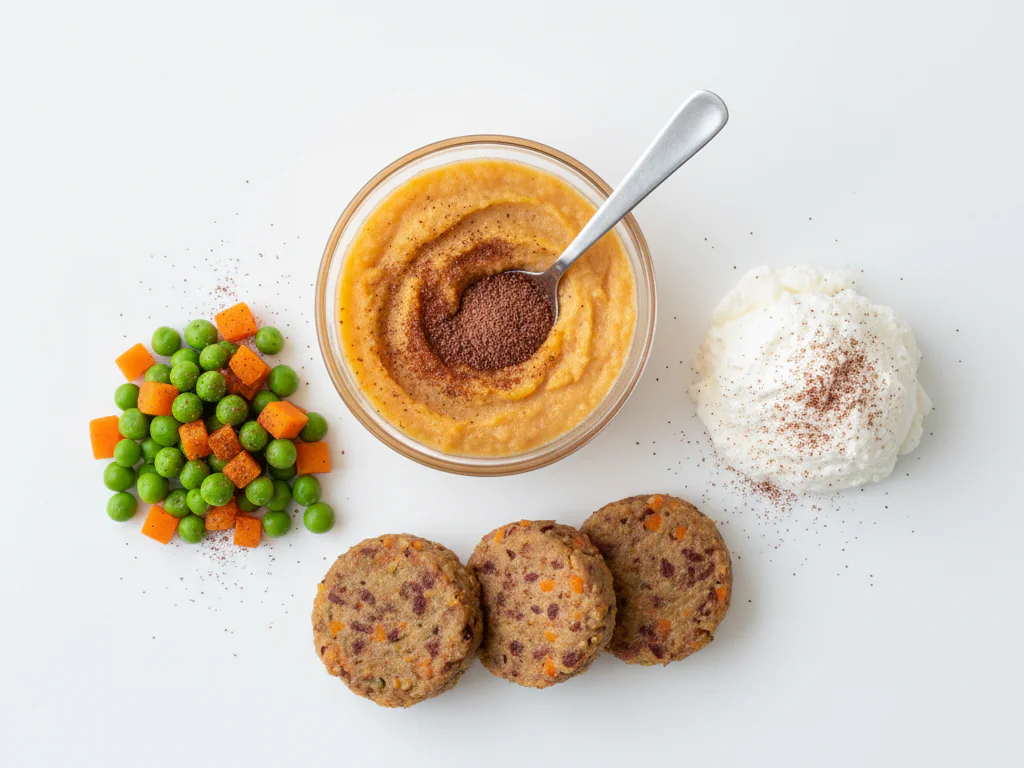
Increase to 1/2 teaspoon mixed into thicker mashes, soft scrambled eggs, or cottage cheese. You can also sprinkle lightly on soft-cooked vegetables or mix into patties for finger foods, ensuring it's well-incorporated.
9 to 12 months

Increase to 1/2 teaspoon mixed into thicker mashes, soft scrambled eggs, or cottage cheese. You can also sprinkle lightly on soft-cooked vegetables or mix into patties for finger foods, ensuring it's well-incorporated.

  • Blend into bean or lentil mashes for a savory boost.
  • Mix with mashed potatoes or sweet potatoes for a hearty meal.
  • Incorporate into soft meatballs or veggie patties.
  • Pair with iron-fortified cereals to enhance nutrient intake.
  • Monitor for any digestive changes as portions increase.
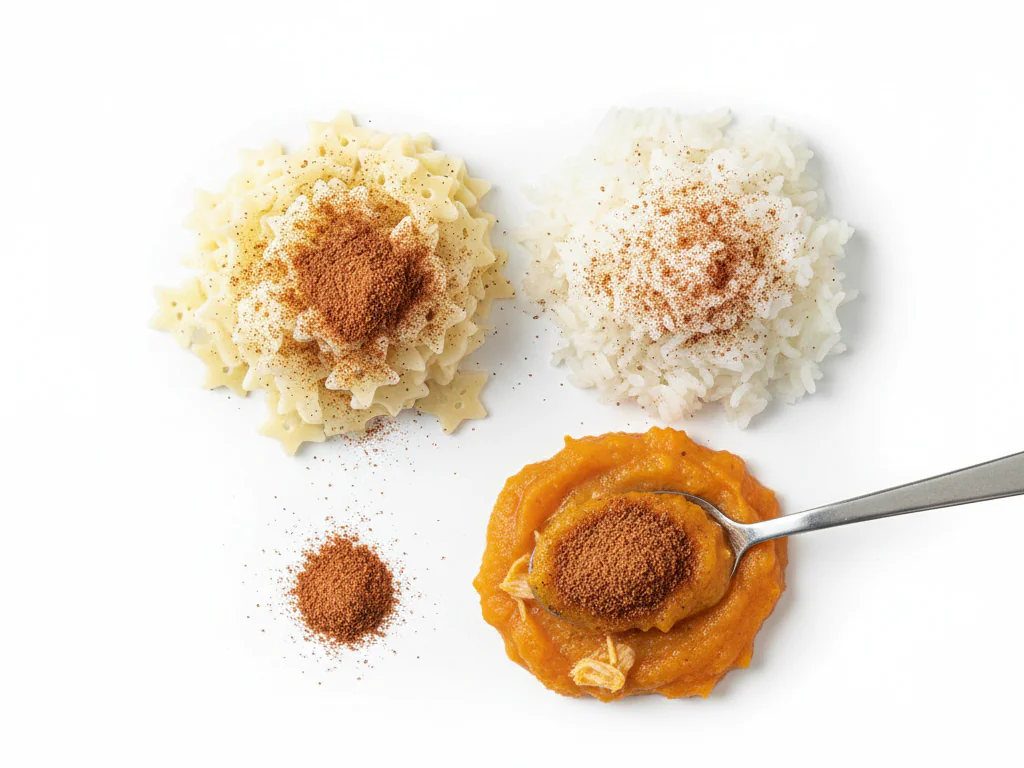
Use up to 1 teaspoon sprinkled on foods like pasta, rice, or soft meats. It can be added to sauces, soups, or casseroles for flavor, but avoid dry powder alone to prevent choking.
12 months +

Use up to 1 teaspoon sprinkled on foods like pasta, rice, or soft meats. It can be added to sauces, soups, or casseroles for flavor, but avoid dry powder alone to prevent choking.

  • Stir into tomato-based sauces for spaghetti or meat dishes.
  • Add to homemade burger patties or meatloaf for extra flavor.
  • Mix into quinoa or couscous for a protein-packed side.
  • Combine with cheese in grilled sandwiches or quesadillas.
  • Encourage self-feeding with utensils to practice motor skills.

Safety & allergens

Choking risk: Low

Biltong powder itself is low-risk when finely ground and mixed into wet foods like yogurt, mashed vegetables, or oatmeal. Avoid giving dry powder alone or in clumps, as it can be gritty and potentially cause gagging. Always supervise your baby during meals and ensure they're sitting upright.

Not a common allergen

Biltong powder is not a top allergen. As with any new food, offer it on its own and watch for any reaction.

Vitamins & minerals

Biltong powder is rich in protein, which supports muscle growth and repair in babies.[1] It provides iron, crucial for healthy brain development and preventing anemia,[2] along with zinc for immune function and wound healing.[3] The B vitamins, like B12 and B6, help with energy metabolism and red blood cell formation.[4]

Vitamins
Vitamin VITAMIN B12Vitamin VITAMIN B3Vitamin VITAMIN B6
Minerals
IronZincPhosphorus

Pairs well with