FoodsFruitDate
Date

Fruit

Date

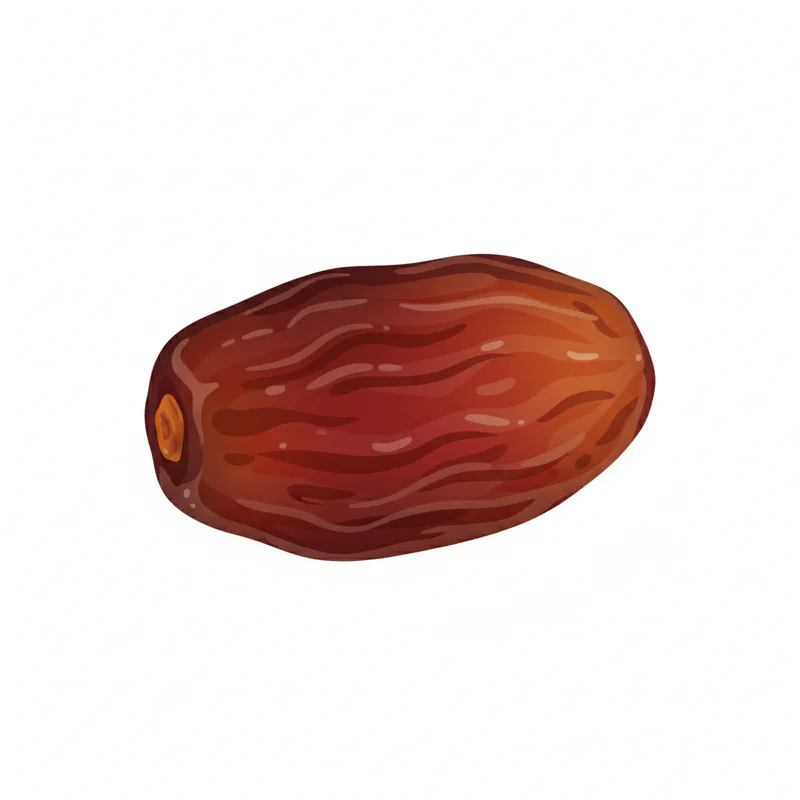
Dates are a naturally sweet, soft fruit that babies often love for their caramel-like flavor and smooth texture when pureed. They're packed with natural energy and fiber, which can help support healthy digestion in little ones.[1] Their gentle sweetness makes them a great alternative to added sugars in baby foods.

6m+Not a common allergenChoking risk: Medium
First age6m+
CategoryFruit
Common allergenNo
Choking riskMedium

When can babies eat Date?

Dates can be introduced around 6 months when your baby starts solids, as long as they're prepared safely to avoid choking hazards.

How to serve Date by age

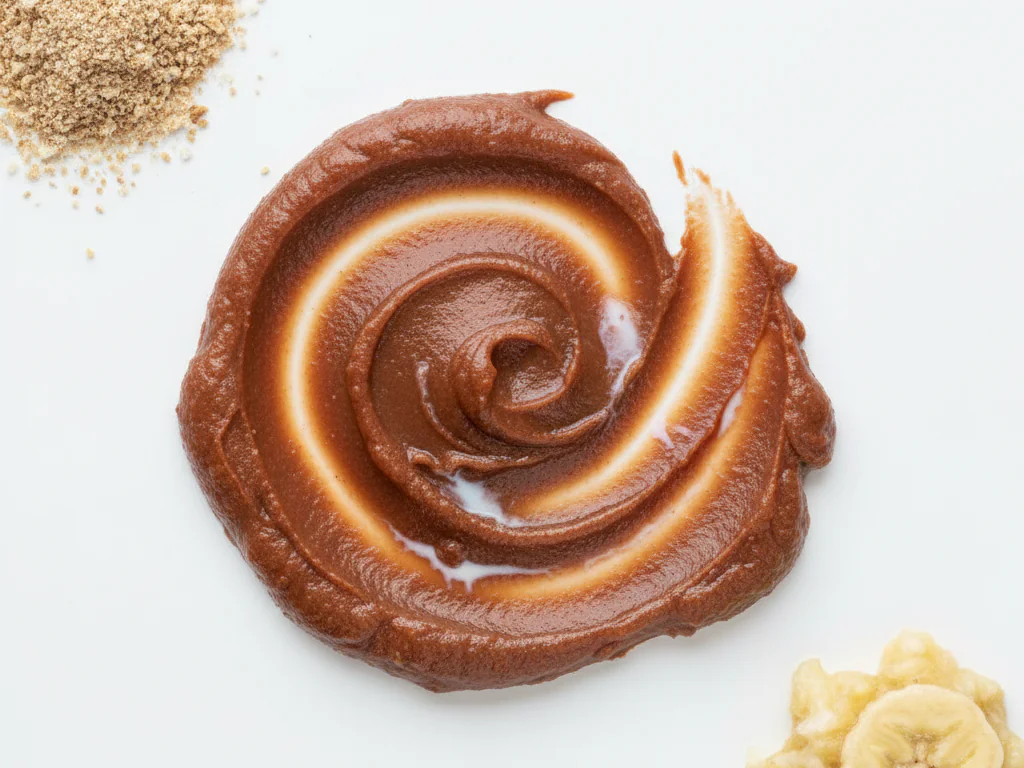
Puree pitted dates with a little breast milk, formula, or water until completely smooth. You can mix this puree with other fruits or cereals for added flavor and nutrition.
6 to 9 months

Puree pitted dates with a little breast milk, formula, or water until completely smooth. You can mix this puree with other fruits or cereals for added flavor and nutrition.

  • Soak dried dates in warm water for 10-15 minutes before blending to soften.
  • Strain the puree through a fine mesh sieve to remove any fibrous bits.
  • Start with a teaspoon mixed into familiar foods to gauge your baby's reaction.
  • Store extra puree in ice cube trays in the freezer for up to 2 months.
  • Avoid adding sugar or honey—dates are sweet enough on their own.
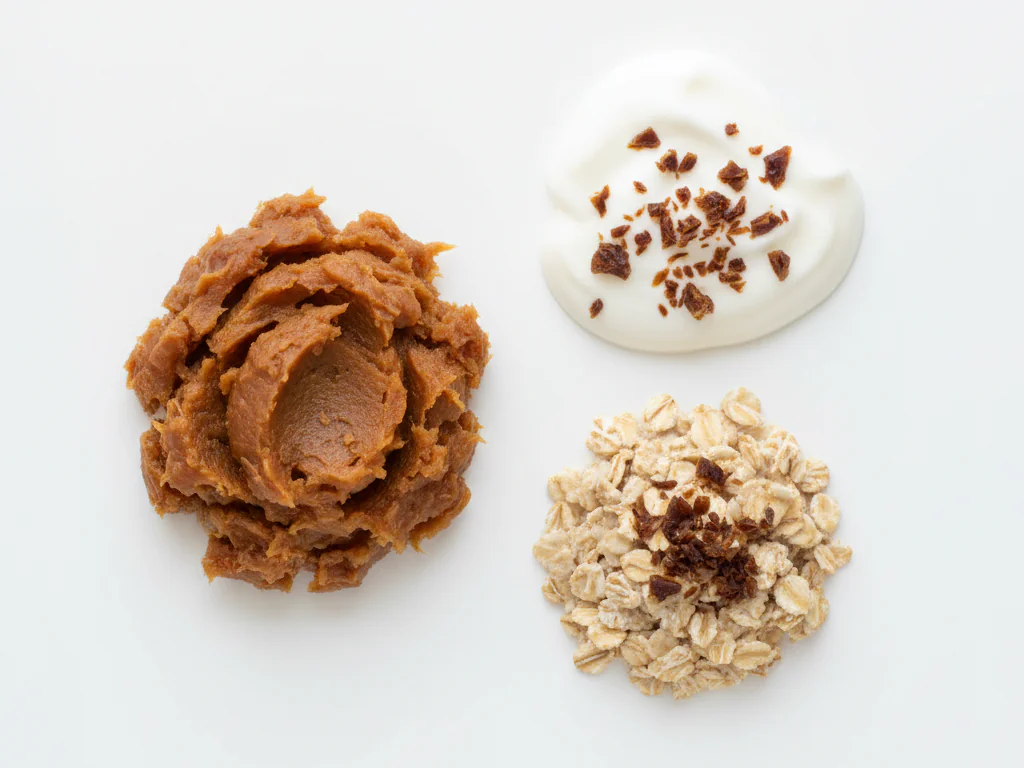
Mash pitted dates with a fork into a soft, lumpy texture. You can also finely chop dates and mix into yogurt, oatmeal, or soft-cooked grains.
9 to 12 months

Mash pitted dates with a fork into a soft, lumpy texture. You can also finely chop dates and mix into yogurt, oatmeal, or soft-cooked grains.

  • Ensure dates are pitted and check for any hard pieces before mashing.
  • Mix mashed dates with foods like avocado or banana for a creamy texture.
  • Offer as a finger food by spreading date mash on soft toast strips.
  • Supervise closely as the sticky texture can be challenging for new eaters.
  • Introduce in small amounts to prevent digestive upset from the fiber.
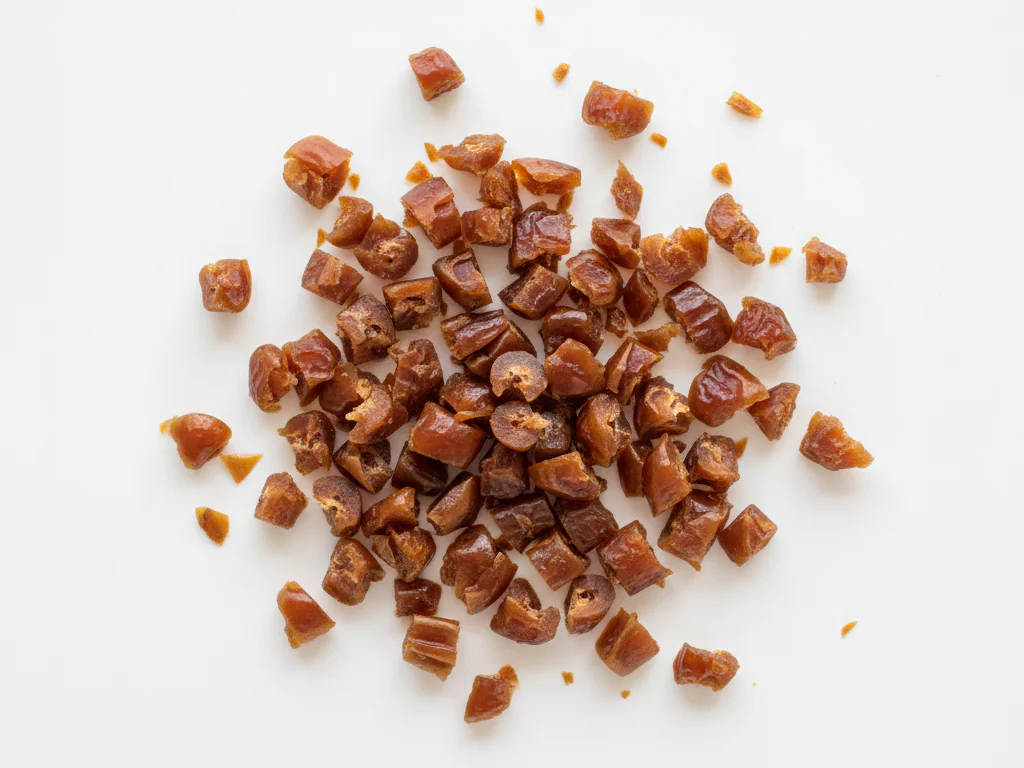
Chop pitted dates into very small pieces (about pea-sized or smaller) and add to cereals, baked goods, or serve as a snack. Toddlers can handle more texture but still need careful preparation.
12 months +

Chop pitted dates into very small pieces (about pea-sized or smaller) and add to cereals, baked goods, or serve as a snack. Toddlers can handle more texture but still need careful preparation.

  • Use dates as a natural sweetener in muffins or energy balls for toddlers.
  • Combine chopped dates with nuts or seeds only if no allergy risk and for toddlers over 12 months.
  • Teach toddlers to chew thoroughly due to the sticky consistency.
  • Offer water with date snacks to help wash them down.
  • Monitor for any signs of choking, especially if your child eats quickly.

Safety & allergens

Choking risk: Medium

Whole dates and large pieces are a choking risk due to their sticky texture and potential to block airways. Always remove the pit completely and prepare dates appropriately for your baby's age—puree for beginners, mash for older babies, and chop finely for toddlers.

Not a common allergen

Date is not a top allergen. As with any new food, offer it on its own and watch for any reaction.

Vitamins & minerals

Dates provide a good source of potassium, which supports healthy heart function and fluid balance in babies.[2] They also contain magnesium for bone development[3] and fiber to promote regular bowel movements.[1] The natural sugars in dates offer quick energy for active little ones.

Vitamins
Vitamin VITAMIN B6Vitamin VITAMIN K
Minerals
PotassiumMagnesiumCopper

Pairs well with