FoodsHerb / SpiceMint
Mint

Herb / Spice

Mint

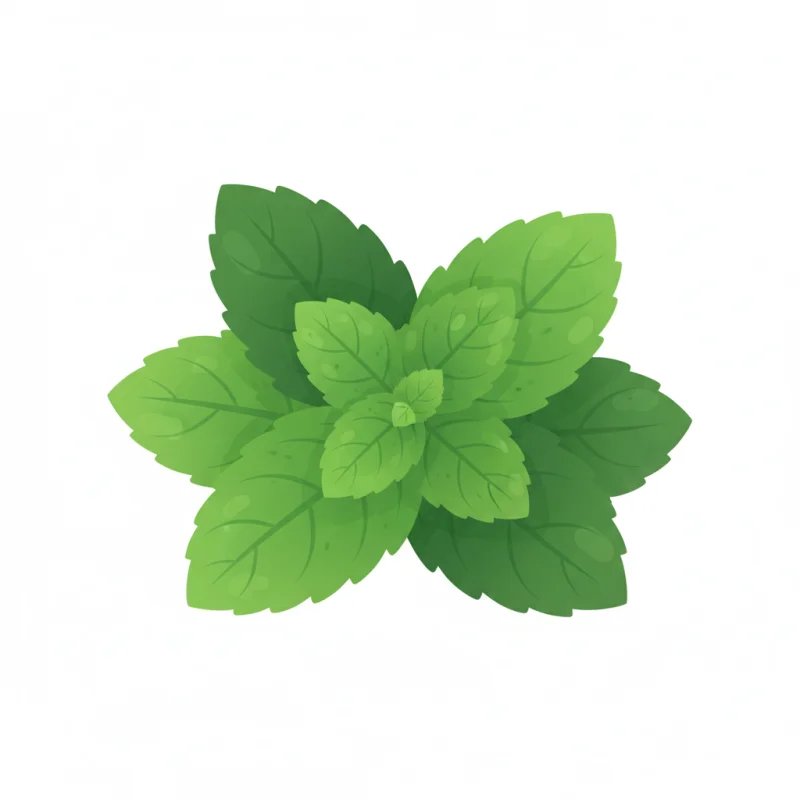
Mint is a refreshing herb that can add a burst of flavor to your baby's meals. Its cool, slightly sweet taste can make new foods more appealing, and it's packed with nutrients that support healthy growth.[1] Mint has been traditionally used to soothe minor digestive discomfort, which can be helpful as babies adjust to solid foods.[2]

6m+Not a common allergenChoking risk: Low
First age6m+
CategoryHerb / Spice
Common allergenNo
Choking riskLow

When can babies eat Mint?

You can introduce mint around 6 months when starting solids, but use it sparingly at first due to its strong flavor.

How to serve Mint by age

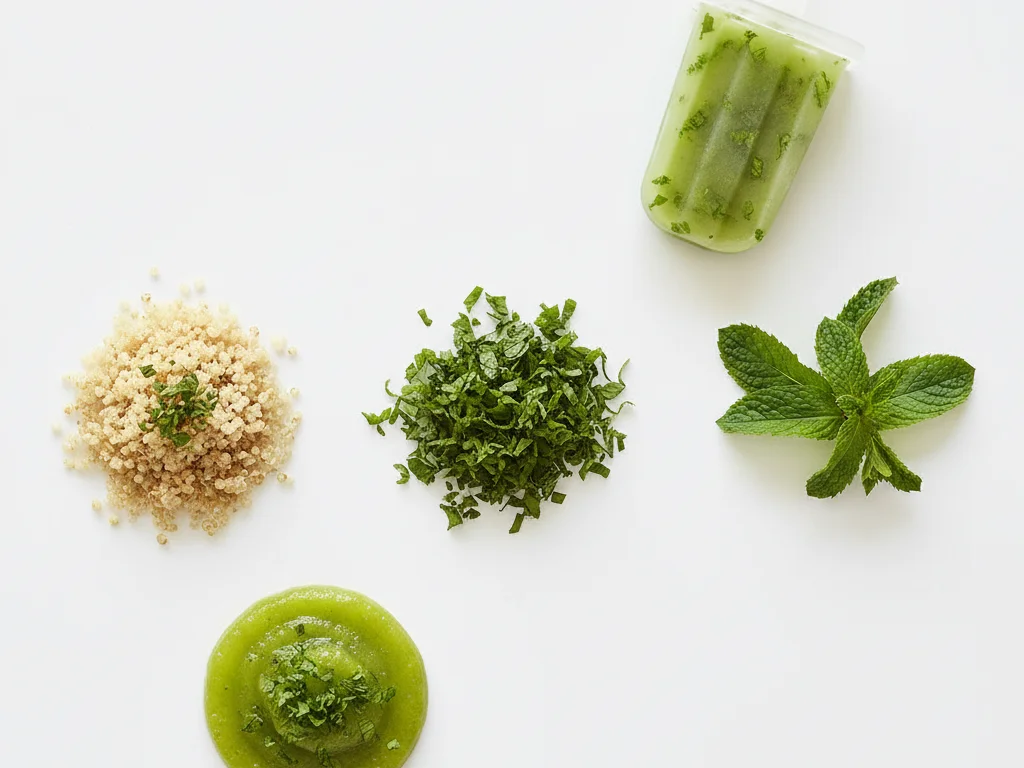
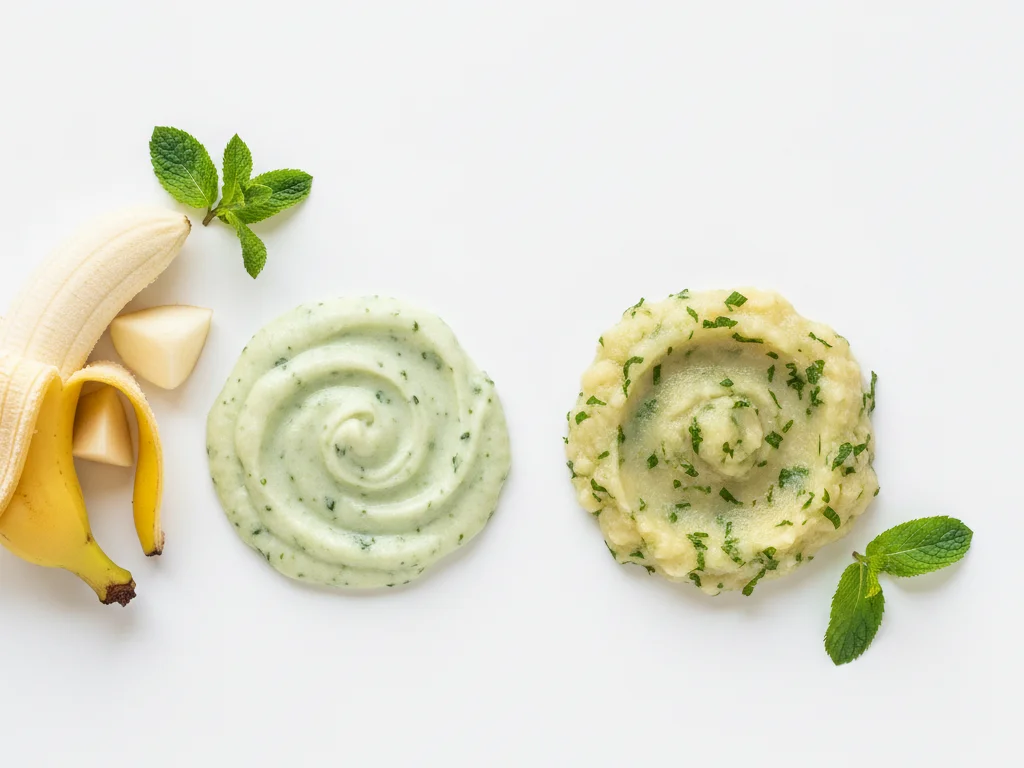
Puree fresh mint leaves with fruits like banana or pear, or mix finely chopped mint into smooth purees. Start with a small amount (1-2 leaves per serving) due to the strong flavor.
6 to 9 months

Puree fresh mint leaves with fruits like banana or pear, or mix finely chopped mint into smooth purees. Start with a small amount (1-2 leaves per serving) due to the strong flavor.

  • Wash mint leaves thoroughly under running water.
  • Remove any tough stems before pureeing.
  • Mix mint with sweeter fruits to balance the flavor.
  • Use a blender or food processor for a smooth texture.
  • Start with tiny amounts to test your baby's reaction.
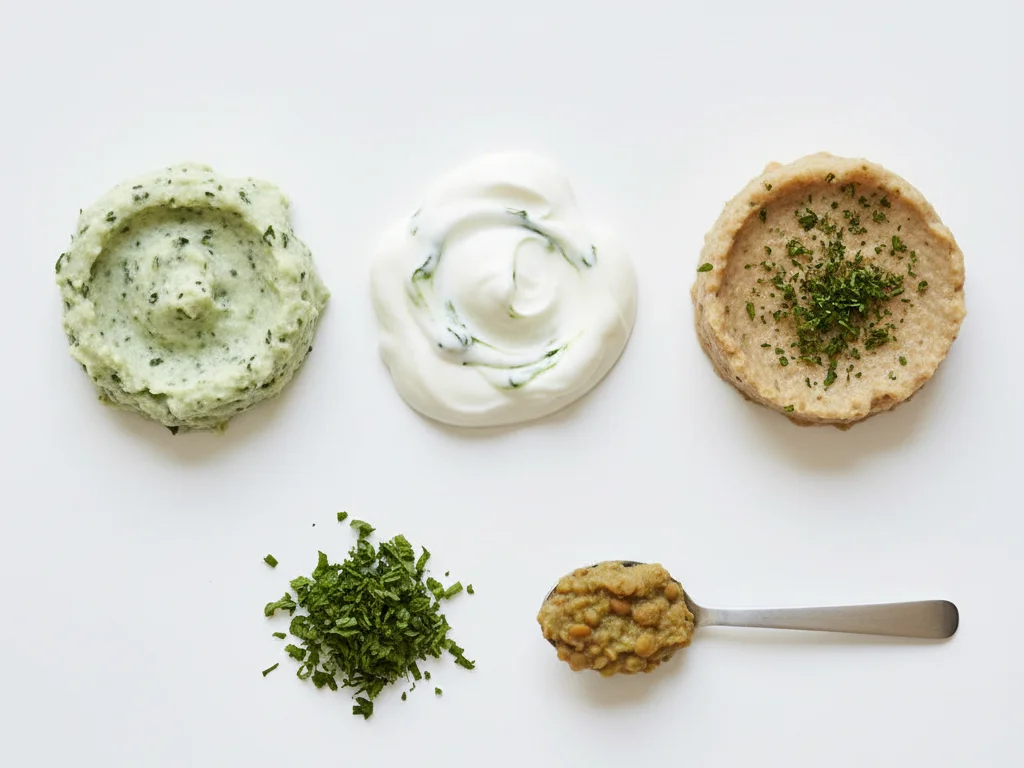
Finely chop mint leaves and mix into thicker mashes, yogurt, or oatmeal. You can also add small amounts to savory dishes like mashed potatoes or lentils.
9 to 12 months

Finely chop mint leaves and mix into thicker mashes, yogurt, or oatmeal. You can also add small amounts to savory dishes like mashed potatoes or lentils.

  • Chop mint leaves as finely as possible to prevent choking.
  • Combine mint with creamy foods like avocado or full-fat yogurt.
  • Use mint to add flavor to otherwise bland foods.
  • Let your baby explore the texture by offering a mint leaf to smell or touch.
  • Gradually increase the amount as your baby gets used to the taste.
Add chopped mint to salads, grain bowls, or as a garnish on cooked dishes. Mint can also be used in homemade popsicles or smoothies for toddlers.
12 months +

Add chopped mint to salads, grain bowls, or as a garnish on cooked dishes. Mint can also be used in homemade popsicles or smoothies for toddlers.

  • Encourage self-feeding by letting your toddler sprinkle chopped mint on their food.
  • Make mint-infused water by steeping leaves in cool water for a refreshing drink.
  • Use mint in homemade sauces or dressings.
  • Try different mint varieties like peppermint or spearmint for variety.
  • Always supervise when offering whole mint leaves to ensure proper chewing.

Safety & allergens

Choking risk: Low

Mint leaves are soft and pose minimal choking risk when finely chopped or pureed. Always supervise your baby during meals and ensure mint is prepared appropriately for their age and chewing ability.

Not a common allergen

Mint is not a top allergen. As with any new food, offer it on its own and watch for any reaction.

Vitamins & minerals

Mint contains vitamin A for healthy vision and immune function, vitamin C for iron absorption and tissue repair, and folate (vitamin B9) for cell growth.[1][3] It also provides small amounts of iron for blood health, calcium for bones, and potassium for fluid balance.[4]

Vitamins
Vitamin VITAMIN AVitamin VITAMIN CVitamin VITAMIN B9
Minerals
IronCalciumPotassium

Pairs well with