FoodsHerb / SpiceCloves
Cloves

Herb / Spice

Cloves

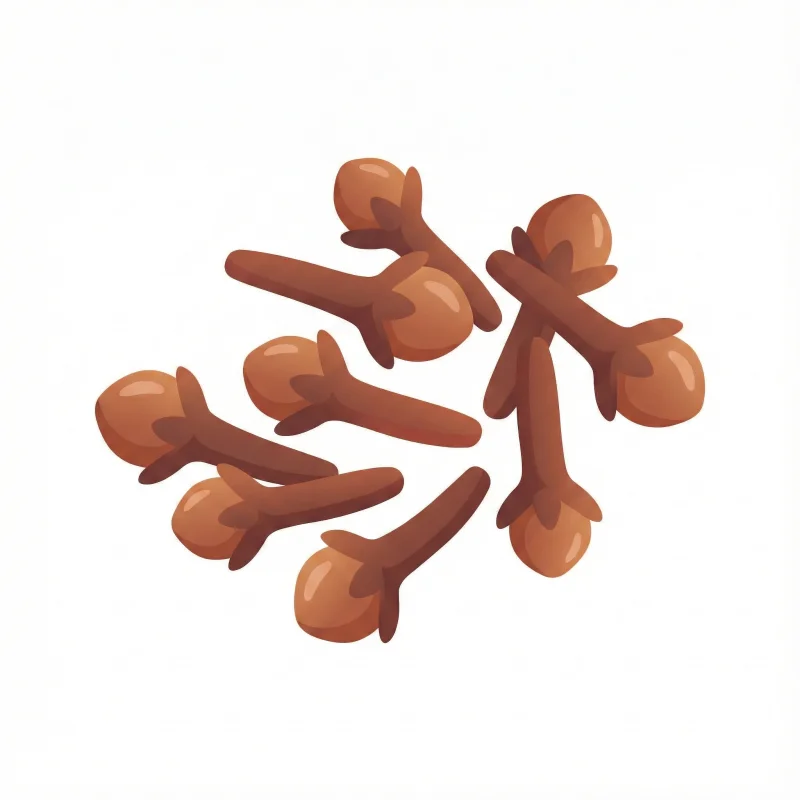
Cloves are a warm, aromatic spice that can add interesting flavor to your baby's meals. While not a primary food, they offer small amounts of beneficial nutrients like vitamin K, which supports healthy blood clotting, and manganese, important for bone development.[1] Their unique taste can help expand your baby's palate early on.

6m+Not a common allergenChoking risk: Low
First age6m+
CategoryHerb / Spice
Common allergenNo
Choking riskLow

When can babies eat Cloves?

You can introduce cloves around 6 months when starting solids, but always use them in very small amounts mixed into other foods like purees or oatmeal.

How to serve Cloves by age

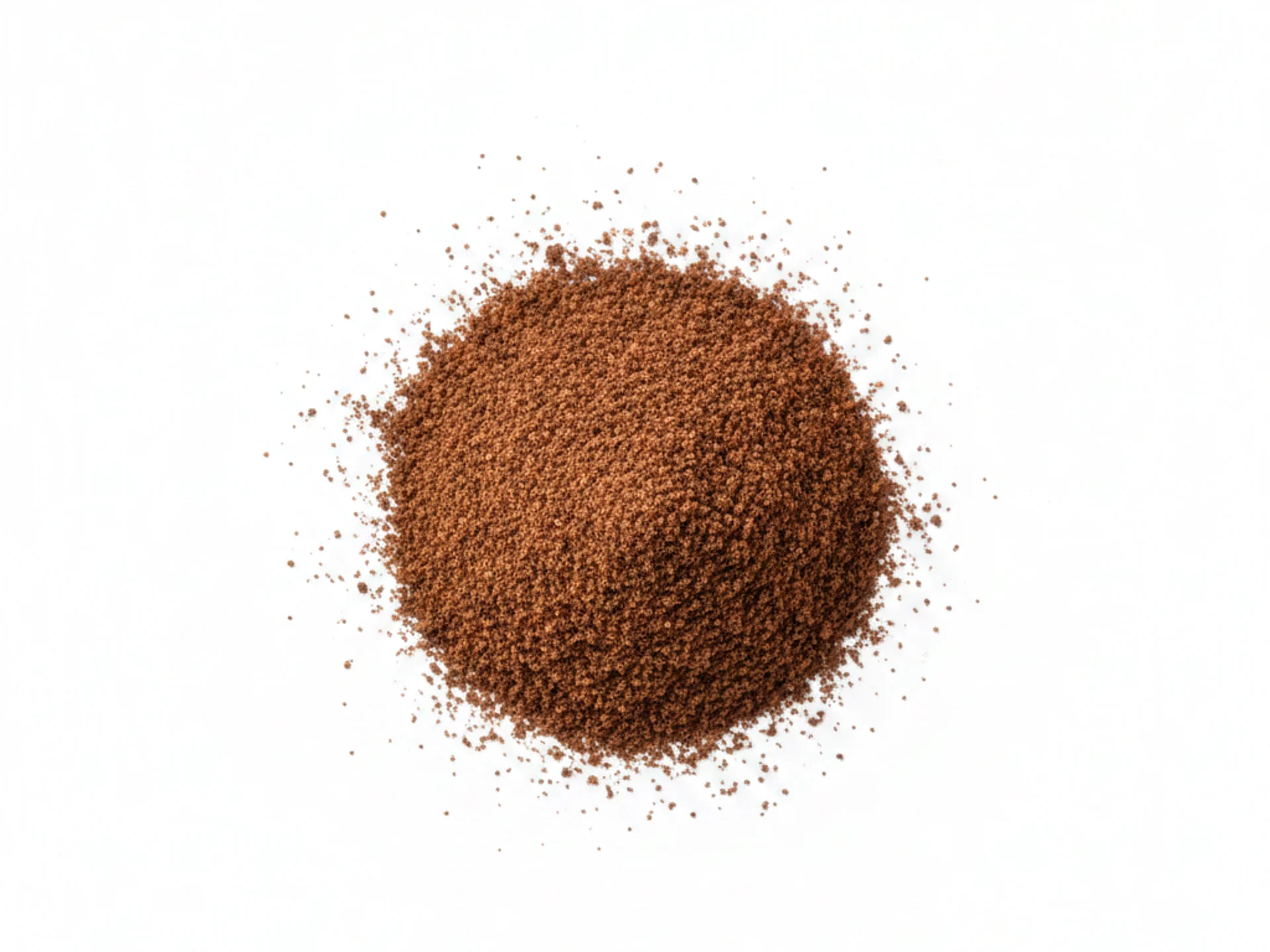
For babies 12 months and older, use a tiny pinch of ground cloves (about 1/8 teaspoon or less) mixed thoroughly into soft foods like oatmeal, yogurt, applesauce, or mashed sweet potatoes. You can also add whole cloves to simmering soups or stews, then remove them before serving the softened vegetables or meats to your baby.
12 months +

For babies 12 months and older, use a tiny pinch of ground cloves (about 1/8 teaspoon or less) mixed thoroughly into soft foods like oatmeal, yogurt, applesauce, or mashed sweet potatoes. You can also add whole cloves to simmering soups or stews, then remove them before serving the softened vegetables or meats to your baby.

  • Start with just a speck of ground cloves to test tolerance
  • Mix ground cloves into warm foods to help distribute the flavor evenly
  • Use whole cloves in cooking liquid for rice or grains, then remove before serving
  • Combine with cinnamon or nutmeg for a familiar spice blend
  • Avoid clove-heavy dishes like mulled wine or strong chai that may be too intense

Safety & allergens

Choking risk: Low

Cloves are typically used in powdered form or as whole buds removed before serving, so choking risk is minimal. Always ensure cloves are finely ground or strained out of liquids to prevent any small, hard pieces from being ingested.

Not a common allergen

Cloves is not a top allergen. As with any new food, offer it on its own and watch for any reaction.

Vitamins & minerals

Cloves contain vitamin K, which plays a role in blood clotting and bone health.[1] They also provide manganese, essential for bone development and metabolism, and small amounts of iron, important for oxygen transport in the blood.[2]

Vitamins
Vitamin VITAMIN KVitamin VITAMIN CVitamin VITAMIN E
Minerals
ManganeseCalciumIronMagnesium