FoodsFruitCocoa
Cocoa

Fruit

Cocoa

Cocoa powder (unsweetened) is a rich, flavorful ingredient that can add variety to your baby's diet. It's packed with B vitamins that help support energy metabolism and nervous system development[1], and minerals like iron and magnesium that are important for healthy growth[2]. Its deep chocolatey taste can make other nutritious foods more appealing to little ones.

6m+Not a common allergenChoking risk: Low
First age6m+
CategoryFruit
Common allergenNo
Choking riskLow

When can babies eat Cocoa?

You can introduce a small amount of unsweetened cocoa powder mixed into other foods around 6 months, but it's best used sparingly as a flavor enhancer rather than a main ingredient.

How to serve Cocoa by age

For babies 12-18 months, mix a tiny amount of unsweetened cocoa powder (about 1/4 teaspoon) into soft, moist foods like oatmeal, yogurt, or mashed bananas to create a smooth, lump-free texture. This helps introduce the flavor safely without overwhelming their developing taste buds. Ensure the mixture is well-blended to avoid any dry patches that could cause coughing.
12 to 18 months

For babies 12-18 months, mix a tiny amount of unsweetened cocoa powder (about 1/4 teaspoon) into soft, moist foods like oatmeal, yogurt, or mashed bananas to create a smooth, lump-free texture. This helps introduce the flavor safely without overwhelming their developing taste buds. Ensure the mixture is well-blended to avoid any dry patches that could cause coughing.

  • Start with a very small pinch of cocoa to test tolerance.
  • Combine with naturally sweet fruits like banana to balance the bitter taste.
  • Use full-fat yogurt or breast milk/formula to mix for a creamy consistency.
  • Avoid adding sugar or honey; rely on natural sweetness from fruits.
  • Serve in a bowl with a spoon for self-feeding practice.
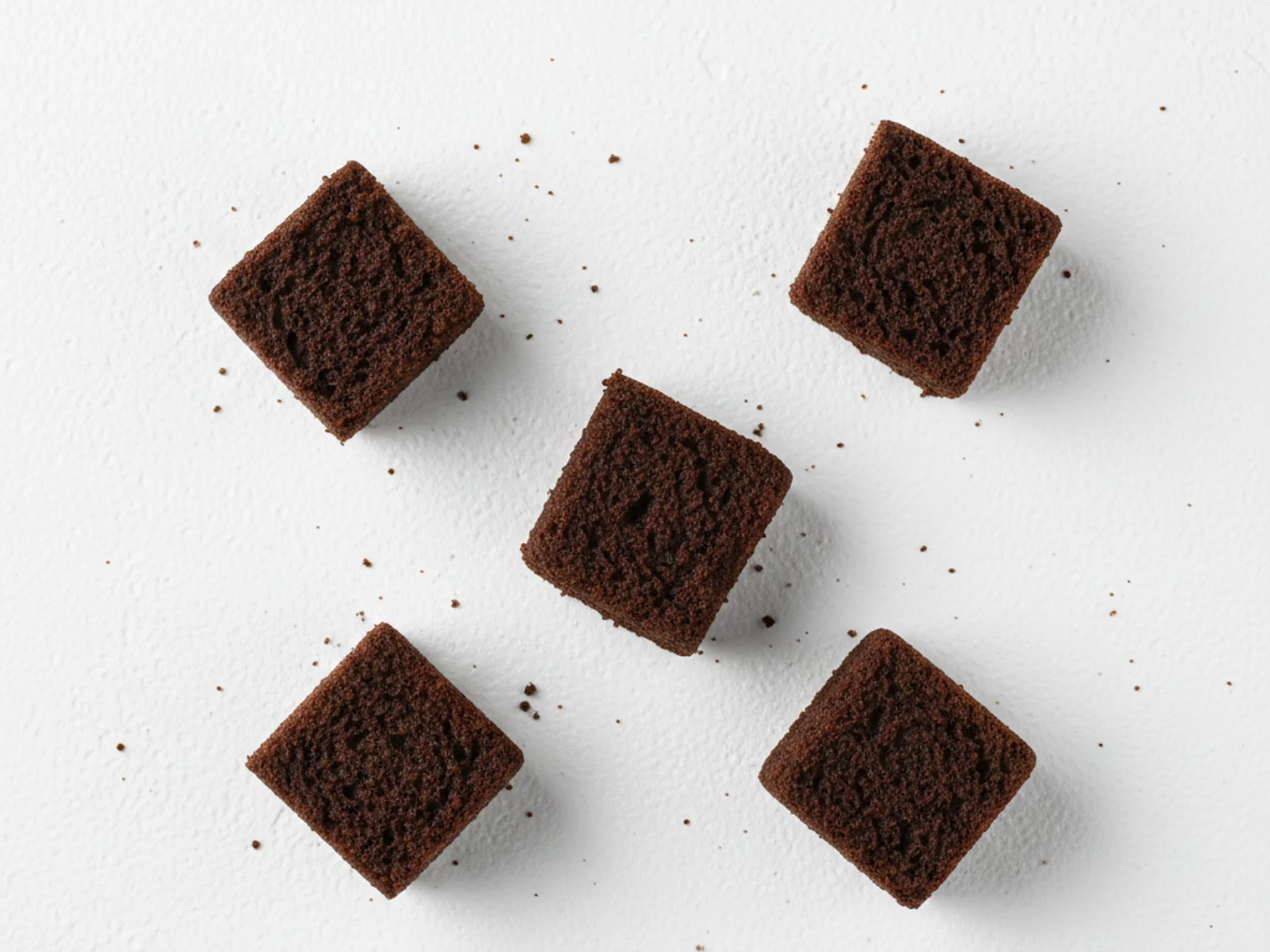
For toddlers 18 months and up, you can gradually increase the amount of cocoa to about 1/2 teaspoon per serving and incorporate it into more textured foods like pancake batter, smoothies, or baked goods. Encourage self-feeding with finger foods like cocoa-dusted fruit slices or soft cocoa-infused muffins cut into safe, bite-sized pieces. Continue to prioritize unsweetened cocoa and monitor for any adverse reactions.
18 months +

For toddlers 18 months and up, you can gradually increase the amount of cocoa to about 1/2 teaspoon per serving and incorporate it into more textured foods like pancake batter, smoothies, or baked goods. Encourage self-feeding with finger foods like cocoa-dusted fruit slices or soft cocoa-infused muffins cut into safe, bite-sized pieces. Continue to prioritize unsweetened cocoa and monitor for any adverse reactions.

  • Mix cocoa into whole-grain pancake or muffin batter for a nutritious treat.
  • Add to smoothies with spinach or avocado for hidden veggies.
  • Dust a light sprinkle on sliced strawberries or bananas for a fun snack.
  • Involve your toddler in mixing to make mealtime engaging.
  • Always supervise eating to ensure safe chewing and swallowing.

Safety & allergens

Choking risk: Low

Cocoa powder itself is not a choking hazard when mixed into foods like yogurt, oatmeal, or purees. Always ensure it's fully incorporated without clumps, and avoid giving dry cocoa powder directly to babies.

Not a common allergen

Cocoa is not a top allergen. As with any new food, offer it on its own and watch for any reaction.

Vitamins & minerals

Cocoa provides B vitamins that help convert food into energy for your baby's active body[1]. It's also a source of iron, which supports healthy blood and brain development[2], and magnesium, important for bone health and muscle function[3]. The potassium in cocoa helps maintain proper fluid balance[4].

Vitamins
Vitamin VITAMIN B1Vitamin VITAMIN B2Vitamin VITAMIN B3Vitamin VITAMIN B5Vitamin VITAMIN B6Vitamin VITAMIN B9
Minerals
IronMagnesiumPotassiumPhosphorusCopperManganese