FoodsDairyEdam Cheese
Edam Cheese

Dairy

Edam Cheese

Edam cheese is a mild, semi-hard cheese that's a wonderful way to introduce dairy to your baby. It's packed with calcium for strong bones and teeth[1], and its soft texture makes it easy for little ones to manage. The gentle flavor is often a hit with babies exploring new tastes.

6m+Common allergenChoking risk: Medium
First age6m+
CategoryDairy
Common allergenYes
Choking riskMedium

When can babies eat Edam Cheese?

You can introduce Edam cheese around 6 months, when your baby starts solids, as long as there's no family history of dairy allergy. Start with a tiny amount to check for tolerance.

How to serve Edam Cheese by age

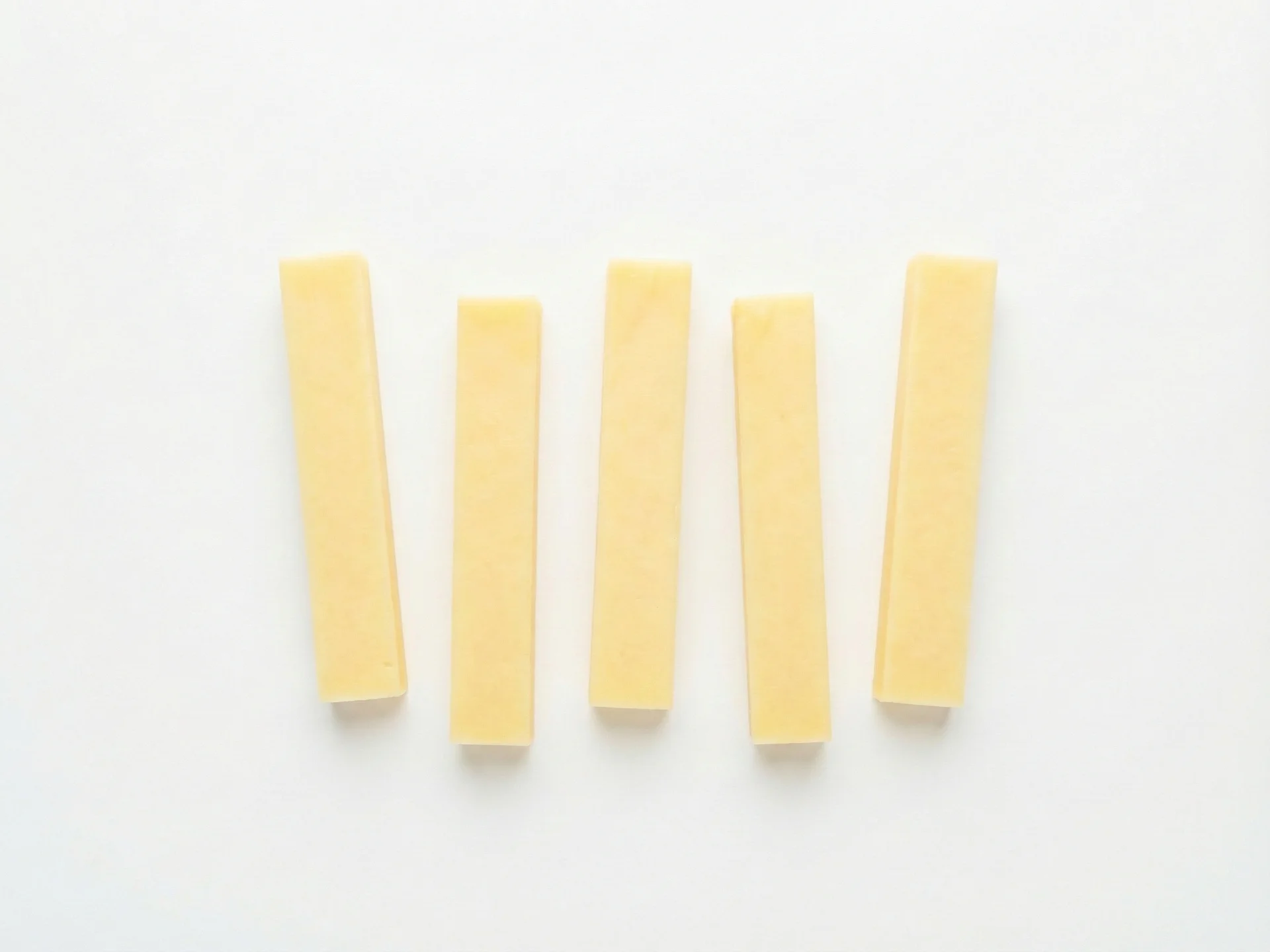
For babies 8-12 months, serve Edam cheese in thin, flat slices or large, graspable sticks that are about the size of two adult fingers. This shape reduces choking risk and helps your baby practice holding and gnawing. You can also grate it finely over soft foods like avocado or mashed potatoes.
8 to 12 months

For babies 8-12 months, serve Edam cheese in thin, flat slices or large, graspable sticks that are about the size of two adult fingers. This shape reduces choking risk and helps your baby practice holding and gnawing. You can also grate it finely over soft foods like avocado or mashed potatoes.

  • Cut cheese into long sticks (approx. 2-3 inches long) for easy gripping
  • Avoid small cubes or chunks that could be swallowed whole
  • Offer thin slices that baby can gum and break down safely
  • If grating, sprinkle lightly to prevent clumping
  • Serve at room temperature for softer texture
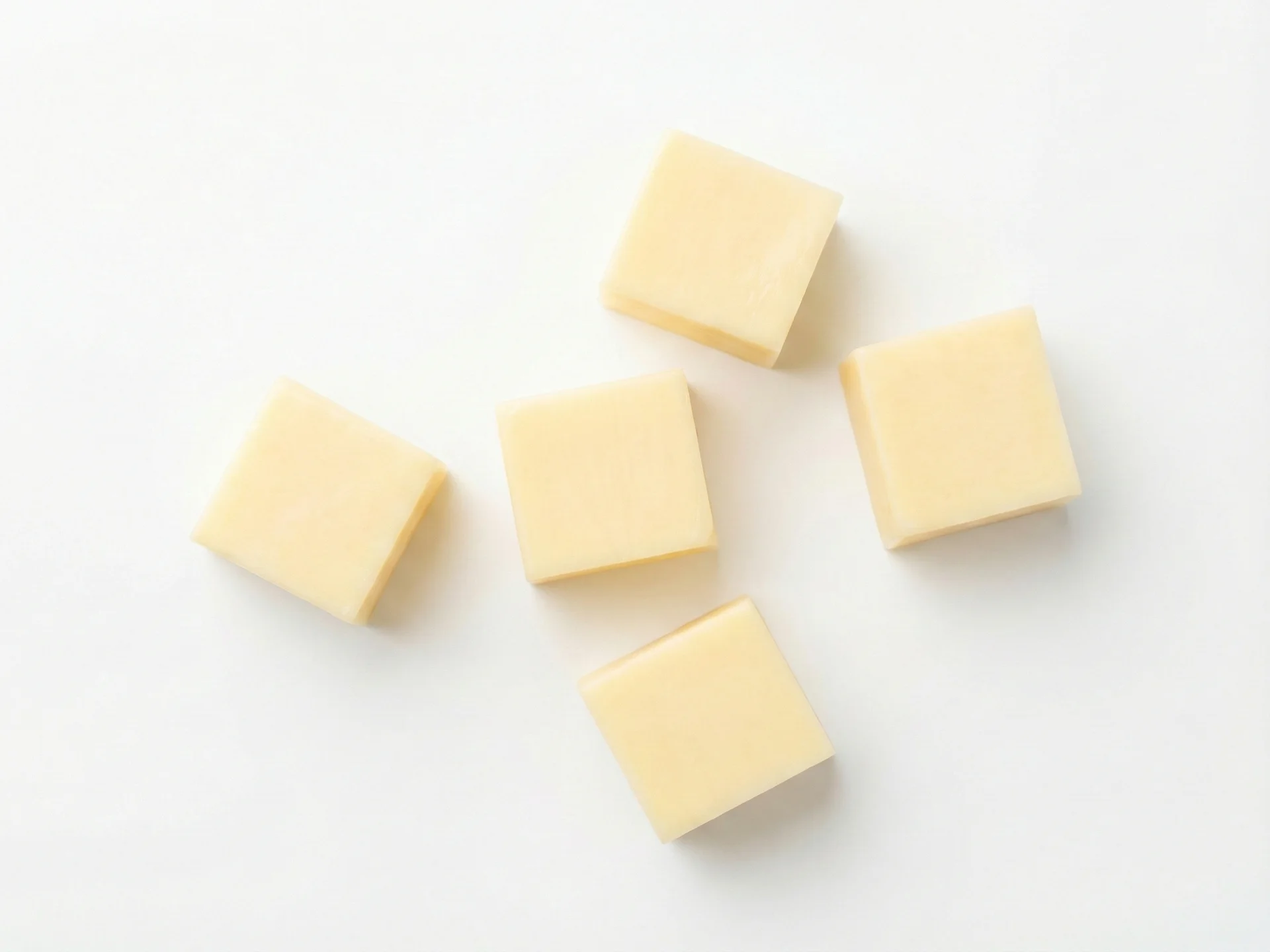
For toddlers 12 months and older, you can offer smaller pieces of Edam cheese as their chewing skills improve. Dice it into small cubes (about 1/2 inch) or shred it for adding to meals. They can also enjoy it melted in sandwiches or as a snack with crackers.
12 months +

For toddlers 12 months and older, you can offer smaller pieces of Edam cheese as their chewing skills improve. Dice it into small cubes (about 1/2 inch) or shred it for adding to meals. They can also enjoy it melted in sandwiches or as a snack with crackers.

  • Introduce small cubes once chewing is confident
  • Use shredded cheese in omelets, quesadillas, or pasta
  • Pair with fiber-rich foods like whole grain crackers
  • Monitor for overstuffing—encourage one piece at a time
  • Continue to avoid very hard or thick chunks

Safety & allergens

Choking risk: Medium

Edam cheese can be a choking hazard if served in large chunks. Always grate it finely or cut it into tiny, soft pieces no larger than a pea for young babies. Supervise your baby closely during meals to ensure they're chewing and swallowing safely.

Common allergen

Cow's milk allergy affects about 2-3% of infants under 1 year old[2].

Vitamins & minerals

Edam cheese is rich in calcium, which is essential for building strong bones and teeth in growing babies[1]. It also provides Vitamin B12 for healthy brain development[5] and phosphorus, which works with calcium to support bone health[6]. The sodium content is moderate, so it's best served in small portions.

Vitamins
Vitamin VITAMIN AVitamin VITAMIN B2Vitamin VITAMIN B12
Minerals
CalciumPhosphorusSodium