FoodsGrainTamales
Tamales

Grain

Tamales

Tamales are a traditional Latin American dish made from masa (corn dough) steamed in a corn husk, often filled with meats, cheeses, or vegetables. They offer a soft, moist texture that can be appealing to babies and provide a good source of energy from carbohydrates.[1] The corn masa is naturally gluten-free, which can be a nice option for families avoiding wheat.[2]

12m+Common allergenChoking risk: Medium
First age12m+
CategoryGrain
Common allergenYes
Choking riskMedium

When can babies eat Tamales?

Wait until around 12 months to introduce tamales due to their complex ingredients and potential choking hazards from fillings. This gives your baby more experience with solids and better chewing skills.

How to serve Tamales by age

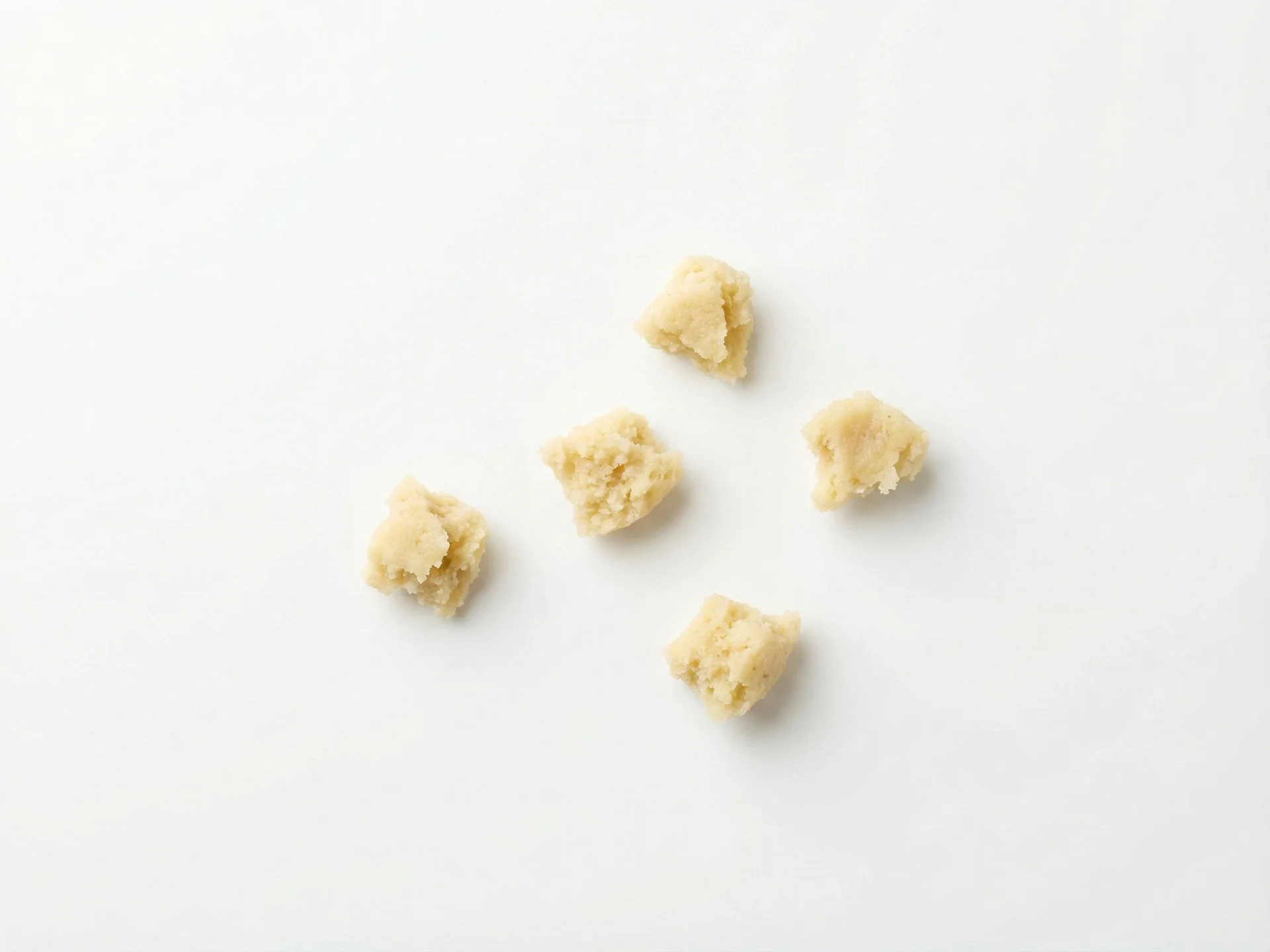
For babies 12-18 months, remove the corn husk completely and break the tamale into small, pea-sized pieces. Ensure the masa is soft and moist, and avoid any hard or chewy fillings. Serve in a way that encourages self-feeding, such as on a highchair tray.
12 to 18 months

For babies 12-18 months, remove the corn husk completely and break the tamale into small, pea-sized pieces. Ensure the masa is soft and moist, and avoid any hard or chewy fillings. Serve in a way that encourages self-feeding, such as on a highchair tray.

  • Check for and remove any large pieces of meat or vegetables from the filling
  • Mash the tamale lightly with a fork if it seems too cohesive
  • Offer small portions to prevent overstuffing
  • Always supervise during meals
  • Pair with a soft side like avocado for variety
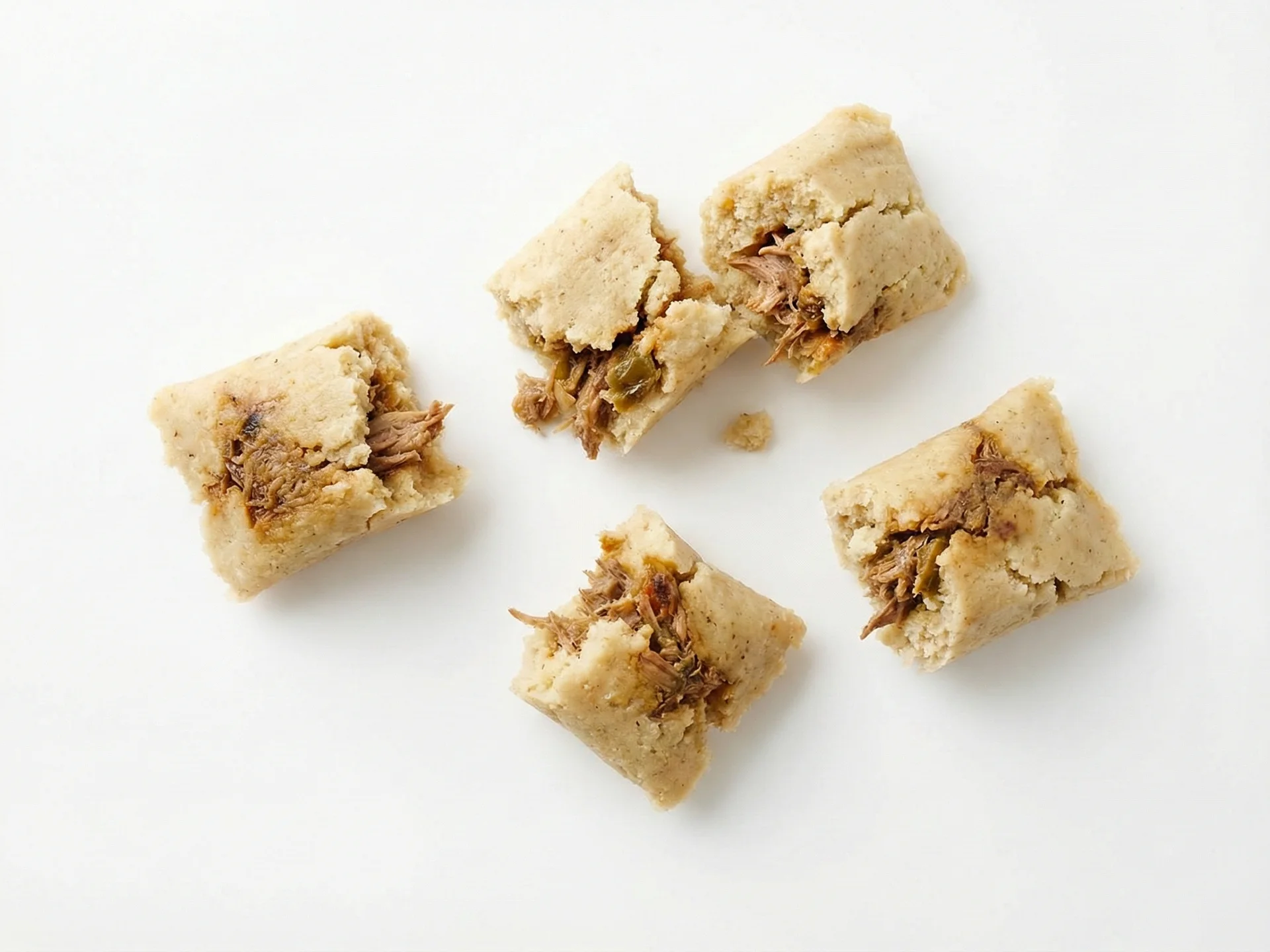
For toddlers 18 months and up, you can offer slightly larger pieces, such as quarter-sized chunks, as their chewing skills improve. Ensure the tamale is still soft and break apart any dense fillings. Encourage them to use utensils to practice fine motor skills.
18 months +

For toddlers 18 months and up, you can offer slightly larger pieces, such as quarter-sized chunks, as their chewing skills improve. Ensure the tamale is still soft and break apart any dense fillings. Encourage them to use utensils to practice fine motor skills.

  • Cut tamales into strips or small wedges for easier handling
  • Include mild, baby-friendly fillings like shredded chicken or beans
  • Monitor for any gagging as textures become more complex
  • Serve as part of a balanced meal with fruits or vegetables
  • Reheat thoroughly to maintain a soft texture

Safety & allergens

Choking risk: Medium

Tamales can pose a choking risk due to their dense texture and potential hidden chunks in fillings like meat or cheese. Always remove the corn husk completely and mash or finely chop the filling and masa into a soft, manageable consistency. Supervise your baby closely while eating.

Common allergen

Tamales often contain common allergens like dairy (in cheese fillings), eggs (in the dough), wheat (if flour is added to masa), and soy (in oils or fillings). Allergies to these foods affect about 2-8% of children, with dairy being one of the most common.[3]

Vitamins & minerals

Tamales provide B vitamins like B1, B2, B3, and B6, which help support your baby's energy metabolism and nervous system development.[5] The iron in tamales (especially from meat fillings) is important for healthy blood cells and brain development, while calcium supports strong bones.[6]

Vitamins
Vitamin VITAMIN AVitamin VITAMIN B1Vitamin VITAMIN B2Vitamin VITAMIN B3Vitamin VITAMIN B6Vitamin VITAMIN B12
Minerals
IronCalciumPotassiumPhosphorusSodium