FoodsGrainSorghum
Sorghum

Grain

Sorghum

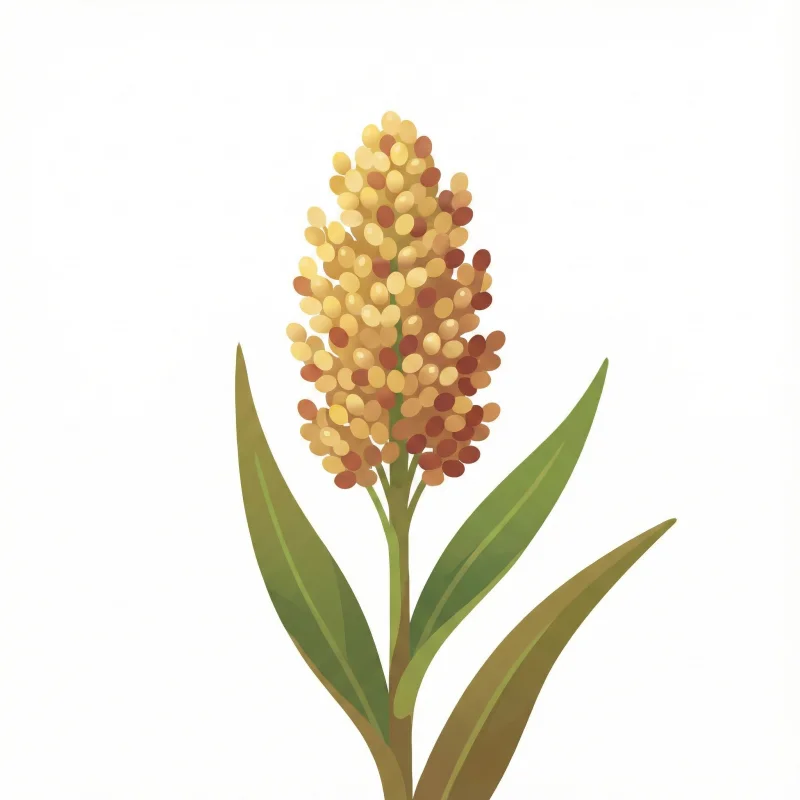
Sorghum is a wonderful ancient grain to introduce to your baby, offering a mild, slightly sweet flavor and a pleasant chewy texture when cooked. It's naturally gluten-free and packed with B vitamins that help support your baby's energy levels and brain development.[1] Plus, it's a great source of iron, which is crucial for healthy blood and growth during this important stage.[2]

6m+Not a common allergenChoking risk: Low
First age6m+
CategoryGrain
Common allergenNo
Choking riskLow

When can babies eat Sorghum?

You can introduce sorghum around 6 months, when your baby is ready for solid foods. It's a great grain to rotate with rice, oats, and quinoa for variety.

How to serve Sorghum by age

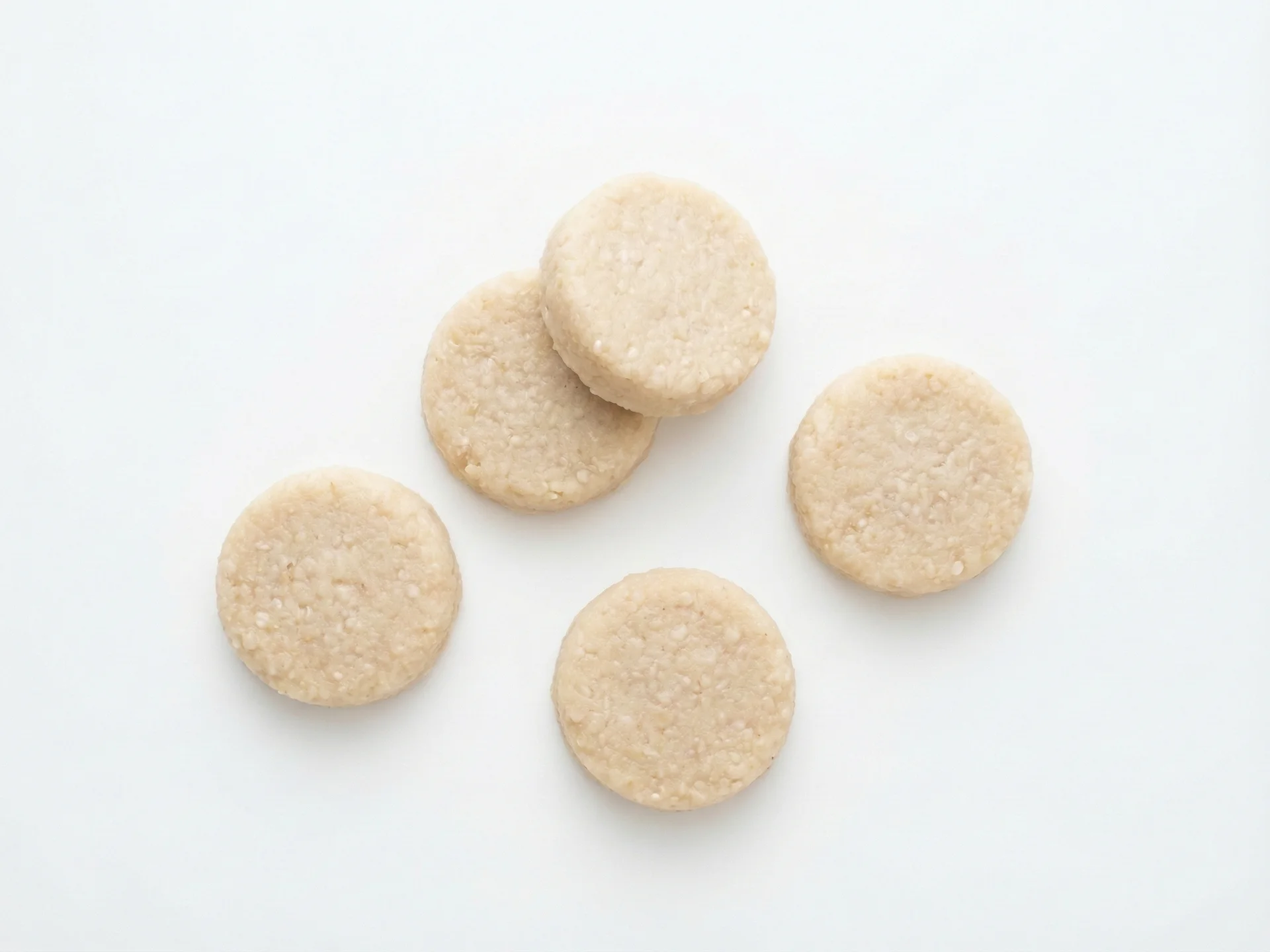
For babies 6-9 months, cook sorghum until very soft and mash it into a thick, scoopable puree or mix it with breast milk, formula, or yogurt to create a smooth texture. You can also form it into soft, graspable balls or patties that are easy for little hands to hold.
6 to 9 months

For babies 6-9 months, cook sorghum until very soft and mash it into a thick, scoopable puree or mix it with breast milk, formula, or yogurt to create a smooth texture. You can also form it into soft, graspable balls or patties that are easy for little hands to hold.

  • Cook sorghum until it's mushy and easily mashed with a fork.
  • Mix with mashed avocado or banana to add moisture and nutrients.
  • Serve on a pre-loaded spoon or as soft clumps on the tray.
  • Avoid adding salt or sugar; let the natural flavor shine.
  • Test the temperature to ensure it's cool enough for your baby.
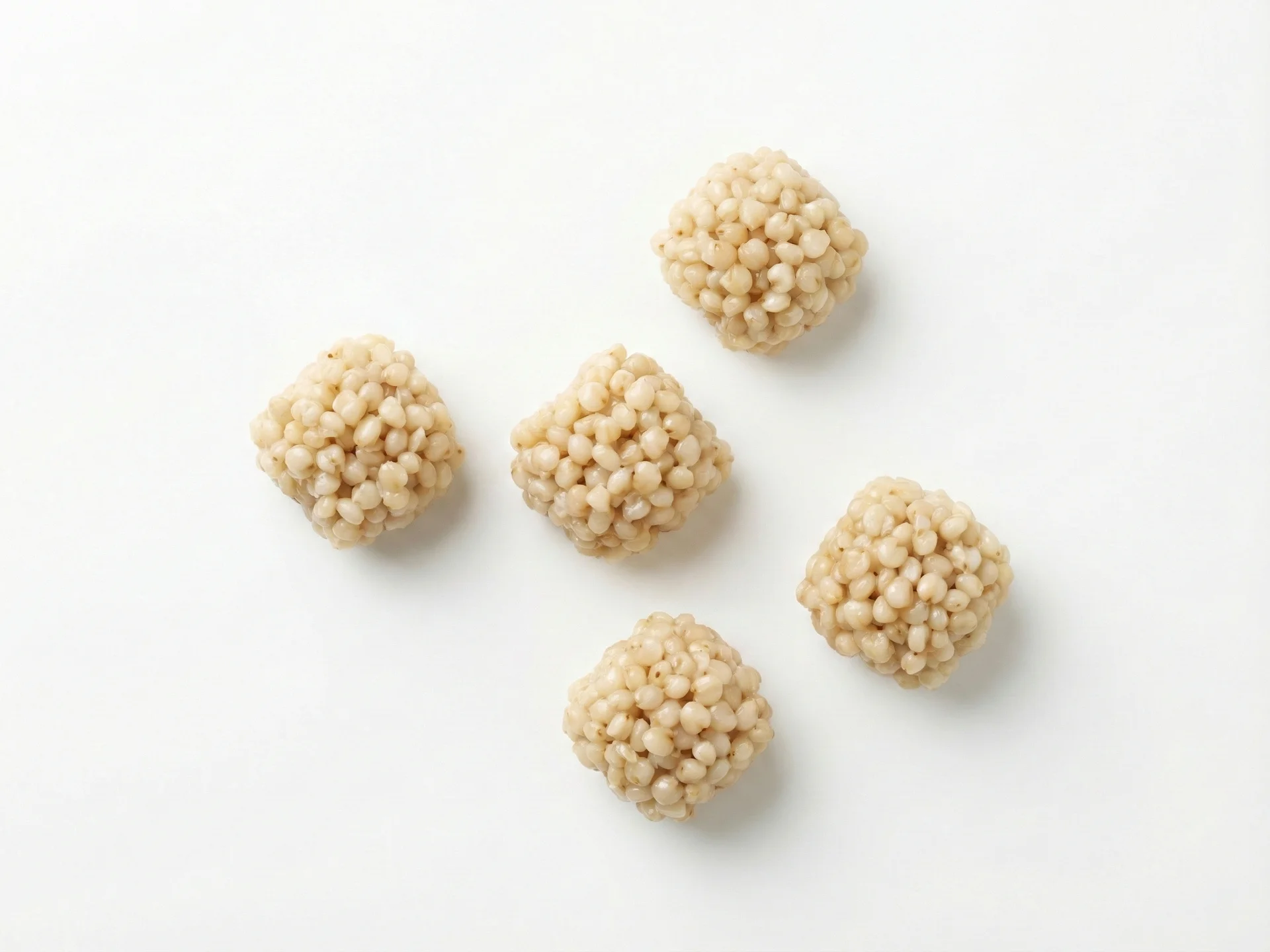
For babies 9 months and up, serve cooked sorghum as a finger food in small, soft clumps or incorporate it into more complex dishes like sorghum patties, veggie fritters, or mixed with other foods. Encourage self-feeding with utensils as their skills develop.
9 months +

For babies 9 months and up, serve cooked sorghum as a finger food in small, soft clumps or incorporate it into more complex dishes like sorghum patties, veggie fritters, or mixed with other foods. Encourage self-feeding with utensils as their skills develop.

  • Use sorghum as a base for grain bowls with soft veggies and proteins.
  • Make sorghum pancakes or muffins for easy handheld meals.
  • Mix with beans or lentils to boost protein and iron content.
  • Let your baby practice scooping with a spoon from a bowl.
  • Offer a variety of textures by combining with crunchy or soft foods.

Safety & allergens

Choking risk: Low

Sorghum has a small, round shape that could pose a choking risk if served dry or undercooked. Always cook it until very soft and mash or blend it for younger babies. For older babies who can handle more texture, ensure it's thoroughly cooked and soft.

Not a common allergen

Sorghum is not a top allergen. As with any new food, offer it on its own and watch for any reaction.

Vitamins & minerals

Sorghum is rich in B vitamins like B6 and folate (B9), which are essential for your baby's brain development and nervous system function.[1] It also provides iron, a mineral that helps prevent anemia and supports healthy growth, especially important as your baby's iron stores from birth begin to deplete around 6 months.[2] The magnesium and phosphorus in sorghum contribute to strong bone development.[3]

Vitamins
Vitamin VITAMIN B1Vitamin VITAMIN B2Vitamin VITAMIN B3Vitamin VITAMIN B5Vitamin VITAMIN B6Vitamin VITAMIN B9
Minerals
IronMagnesiumPhosphorusPotassiumZincCopperManganese