FoodsDairyGorgonzola
Gorgonzola

Dairy

Gorgonzola

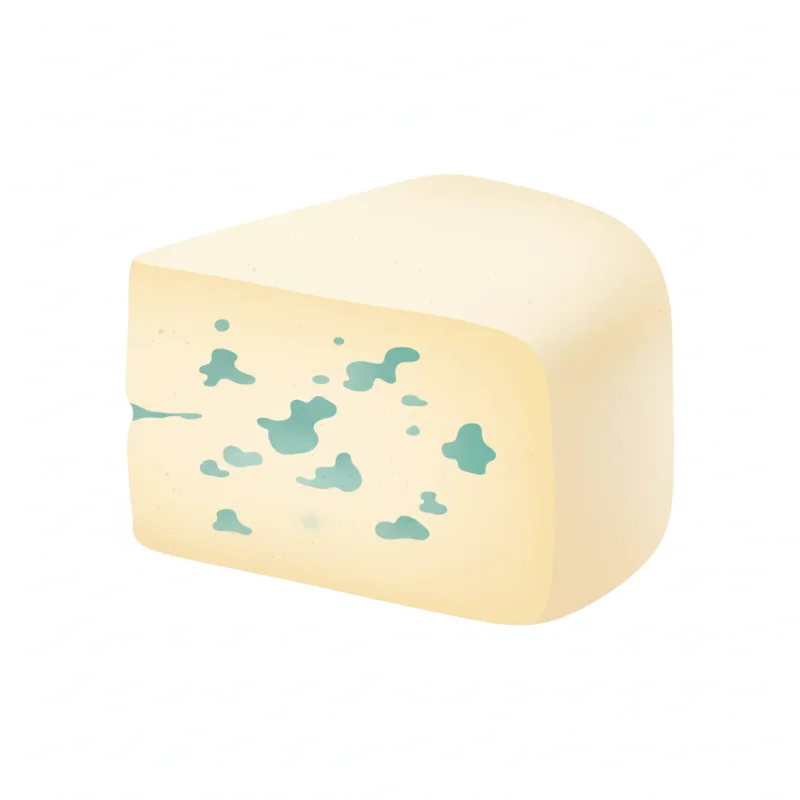
Gorgonzola is a creamy, tangy blue cheese that can introduce babies to bold flavors while providing important nutrients for growth. It's rich in calcium and phosphorus, which work together to build strong bones and teeth.[2][4] The protein content also supports healthy muscle development and overall growth.[5]

12m+Common allergenChoking risk: Low
First age12m+
CategoryDairy
Common allergenYes
Choking riskLow

When can babies eat Gorgonzola?

Wait until around 12 months to introduce Gorgonzola due to its high sodium content and potential for mold-related concerns. Always introduce dairy products gradually after your baby has tolerated milder cheeses.

How to serve Gorgonzola by age

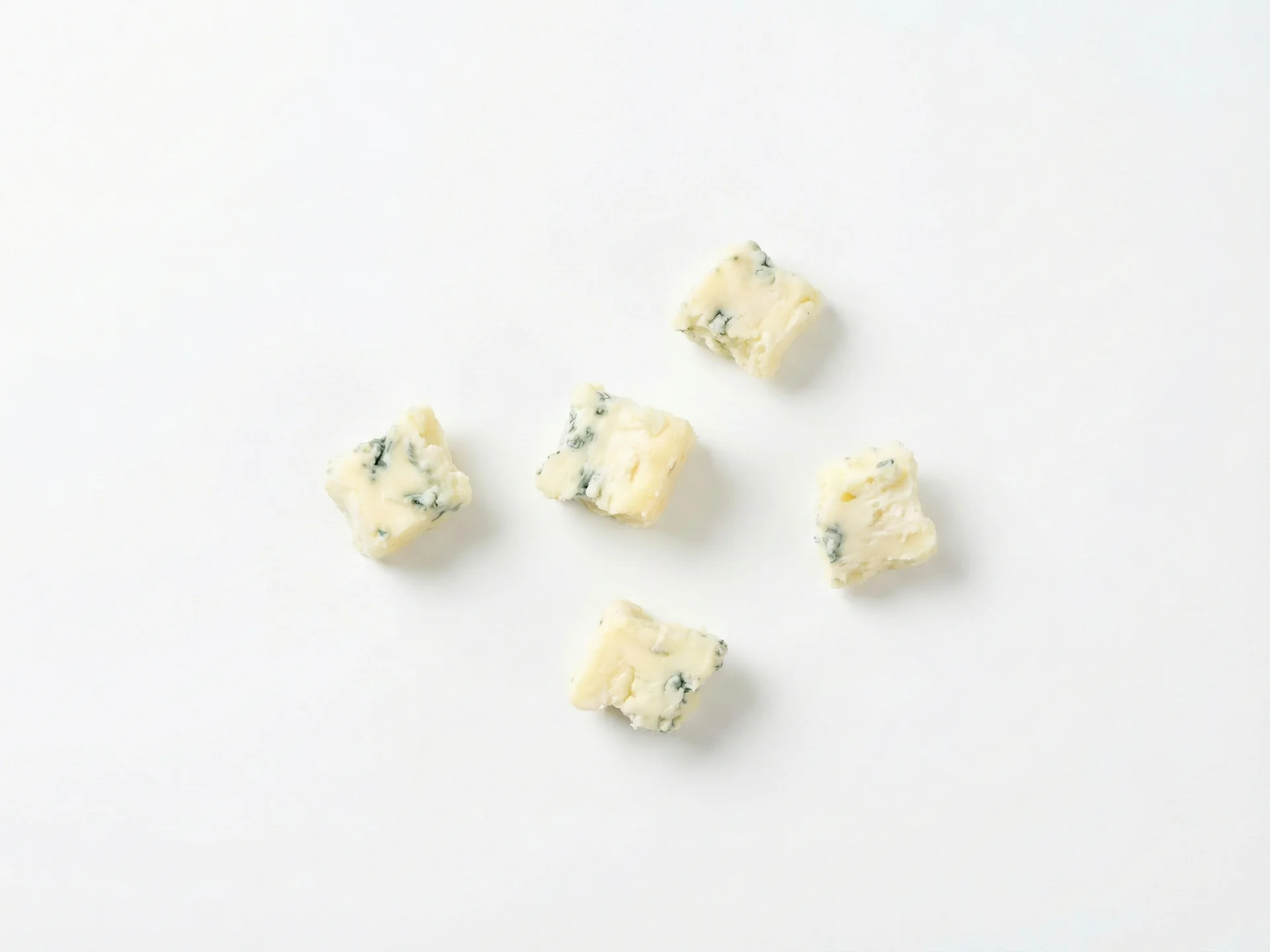
For babies 12-18 months, serve Gorgonzola mashed or crumbled into tiny, soft pieces. Mix it into foods like mashed potatoes, oatmeal, or soft-cooked vegetables to dilute the strong flavor and sodium. Ensure pieces are no larger than a pea to prevent choking.
12 to 18 months

For babies 12-18 months, serve Gorgonzola mashed or crumbled into tiny, soft pieces. Mix it into foods like mashed potatoes, oatmeal, or soft-cooked vegetables to dilute the strong flavor and sodium. Ensure pieces are no larger than a pea to prevent choking.

  • Mash a small amount into avocado or banana for a creamy texture.
  • Sprinkle tiny crumbles over soft-cooked pasta.
  • Avoid serving it plain; always combine with other foods.
  • Limit to once a week due to high sodium.
  • Watch for any signs of dairy intolerance.
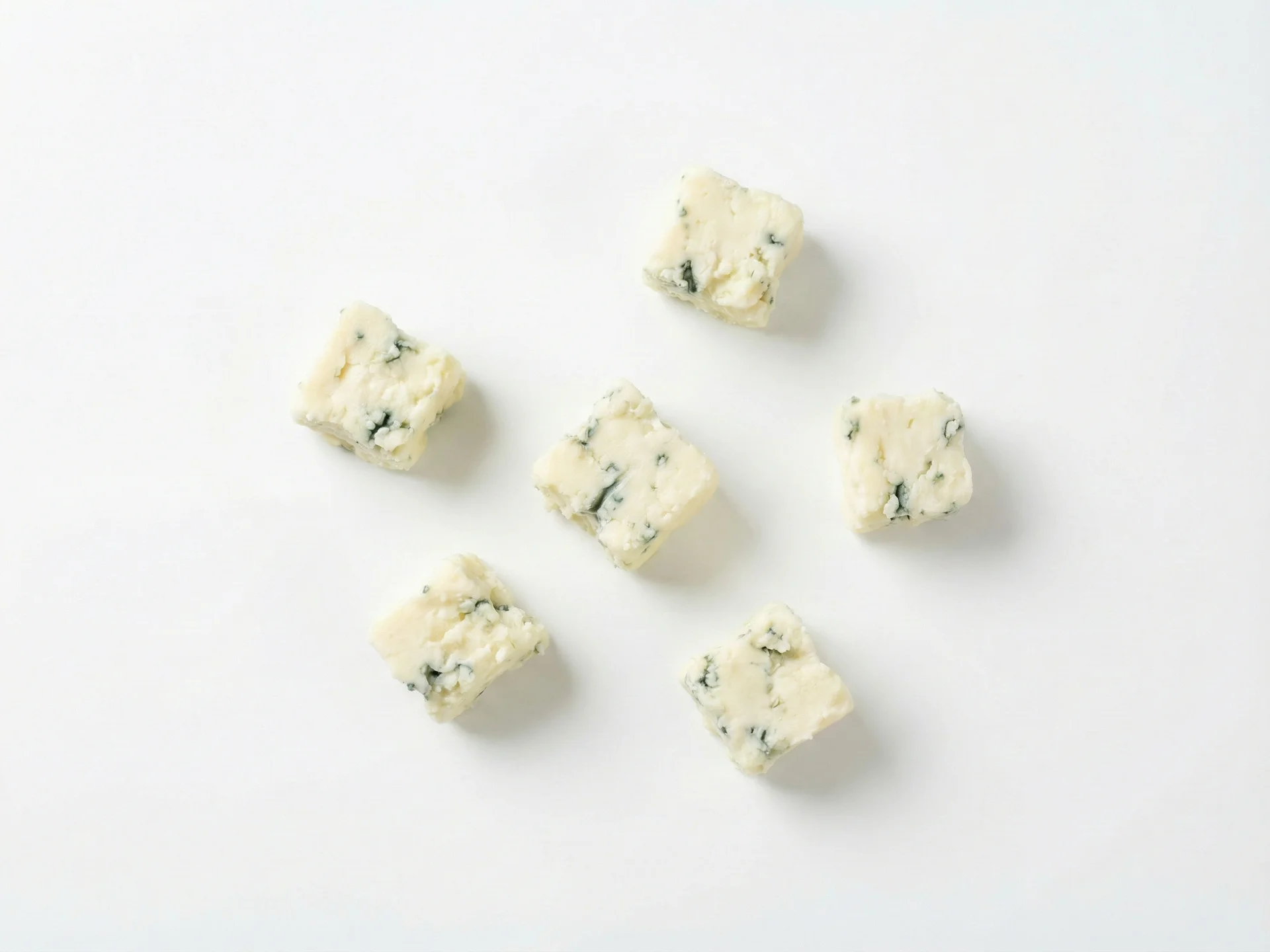
For toddlers 18 months and up, you can offer slightly larger, soft crumbles or thin slices of Gorgonzola. It can be served as part of a cheese plate with other mild cheeses or melted into dishes. Continue to monitor portion sizes to keep sodium intake in check.
18 months +

For toddlers 18 months and up, you can offer slightly larger, soft crumbles or thin slices of Gorgonzola. It can be served as part of a cheese plate with other mild cheeses or melted into dishes. Continue to monitor portion sizes to keep sodium intake in check.

  • Offer thin slices on whole-grain crackers.
  • Melt into scrambled eggs or omelets.
  • Use in small amounts in homemade pizza or sauces.
  • Pair with fruits like grapes or pears to balance the saltiness.
  • Encourage self-feeding with safe utensils.

Safety & allergens

Choking risk: Low

Gorgonzola is soft and crumbly when served at room temperature, making it low risk for choking. For younger babies, mash it thoroughly or mix into other foods. Always supervise your baby during feeding and ensure they're sitting upright.

Common allergen

Cow's milk allergy affects about 2-3% of infants under 1 year old, making it one of the most common food allergies in babies.[2]

Vitamins & minerals

Gorgonzola provides 401mg of calcium per 100g, which is crucial for building strong bones and preventing conditions like rickets.[3] The 326mg of phosphorus works with calcium for proper bone mineralization,[2] while the 19.1g of protein supports healthy growth and development.[5]

Vitamins
Vitamin VITAMIN AVitamin VITAMIN B2Vitamin VITAMIN B12
Minerals
CalciumPhosphorusSodium