FoodsNutCashew butter
Cashew butter

Nut

Cashew butter

Cashew butter is a creamy, delicious spread that can be a wonderful addition to your baby's diet, offering a rich source of healthy fats and protein to support their rapid growth.[1] Its smooth texture makes it easy to mix into other foods, and it provides essential nutrients like iron and magnesium that are crucial for your baby's development.[2] Plus, its mild, slightly sweet taste is often a hit with little ones!

6m+Common allergenChoking risk: Low
First age6m+
CategoryNut
Common allergenYes
Choking riskLow

When can babies eat Cashew butter?

You can introduce cashew butter around 6 months when starting solids, but because it's a tree nut, it's important to follow safe introduction practices for allergenic foods.

How to serve Cashew butter by age

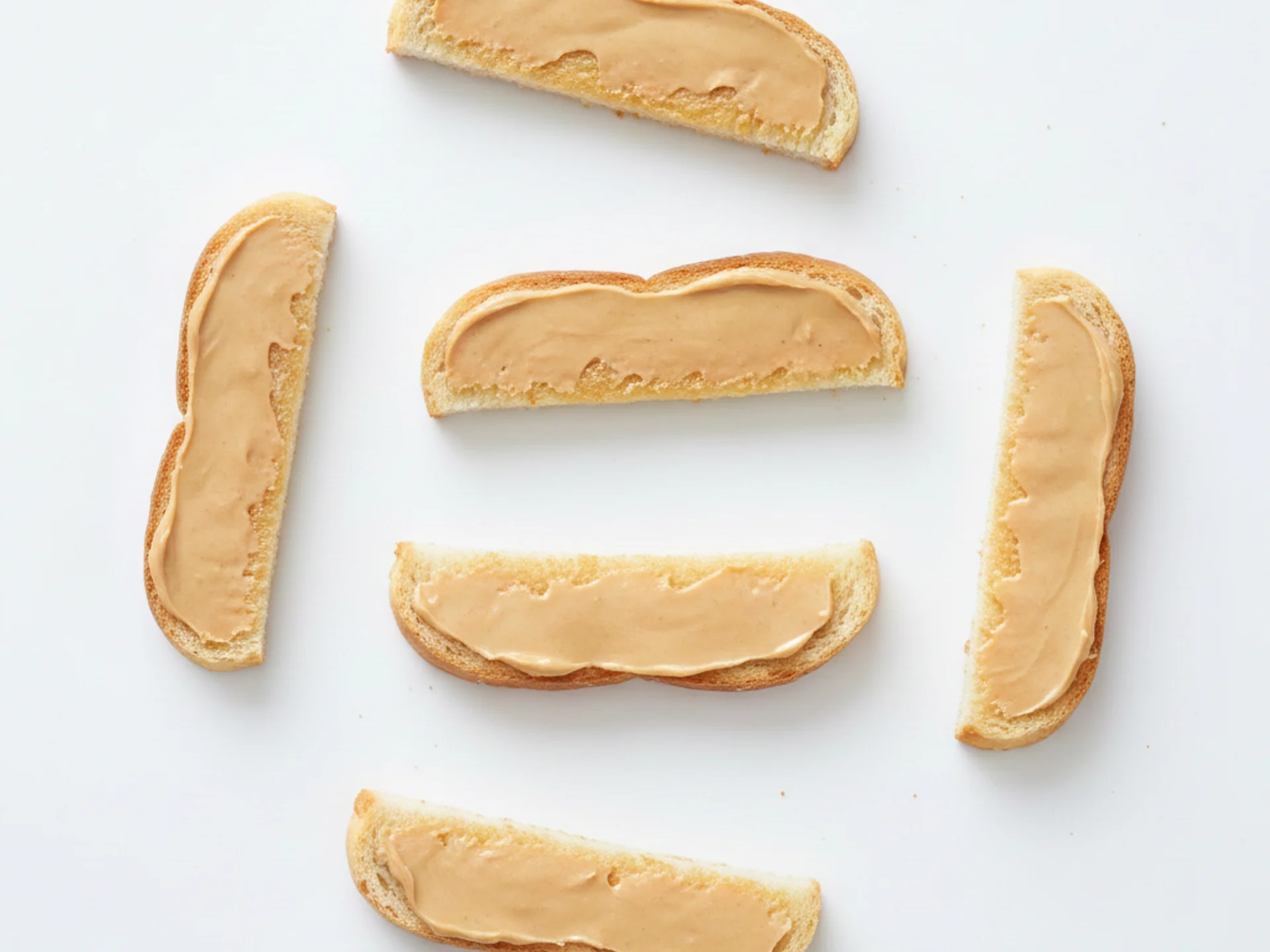
For babies 6-9 months, spread a very thin layer of smooth cashew butter on soft, easy-to-hold foods like strips of toast, banana slices, or steamed apple wedges. This helps them practice gripping and brings the butter to their mouth safely without large globs.
6 to 9 months

For babies 6-9 months, spread a very thin layer of smooth cashew butter on soft, easy-to-hold foods like strips of toast, banana slices, or steamed apple wedges. This helps them practice gripping and brings the butter to their mouth safely without large globs.

  • Use only smooth, unsweetened cashew butter to avoid added sugars.
  • Spread it thinly to prevent choking and make it easier to swallow.
  • Offer it on foods that are soft and mashable in case they gum it.
  • Introduce in the morning to monitor for allergies throughout the day.
  • Always supervise your baby closely during feeding.
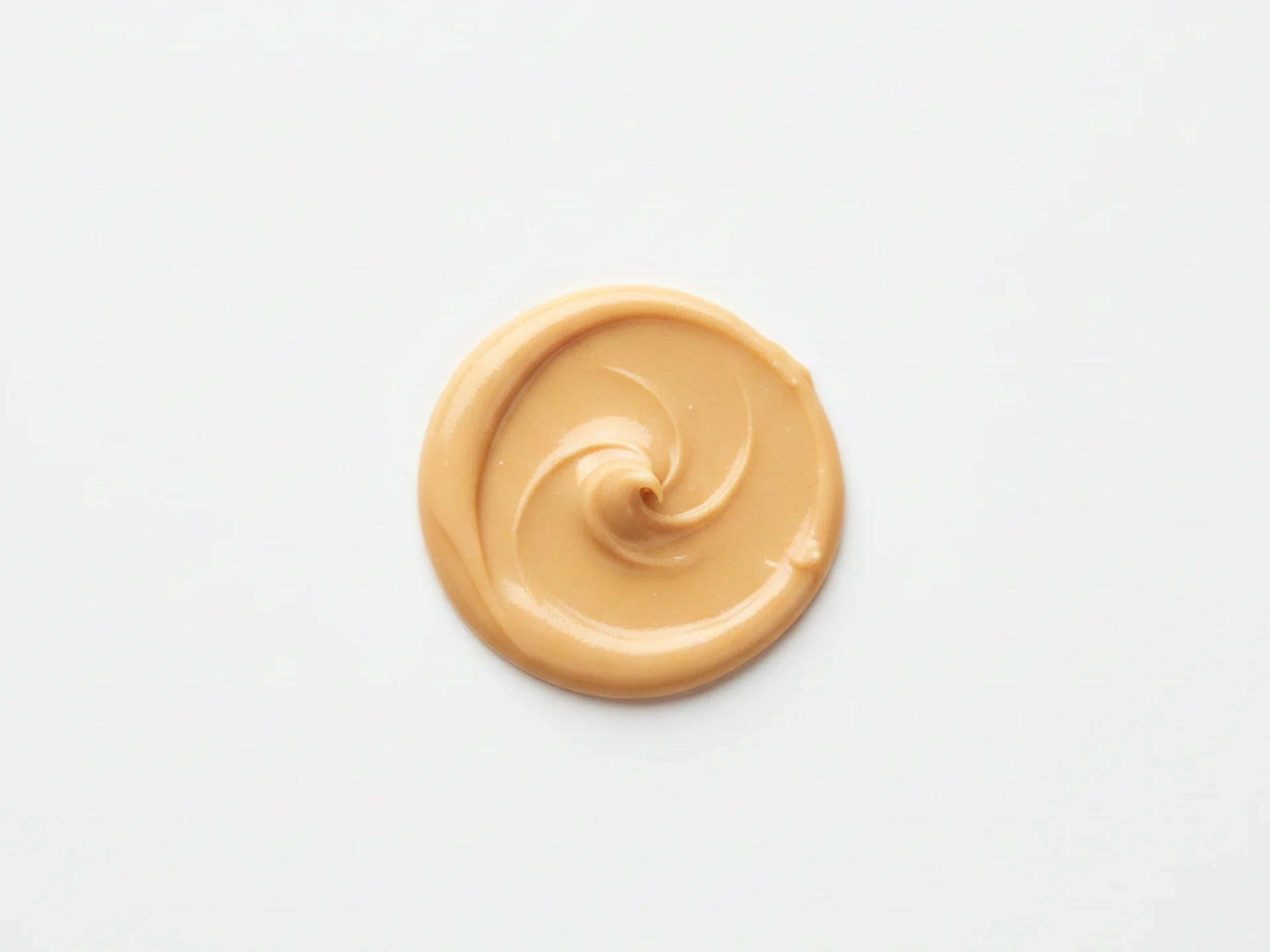
For babies 9 months and up, you can offer slightly thicker spreads or mix cashew butter into other foods like yogurt, oatmeal, or purees. They may also enjoy dipping soft vegetable sticks into a small dollop, encouraging self-feeding skills.
9 months +

For babies 9 months and up, you can offer slightly thicker spreads or mix cashew butter into other foods like yogurt, oatmeal, or purees. They may also enjoy dipping soft vegetable sticks into a small dollop, encouraging self-feeding skills.

  • Mix cashew butter into warm cereals or mashed fruits for added nutrition.
  • Offer it as a dip for soft-cooked veggies like carrots or sweet potatoes.
  • Gradually increase the amount if tolerated, but keep it to 1-2 teaspoons per serving.
  • Avoid chunky or salted varieties that might be harder to digest.
  • Continue to watch for any signs of allergies as you vary preparations.

Safety & allergens

Choking risk: Low

Cashew butter is smooth and spreadable, so it poses a low choking risk when served appropriately. Always spread it thinly on toast or mix it into purees to avoid thick globs that could be hard to swallow. Never serve whole nuts or chunky nut butters to babies.

Common allergen

Tree nut allergies, including to cashews, affect about 0.5-1% of children in the United States.[3]

Vitamins & minerals

Cashew butter is packed with nutrients that support your baby's health. It's rich in iron, which is vital for healthy blood and brain development, and magnesium, which helps with bone growth and muscle function.[2][6] The healthy fats in cashews provide energy and aid in the absorption of fat-soluble vitamins like Vitamin E, which supports the immune system.[1][7]

Vitamins
Vitamin VITAMIN EVitamin VITAMIN KVitamin VITAMIN B1Vitamin VITAMIN B2Vitamin VITAMIN B3Vitamin VITAMIN B5Vitamin VITAMIN B6Vitamin VITAMIN B9
Minerals
IronMagnesiumPhosphorusPotassiumZincCopperManganeseSelenium