FoodsProteinMussels
Mussels

Protein

Mussels

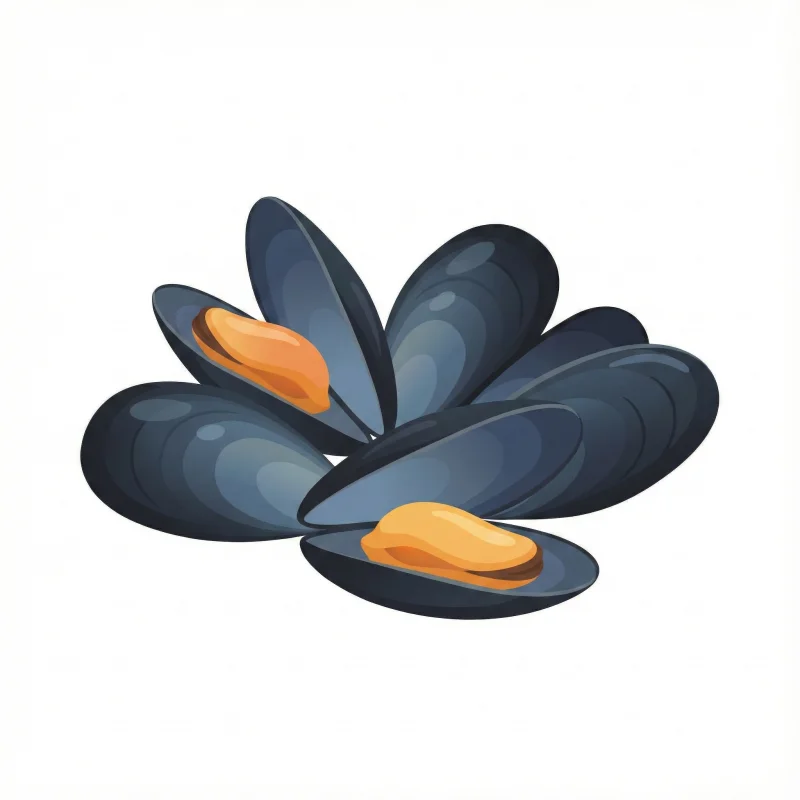
Mussels are a nutrient-dense shellfish that can be a wonderful addition to your baby's diet. They have a mild, slightly sweet flavor and a tender texture that babies often enjoy. Rich in iron and vitamin B12, mussels support healthy brain development and help prevent anemia in infants.[1]

6m+Common allergenChoking risk: Medium
First age6m+
CategoryProtein
Common allergenYes
Choking riskMedium

When can babies eat Mussels?

Mussels can be introduced around 6 months when starting solids, but it's important to introduce them carefully due to their allergenic potential. Always ensure they are thoroughly cooked and prepared in an age-appropriate texture.

How to serve Mussels by age

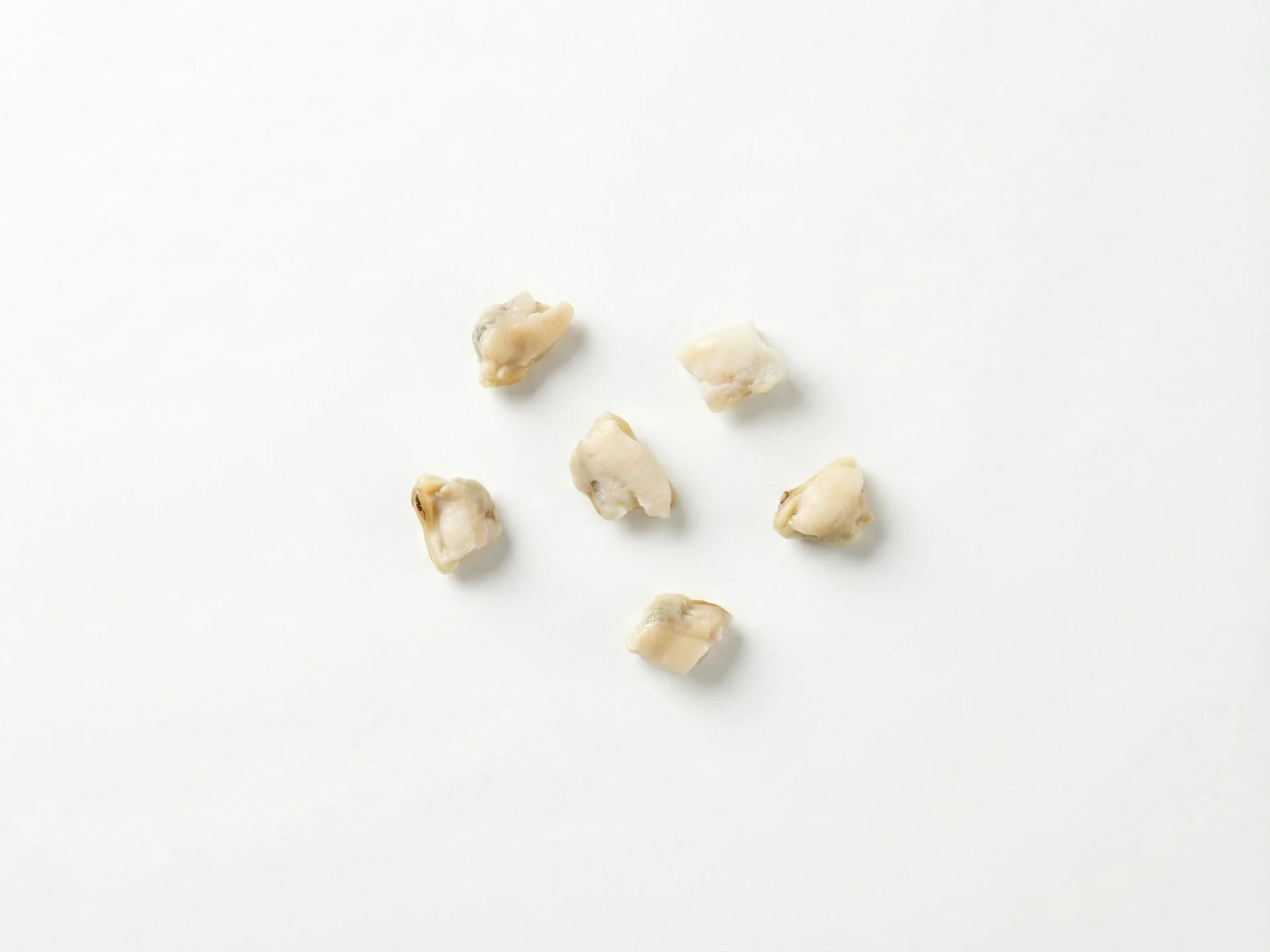
For babies 9-12 months, remove mussels from shells and chop finely into pea-sized pieces. You can mix them into soft foods like mashed avocado, yogurt, or oatmeal to help your baby practice picking them up. Ensure the texture is moist and easy to gum.
9 to 12 months

For babies 9-12 months, remove mussels from shells and chop finely into pea-sized pieces. You can mix them into soft foods like mashed avocado, yogurt, or oatmeal to help your baby practice picking them up. Ensure the texture is moist and easy to gum.

  • Chop mussels into pieces no larger than a pea
  • Mix with soft foods to prevent dryness
  • Serve on a pre-loaded spoon if your baby struggles with finger foods
  • Always check for and remove any remaining shell fragments
  • Offer small amounts initially to monitor for allergies
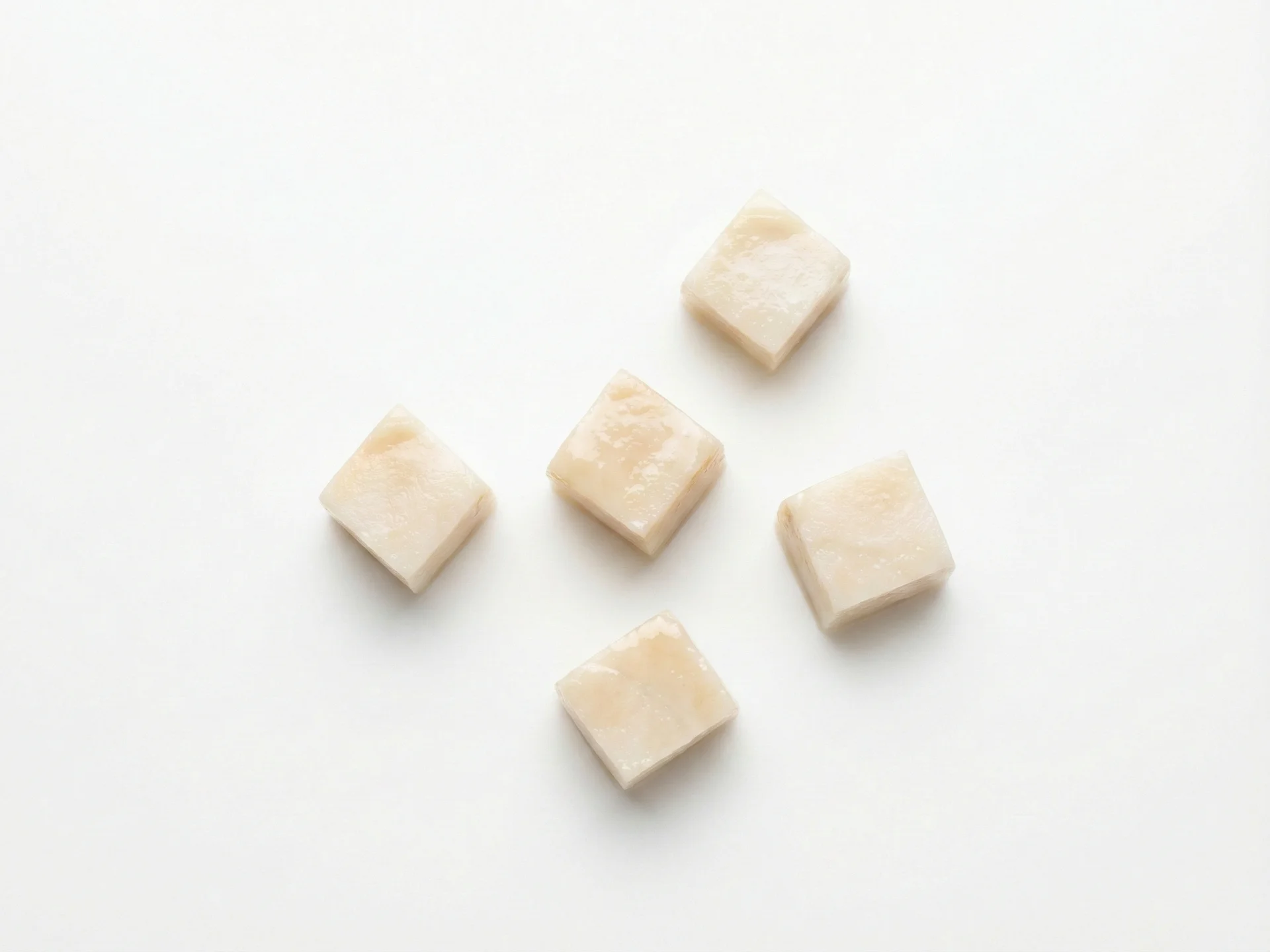
For toddlers 12 months and older, you can offer slightly larger pieces (about ¼ inch chunks) as their chewing skills improve. Mussels can be served as part of mixed dishes like pasta, rice, or stews. Continue to ensure they're well-cooked and tender.
12 months +

For toddlers 12 months and older, you can offer slightly larger pieces (about ¼ inch chunks) as their chewing skills improve. Mussels can be served as part of mixed dishes like pasta, rice, or stews. Continue to ensure they're well-cooked and tender.

  • Cut mussels into small, bite-sized chunks
  • Include in family meals like soups or pasta dishes
  • Encourage self-feeding with child-safe utensils
  • Pair with dipping sauces like tomato sauce for added flavor
  • Monitor chewing carefully as texture remains firm

Safety & allergens

Choking risk: Medium

Mussels can pose a choking risk if not prepared properly. For babies, always remove the meat from the shell and chop or puree it to an appropriate texture. Avoid serving whole mussels or large pieces that could block the airway. Supervise your baby closely during feeding.

Common allergen

Shellfish allergies, including to mussels, affect about 0.5-2% of the population, with higher rates in adults than children.[2]

Vitamins & minerals

Mussels are an excellent source of iron, which is crucial for preventing iron-deficiency anemia and supporting cognitive development in babies.[1] They're also rich in vitamin B12 for healthy nerve function and zinc for immune support.[5] The selenium in mussels acts as an antioxidant to protect cells.[6]

Vitamins
Vitamin VITAMIN B12Vitamin VITAMIN CVitamin VITAMIN EVitamin VITAMIN B1Vitamin VITAMIN B2Vitamin VITAMIN B3
Minerals
IronZincSeleniumPhosphorusPotassiumCopperManganese