FoodsProteinCrab
Crab

Protein

Crab

Crab is a delicious, flaky seafood that offers a unique taste and texture experience for your baby. It's packed with high-quality protein to support your little one's growth and development[1], along with essential vitamins and minerals that contribute to a healthy immune system and energy production[2]. Its naturally sweet, briny flavor can help expand your baby's palate while providing important nutrients.

6m+Common allergenChoking risk: Medium
First age6m+
CategoryProtein
Common allergenYes
Choking riskMedium

When can babies eat Crab?

Crab can be introduced around 6 months when your baby starts solids, but because it's a shellfish allergen, many pediatricians recommend waiting until 8-9 months to introduce shellfish after other common allergens have been tried.

How to serve Crab by age

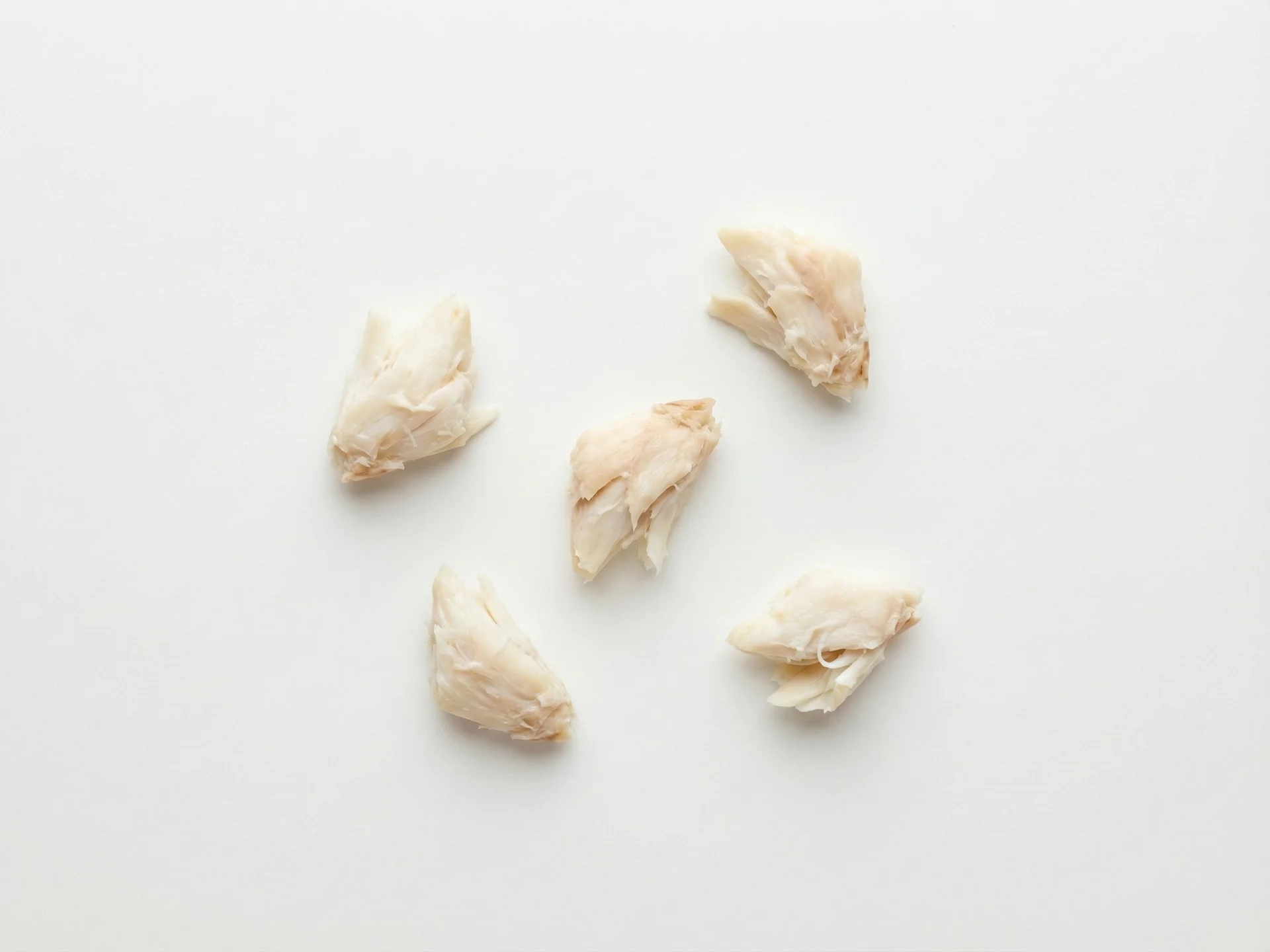
For babies 12-18 months, serve crab as small, flaky pieces that they can easily pick up with their fingers. Ensure all shell is completely removed and the meat is cooked until opaque and tender. You can mix it into soft foods like mashed avocado or yogurt to make it easier to handle.
12 to 18 months

For babies 12-18 months, serve crab as small, flaky pieces that they can easily pick up with their fingers. Ensure all shell is completely removed and the meat is cooked until opaque and tender. You can mix it into soft foods like mashed avocado or yogurt to make it easier to handle.

  • Steam or boil crab until fully cooked (internal temperature of 145°F)
  • Use your fingers to shred the meat into tiny, manageable pieces
  • Mix with mashed sweet potato or avocado to create a sticky texture
  • Avoid adding salt, butter, or heavy seasonings
  • Serve at room temperature to prevent burning delicate mouths
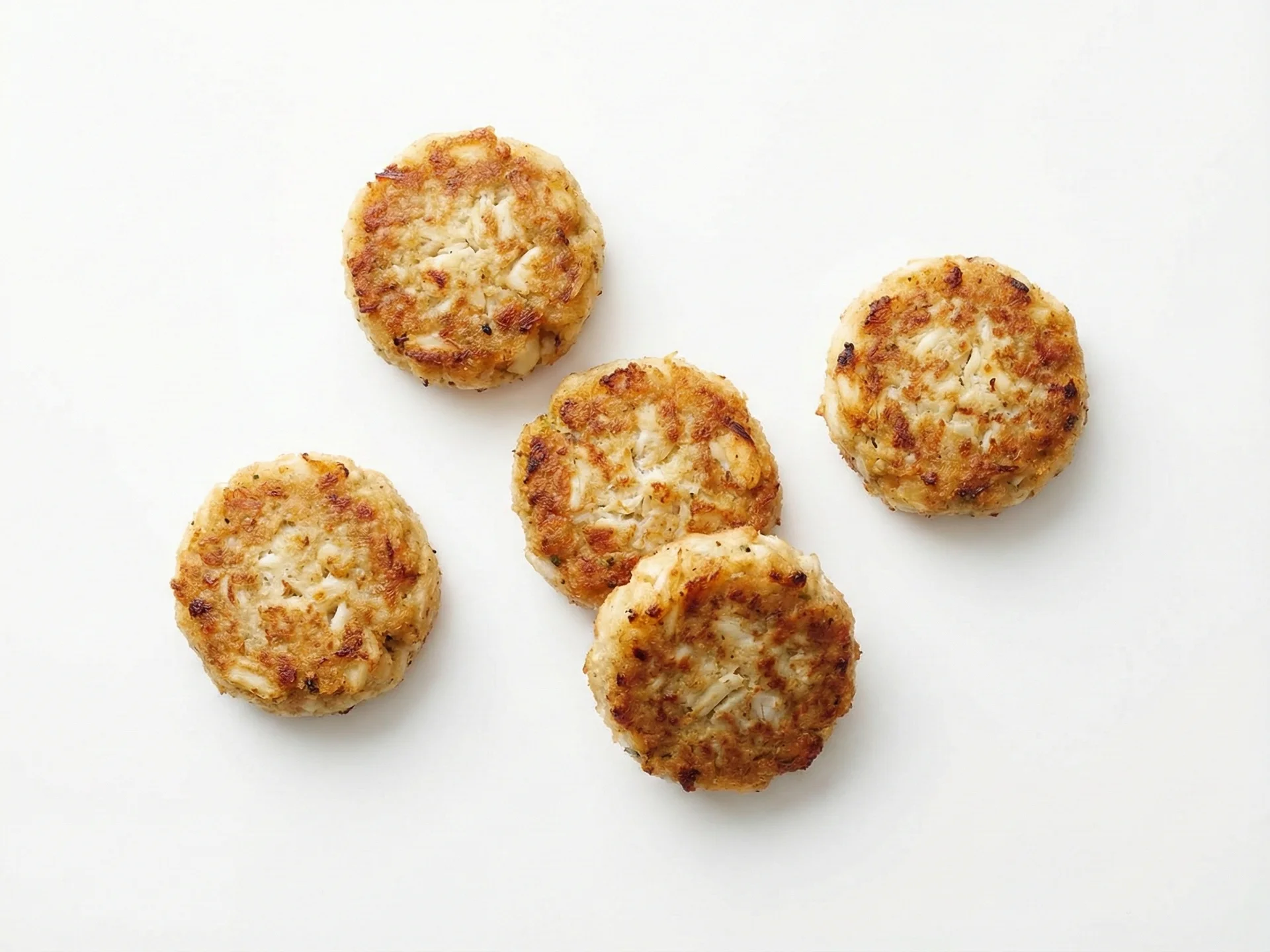
For toddlers 18 months and older, you can offer larger pieces of crab meat that they can practice biting and chewing. Crab cakes or patties made with minimal ingredients are a great option. Continue to ensure all shell fragments are removed before serving.
18 months +

For toddlers 18 months and older, you can offer larger pieces of crab meat that they can practice biting and chewing. Crab cakes or patties made with minimal ingredients are a great option. Continue to ensure all shell fragments are removed before serving.

  • Make mini crab cakes with breadcrumbs and egg as binders
  • Offer crab salad on whole grain toast fingers
  • Include crab in pasta dishes or rice bowls
  • Teach your child to check for shell pieces as they eat
  • Pair with dipping sauces like yogurt-based dressings

Safety & allergens

Choking risk: Medium

Crab meat itself has a soft, flaky texture that's generally safe when properly prepared, but the shell fragments pose a significant choking hazard. Always remove all shell pieces thoroughly and check the meat carefully. For younger babies, flake the meat finely and mix with other foods to create a manageable texture.

Common allergen

Shellfish allergies affect about 0.5-2% of the population, with crab being one of the most common shellfish allergens[3].

Vitamins & minerals

Crab provides excellent nutrition for growing babies. It's rich in Vitamin B12, which supports healthy brain development and nervous system function[6]. The zinc content helps boost immune function and supports growth[7], while selenium acts as an important antioxidant[8]. Crab also contains copper, which aids in iron absorption and supports bone health[9].

Vitamins
Vitamin VITAMIN B12Vitamin VITAMIN B3Vitamin VITAMIN B2Vitamin VITAMIN B6Vitamin VITAMIN B5Vitamin VITAMIN E
Minerals
ZincCopperSeleniumPhosphorusMagnesiumSodium