FoodsNutCashews
Cashews

Nut

Cashews

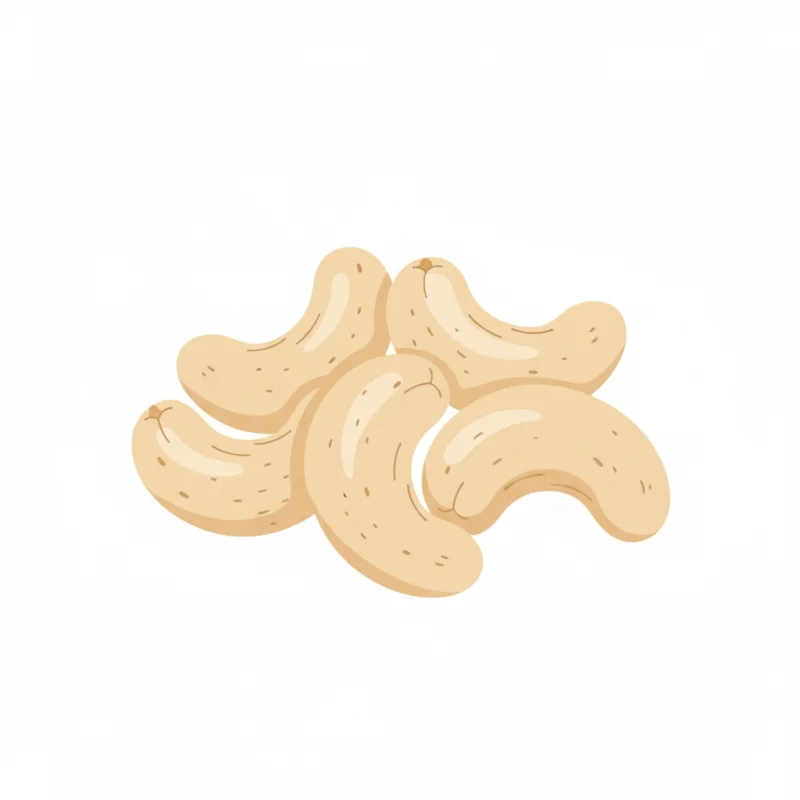
Cashews are a creamy, slightly sweet nut that can be a nutritious addition to your baby's diet. They're packed with healthy fats that support brain development[1] and contain important vitamins and minerals. Their smooth texture when blended makes them easy to incorporate into various baby foods.

6m+Common allergenChoking risk: High
First age6m+
CategoryNut
Common allergenYes
Choking riskHigh

When can babies eat Cashews?

Cashews can be introduced around 6 months when starting solids, but always serve them in safe forms to prevent choking and monitor for allergic reactions.

How to serve Cashews by age

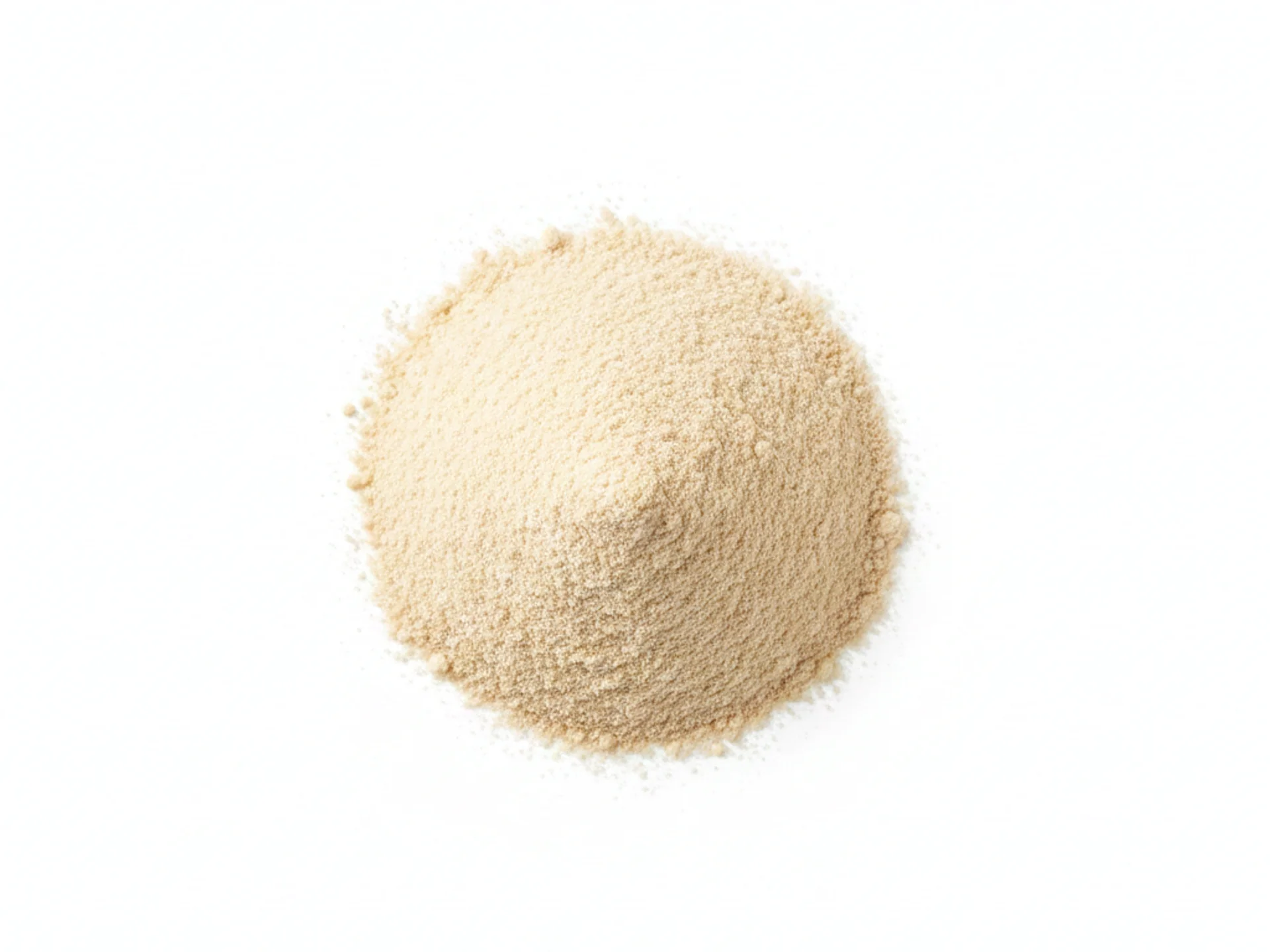
For babies 12-24 months, serve cashews only as a fine powder or smooth, thin cashew butter. Mix a small amount of cashew powder into cereals, purees, or yogurt, or spread a thin layer of cashew butter on soft toast strips or banana slices. Ensure no lumps or chunks are present.
12 to 24 months

For babies 12-24 months, serve cashews only as a fine powder or smooth, thin cashew butter. Mix a small amount of cashew powder into cereals, purees, or yogurt, or spread a thin layer of cashew butter on soft toast strips or banana slices. Ensure no lumps or chunks are present.

  • Grind raw cashews into a fine powder using a food processor or blender.
  • Thin cashew butter with breast milk, formula, or water to a spreadable consistency.
  • Avoid adding salt, sugar, or honey to cashew preparations.
  • Start with a pea-sized amount to test for allergies.
  • Always supervise your baby during meals.
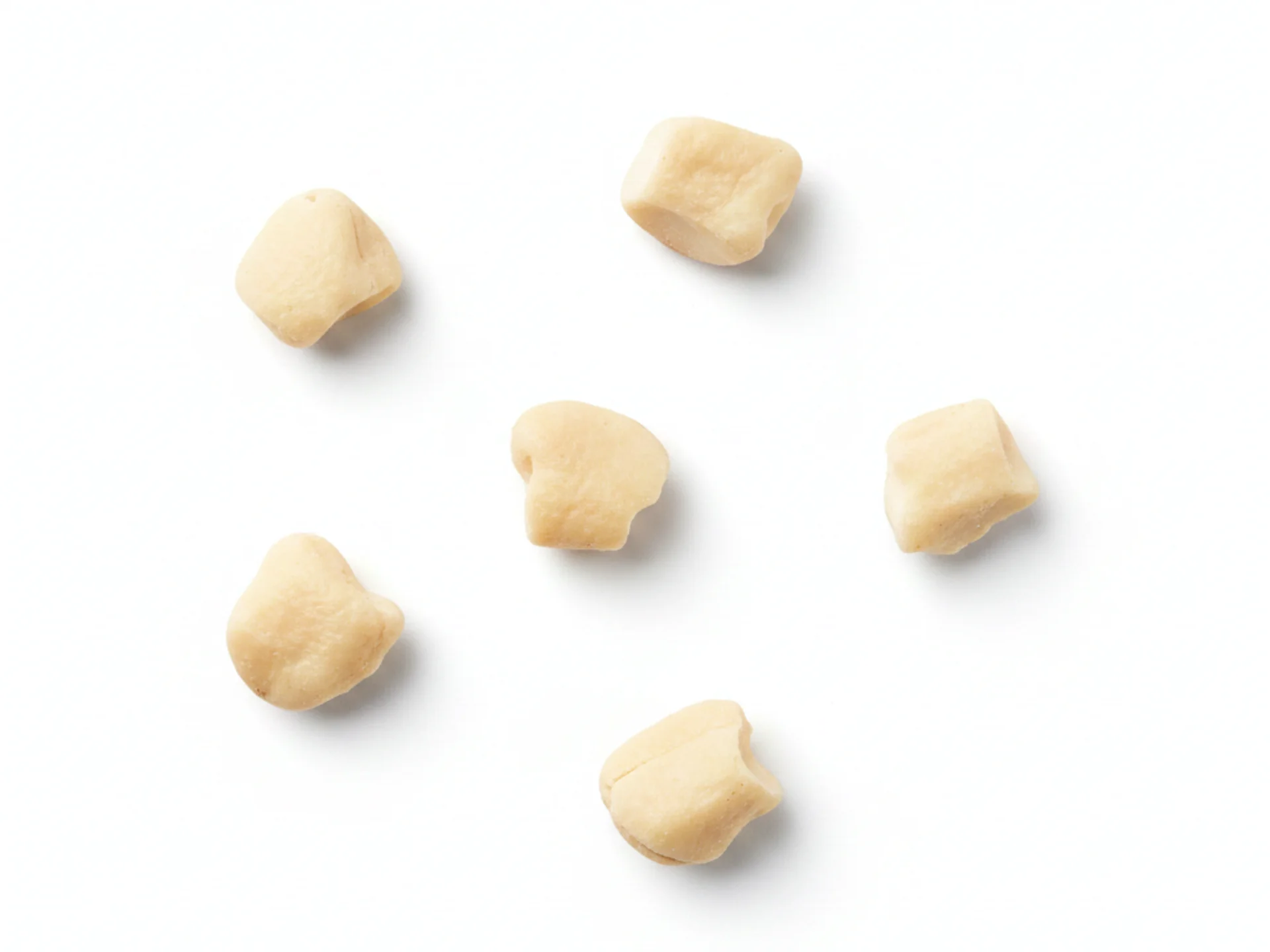
For toddlers 24 months and up, you can offer finely chopped cashews or cashew pieces as they develop better chewing skills, but still avoid whole nuts. Continue using cashew butter or powder in recipes, and ensure pieces are no larger than a pea to reduce choking risk.
24 months +

For toddlers 24 months and up, you can offer finely chopped cashews or cashew pieces as they develop better chewing skills, but still avoid whole nuts. Continue using cashew butter or powder in recipes, and ensure pieces are no larger than a pea to reduce choking risk.

  • Chop cashews into tiny, pea-sized pieces for added texture.
  • Mix chopped cashews into oatmeal, pancakes, or muffins for variety.
  • Teach your child to chew thoroughly before swallowing.
  • Keep portions small to prevent overconsumption.
  • Store prepared cashew foods in the refrigerator if not eaten immediately.

Safety & allergens

Choking risk: High

Whole cashews and large pieces are a choking hazard for babies and toddlers. Always serve cashews ground into a fine powder or smooth butter until at least age 4. Even for older toddlers, supervise closely and serve small, soft pieces.

Common allergen

Tree nut allergies affect about 0.5-1% of children, with cashews being one of the more common tree nut allergens.[2]

Vitamins & minerals

Cashews provide healthy monounsaturated fats that support brain development in infants.[1] They're also a good source of iron, which is crucial for preventing anemia and supporting growth[4], and magnesium, which helps with bone development and muscle function.[5] The vitamin E in cashews acts as an antioxidant to protect cells.[6]

Vitamins
Vitamin VITAMIN EVitamin VITAMIN KVitamin VITAMIN B1Vitamin VITAMIN B6
Minerals
IronMagnesiumPhosphorusZincCopperManganese