FoodsGrainRice noodles
Rice noodles

Grain

Rice noodles

Rice noodles are a wonderful first grain for your baby, offering a soft, easy-to-chew texture that's gentle on little gums. They're naturally gluten-free, making them a great option for families avoiding wheat, and they provide essential B vitamins that help your baby's body convert food into energy.[1] Their mild flavor also makes them a perfect canvas for mixing with other favorite foods.

6m+Not a common allergenChoking risk: Low
First age6m+
CategoryGrain
Common allergenNo
Choking riskLow

When can babies eat Rice noodles?

You can introduce rice noodles around 6 months, once your baby is showing signs of readiness for solids like sitting up with support and showing interest in food.

How to serve Rice noodles by age

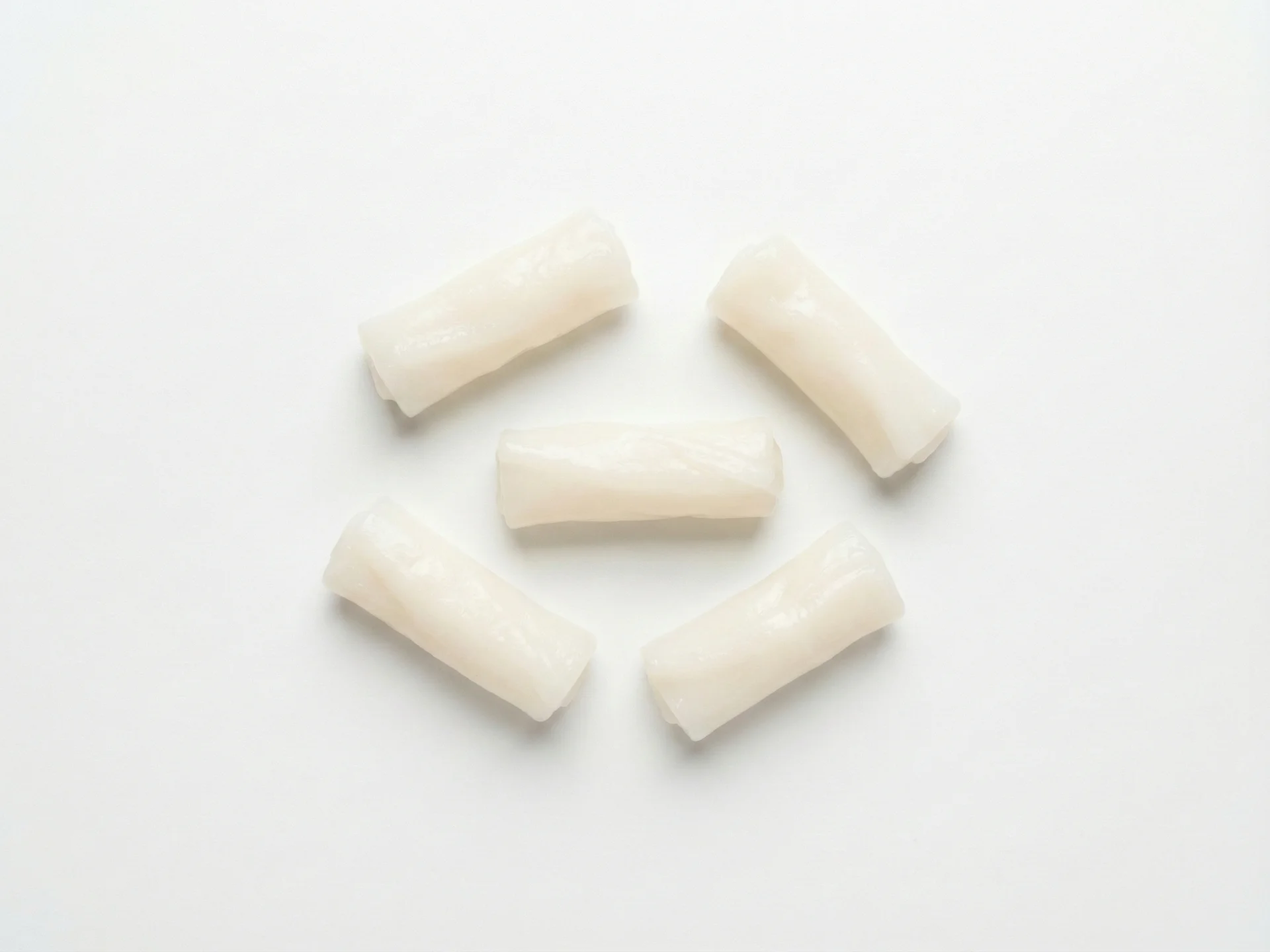
For babies 6-9 months, cook rice noodles until very soft and mushy, then cut into short, thick pieces about 1-2 inches long. You can serve them plain or lightly tossed in broth to add flavor and moisture, making them easy to pick up with a palmar grasp.
6 to 9 months

For babies 6-9 months, cook rice noodles until very soft and mushy, then cut into short, thick pieces about 1-2 inches long. You can serve them plain or lightly tossed in broth to add flavor and moisture, making them easy to pick up with a palmar grasp.

  • Cook noodles until they break apart easily with gentle pressure.
  • Serve in clumps or short pieces to prevent slipping.
  • Avoid adding salt or strong seasonings.
  • Offer alongside soft vegetables or proteins for variety.
  • Supervise closely during meals to ensure safe eating.
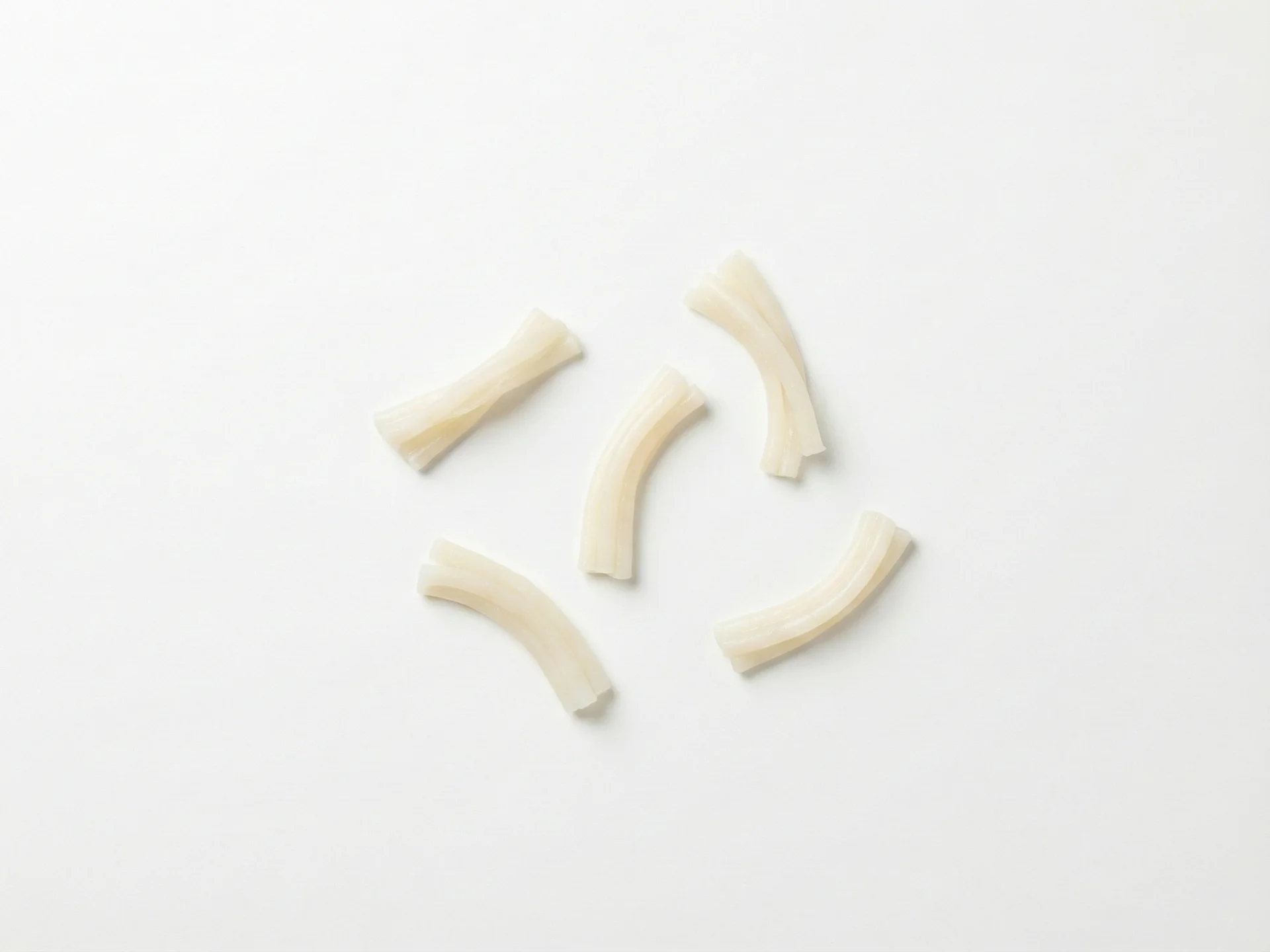
For babies 9 months and up, you can offer rice noodles in slightly firmer textures and longer strands as chewing skills improve. Cut into bite-sized pieces or serve in manageable portions, and introduce mild sauces or mixed dishes to encourage exploration of flavors.
9 months +

For babies 9 months and up, you can offer rice noodles in slightly firmer textures and longer strands as chewing skills improve. Cut into bite-sized pieces or serve in manageable portions, and introduce mild sauces or mixed dishes to encourage exploration of flavors.

  • Gradually increase noodle firmness as your baby tolerates.
  • Mix with finely chopped vegetables or proteins for balanced meals.
  • Use fun shapes like spirals or stars to engage interest.
  • Encourage self-feeding with utensils as coordination develops.
  • Continue to avoid added sugars and excessive salt.

Safety & allergens

Choking risk: Low

Rice noodles are naturally soft when cooked, making them a low choking risk. For extra safety, ensure they're well-cooked until tender and cut into small, manageable pieces appropriate for your baby's age. Always supervise your baby during meals.

Not a common allergen

Rice noodles is not a top allergen. As with any new food, offer it on its own and watch for any reaction.

Vitamins & minerals

Rice noodles provide B vitamins like B1 (thiamine) which supports your baby's nervous system development, and B9 (folate) which is crucial for healthy cell growth.[2] They also contain iron, an important mineral for preventing anemia and supporting brain development, though plant-based iron is less easily absorbed than from animal sources.[3]

Vitamins
Vitamin VITAMIN B1Vitamin VITAMIN B3Vitamin VITAMIN B5Vitamin VITAMIN B6Vitamin VITAMIN B9
Minerals
IronMagnesiumPhosphorusManganeseSelenium