FoodsDairyGoat cheese
Goat cheese

Dairy

Goat cheese

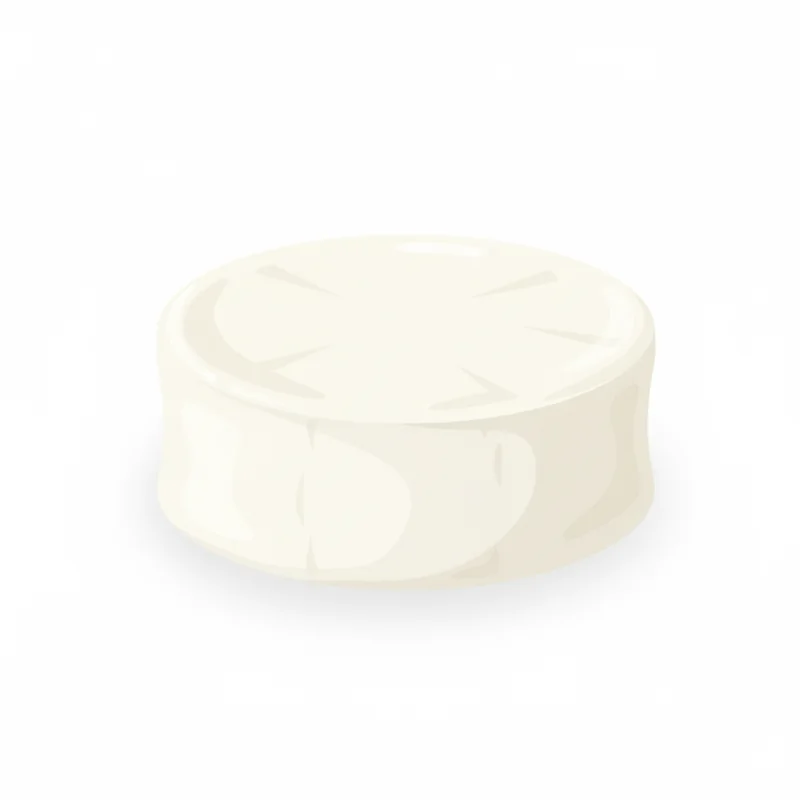
Goat cheese is a creamy, tangy dairy option that can be a nutritious addition to your baby's diet. It's packed with calcium for strong bones and teeth[1], and contains vitamin B12 which supports healthy brain development[2]. Many babies enjoy its soft texture and mild flavor, making it a great way to introduce dairy variety.

6m+Common allergenChoking risk: Low
First age6m+
CategoryDairy
Common allergenYes
Choking riskLow

When can babies eat Goat cheese?

You can introduce goat cheese around 6 months when starting solids, but it's best to wait until your baby has tried other dairy products like yogurt first to ensure they tolerate dairy well.

How to serve Goat cheese by age

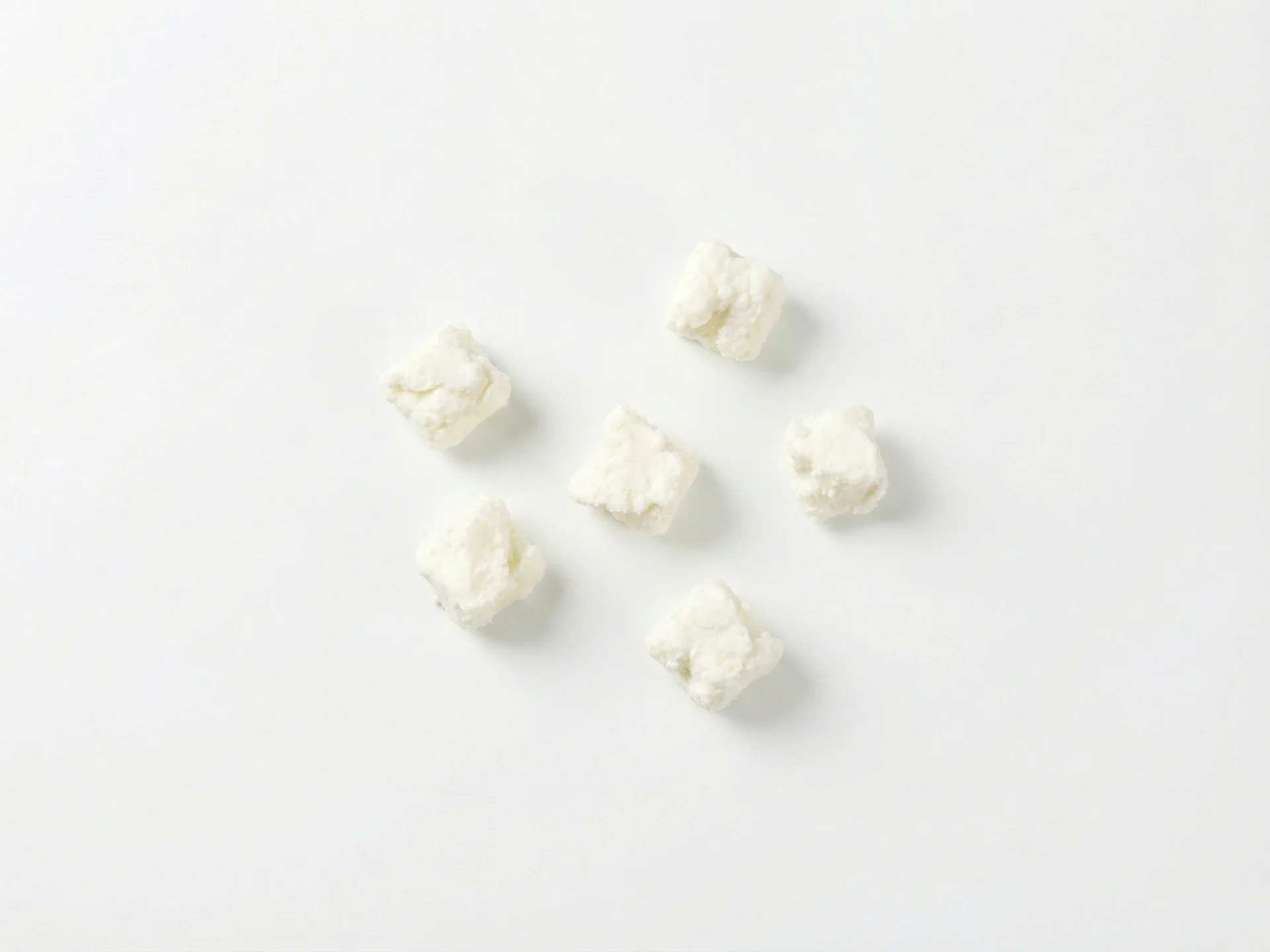
For babies 9-12 months, serve goat cheese in thin, flat slices or small, soft crumbles that are easy to pick up with a palmar grasp. You can also spread a thin layer on soft toast strips or mix it into mashed vegetables. Ensure the pieces are no larger than your baby's fist to prevent choking.
9 to 12 months

For babies 9-12 months, serve goat cheese in thin, flat slices or small, soft crumbles that are easy to pick up with a palmar grasp. You can also spread a thin layer on soft toast strips or mix it into mashed vegetables. Ensure the pieces are no larger than your baby's fist to prevent choking.

  • Choose fresh, soft goat cheese (chèvre) over hard or aged varieties.
  • Serve at room temperature to enhance creaminess and flavor.
  • Avoid adding salt or honey to the cheese.
  • Combine with soft fruits like banana for a sweet-savory mix.
  • Supervise closely during meals to ensure safe eating.
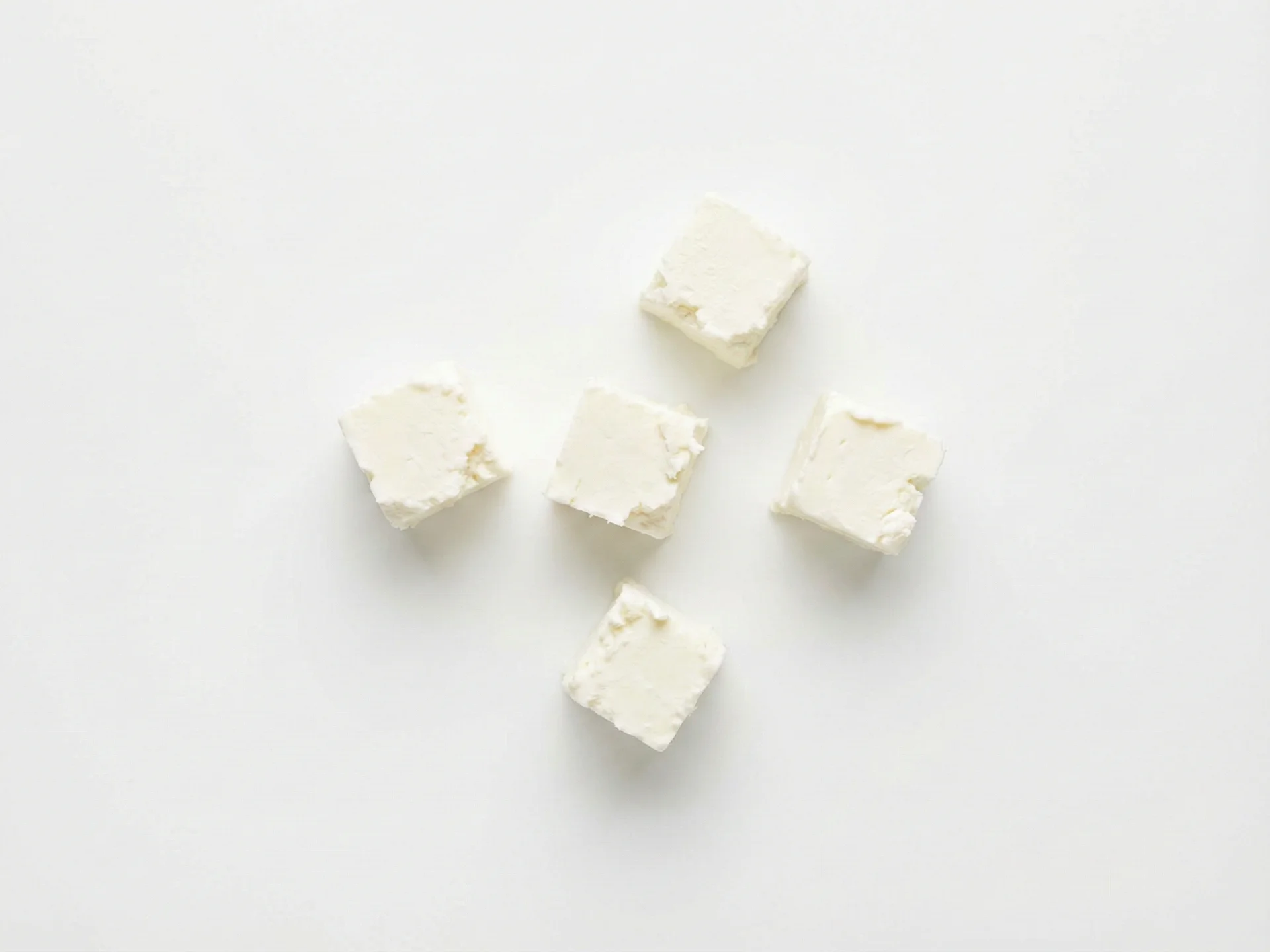
For toddlers 12 months and up, you can offer goat cheese in slightly larger pieces or as part of more complex dishes, such as sprinkled on pasta or melted in omelets. Encourage self-feeding with utensils, and continue to avoid hard chunks that could pose a choking risk.
12 months +

For toddlers 12 months and up, you can offer goat cheese in slightly larger pieces or as part of more complex dishes, such as sprinkled on pasta or melted in omelets. Encourage self-feeding with utensils, and continue to avoid hard chunks that could pose a choking risk.

  • Introduce goat cheese in salads or as a topping for soft vegetables.
  • Use it in homemade sauces to add creaminess without heavy spices.
  • Monitor sodium intake by checking labels and opting for low-sodium versions.
  • Pair with whole-grain crackers for a crunchy texture contrast.
  • Involve your toddler in meal prep by letting them sprinkle cheese on their food.

Safety & allergens

Choking risk: Low

Goat cheese is naturally soft and spreadable, making it a low choking risk when served appropriately. For younger babies, spread it thinly on toast or mix into purees. Avoid serving large chunks that could pose a risk, and always supervise your baby during meals.

Common allergen

Cow's milk allergy affects about 2-3% of infants, and some babies with cow's milk allergy may also react to goat's milk due to similar proteins[3].

Vitamins & minerals

Goat cheese provides excellent nutrition for growing babies. The calcium content supports bone mineralization and development[1], while the zinc contributes to immune function and growth[4]. Vitamin B12 is essential for neurological development and red blood cell formation[2].

Vitamins
Vitamin VITAMIN AVitamin VITAMIN B2Vitamin VITAMIN B12
Minerals
CalciumPhosphorusZinc