FoodsGrainCouscous
Couscous

Grain

Couscous

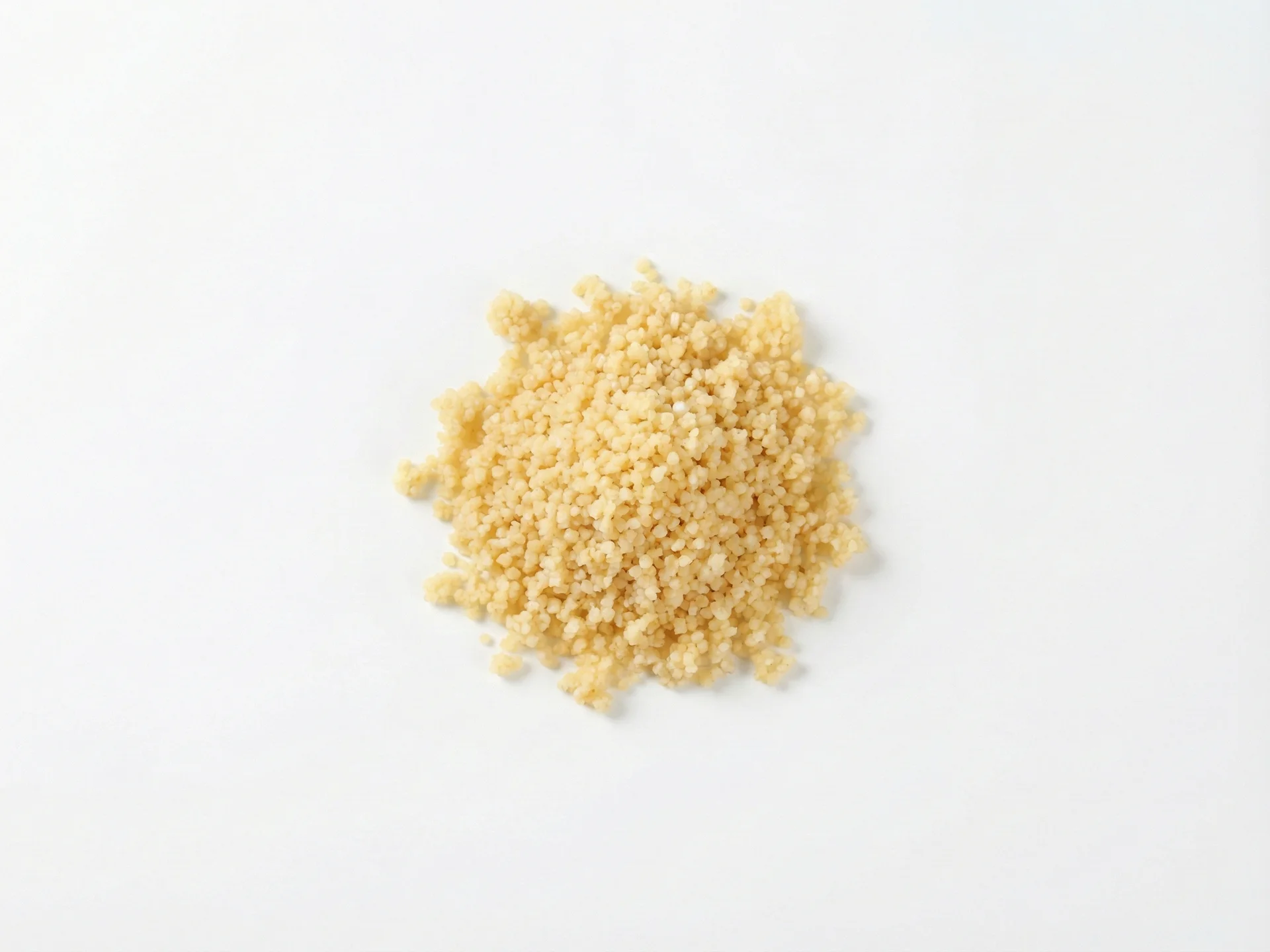
Couscous is a wonderful first grain for babies because it's soft, easy to digest, and has a mild flavor that most little ones enjoy. It's made from semolina wheat, so it provides gentle energy and important B vitamins that support your baby's growth and brain development.[1] The tiny grains are perfect for practicing those early chewing motions!

6m+Common allergenChoking risk: Low
First age6m+
CategoryGrain
Common allergenYes
Choking riskLow

When can babies eat Couscous?

You can introduce couscous around 6 months when your baby starts solids, as long as it's prepared to a very soft, mushy texture. It's a great alternative to rice or oatmeal for variety.

How to serve Couscous by age

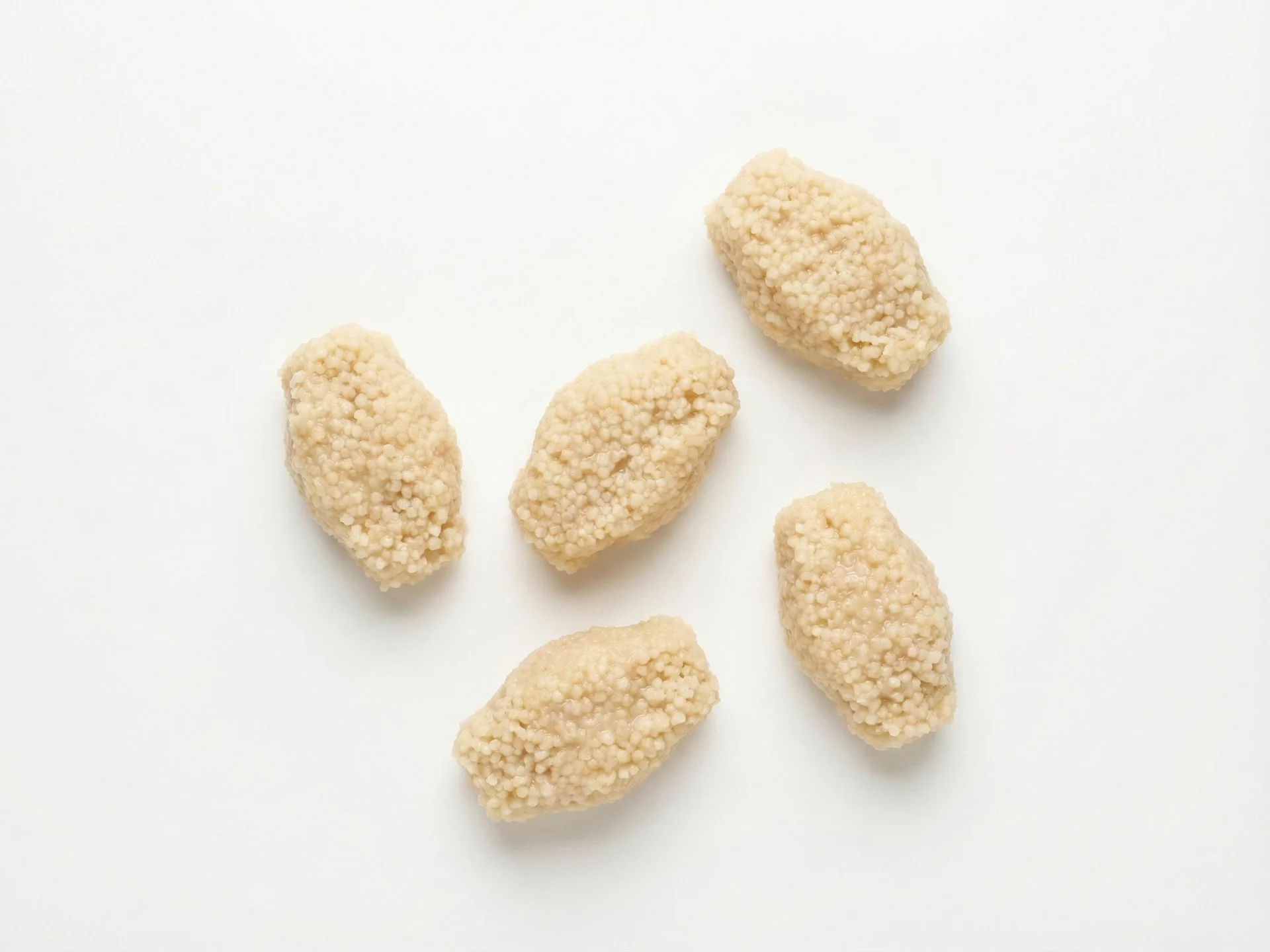
For 6-9 month olds, cook couscous until very soft and slightly sticky. Form into small, flat patties or clumps about the size of two adult fingers pressed together. This shape helps babies practice their palmar grasp. You can mix with breast milk, formula, or a thin puree to add moisture and nutrients.
6 to 9 months

For 6-9 month olds, cook couscous until very soft and slightly sticky. Form into small, flat patties or clumps about the size of two adult fingers pressed together. This shape helps babies practice their palmar grasp. You can mix with breast milk, formula, or a thin puree to add moisture and nutrients.

  • Cook with low-sodium broth instead of water for extra flavor
  • Mix in mashed sweet potato or avocado to boost nutrition
  • Ensure clumps are soft enough to mash between your fingers
  • Serve on a highchair tray for easy access
  • Expect plenty of mess—this is normal learning!
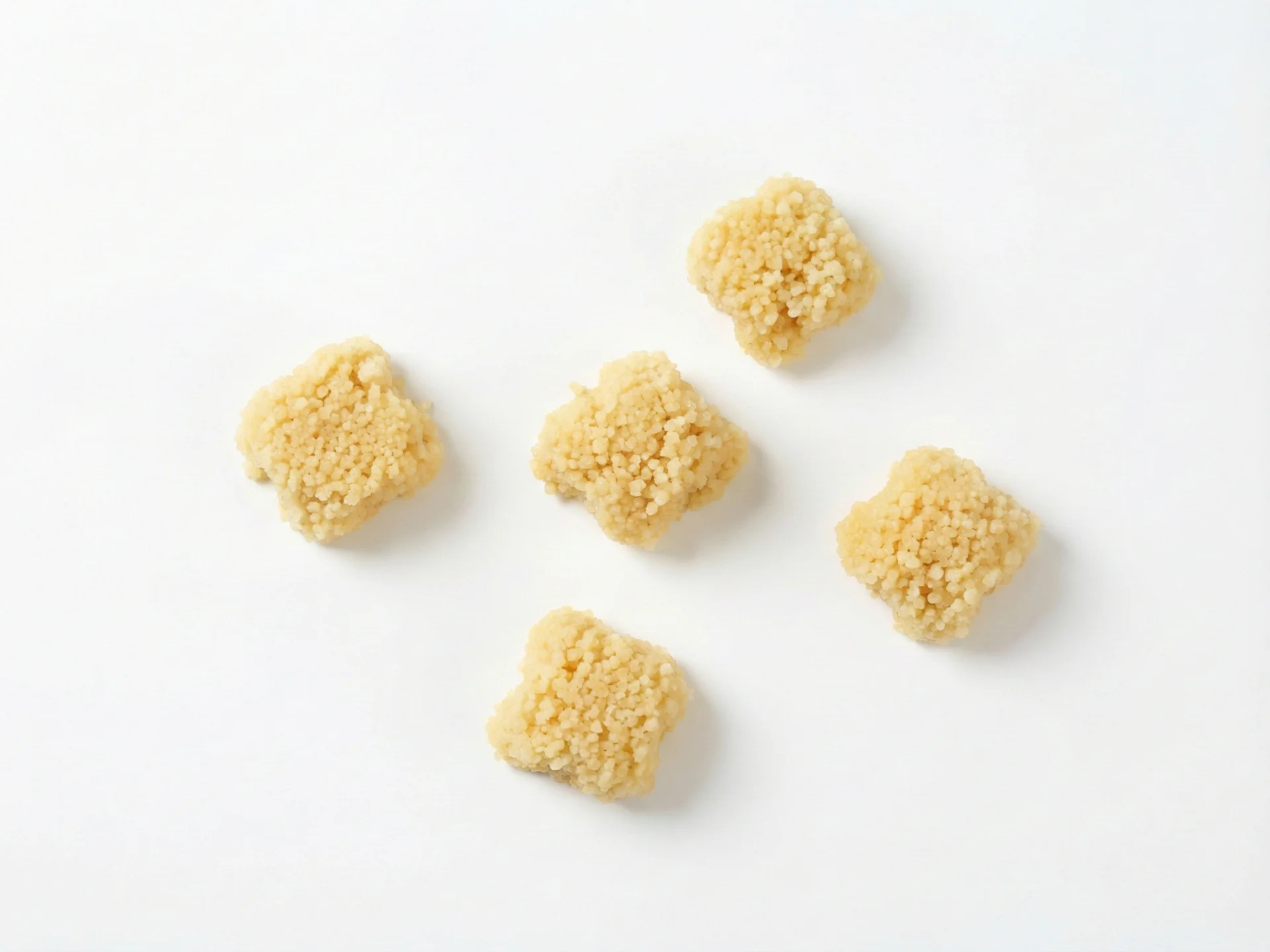
For 9-12 month olds, couscous can be served in smaller, pea-sized clumps to encourage pincer grasp development. Mix with finely chopped soft vegetables or small pieces of cooked meat. The texture can be slightly more defined as babies develop better chewing skills.
9 to 12 months

For 9-12 month olds, couscous can be served in smaller, pea-sized clumps to encourage pincer grasp development. Mix with finely chopped soft vegetables or small pieces of cooked meat. The texture can be slightly more defined as babies develop better chewing skills.

  • Add tiny pieces of cooked chicken or turkey for protein
  • Mix with small, soft-cooked vegetable pieces
  • Let your baby try using a spoon with your help
  • Offer alongside finger foods for variety
  • Introduce different herbs like parsley for new flavors
For toddlers 12 months and up, couscous can be served more traditionally as a side dish. They can practice using utensils to scoop it, and you can incorporate more complex flavors. Consider mixing with larger vegetable pieces or serving as part of a balanced meal.
12 months +

For toddlers 12 months and up, couscous can be served more traditionally as a side dish. They can practice using utensils to scoop it, and you can incorporate more complex flavors. Consider mixing with larger vegetable pieces or serving as part of a balanced meal.

  • Serve as a bed for stews or saucy dishes
  • Mix with beans or lentils for plant-based protein
  • Let your toddler help sprinkle herbs or cheese
  • Use whole wheat couscous for extra fiber
  • Pair with colorful vegetables to make meals appealing

Safety & allergens

Choking risk: Low

Couscous has a very low choking risk when prepared properly for babies. Always cook it until it's very soft and mushy for younger babies, and avoid serving it dry or undercooked. For older babies who can handle more texture, you can make it slightly firmer but still ensure it's well-cooked and moist.

Common allergen

Introduce on its own and watch closely for any signs of a reaction.

Vitamins & minerals

Couscous is packed with B vitamins that help convert food into energy and support your baby's nervous system development.[1] It also contains iron, which is crucial for healthy blood cells and preventing anemia,[2] and magnesium that supports bone health and muscle function.[3] The selenium in couscous acts as an antioxidant to protect your baby's cells.[4]

Vitamins
Vitamin VITAMIN B1Vitamin VITAMIN B3Vitamin VITAMIN B5Vitamin VITAMIN B6Vitamin VITAMIN B9
Minerals
IronMagnesiumPotassiumPhosphorusSelenium