FoodsProteinShrimp
Shrimp

Protein

Shrimp

Shrimp is a tasty, tender seafood that can be a wonderful source of lean protein for your baby. It's packed with nutrients like Vitamin B12, which supports healthy brain development[1], and selenium, an important antioxidant[2]. Its mild, slightly sweet flavor and soft texture when cooked make it appealing for little ones exploring new foods.

6m+Common allergenChoking risk: Medium
First age6m+
CategoryProtein
Common allergenYes
Choking riskMedium

When can babies eat Shrimp?

Shrimp can be introduced around 6 months, when your baby starts solids, but it's a common allergen, so many parents choose to introduce it a bit later, after other single-ingredient foods. Always consult your pediatrician, especially if there's a family history of shellfish allergies.

How to serve Shrimp by age

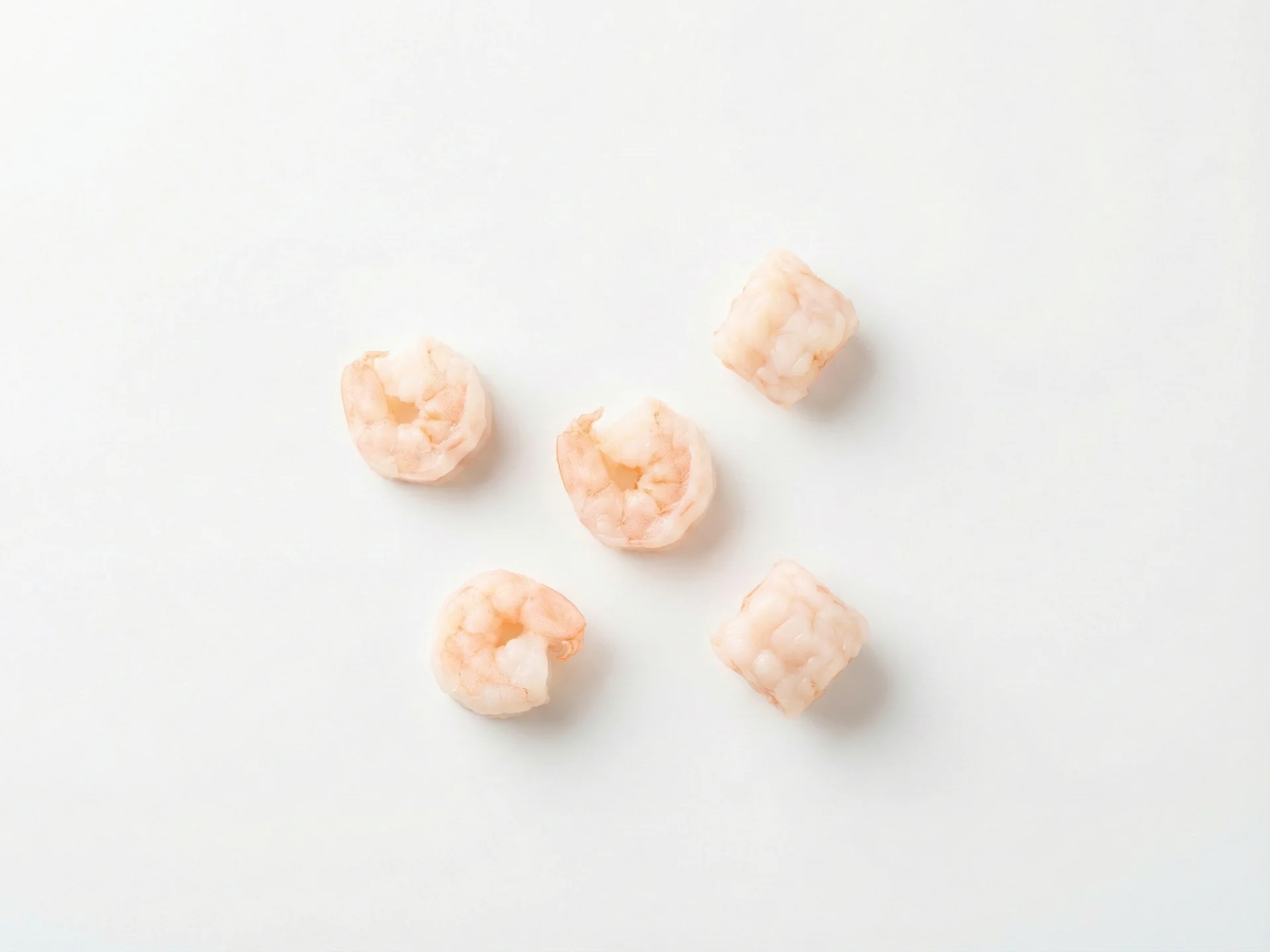
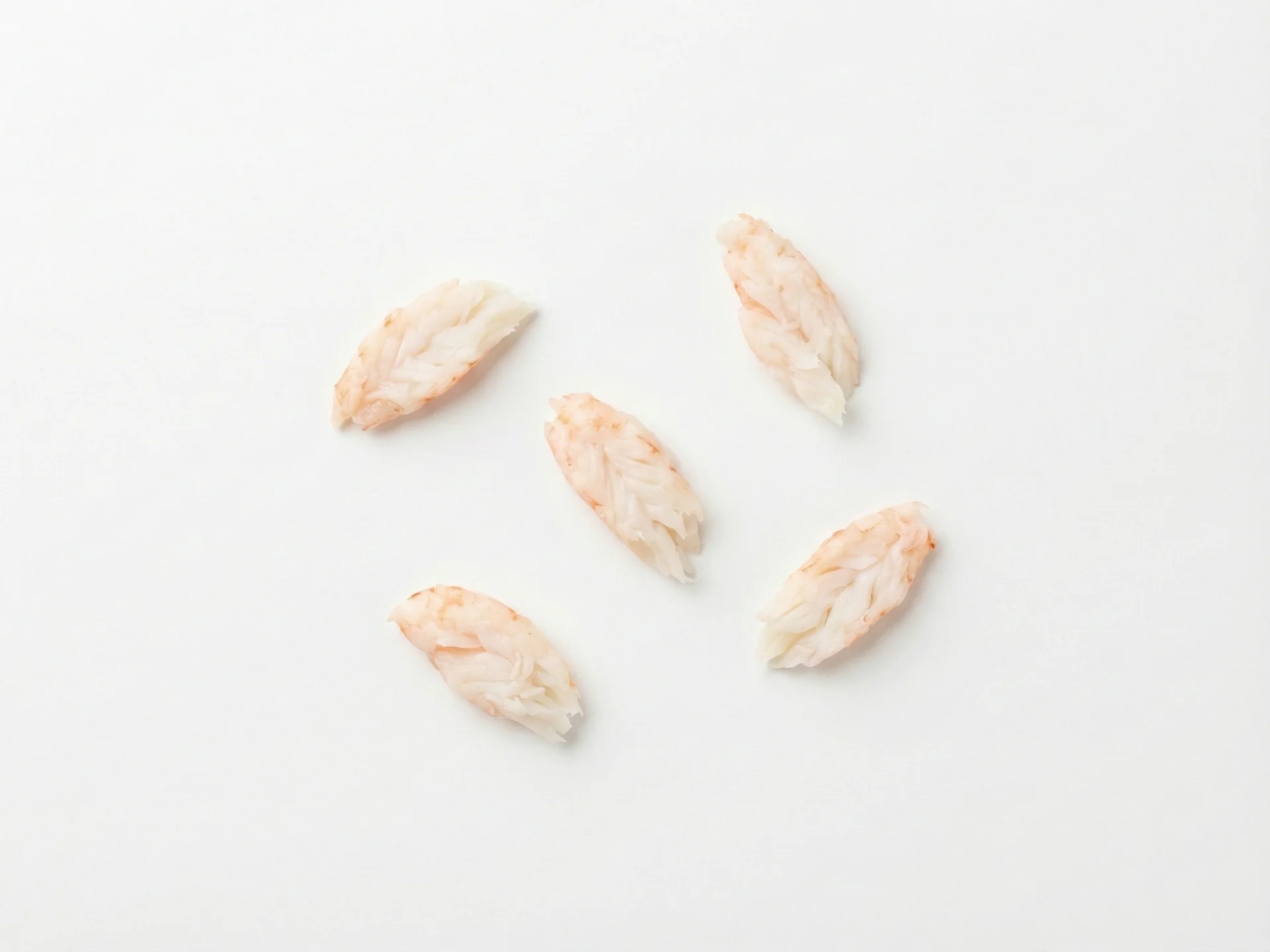
For babies 6-9 months, cook shrimp until fully opaque and tender, then cut into small, flattened pieces or shreds that are easy to grasp. Avoid round shapes that could pose a choking hazard. Steaming or boiling without salt is ideal to keep it soft and mild.
6 to 9 months

For babies 6-9 months, cook shrimp until fully opaque and tender, then cut into small, flattened pieces or shreds that are easy to grasp. Avoid round shapes that could pose a choking hazard. Steaming or boiling without salt is ideal to keep it soft and mild.

  • Cook shrimp until it's pink and opaque throughout
  • Cut into dime-sized pieces or shred with a fork
  • Serve plain without added salt or spices
  • Offer as a finger food for self-feeding practice
  • Always supervise closely during meals
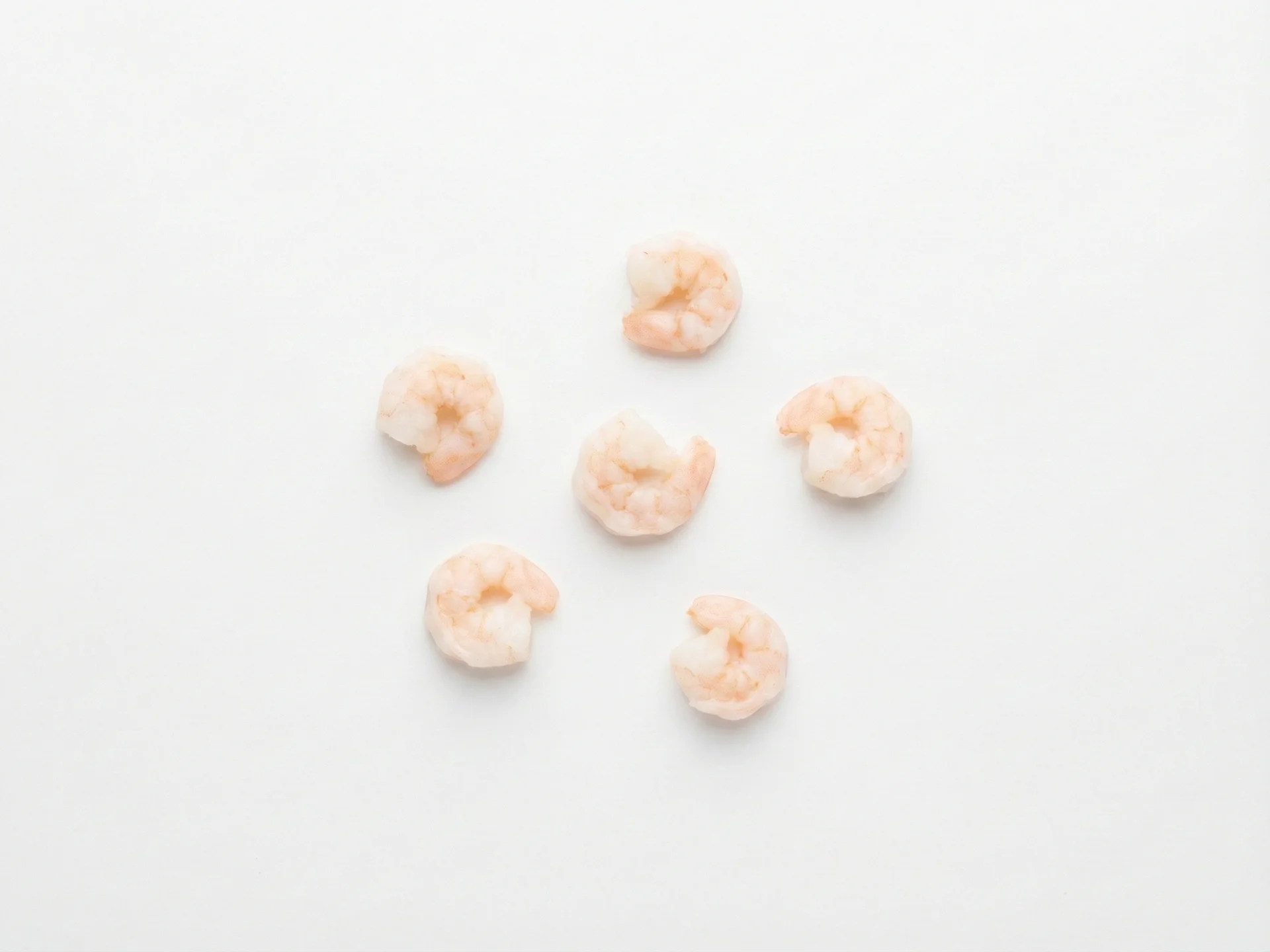
For babies 9-12 months, you can offer slightly larger pieces as their chewing skills improve. Cook shrimp until tender and cut into bite-sized chunks or strips. You can lightly season with baby-safe herbs like parsley or mix into soft foods.
9 to 12 months

For babies 9-12 months, you can offer slightly larger pieces as their chewing skills improve. Cook shrimp until tender and cut into bite-sized chunks or strips. You can lightly season with baby-safe herbs like parsley or mix into soft foods.

  • Cut into strips or small chunks for easier handling
  • Mix shredded shrimp into mashed vegetables or grains
  • Avoid tough or rubbery textures by not overcooking
  • Introduce mild seasonings like a pinch of garlic powder
  • Continue to monitor for choking risks
For toddlers 12 months and up, shrimp can be served in more varied ways, such as in patties, stir-fries, or as part of family meals. Ensure it's cooked thoroughly and cut into age-appropriate sizes, and you can gradually introduce more seasonings.
12 months +

For toddlers 12 months and up, shrimp can be served in more varied ways, such as in patties, stir-fries, or as part of family meals. Ensure it's cooked thoroughly and cut into age-appropriate sizes, and you can gradually introduce more seasonings.

  • Incorporate shrimp into recipes like shrimp patties or pasta dishes
  • Cut into pieces small enough to prevent choking
  • Use in moderation as part of a balanced diet
  • Watch for signs of shellfish allergy as consumption increases
  • Pair with colorful veggies to make meals appealing

Safety & allergens

Choking risk: Medium

Shrimp can be a choking hazard if not prepared properly. For babies, always cook shrimp thoroughly until opaque and firm, then chop, mince, or puree it to a texture appropriate for their age. Avoid whole or large pieces, and always supervise your baby during meals.

Common allergen

Shellfish allergy, including shrimp, affects about 0.5-2% of the general population, with shrimp being one of the most common triggers[3]. In babies, it's less common but still a significant allergen to watch for.

Vitamins & minerals

Shrimp is rich in protein for growth and development, and it provides key nutrients like Vitamin B12, which is essential for nerve function and red blood cell formation[1]. It's also an excellent source of selenium, which supports the immune system[2], and iodine, important for thyroid health[6]. The zinc and copper in shrimp contribute to a healthy immune response and energy metabolism[7].

Vitamins
Vitamin VITAMIN B12Vitamin VITAMIN DVitamin VITAMIN EVitamin VITAMIN B3
Minerals
SeleniumIodineZincPhosphorusCopper